

Finding your ideal study table is the very first step to reclaiming your focus and setting yourself up for a successful day. We often underestimate how heavily our physical surroundings dictate our mental clarity. A cluttered, poorly designed desk creates a noisy mind, while an intentional, carefully curated space gives you the breathing room you need to think.
In this guide, we will explore exactly how to select a desk that fits your specific needs and how to style it to spark genuine joy. You will learn how to measure for your space, prioritize ergonomic comfort, and organize your supplies so that sitting down to work becomes the best part simply of your day. Grab a fresh cup of coffee, and let’s fix your workspace together.

Assessing Your Space and Defining Your Needs
Before you even look at furniture catalogs or browse online stores, you must take a realistic look at the physical room you have available. When I first started working from home, I made a massive, highly inconvenient mistake. I bought a gigantic, heavy oak desk because I loved the vintage look of it. I dragged it up two flights of stairs, forced it into my tiny spare bedroom, and immediately realized I could barely open the door. It was a beautiful piece of furniture, but it was entirely wrong for my reality.
You must measure your available floor space down to the inch. Get a tape measure and map out exactly where the table will sit. You need to account for the depth of the desk, but you also need to leave at least three feet of clearance behind it so you can comfortably pull your chair in and out. If you are working in a tight corner, a minimalist study table with a sleek profile is a far better choice than a bulky executive desk.
Ask yourself what you actually do at this table every day. Do you only need space for a single laptop and a notebook? If so, a shallow, narrow desk will serve you perfectly. Do you spread out textbooks, sketchpads, and multiple monitors? Then you require a surface with significant depth. Be honest with yourself about your daily habits. Buying a desk for the person you wish you were, rather than the person you are, always leads to frustration.
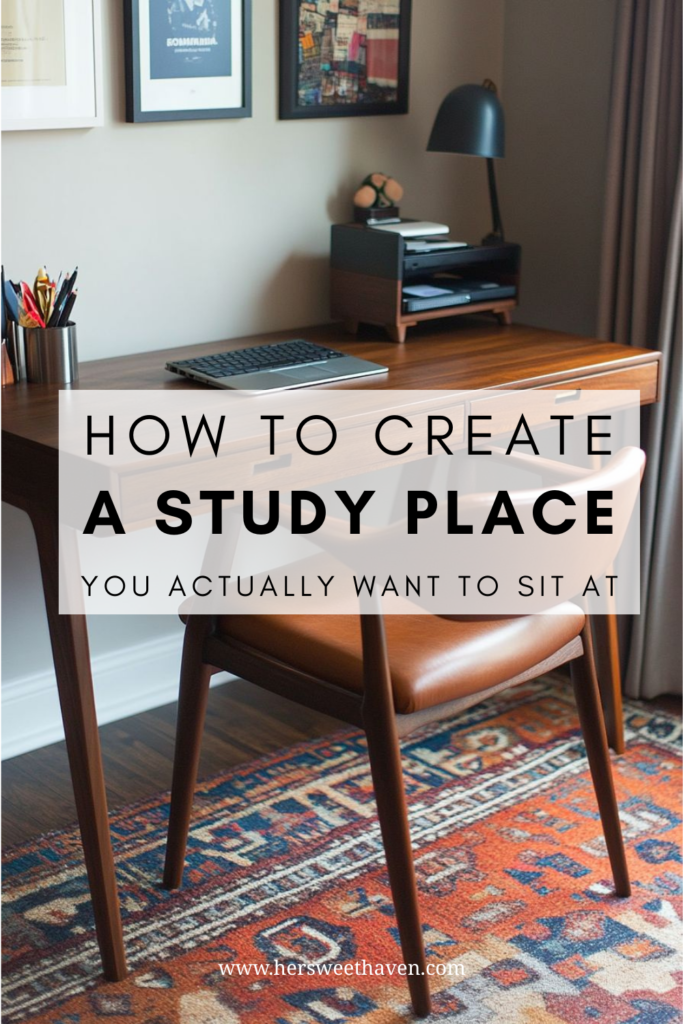
The Ergonomic Foundation of a Minimalist Study Table
Once you know what size desk your room can handle, you must prioritize your physical comfort. A workspace that causes you physical pain is entirely useless, no matter how beautiful it looks on social media. Ergonomics is the science of designing your environment to fit your body, and it is the foundation of any sustainable workflow.
The height of your study table is incredibly important. Most standard desks sit at about 29 to 30 inches off the floor. For the average person, this is slightly too high for comfortable typing. When you sit at your desk, your feet should rest flat on the floor, and your elbows should bend at a 90-degree angle when your hands are resting on your keyboard. If your desk is too high, you will naturally hike your shoulders up to reach your keyboard, leading to severe neck and back tension by the end of the day.
If you find a desk you absolutely love but it sits a bit too high, you must pair it with a highly adjustable chair and a supportive footrest. (You know when you are trying to ignore a stiff neck, but it slowly ruins your entire afternoon?) . We want to avoid that completely. Your monitor or laptop screen should sit exactly at eye level. Investing in a simple laptop stand or a monitor arm will save you from hunching over, completely changing how you feel after a long study session.
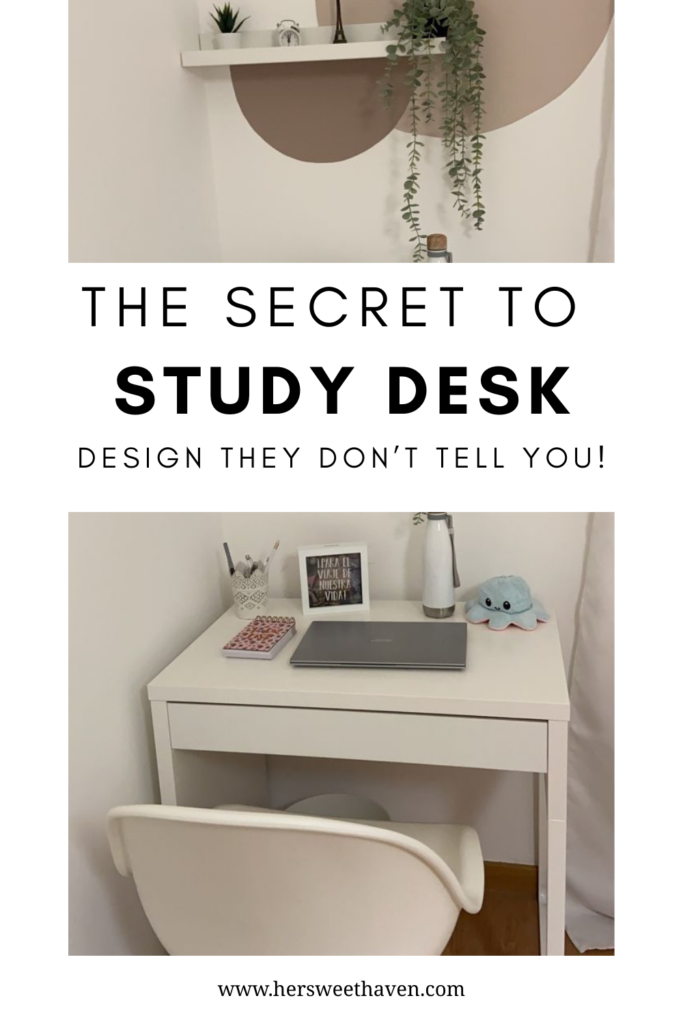
Cultivating a Clutter-Free Zone with Smart Storage
A beautiful desk quickly loses its charm if it becomes a dumping ground for household mail, random pens, and old receipts. The key to maintaining a peaceful environment is ruthless, intentional organization. We are not aiming for sterile perfection here; we want a space that feels lived-in but highly functional.
If you are a person who naturally accumulates clutter, you must choose a study table with built-in closed storage. A desk with two or three drawers allows you to sweep away the visual noise at the end of the day. Out of sight truly is out of mind. Use small bamboo or acrylic organizers inside those drawers to give every single item a dedicated home. When your highlighters, sticky notes, and paperclips have a specific resting place, you stop wasting precious mental energy hunting for them.
If you prefer a true minimalist study table without any drawers, you have to get creative with your storage solutions. A rolling filing cabinet tucked underneath the desk or a floating shelf mounted directly above your workspace can hold your essential supplies without eating into your valuable surface area. Keep only the items you use every single day on top of the desk. Everything else needs to be stored away.
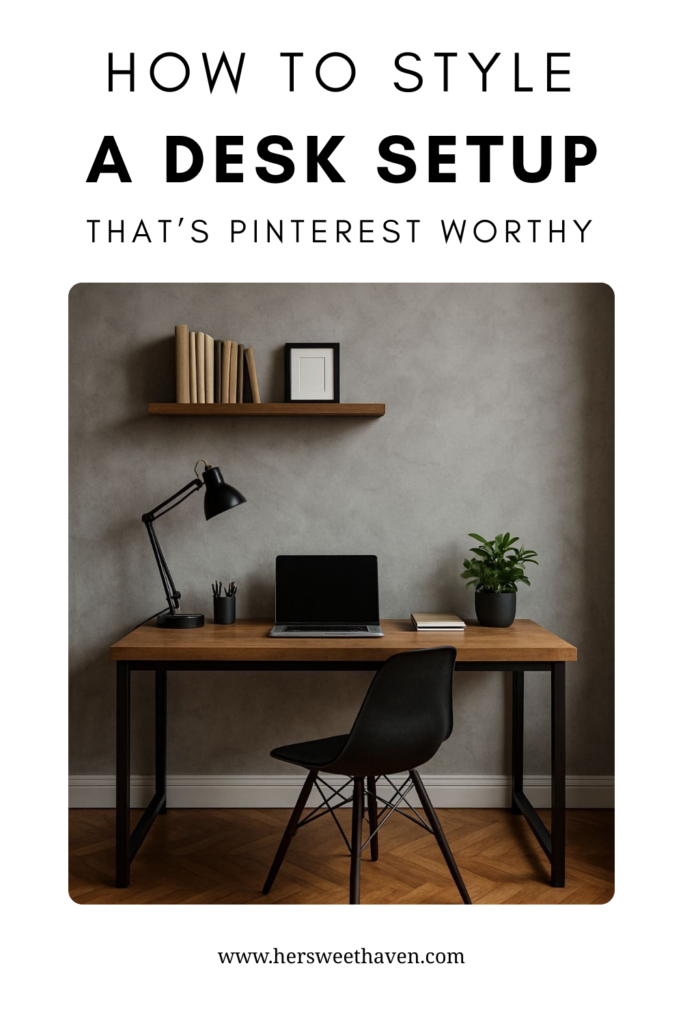
Styling Your Workspace for Joy and Focus
This is where the process becomes genuinely fun. Styling your study table is about injecting your unique personality into the space so that you actually want to spend time there. We are focusing on intentional, joyful living, not just maximizing your daily output.
Start with lighting. Overhead room lighting is often harsh and casts exhausting shadows across your work surface. You need a dedicated task light. A beautiful, adjustable desk lamp provides a warm pool of light exactly where you need it, reducing eye strain and creating a cozy, inviting atmosphere. If you can, position your desk near a window. Natural sunlight boosts your mood and keeps you alert, but make sure the window is beside you rather than directly behind your screen to avoid annoying glare.
Next, bring some life into your workspace. Adding a small, low-maintenance houseplant to your desk changes the entire feeling of the room. A resilient Pothos or a structural Snake Plant adds a pop of vibrant green and gives your eyes a place to rest when you look away from your screen.
Finally, add one or two personal items that inspire you. This could be a framed photograph of a great memory, a beautifully scented candle that you light when it is time to focus, or a ceramic mug made by a local artist to hold your pens. Keep these decorative items limited. Too many accessories turn into clutter, but a few carefully chosen pieces make the space feel deeply personal and comforting.
My Five Non-Negotiable Rules for a Peaceful Workspace
Over the years, I have spent countless hours rearranging my office, making mistakes, and figuring out what actually works. To help you skip the frustrating trial-and-error phase, I put together my own guiding principles for setting up a desk. Here are My Five Non-Negotiable Rules for a Peaceful Workspace:
- Hide the Cords Immediately: Tangled computer chargers and lamp wires look chaotic and create a sense of low-level anxiety. Grab a pack of reusable velcro cable ties and strap your cords to the back legs of your desk. It takes ten minutes and makes your setup look instantly clean.
- Establish a “Clear Surface” Policy: At the end of every work session, put your pens away, stack your notebooks, and wipe down the desk. When you return the next morning, you are greeted by a blank slate rather than yesterday’s mess.
- Invest in Your Chair: You can compromise on the price of your desk, but you must invest in your chair. Your physical health depends on it. Find something with solid lumbar support that you can sit in for hours without aching.
- Embrace Warm Lighting: Never use cold, blue-toned lightbulbs in your desk lamp. Swap them out for soft, warm white bulbs to make your desk feel like a welcoming sanctuary rather than a hospital waiting room.
- Keep a Coaster Handy: This sounds incredibly minor, but it matters. I once ruined a beautiful wooden desk finish by setting a sweating glass of iced coffee directly on it. Keep a nice stone or cork coaster on your desk at all times.

What to Look Out For: Desk Setup Do’s and Don’ts
To ensure you get the absolute most out of your new workspace, keep these clear guidelines in mind as you shop and style.
The Do’s
- Measure your doorways: Always ensure the desk you are buying will actually fit through the doorframes and stairwells of your home before you arrange delivery.
- Consider cable management features: Look for desks that have built-in grommet holes or hidden trays underneath to route your wires cleanly.
- Test the stability: A wobbly desk makes it impossible to concentrate. If you are buying in person, give the table a firm shake. If you are buying online, read the reviews specifically looking for mentions of stability.
- Add texture: Mix materials to make the space feel warm. Pair a sleek wooden desk with a textured wool desk pad or a soft leather mousepad.
The Don’ts (What to Look Out For)
- Don’t buy a glass desk if you hate cleaning: Glass desks look gorgeous in photographs, but they show every single fingerprint, dust speck, and coffee smudge. They require constant wiping.
- Don’t place your desk with your back to the door: This is a basic principle of interior flow. Sitting with your back to the entrance of a room naturally makes you feel on edge. Try to position your desk so you have a clear view of the doorway.
- Don’t ignore the flooring: If your desk is sitting on a delicate hardwood floor, you must protect it. Get felt pads for the table legs and a clear, protective mat for your rolling chair to avoid deep scratches.
- Don’t rush the process: You do not need to buy the desk, the chair, the lamp, and all the accessories in a single weekend. Advocate for incremental lifestyle changes rather than overwhelming overhauls. Take your time and collect pieces you genuinely love.
Your Desk, Your Rules
Creating a workspace that truly supports your daily goals requires a blend of careful planning, ergonomic awareness, and personal styling. By taking accurate measurements, prioritizing your physical comfort with the right chair and desk height, and implementing smart storage solutions, you build a solid foundation. From there, adding warm lighting, a touch of nature, and meaningful personal items transforms a basic table into a sanctuary for focus. Remember, the goal is to build an environment that makes your daily tasks feel just a little bit easier and a lot more enjoyable.
Setting up in a dorm instead? Here’s how to actually decorate your dorm room. And for the hours you’d rather read than study, these reading nook ideas make the coziest corner.




Leave a Reply