
It turns out that a small garden isn’t a limitation; it’s an opportunity to get really intentional with every single square inch. Whether you have a narrow side yard, a tiny patio, or just a few feet of grass, you can create a space that feels lush, functional, and private. In this post, I’m going to walk you through how to transform your tiny yard into a dream retreat. We’ll talk about how to use vertical space, how to create „rooms” in a small area, and why choosing the right furniture makes all the difference. By the end of this, you’ll see your small yard as the perfect canvas for something beautiful.
Creating Zones to Make a Small Space Feel Huge
One of the biggest mistakes I made when I first started gardening was trying to keep everything open because I thought it would make the yard look bigger. Actually, the opposite is true. When you can see the whole yard in one glance, it feels small. If you break it up into „zones” or „rooms,” your brain perceives it as a much larger experience.
The Power of the Living Room Zone
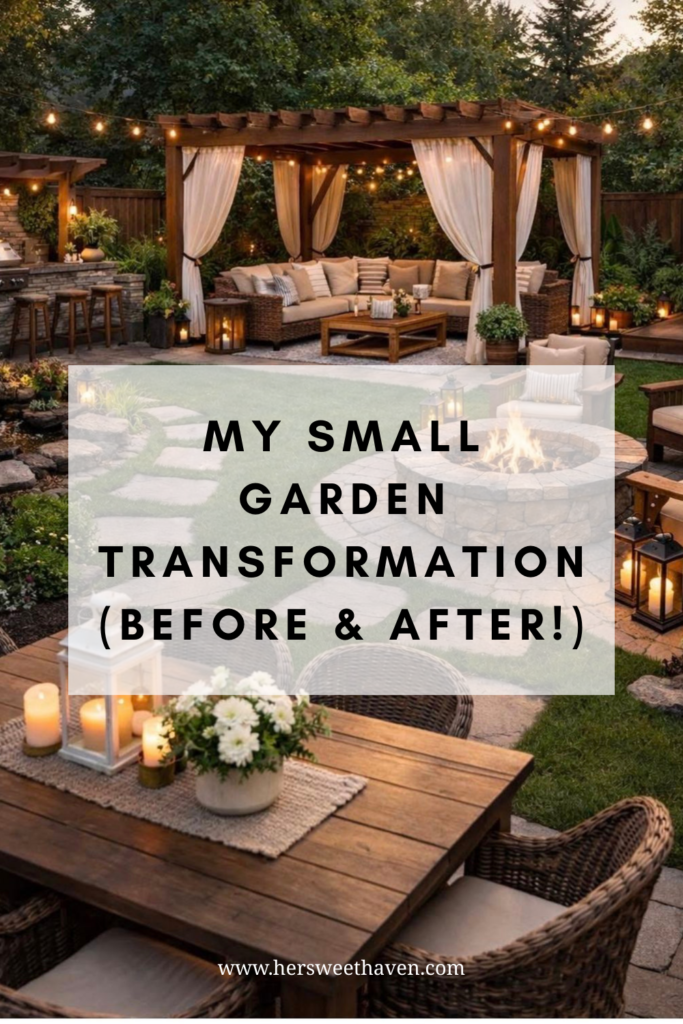
In my own yard, I started by creating a dedicated seating area that feels like an extension of my house. If you look at the way modern outdoor spaces are designed, they often use a deck or a stone patio to ground a seating set. I love using a sectional sofa tucked into a corner because it maximizes seating without cluttering the middle of the yard. By placing a cozy rug down and adding some plush pillows, you’re telling yourself (and your guests) that this is a place to linger, not just a transition area to get to the back fence.
Dining and Cooking Areas
Even in a tiny yard, you can usually squeeze in a spot for a grill and a small bistro table. The trick is to keep these areas distinct. I use different materials on the ground to signal a change in the „room.” For example, you might have a wooden deck for your lounge area and then transition to large stone pavers for the path leading to your dining spot. This visual „break” in the flooring helps the eye recognize that you’ve moved from one functional space to another, which makes the yard feel like it has more „territory” than it actually does.
Designing for Flow
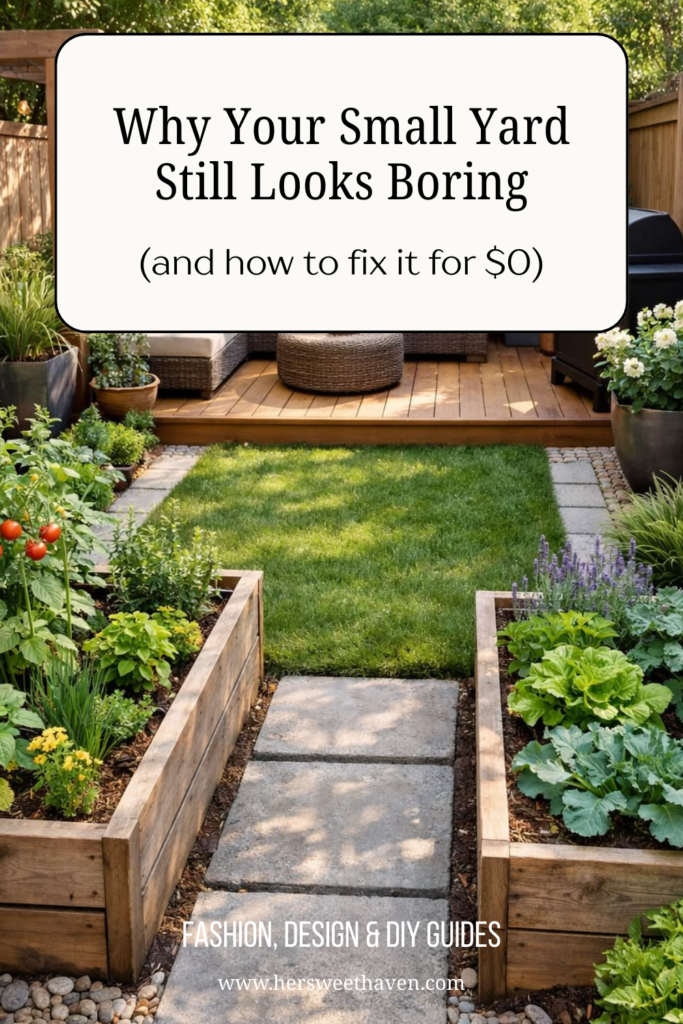
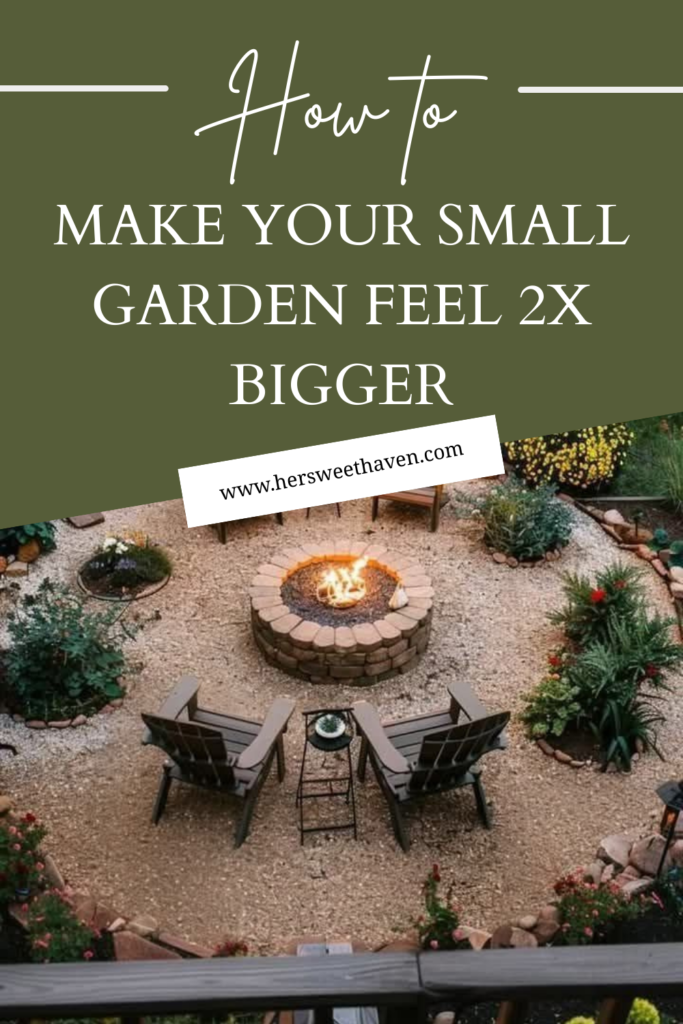
Paths are your best friend in a small garden. I used to think a path was a waste of space, but a winding stone walkway actually creates a sense of journey. Even if the path only leads ten feet to a fire pit, the act of following a trail makes the garden feel like a destination. You can line these paths with low-growing herbs like thyme or lavender so that every time you walk through, you get a hit of that amazing scent. It’s all about creating those micro-moments that make the space feel rich and curated.
Building Up Instead of Out
When you run out of floor space, the only way to go is up. Vertical gardening is the secret weapon for anyone with a tiny yard. I started doing this because I wanted a vegetable garden but didn’t have room for traditional rows, and it completely changed the „vibe” of my space.
Trellises and Green Walls
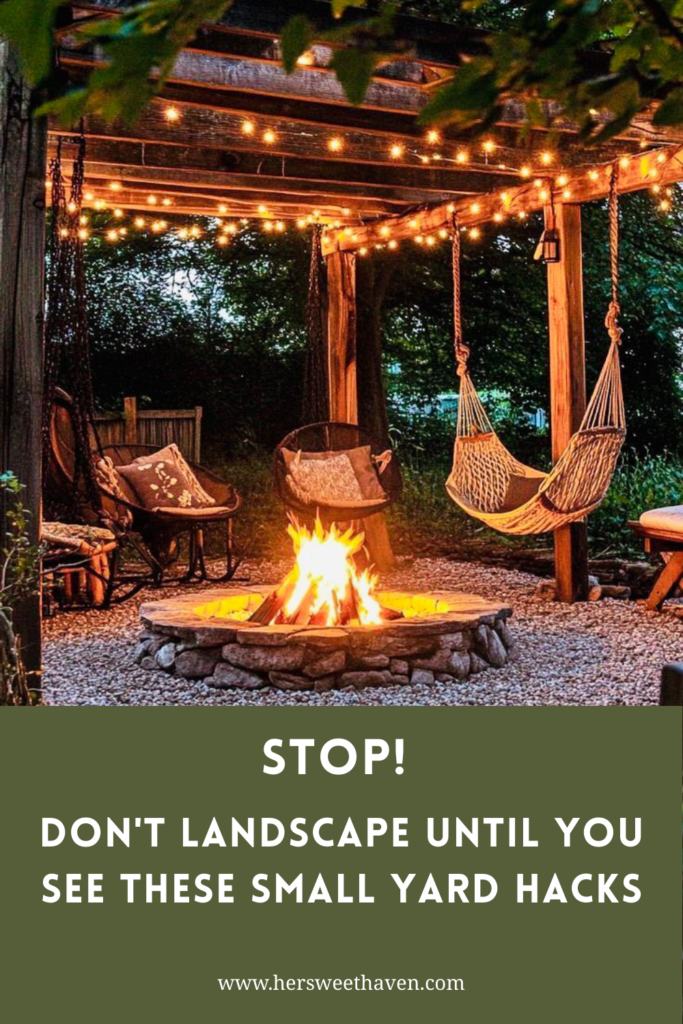
Using a pergola or a trellis isn’t just for looks; it’s a structural necessity in a small garden. You can grow climbing roses, jasmine, or even clematis up a wooden frame to create a living wall of green. This provides two huge benefits. First, it gives you privacy from neighbors without needing a giant, imposing fence. Second, it draws the eye upward, which makes the entire yard feel taller and airier. I’ve found that a simple wooden pergola with some string lights draped across it adds so much architectural interest that you barely notice how small the actual footprint is.
Raised Beds and Tiered Planting
If you want to grow food but don’t want to lose your lawn, raised beds are the way to go. I personally love placing them along the perimeter of the yard. By building wooden boxes that are about eighteen inches high, you create a clean, organized look that keeps your „messy” plants contained. You can even build benches into the sides of the raised beds to save on furniture space. In my garden, I use these beds for kale, lettuce, and tomatoes. It’s so satisfying to walk out and pick a salad from a garden that fits in a space no bigger than a parking spot.
The Magic of Hanging Elements
Don’t forget the space above your head. Hanging chairs or hammocks are incredible for small yards because they don’t take up any floor „visuals.” A woven hammock chair hanging from a sturdy beam or a large tree branch feels much lighter than a bulky wooden chair. Plus, there is something so relaxing about swinging gently while looking at your plants. I also love hanging lanterns or „fairy lights” from the roof of a pergola. This „ceiling” of light makes the garden feel like a cozy, enclosed room at night, which is exactly when most of us want to use our outdoor spaces anyway.
Choosing a Cohesive Material and Plant Palette
In a small space, „less is more” is a rule you have to live by. If you have ten different types of stone, five different wood stains, and every color of the rainbow in your flowers, the yard is going to look cluttered and stressful.
Stick to a Color Story
I found that by sticking to a neutral color palette for my „hardscaping” (the patio, fences, and furniture), the greenery of the plants really gets to shine. I love using light-colored woods like cedar and pairing them with grey or tan stones. This keeps the space feeling bright and open. For the plants, try picking two or three main colors. I usually go with whites, purples, and deep greens. This consistency creates a sense of peace. When everything matches, the boundaries of the yard seem to fade away, making the space feel more like a cohesive „world” of its own.
Texture Over Quantity
Instead of trying to fit in as many plants as possible, focus on plants with interesting textures. I like to mix soft, feathery grasses with broad-leafed hostas or structural evergreens. This variety keeps the garden looking interesting even when nothing is in bloom. In a tiny yard, you’re going to be seeing these plants up close every single day, so choosing things that look good year-round is really important. I always suggest including at least a few „evergreen” shrubs so your garden doesn’t look like a graveyard in the winter.
Lighting for Mood and Depth
Lighting is the final touch that makes a small garden feel „high-end.” I’m a huge fan of layering your lights. You want „task lighting” for the grill, but you also want „mood lighting” for the seating area. Using small solar-powered uplights at the base of your trees or large plants can create beautiful shadows on your fences, which adds a lot of depth to the yard at night. It makes the garden feel like it goes on forever into the darkness. Just remember to keep the lights warm and soft; nobody wants to sit in a backyard that feels like a brightly lit parking lot.
My Best Tips for a Successful Small Garden
I’ve learned a lot of lessons the hard way (usually involving a shovel and a lot of sweat), so I want to share a few pro tips to save you some time and money.
- Think About Scale: Before you buy that giant outdoor dining set, measure your space. In a small yard, „oversized” furniture is the enemy. Look for „apartment-sized” outdoor sets or furniture that is „low-profile.” The more of the ground you can see under your furniture, the bigger the yard will feel.
- Privacy is Priority: You won’t use your garden if you feel like the neighbors are watching you eat your dinner. Use tall, thin plants like bamboo (in pots!) or arborvitae to create a „green screen.” It feels much friendlier than a tall wooden wall.
- Use Mirrors: This sounds weird, but I’ve seen people put weather-proof mirrors on their back fences, and it’s a total game-changer. It reflects the plants and light, making it look like there is a „secret garden” through a window.
- Keep it Tidy: In a large yard, a few weeds or a pile of pots don’t matter much. In a tiny yard, clutter is very obvious. Make sure you have a hidden spot for your garden tools and hose so they don’t distract from the beauty you’ve created.
- Focus on the Senses: Since you’re in a small space, you can really lean into the sensory details. Plant jasmine for the smell, use gravel for the „crunch” sound under your feet, and add a small water feature to mask the sound of city traffic. These small things make the garden feel like a luxury retreat.
Executive Summary
Designing a small garden for a tiny yard is all about being smart with your space and focusing on the details. By creating distinct „rooms,” utilizing vertical space with trellises and hanging chairs, and sticking to a cohesive color palette, you can transform even the smallest dirt patch into a lush sanctuary. Remember that the goal isn’t to have the „biggest” yard, but the most „meaningful” one. Start small, pick one corner to improve this weekend, and see how much joy a little bit of green can bring to your life. I’d love to hear about your small-space wins, so leave a comment and let me know what you’re working on!