

I used to think my entryway was just the place where mail went to die and shoes went to multiply. For years it was a mess. I’d walk in after a long day, trip over a stray sneaker, and immediately feel stressed before I’d even taken my coat off.
Then it clicked. This tiny space is the first thing I see when I get home, and the first thing anyone sees when they visit. It’s the handshake of your house. And mine was giving people a limp, sweaty one.
Here’s the good part: fixing it doesn’t take a renovation or a designer’s budget. It takes a few smart choices about your table, your storage, and where things actually land. These welcoming entryway ideas will walk you through all of it, from the mistakes quietly wrecking the space to the small-hallway fixes nobody tells you about. Let’s make your front door earn its keep.
Why Your Entryway Matters More Than You Think
We pour all our decorating energy into the living room and the kitchen. Meanwhile the entryway, the space that literally sets the mood for everything else, gets ignored.
Think about it this way. When a guest walks in and immediately sees a table buried under mail and a pile of shoes by the door, that chaos becomes their first read on your whole home. A calm, put-together entry does the opposite. It quietly says “I was expecting you, and I’m glad you’re here.”
And it’s not just about guests. It’s about you. The entryway is a magnet for stuff: keys, bags, dog leashes, that one receipt you swear you’ll need. Without a system, it turns into a dumping ground in about five minutes flat. That’s not a discipline problem, it’s a design problem. Stuff needs somewhere to go, and when there’s no somewhere, the floor volunteers.
The ripple effects are real, too. Ten minutes hunting for your keys every morning. Sunglasses that vanish for weeks. The low-grade dread of hosting when the first thing people see is the mess. Fix this one small zone and the whole house feels more intentional, even if nothing else changed.
The 5 Entryway Mistakes That Make It Feel Cluttered
I’ve made every single one of these, so no judgment here. If your hallway feels off no matter how much you tidy, one of these is probably why.
Picking fashion over function. We all want the Pinterest look, but if you can’t find your keys, the decor isn’t working. I once bought the cutest tiny key bowl that was so small the keys constantly spilled out. Beautiful. Useless. The best entryways balance looks with real life.
Ignoring lighting. A single harsh overhead bulb makes even a pretty space feel cold. A small table lamp or a couple of wall sconces adds a warm glow that pulls people into the home instead of leaving them lingering by the door.
Choosing the wrong scale. This is the big one. Interior designers consistently flag wrong-scale furniture as one of the top entryway mistakes. Too big and the hall feels cramped. Too small and the piece looks like an afterthought.
No home for daily items. If your keys, wallet, and sunglasses don’t have a specific spot, they spread across the surface like a slow-motion explosion. A tray or a small bowl fixes it instantly.
Going too sterile. On the flip side, a space with zero personality feels like a furniture showroom. A stack of books you love or one quirky vintage find makes it read as a real home. Don’t be afraid to show yourself a little.
Pick the Right Table (and Measure Before You Buy)
Here’s where most people go wrong: they fall in love with a table, buy it, then spend a year turning sideways to squeeze past it. The tape measure decides everything, and two minutes of measuring beats two months of regret.
The one measurement that runs the show
You need about 36 inches of clear walking path after the table is in place. Console placement guides treat that as the golden rule, so the formula is dead simple: hallway width minus 36 equals your maximum table depth.
A 48-inch entry handles a 12-inch-deep table comfortably. A 46-inch entry wants 10 inches or less. And if the math leaves you under 8 inches, skip the freestanding table entirely (more on that below). For tight spaces, look in the 8-to-12-inch depth range. A console size guide puts the functional minimum around 10 inches, which still fits a tray, a lamp, and your keys.
Height is friendlier: 30 to 33 inches works for most spaces, roughly counter height. And for length, aim for about two-thirds of the wall it sits on. Two-thirds looks intentional every time.
Styles that actually work in a small space
Visual weight matters as much as real size. Open-frame metal or thin-leg wood tables let light and floor show through, which keeps a narrow hall from feeling stuffed. Glass tops practically disappear. The two-tier console is my personal favorite, and roundups of small entryway table ideas back me up: pretty on top, practical below.
Skip chunky legs, closed cabinet bases, and ornate carving. Heavy-looking furniture shrinks a room faster than actual clutter does. One quiet power move for tight entries: match the table to your wall color so it melts into the background and the hall reads longer.
Budget-wise, this is a friendly category. Slim open-frame consoles start around $40 to $80, and thrift stores are full of skinny hall tables one coat of paint away from perfect (your wallet will thank you).
What should actually go on an entryway table?
Less than you think. You need an anchor piece on the wall behind it, usually a mirror, since it bounces light, opens up the space, and gives you a last-second outfit check. Styling experts suggest a mirror roughly two-thirds the width of your table for the best balance.
Then a lamp for warmth, a bit of greenery for life, and a tray for the daily stuff. Keep the whole thing to three to five pieces total and you’re done.
Style It Like a Designer in 3 Easy Steps
You don’t need a design degree to get the high-end look. Stylists lean on a few simple tricks anyone can copy.
First, start with your anchor: the table, bench, or rug that defines the zone. Second, add a focal point above it, a mirror or piece of art that draws the eye up. Third, layer in the details with varied heights.
That third step is where the magic lives, and there’s a formula for it. Place your three main items (tall, medium, short) so they form a triangle when you look at them straight on. This visual triangle keeps your eye moving across the arrangement instead of snagging on one spot. Tall lamp or vase on one end, medium piece on the other, something small in the middle. Layered and intentional, every time.
Two more designer habits worth stealing: group things in odd numbers (three objects at different heights beat two stiff matching ones), and make every item pull double duty. A tray that also holds keys. A basket that also stores scarves. Books you actually like, stacked to add height under a little plant. When everything works and looks good, the space feels smart instead of staged.
How do you keep it from becoming clutter again?
Give every daily item a contained home and the rest takes care of itself. Keys and wallet in the tray. Loose change in a little lidded bowl. Mail into a slim wall-mounted organizer so paper never piles on the surface.
Then adopt the one-in, one-out rule. If something new lands on the table, something else has to leave. And once a week, spend two minutes clearing anything that isn’t supposed to live there. Small surfaces can’t absorb “I’ll just set this here for now,” because in an entryway, for-now is forever.
No Room for a Table? Go Vertical
If your math came back under 8 inches, don’t force it. You’re not table-less, you’re just going up the wall. (No power tools beyond a drill, promise.)
A floating shelf at table height is a console with zero footprint. Six inches deep holds a tray, mail, and a small plant, and your hip will never find a corner in the dark again. Mount it at that same 30-to-33-inch height, hang a mirror above it, add a basket on the floor beneath for shoes, and from three feet away it reads as real furniture. A folding wall-mounted table is the clever upgrade for renters: flip it down when you need a surface, flat against the wall when you don’t.
Console or floating shelf, which should you pick?
If you’ve got at least 36 inches of width and want storage and a grounded, substantial look, go console. A warm-wood table with a basket underneath works beautifully in farmhouse and transitional homes.
If your hallway is truly tight or you’re renting and can’t commit to big furniture, go floating shelf. It keeps the floor clear and the space open. Either way the styling rules don’t change: anchor piece, varied heights, odd numbers, clean surface.
And if even a shelf feels like too much, build the no-table entry kit instead: a mirror for light and last looks, a row of sturdy hooks for coats and bags, a wall tray for keys, and a slim boot tray on the floor. That combo does everything a console does, in a spot where a console physically can’t fit. Function first, furniture optional.
Easy Budget Makeover Touches
None of this needs to cost much. I’m a big fan of shopping my own house first, then adding one or two small things.
Paint is your best friend. A fresh coat on your inner front door or a small accent wall shifts the whole mood. I painted mine a soft sage green once, and I smiled every time I left the house. It ran me about $20 and half a Saturday.
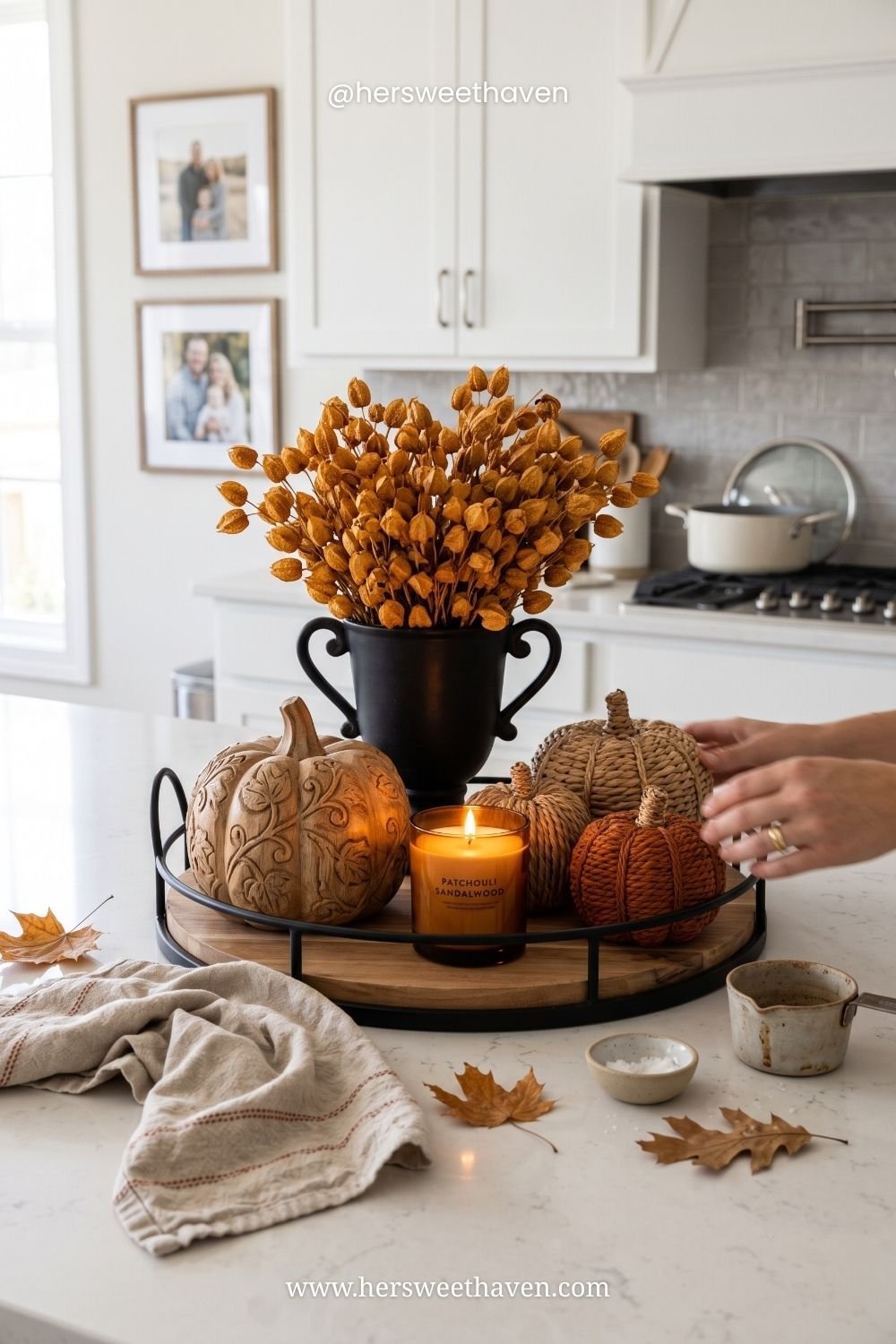
Swapping tired hooks or drawer pulls for matte black or brushed gold makes cheap furniture look expensive. Seasonal swaps keep things feeling fresh: light linens and flowers in spring, warm textures and dried branches in fall, same furniture, different accessories. And don’t sleep on scent. A candle or diffuser near the door is the ultimate welcome, the thing guests feel before they can even name it.
Start With the Tape Measure Tonight
If you do one thing after reading this, make it this: measure your hallway width tonight, subtract 36, and let that number boss you around at the store. It’s the whole difference between a table that serves you and one you sidestep for years.
Already have a table? Then here’s your 20-minute reset. Clear everything off, wipe it down, and put back exactly three things: one tall (lamp or vase), one medium (a plant or object you love), one flat (a tray or stack of books). Step back. That’s a designer-level entry, done before your coffee gets cold.
Your entryway is the smallest space in your home with the biggest say in how it feels. Give it twenty minutes this weekend, and let your front door start greeting you the way it should.
Leave a Reply