

I want you to know that you don’t need a massive budget to create a beautiful, productive garden. In this guide, I am going to walk you through exactly how I built my own raised beds without breaking the bank. We will talk about sourcing affordable materials, planning your layout for maximum yield, and the little tricks I used to keep costs down while keeping the quality high. By the time we are done, you will have a clear, step-by-step plan for turning your outdoor space into a garden full of homegrown food.
Sourcing Cheap or Free Materials
When I first started researching, I realized the biggest cost by far is the wood. If you walk into a big-box store and buy cedar planks, you’ll be out hundreds of dollars before you even buy a bag of soil. I had to learn how to look at “trash” as potential treasure. One of my favorite ways to save is by looking for untreated construction-grade heat-treated (HT) pallets. You can often find these for free behind local businesses. Just make sure they have the “HT” stamp so you know they haven’t been sprayed with nasty chemicals.
Another secret I found is checking the “cull lumber” rack at hardware stores. These are the boards that are slightly bowed or have a knot that makes them “unfit” for professional builders, but for a garden bed? They do the job well. I once found enough wood for two full beds for about twenty dollars just by digging through those discounted piles. If you want something even more rustic and essentially free, look for fallen logs or thick branches on your property or a neighbor’s. Stacking these in a “Hugelkultur” style creates a natural, raised mound that holds moisture beautifully and costs absolutely nothing.
I also highly recommend checking online marketplaces or community groups. You would be surprised how many people have leftover materials from a fence project or a deck renovation that they just want out of their driveway. I managed to snag a pile of corrugated metal scraps this way, which I used to line the inside of my wooden frames. It adds a cool, industrial look while protecting the wood from rotting quite so fast. Remember, your garden doesn’t have to look like a showroom on day one; it just needs to be a sturdy home for your plants.
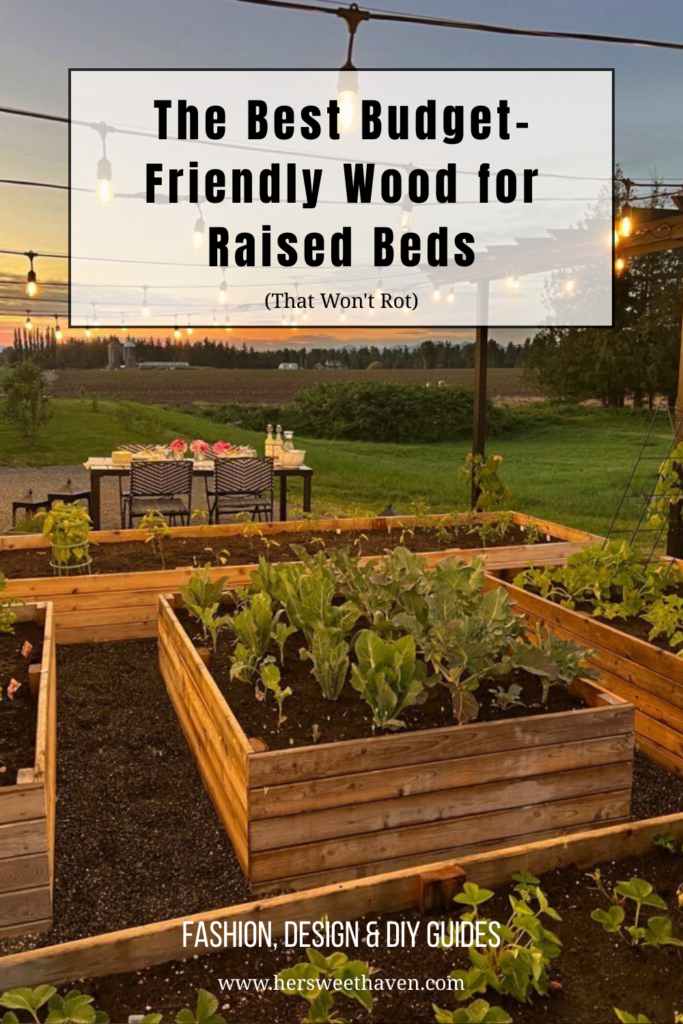
Planning Your Layout for Maximum Harvest
Once I had my materials, I realized I couldn’t just plop them anywhere. I had to think about the “world” my plants were going to live in. I spent a few days just watching how the sun moved across my yard. Most vegetables need at least six to eight hours of direct sunlight, so I made sure to position my beds to get the most out of the day. I also thought about how I would move between the beds.
One mistake I see a lot of people make is building their beds too wide. I keep mine around three or four feet wide so I can easily reach the middle from either side without ever stepping on the soil. Stepping on your garden soil packs it down, which makes it harder for roots to breathe and grow.
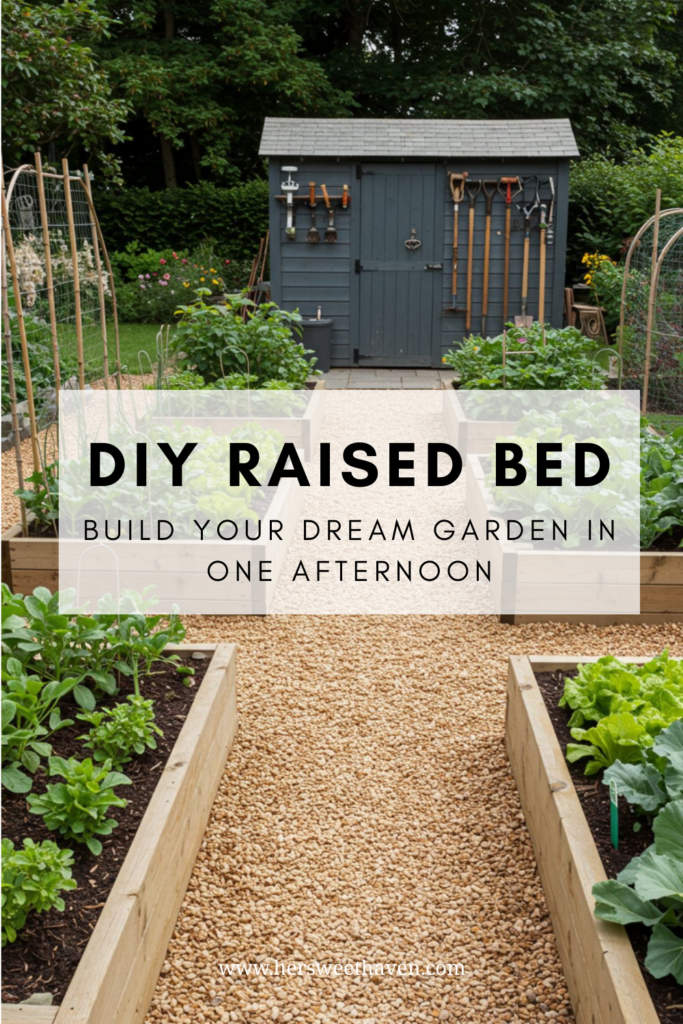
I also love to use vertical space to save money and room. In one of my favorite setups, I built a simple wooden trellis between two beds using just a few long stakes and some twine. This allowed me to grow cucumbers and pole beans upward, leaving the floor of the bed free for lower plants like lettuce and radishes. It’s like adding an extra floor to an apartment building. You get way more “rent” out of the same square footage.
Don’t forget about the paths between your beds, too. Instead of buying expensive paving stones, I used wood chips that a local tree service dropped off for free. It keeps the weeds down, stays muddy-free in the rain, and smells like a forest every time I walk out there. It creates such a warm, intentional space that makes me want to spend my mornings out there with a coffee. Seeing the layout come together is one of the most rewarding parts because you start to see the “proof” that your hard work is paying off.
Filling the Beds Without Emptying Your Wallet
The biggest shock for me wasn’t the wood; it was the soil. If you try to fill a raised bed entirely with bagged potting mix from the store, you will spend a fortune. I had to find a better way to fill that “space”. That is when I discovered the “lasagna gardening” or “sheet mulching” method. Instead of filling the whole bed with expensive soil, I filled the bottom half with bulky, organic materials I already had.
I started with a thick layer of cardboard on the very bottom to smother any grass or weeds. Then, I added layers of small sticks, dried leaves, grass clippings, and even old kitchen scraps. Over time, these materials break down into rich, black soil. For the top six to eight inches, which is where the roots actually live during the first season, I used a mix of compost and a little bit of topsoil I bought in bulk from a local landscaping yard. Buying soil by the “yard” in a truck is almost always cheaper than buying it by the bag.
If you have a local farm nearby, you can often get aged manure for very little money, or sometimes even for free if you are willing to shovel it yourself. Just make sure it is “aged” or “composted” so it doesn’t burn your tender seedlings. Mixing this in provides a huge “boost” of nutrients that your plants will love. By using these layers, I probably saved over a hundred dollars on soil alone for my first three beds. Plus, as that organic matter on the bottom breaks down, it actually feeds your plants for years to come.
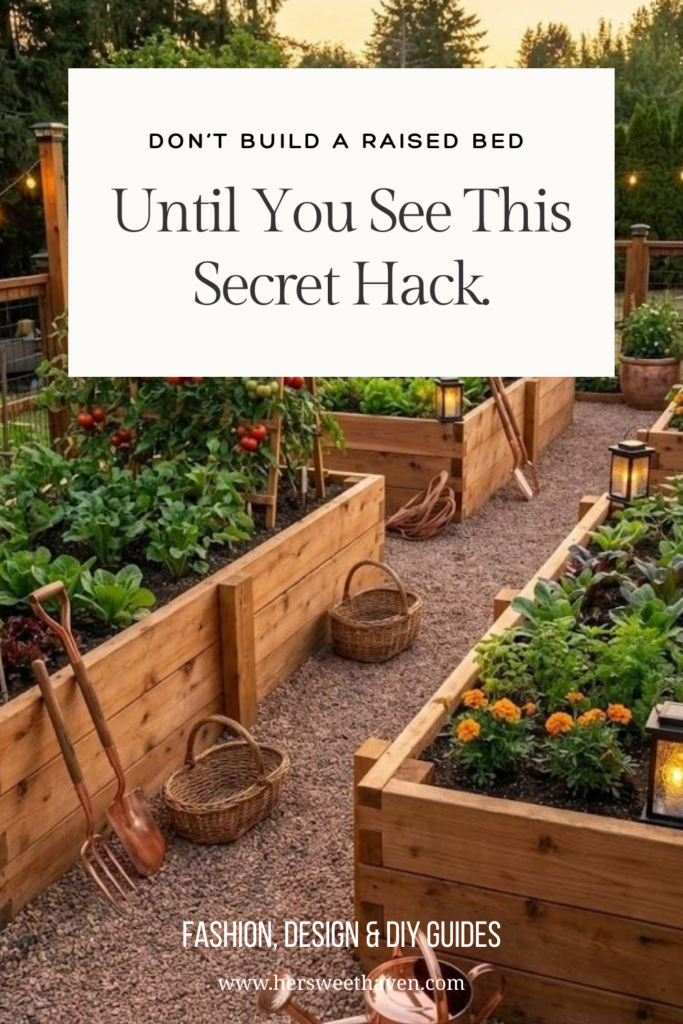
Lighting and Extras: Creating a Space You Love
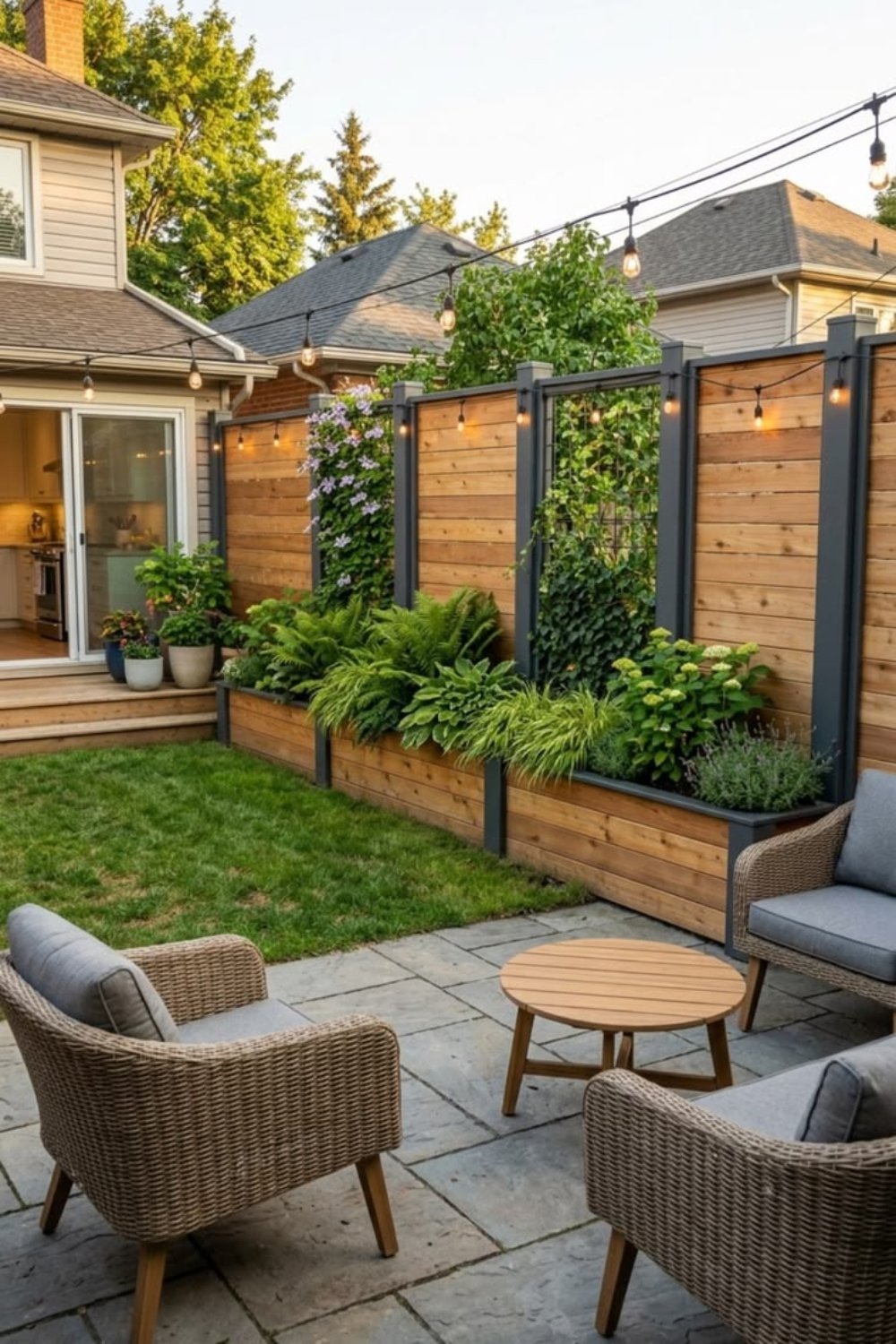
Once the beds were built and filled, I realized that I wanted my garden to be more than just a place to grow food. I wanted it to be a place where I could relax after a long day. I found some very affordable string lights at a thrift store and draped them over the fence behind my beds. It transformed the whole vibe of the yard, making it feel like a private outdoor bistro.
I also added a few simple solar lanterns that I tucked into the corners of the beds. They don’t cost anything to run and they give the garden a magical glow at night. For the plants themselves, I tried to “help” my budget by starting as many things from seed as possible. Buying a six-pack of starts for five dollars adds up fast, but a three-dollar packet of seeds can give you dozens of plants. I even started swapping seeds with friends and neighbors, which is a great way to try new varieties without spending a dime.
I also try to make the work of gardening feel like a treat rather than a chore. I keep a small, weather-proof basket near my back door with my favorite gloves and a pair of hand pruners. Having everything ready to go makes it so much easier to pop out for five minutes to pull a few weeds or harvest some basil for dinner. When your garden is beautiful and accessible, you are much more likely to keep up with it.
My Best Advice for Your Garden Journey
If I could sit down with you and give you one big piece of advice, it would be this: don’t wait for everything to be just right. My first beds were a little bit wonky, and the wood didn’t match exactly, but the tomatoes didn’t care one bit. They grew just as tall and tasted just as sweet as if they were in a designer garden.
Here are a few pro tips I’ve picked up along the way that you can use right now:
- Check the hardware: Use exterior-rated screws so your beds don’t fall apart after one rainy season. It’s a small extra cost that saves a lot of headache later.
- Line the bottom: If you have burrowing critters like gophers or moles, staple a layer of hardware cloth (metal mesh) to the bottom of your frames before you fill them with soil.
- Start small: It’s better to have one or two beds that you can manage well than five beds that become overgrown with weeds because you ran out of time or energy.
- Talk to your neighbors: Gardeners are some of the most generous people I know. Often, someone nearby has extra seeds, tools, or even plants they are thinning out that they would be happy to give you.
- Watering matters: If you can, set up a simple soaker hose system early on. It saves so much time and ensures your plants get a deep, “smooth” drink right at the roots.
Most importantly, enjoy the process. There is something so healing about putting your hands in the dirt and watching a tiny seed turn into a meal for your family. It is a big change for your lifestyle, but it’s one that brings so much peace and joy.
Start Small, Grow From There
Building raised garden beds on a budget is completely doable if you are willing to get a little creative with your materials and layout. By sourcing reclaimed wood, using the “lasagna” method to fill your beds, and starting from seed, you can save hundreds of dollars while creating a productive and beautiful backyard oasis. Remember to focus on the journey and don’t be afraid of a few imperfections along the way. I would love to hear about your garden plans!
Thinking of adding hens to the garden? These chicken coop ideas keep the flock safe and the yard pretty.


Leave a Reply