

Grandma core is not about clutter. It is about a specific kind of purposeful warmth that prioritizes comfort over clinical perfection. In simple terms, it is the art of making a modern house feel like an heirloom. This style is perfect for anyone who loves high-end aesthetics but lives on a real-world budget. Let’s look at how you can build this look from the ground up using nothing but thrifted finds and a bit of strategy.
What Exactly Defines a Grandma Core Kitchen?
Village kitchen ideas start with a shift in mindset. Most modern designs focus on hiding everything away behind sleek, handle-less cabinets. Grandma core does the exact opposite. It celebrates the tools of the trade. Think of it like a working pantry where every item is both useful and beautiful.
This aesthetic relies on “warmth” through history. It is about finding items that have already lived a life. When you walk into a village-style kitchen, you should see evidence of baking, tea-making, and slow Sunday mornings. It is the antithesis of the “sad beige” trend that has dominated the last few years. Instead of cold surfaces, we use wood, stone, and aged metals.
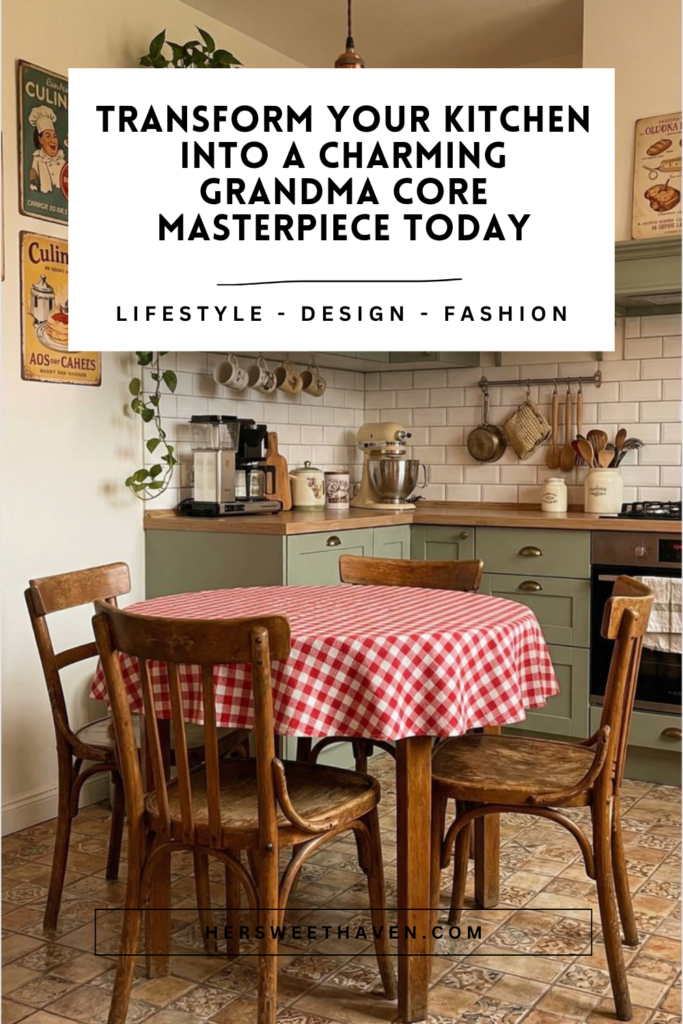
A village kitchen should feel like it has a story to tell.
To start, focus on the “bones” of the room. You want a foundation that feels permanent. This means moving away from mass-produced plastic finishes and leaning into natural materials. Even if you have a standard rental kitchen, you can add these layers through clever styling and vintage finds.
The Village Color Palette: Beyond Basic Beige
If you want to master village kitchen ideas, you have to get the colors right. Most people default to bright white, but that can feel too clinical for this look. Look for “buttermilk” or “clotted cream” tones instead. These shades provide a softer backdrop for your vintage accessories.
Sage green and dusty blues are also staple colors for this aesthetic. According to Better Homes & Gardens, warm-toned neutrals help a room feel more grounded and inviting. You can easily update your space by painting your existing cabinets. If you are unsure about which direction to go with your cabinetry, read my guide on choosing kitchen cabinets before you commit to a color.
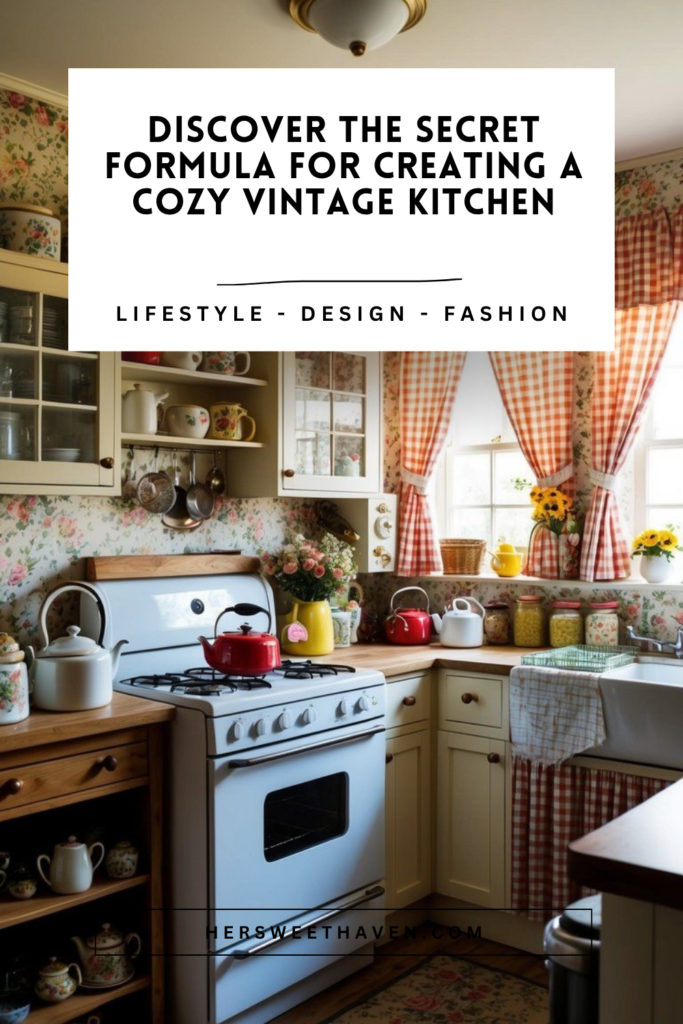
The right palette creates a foundation for all your vintage treasures.
Don’t worry about matching your wood tones. In a real village kitchen, things were added over decades, not all at once. A pine table can live perfectly next to a dark oak hutch. This “mismatched” approach is what creates the effortless character we are after.
Thrifting for Character: Your Vintage Accessory Hunt
Thrifting is the secret weapon for anyone on a budget. You can find high-quality stoneware and copper at local flea markets for a fraction of the price you would pay at a high-end boutique. Here is the thing: you have to look for the “patina.”
When you are out hunting, look for:
- Solid copper pots with some wear.
- Hand-thrown ceramic bowls and pitchers.
- Wooden spoons with different grains.
- Aged brass hardware for your drawers.
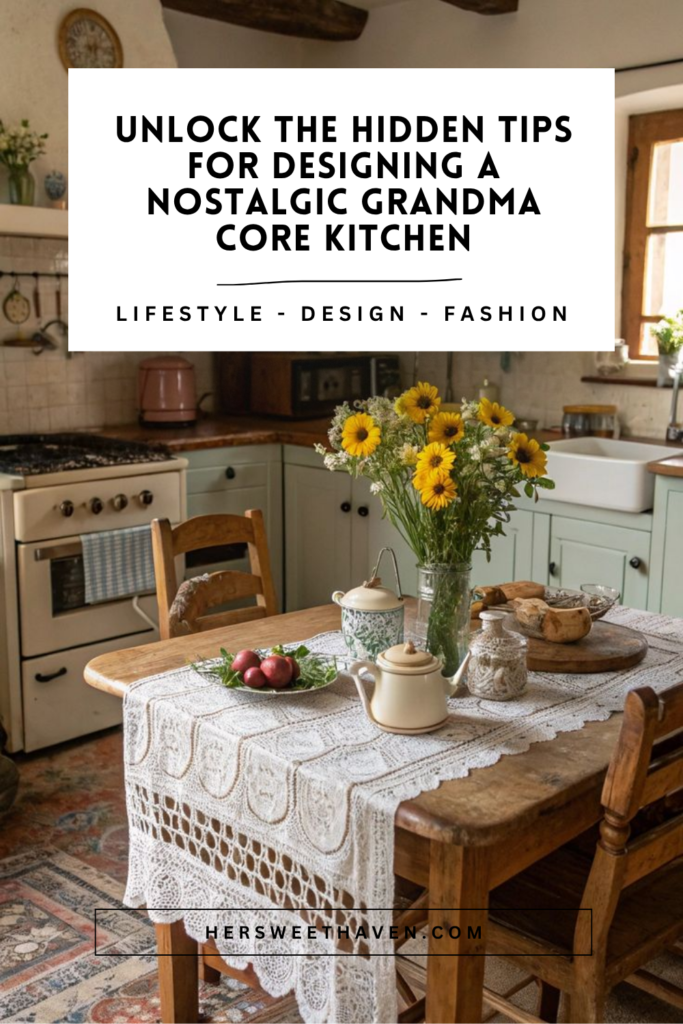
Thrifted finds bring a level of soul that new items simply can’t mimic.
These items bring a sense of history into the room. The Spruce notes that aged copper is one of the best ways to add instant warmth to a kitchen. Plus, these materials are incredibly durable. They were made to last for generations, which is much more sustainable than buying cheap modern alternatives.
Texture and Textiles: The Secret to Cozy Kitchens
Softening the hard lines of a kitchen is essential for the Grandma core look. Most kitchens are full of cold surfaces like tile, stone, and metal. To balance this, you need to introduce textiles. This is where you can really lean into the “Grandma” side of the aesthetic.
Linen cafe curtains are a fantastic way to add privacy without blocking light. Look for floral patterns or simple ticking stripes. You can also use rugs to define the space. A vintage runner in front of the sink adds a layer of comfort and color. Think of it as a way to extend the cozy retreat vibes from your bedroom into your cooking space.
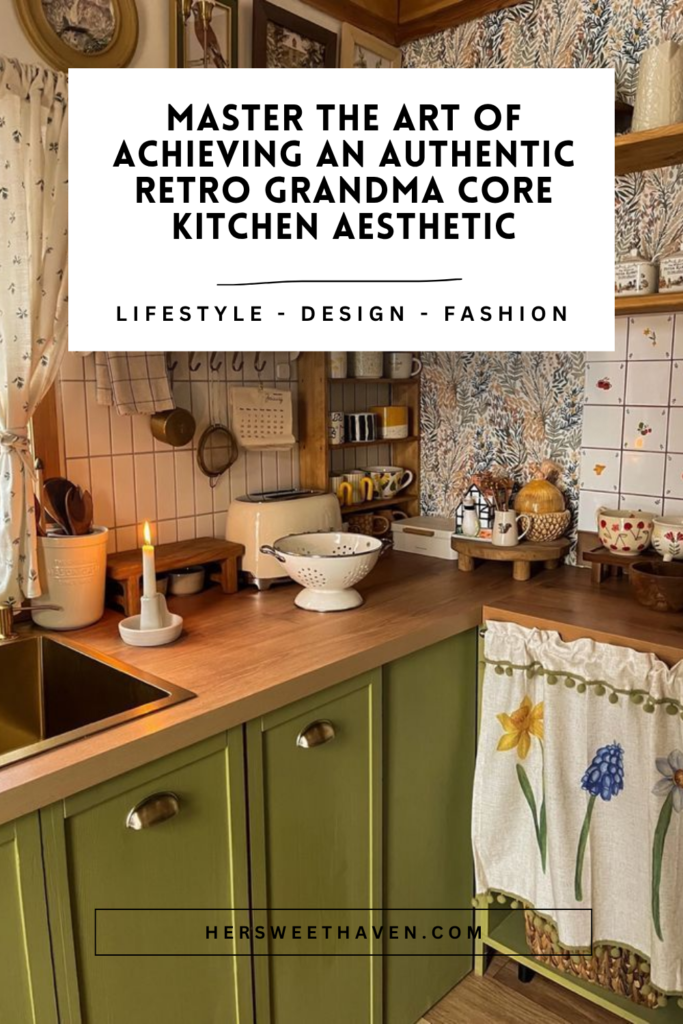
Softening the hard lines of a kitchen makes it feel like the heart of the home.
Don’t be afraid to use cloth napkins or tea towels as part of your decor. Hang them over the oven handle or drape them over the side of a basket. These small touches make the room feel functional and lived-in. (Yes, even if you rarely use them for actual spills.)
Choosing Your Tiles: Patterns That Pop
Tiles are the one place where you should lean into bold, nostalgic patterns. Village kitchen ideas often include handmade-look tiles or classic floral motifs. If you are doing a DIY backsplash, look for tiles with slight imperfections. These “zellige-style” tiles reflect light beautifully and don’t look too “perfect.”
If you prefer a more subtle look, a classic checkerboard pattern in muted tones like terracotta and cream is a timeless choice. According to Architectural Digest, textured and irregular tiles are a major trend for 2026 because they feel more authentic and less mass-produced.
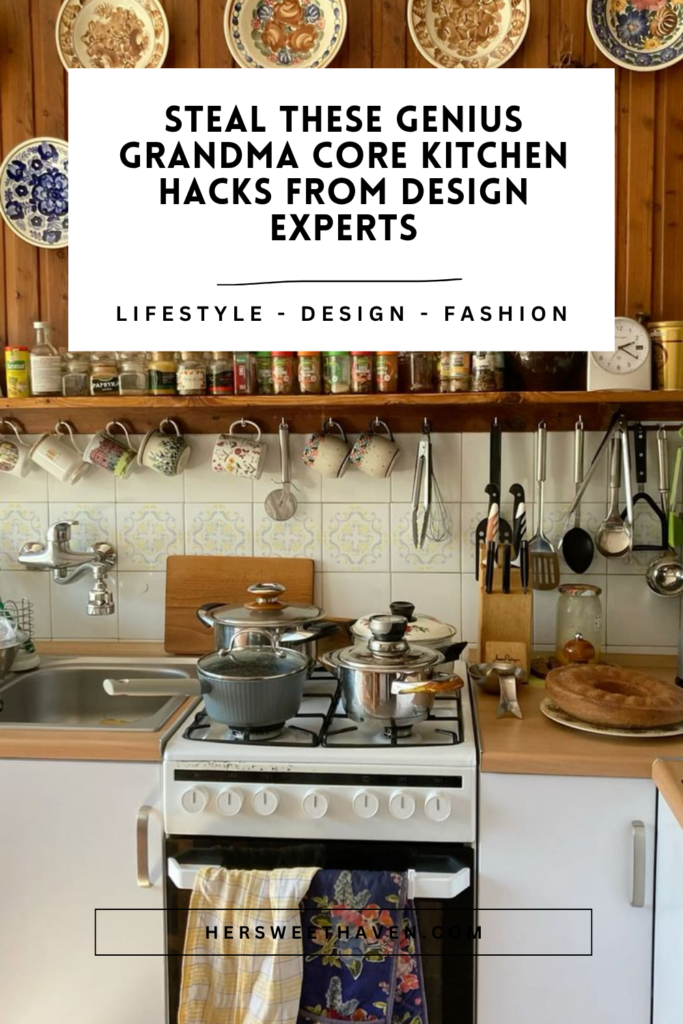
Tiles are the one place where you should lean into bold, nostalgic patterns.
For those on a strict budget, you can use peel-and-stick tiles or even stencils to achieve a similar look. It is a great way to test the aesthetic before committing to a full renovation. It also works wonders for patio decorating on a budget if you have an outdoor cooking area.
Storage as Decor: The Open Shelving Strategy
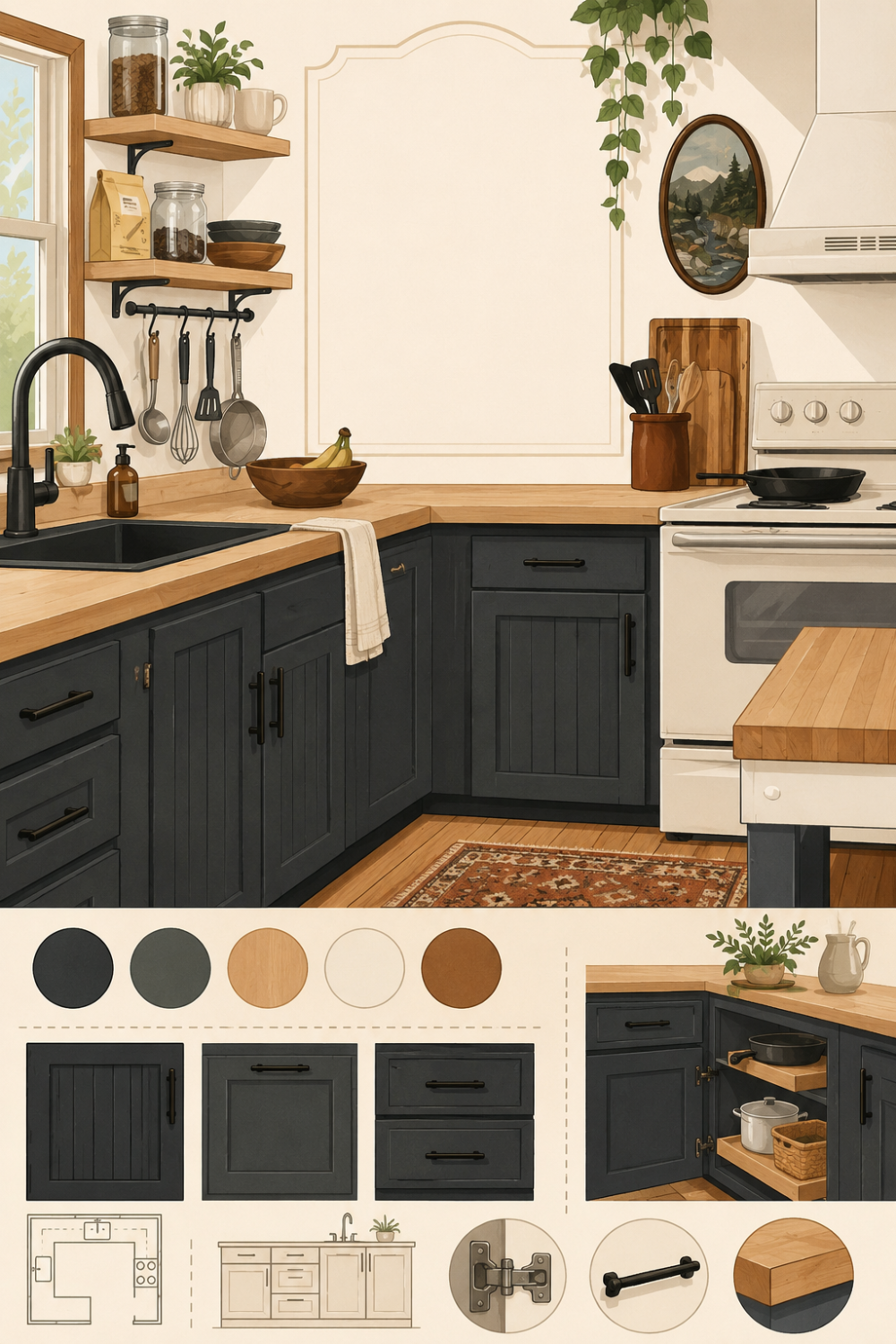
One of the biggest misconceptions about village kitchen ideas is that they have to be cluttered. Here is the truth: you can have a “busy” kitchen that still feels organized. The key is open shelving. By removing upper cabinet doors, you create a space to display your thrifted wins.
Here is how to style your shelves without it looking like a mess:
- Group similar items together by color or material.
- Mix heights to keep the eye moving.
- Add a few non-kitchen items, like a small plant or a vintage oil painting.
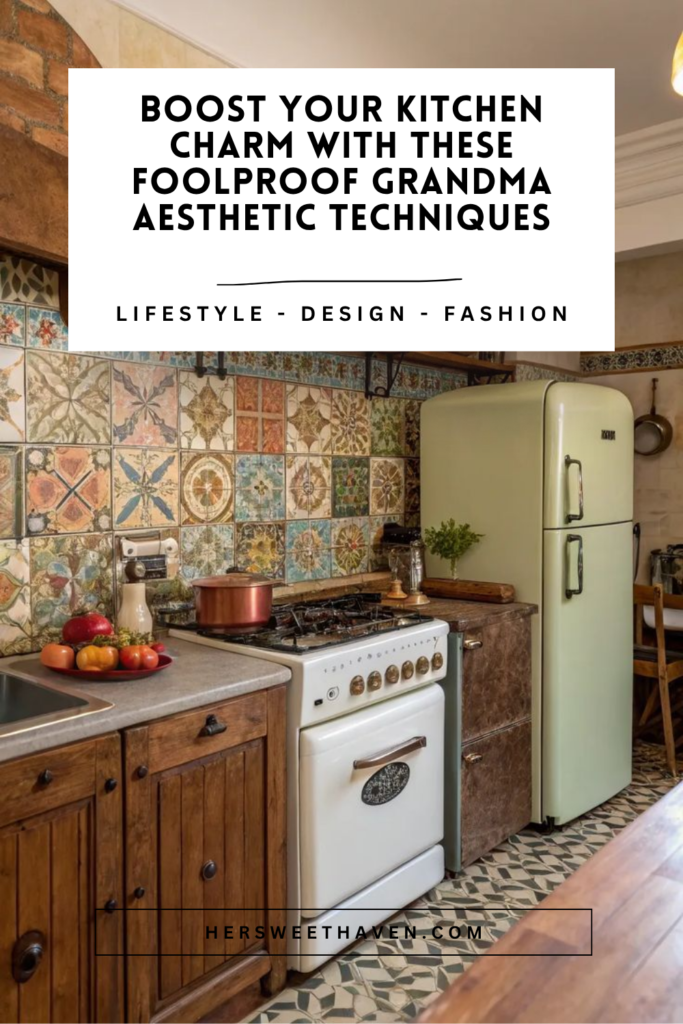
If you love it, put it on display.
This strategy allows your everyday items to double as decor. It also makes the kitchen much easier to use because everything is within reach. (Don’t worry, a little bit of dust is just part of the charm.)
Lighting Your Village Kitchen for Ambiance
Atmospheric lighting is the difference between a kitchen and a retreat. Most people rely on harsh overhead LEDs that wash out the room. To get that cozy Grandma core glow, you need to layer your light.
One of the best village kitchen ideas is to place a small lamp on your countertop. This is a viral trend for 2026 because it adds a warm, library-like feel to the space. You can find beautiful vintage lamps at thrift stores and simply update the shade. Look for pleated fabrics or warm-toned metals.
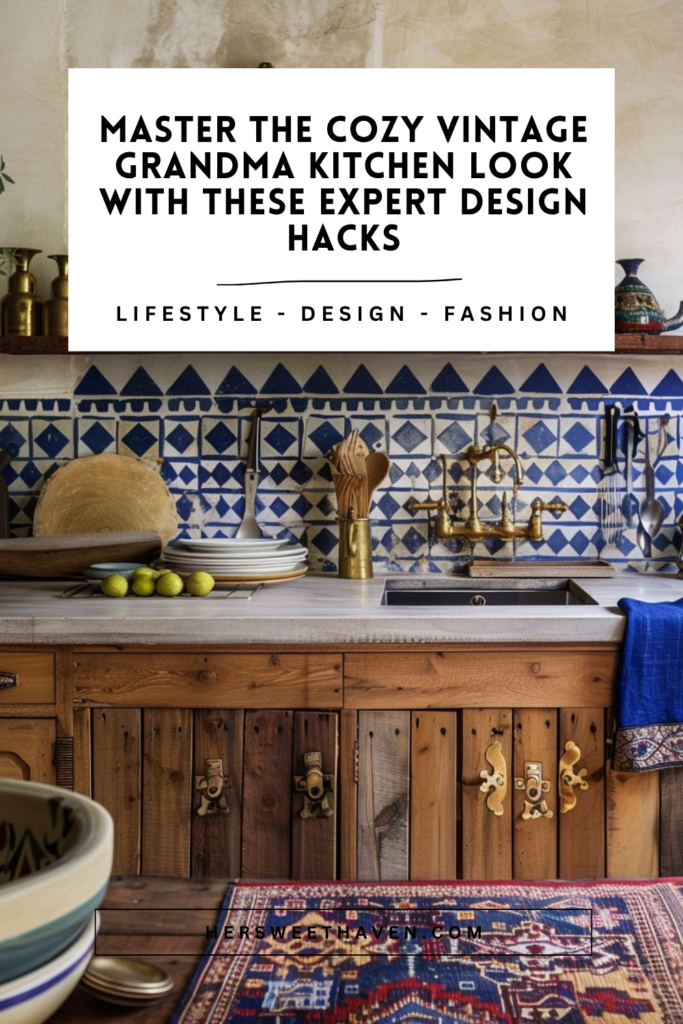
Atmospheric lighting is the difference between a kitchen and a retreat.
Supplement this with under-cabinet lighting and perhaps a pendant light over the table or island. Avoid “cool white” bulbs at all costs. You want “warm white” to mimic the glow of a candle or a fireplace. It makes every meal feel like a special occasion.
Small Village Kitchen Ideas: Making the Most of Tiny Spaces
You don’t need a massive farmhouse to use these village kitchen ideas. In fact, small spaces are often easier to turn into a cozy haven because the scale is already intimate. The trick is to use your vertical space.
Hang your pots and pans from a ceiling rack or a rail on the wall. This frees up cabinet space and adds to the “working kitchen” aesthetic. Use hooks for your mugs and small baskets for your produce. If you need more inspiration for managing tight quarters, check out these tips for tiny yards, as the same logic of “zoning” applies to small kitchens.
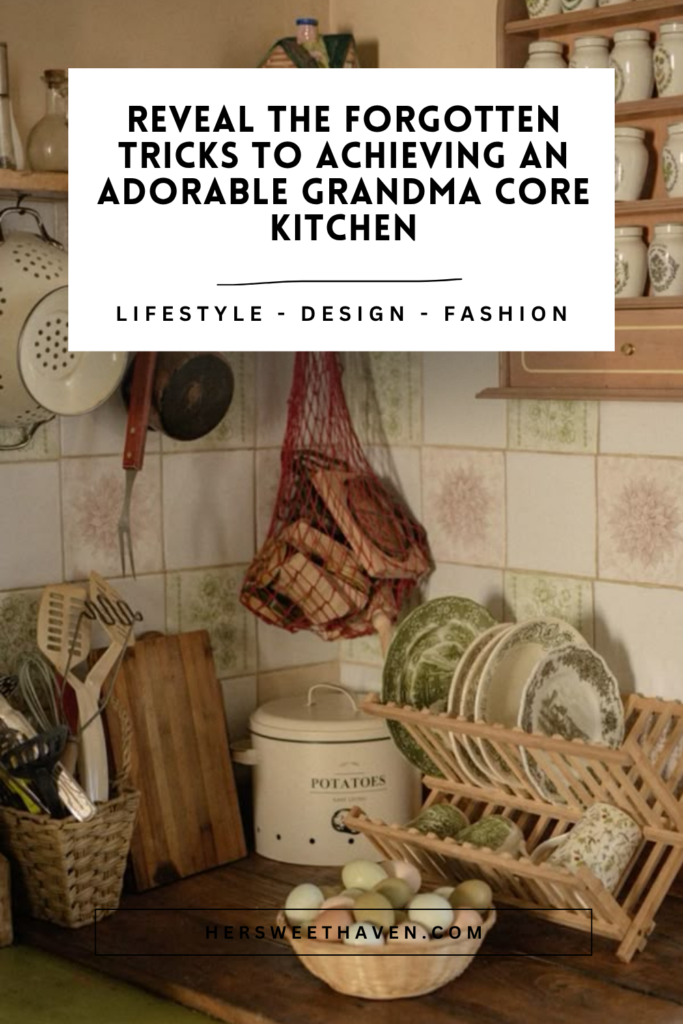
Small spaces are actually the easiest to turn into a cozy Grandma core haven.
Keep the color palette light in a small room to prevent it from feeling cramped. Use mirrors or glass-front cabinets to reflect light and create the illusion of depth. (No fancy tools required.)
How Do I Start a Grandma Core Kitchen on a Budget?
Building this look is a marathon, not a sprint. You do not need to buy everything at once. Here is how to do it:
Start by clearing off your counters and only putting back the items that fit the aesthetic. Next, focus on the big impact changes like paint or new hardware. These are the most effective ways to improve the room without spending much money. Finally, start your “hunt” for the perfect vintage accessories over time.
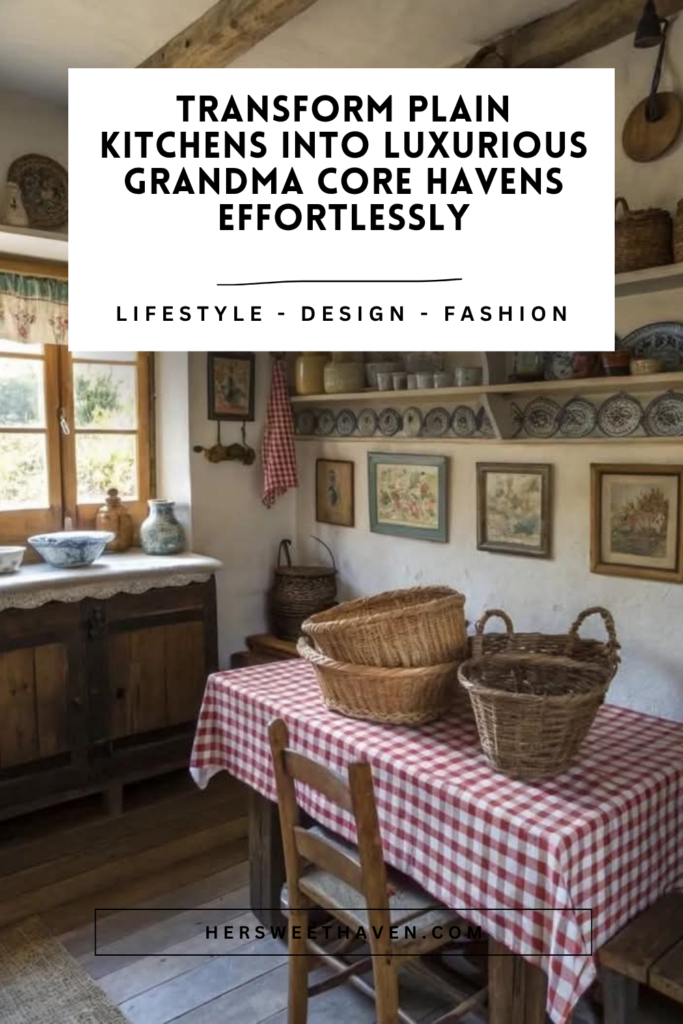
Start small with one corner and let the aesthetic grow naturally.
Think of it like building a collection. Each trip to the thrift store is an opportunity to find that one perfect piece. This approach ensures your kitchen feels authentic and not like a page from a catalog. (And yes, it’s a lot more fun this way.)
Will My Kitchen Look Outdated with This Style?
This is where most people get it wrong. They assume that “Grandma core” means old and dysfunctional. That is not the case. The key is mixing the old with the new. You can have a state-of-the-art espresso machine sitting next to a vintage ceramic jar.
The contrast between modern appliances and antique decor is what makes the space feel current. According to Old House Journal, the most successful designs are those that respect history while embracing modern convenience. It is about creating a space that works for your life today but feels connected to the past.
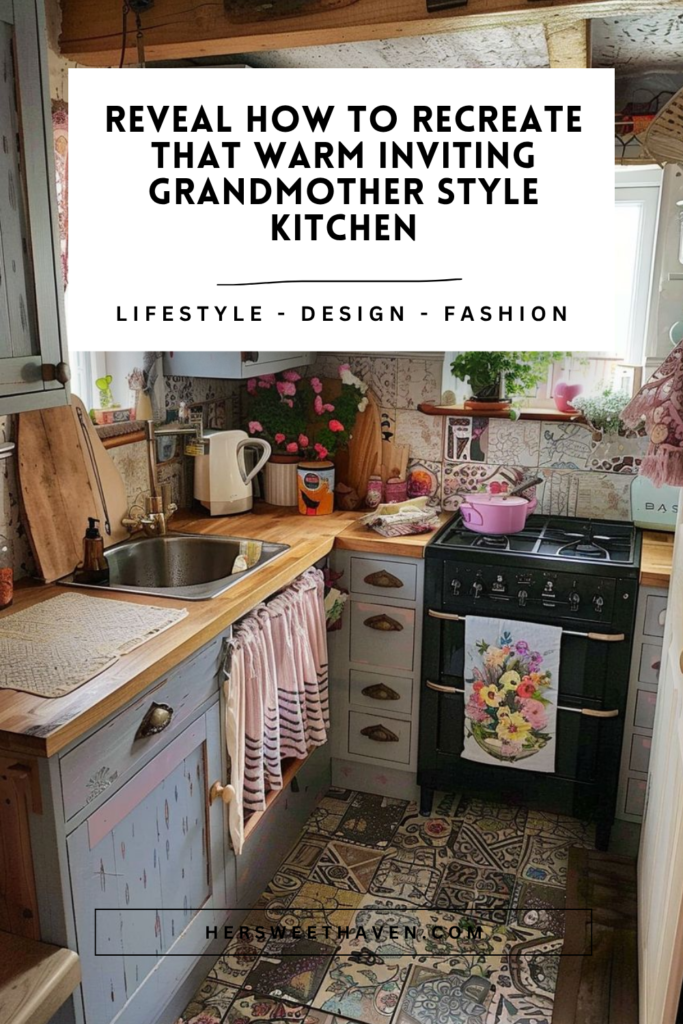
The key is mixing the old with the new to create a space that feels timeless.
Ultimately, your kitchen should reflect your personality. If you love a certain pattern or a specific thrifted find, use it. There are no strict rules in a village kitchen. It is all about what makes you feel at home.
Creating a Grandma core kitchen is about more than just decor. It is about creating a hub for your home that feels welcoming and warm. By using these village kitchen ideas and focusing on thrifted finds, you can build a space that is beautiful, sustainable, and entirely your own. Start with one small change today and watch your kitchen transform into the cozy retreat you have always wanted.

Leave a Reply