

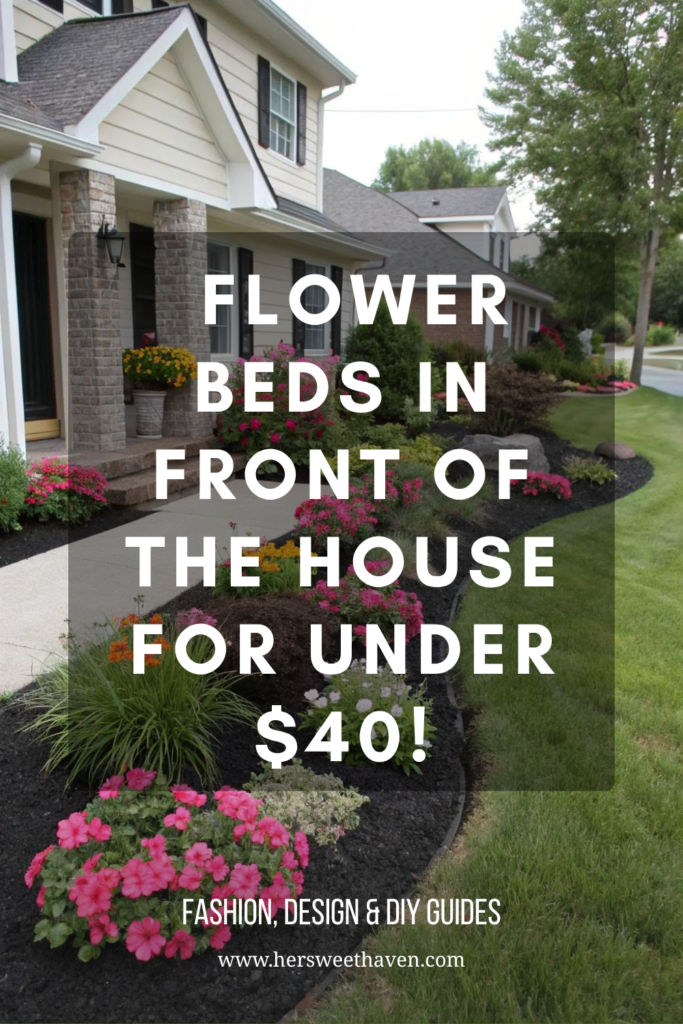
There’s nothing quite like pulling into your driveway and seeing a front yard bursting with color, texture, and life. Beautiful flower beds in front of the house can completely change your home’s curb appeal, turning an ordinary facade into something that makes every neighbor slow down for a second look. Whether you’re working with a sprawling lawn or a tiny patch of soil next to the porch, thoughtfully designed flower beds bring warmth, personality, and real value to your property.
But creating gorgeous front yard beds isn’t just about buying pretty plants and sticking them in the ground. From choosing the right flower bed design to picking the right edging and perennials, every decision matters. In this guide, we’ll cover the biggest mistakes to avoid, pro-level secrets for depth and dimension, and budget-friendly ideas that look anything but cheap.
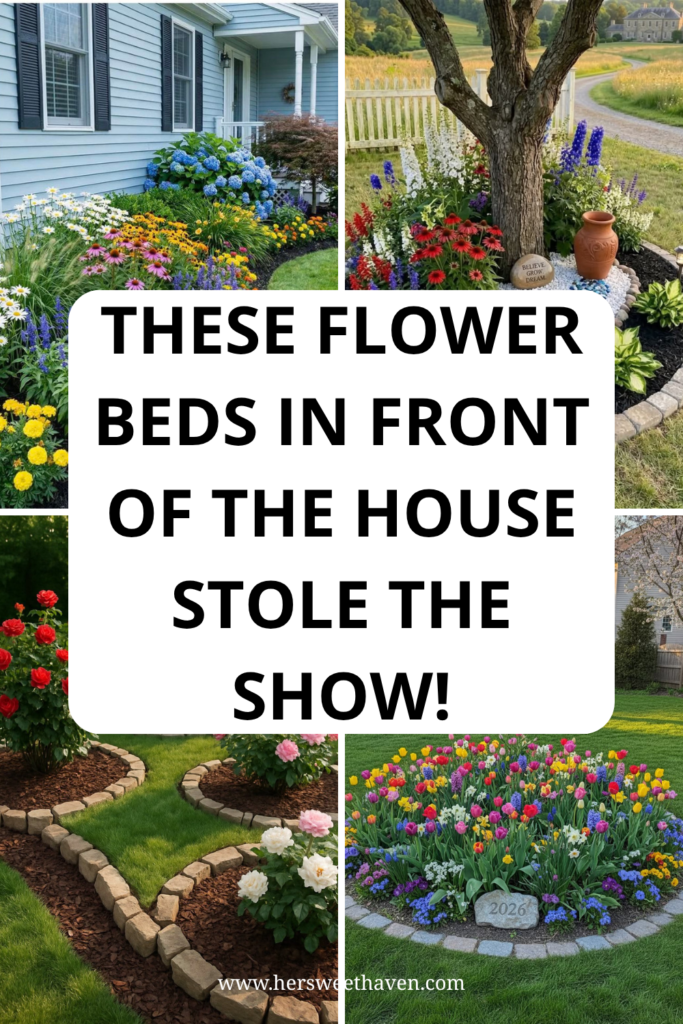
3 Mistakes Ruining Your Flower Beds in Front of the House
If your front yard beds just aren’t giving what they should, chances are one of these common mistakes is to blame. The good news is that all three are completely fixable once you know what to look for.
Mistake #1: Ignoring mature plant size. This is the number one error that even experienced gardeners make. That cute little shrub you picked up at the garden center? It might grow to five feet wide in a couple of years. When plants outgrow their space, they crowd each other out, block windows, swallow walkways, and turn your carefully planned bed into a tangled mess. Always check the mature height and spread on the plant tag before you buy, and give everything enough room to reach its full potential without competing for light and air.
Mistake #2: Planting everything at the same height. A flat row of identical plants lined up like soldiers is one of the fastest ways to make a flower bed look boring and amateur. Your eye has nowhere to travel, and there’s no visual drama at all. Front yard beds need layers: tall anchor plants in the back, medium fillers in the middle, and low spillers along the edges. This creates depth that draws people in and makes your garden feel lush and intentional.
Mistake #3: Forgetting about seasonality. Planting only spring bloomers means your bed will look spectacular in April and completely dead by July. A well-designed front flower bed should offer something beautiful in every season. Mix early spring bulbs with summer perennials, fall-blooming sedums, and evergreen structure plants so your beds never look empty or forgotten.
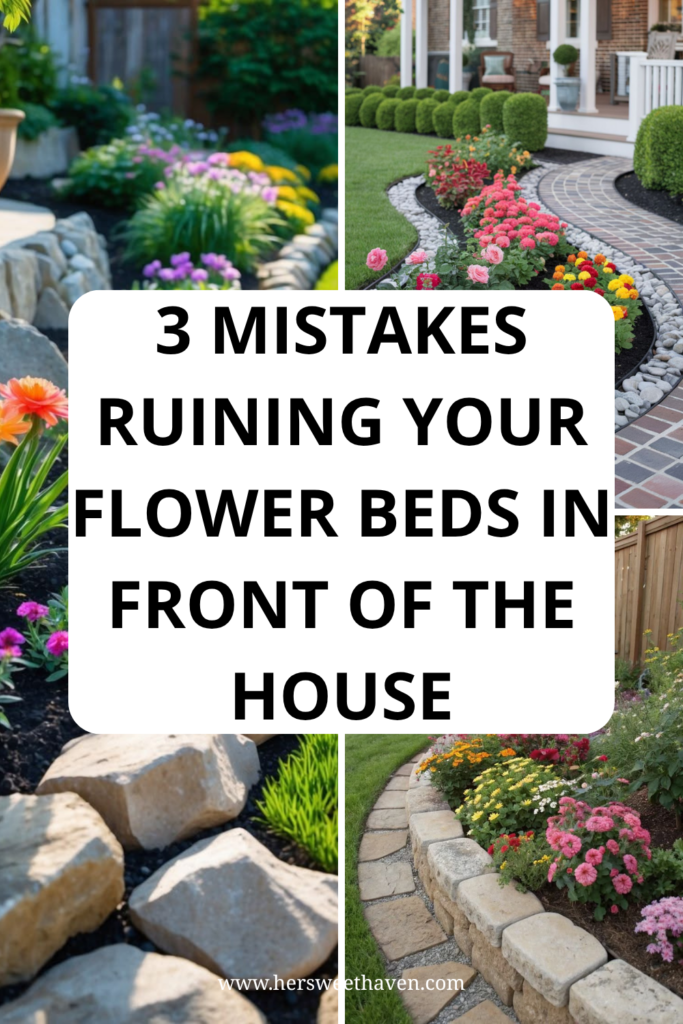
Why Does Your Front Yard Garden Look So Flat?
You’ve planted flowers, added mulch, maybe even installed some edging, but somehow your front yard flower bed still looks underwhelming. Flat. One-dimensional. If this sounds familiar, the problem almost always comes down to a lack of visual depth.
Most homeowners think about their flower beds from a bird’s-eye view, as in what looks good on a flat planting diagram. But people see your flower beds from the street, the sidewalk, and the driveway. You need to think vertically, not just horizontally.
A flat-looking bed is usually missing three critical elements. First, there’s no height variation. When every plant sits at roughly the same level, the bed reads as a single flat plane rather than a living, layered garden. Second, there’s not enough textural contrast. Pairing plants with different leaf shapes (feathery grasses next to broad hostas, spiky salvia beside rounded hydrangeas) is what makes a bed look full and lively. Third, many flat-looking beds lack a strong focal point. Every great flower bed needs an anchor, whether that’s a tall ornamental grass, a statement shrub, a birdbath, or even a beautiful container. Something that draws the eye up and into the planting creates instant dimension.
The fix is simpler than you think: add at least three clear height levels, mix up your leaf textures, and place one eye-catching element near the center or back of the bed. That alone can take a forgettable flower bed and make it feel like it belongs in a magazine.
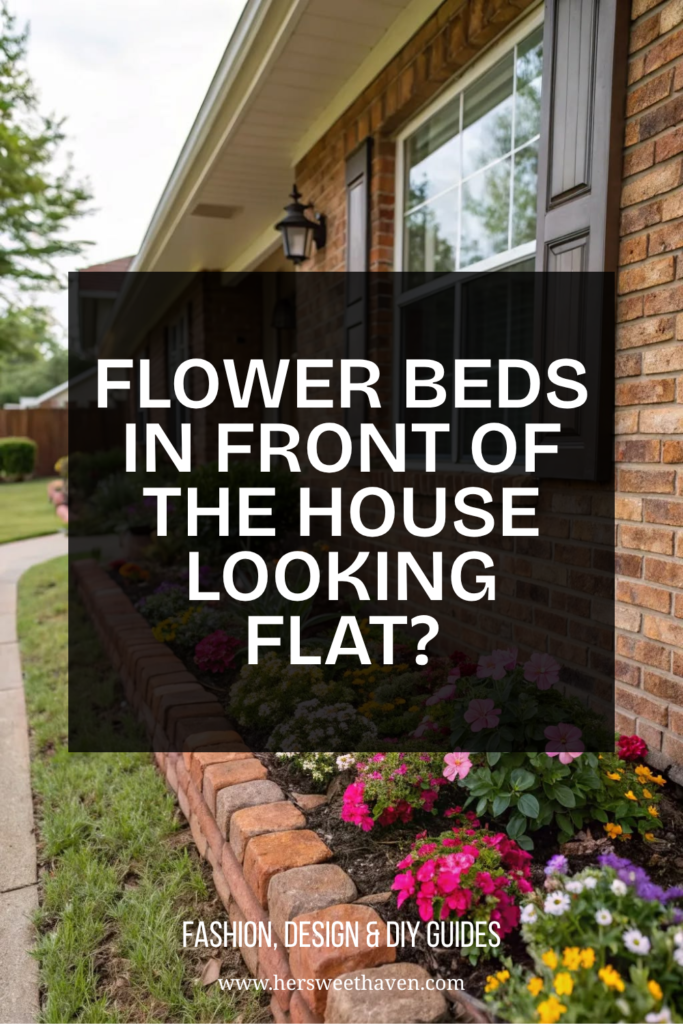
Stop Making These Planting Mistakes in Your Front Yard
Let’s talk about the habits that are secretly sabotaging your front flower bed: the ones that seem harmless but end up costing you time, money, and results.
Over-planting is a big one. It’s tempting to fill every inch of bare soil, especially when those nursery plants look so tiny in their little pots. But cramming plants together leads to poor air circulation, increased disease, and a bed that looks overgrown rather than abundant within just a few months. Give plants room to breathe and they’ll reward you with healthier growth and more blooms.
Ignoring sun and shade requirements is another silent killer. That gorgeous hydrangea you fell in love with won’t perform in a south-facing bed that bakes in full sun all day. Before you buy a single plant, spend a day observing how the light moves across your front yard. Note which areas get six-plus hours of direct sun, which spots are dappled, and which stay in shade. Then choose plants that actually match those conditions.
Skipping soil preparation is like trying to bake a cake without preheating the oven. Even the best plants will struggle in compacted, nutrient-poor soil. Before planting, turn over the soil, mix in compost or aged manure, and ensure good drainage. This single step makes a bigger difference than any plant choice you’ll ever make.
And finally, planting without a plan. Wandering the garden center and grabbing whatever catches your eye leads to the classic “one of everything” bed, a chaotic jumble with no rhythm. Instead, pick a color palette, decide on a few anchor plants, and buy multiples. Repetition is what separates professional flower bed landscaping from random planting.
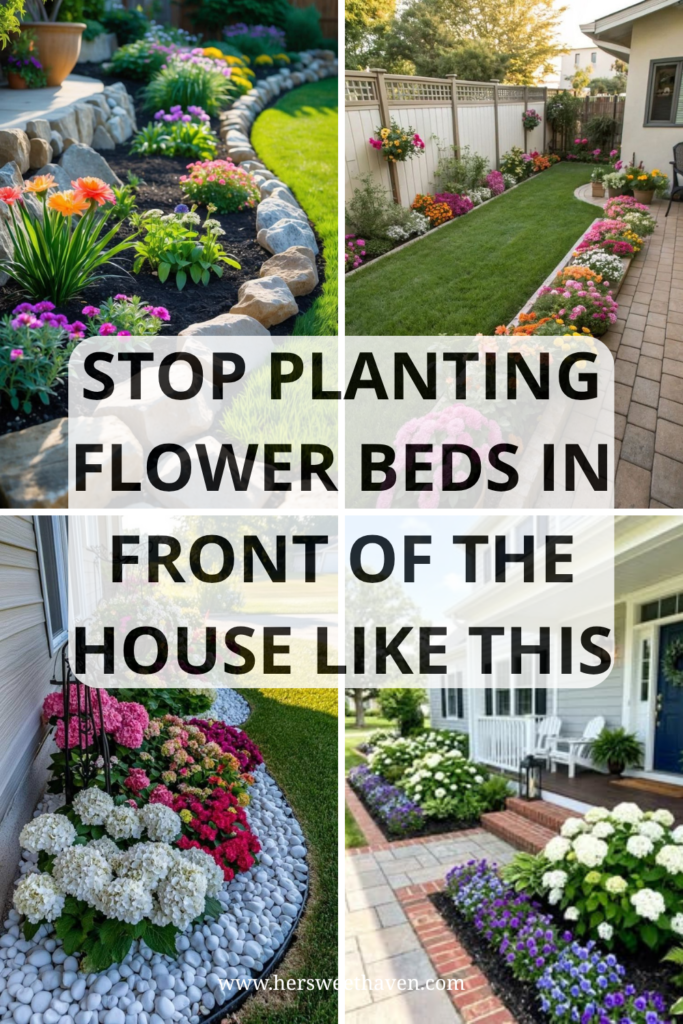
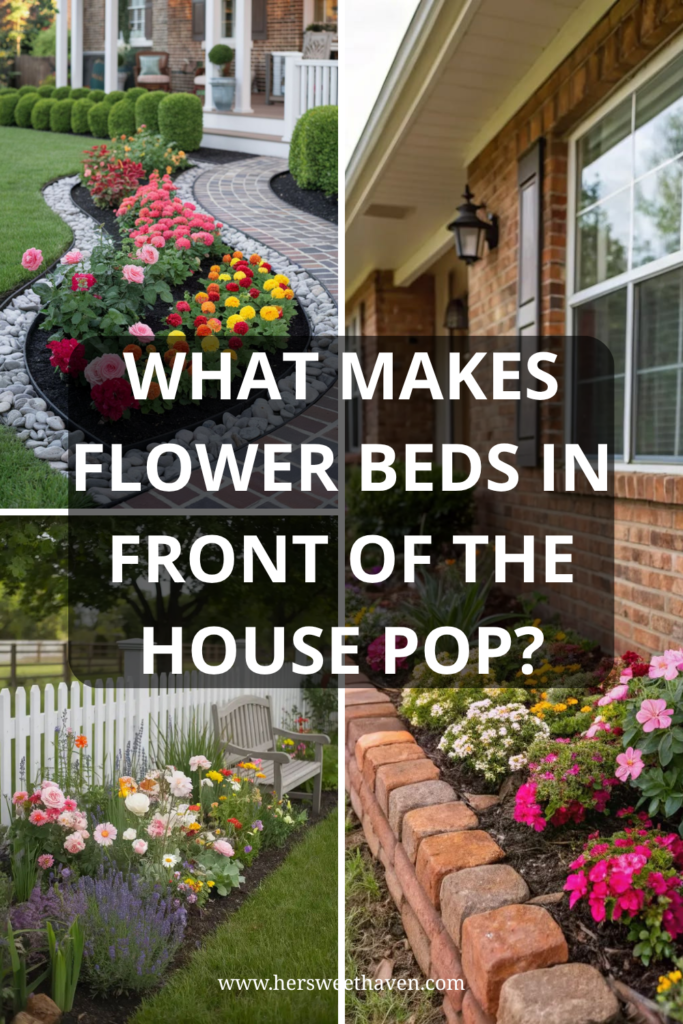
What Makes a Flower Bed Design Really Pop?
Some front yard flower beds just make you stop mid-walk and stare. So what do they have in common? It comes down to a few intentional design choices that anyone can learn.
Color coordination is everything. The best-looking flower bed designs stick to a defined color palette rather than throwing every shade of the rainbow together. Choose two to three complementary colors and repeat them throughout the bed. Think soft pinks with deep purples and white accents, or warm yellows paired with oranges and burgundy. This gives your bed a cohesive, designer look that random color mixing simply can’t achieve.
Repetition creates rhythm. Instead of planting one petunia here and one marigold there, plant in groups of three, five, or seven. Odd numbers feel more natural to the eye, and repeating these groupings along the length of your bed creates a visual rhythm that guides the viewer’s gaze smoothly from one end to the other. This one trick alone can make a simple flower bed layout look professionally designed.
Contrast adds drama. Place light-colored flowers against dark mulch. Set fine, wispy textures next to bold, broad leaves. Put cool blues beside warm oranges. These contrasts create visual tension that makes each element stand out more than it would on its own.
Mulch is the unsung hero. A clean, fresh layer of mulch, whether dark brown, black, or natural cedar, acts like a frame around a painting. It suppresses weeds, retains moisture, and provides a rich backdrop that makes your flower colors absolutely sing. Never underestimate what two to three inches of fresh mulch can do for a tired-looking bed.
The pro approach to flower bed landscaping
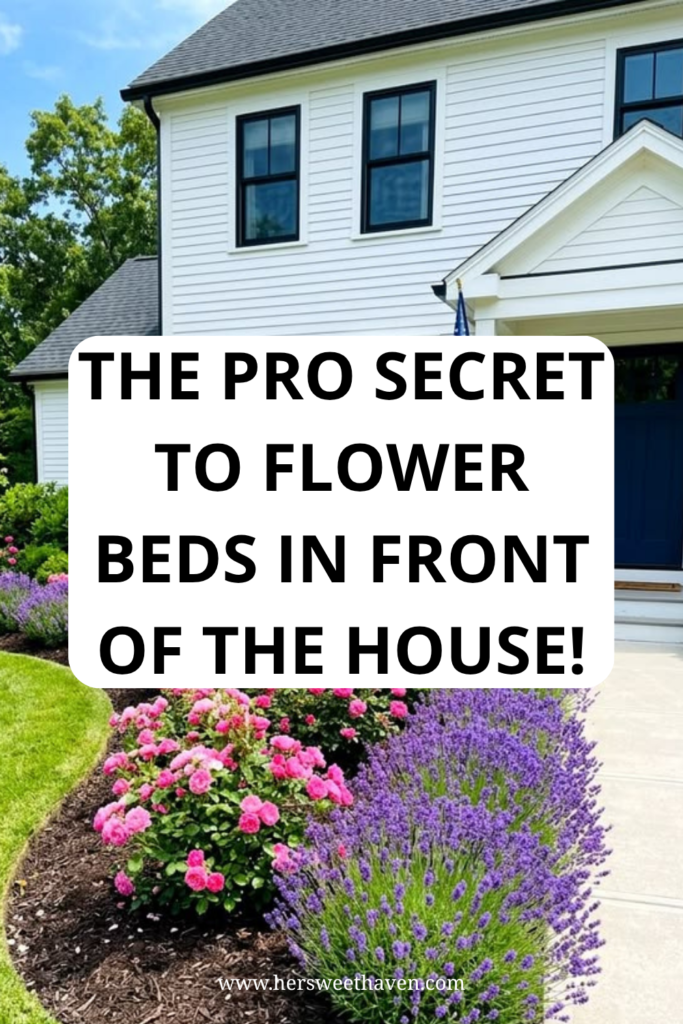
Professional landscape designers have a formula that works every single time, and once you learn it, you’ll never look at a flower bed the same way again. It’s called the “Thriller, Filler, Spiller” method, and it’s the backbone of every jaw-dropping front yard bed you’ve ever admired.
The Thriller is your tallest, most dramatic plant, the star of the show. This goes in the back of the bed (or the center if your bed is viewable from all sides). Think tall ornamental grasses, delphiniums, hollyhocks, or a statement shrub like a knockout rose. The thriller creates that vertical punch that lifts the whole bed.
The Filler makes up the middle layer. These are medium-height plants that add body, color, and density to your bed. Lavender, salvia, coreopsis, daylilies, and coneflowers are all fantastic fillers. Plant them in groups and let them weave together for that lush, overflowing look.
The Spiller is what tumbles over the front edge of your bed, softening the border and connecting the garden to the lawn or walkway. Creeping phlox, sweet alyssum, trailing verbena, or low-growing sedums all fit this role. They’re the finishing touch that takes a flower bed from “nice” to “absolutely gorgeous.”
The other pro secret? Mix perennials and annuals strategically. Perennials are the backbone: they come back year after year and give your bed structure and reliability. But annuals are the workhorses of color, blooming continuously from spring through frost. Tuck annuals into the gaps between your perennials for non-stop visual impact while your perennials establish themselves.
And here’s a bonus tip that professionals swear by: plan for succession blooming. Choose plants that peak at different times so something is always flowering. Early spring bulbs give way to summer perennials, which transition to fall asters and mums. This way, your front yard beds are never without color.
Best Flower Bed Edging Ideas to Define Your Garden
Edging might seem like a small detail, but it’s actually one of the most transformative things you can do for your front yard beds. Clean, well-defined edges separate your flower bed from the lawn, prevent grass from creeping in, keep mulch contained, and give the entire planting a polished, finished look.
Natural stone edging is a timeless classic. Stacking flat fieldstones or river rocks along the border creates an organic, cottage-garden feel that works with almost any home style. Just stack two or three layers, slightly overlapping, for a sturdy border that looks like it’s been there forever.
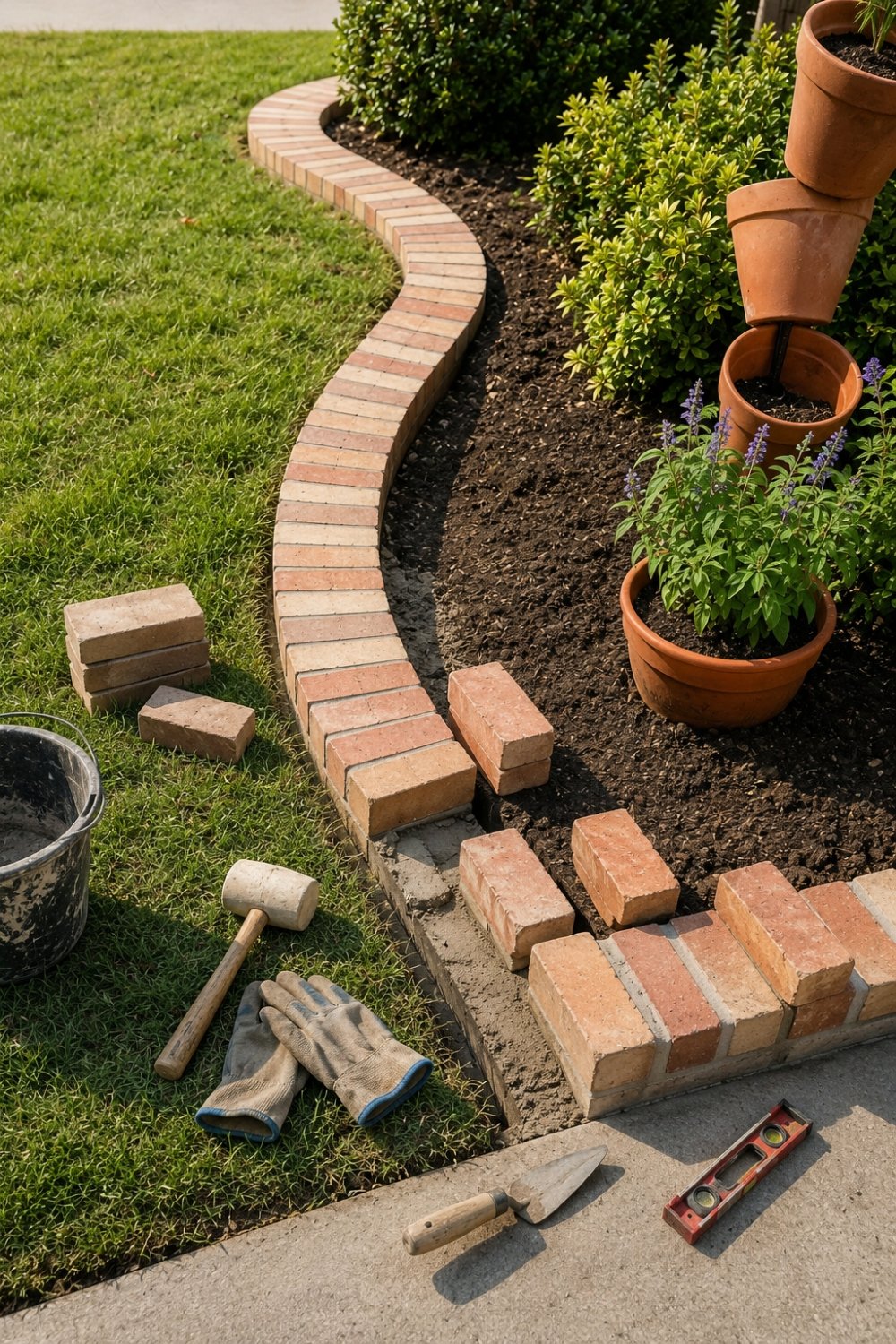
Brick edging brings warmth and a traditional feel. Whether you set bricks vertically in a sawtooth pattern or lay them flat in a soldier course, brick creates a clean line that suits colonial, craftsman, and farmhouse-style homes. It’s also very durable and requires almost no maintenance over the years.
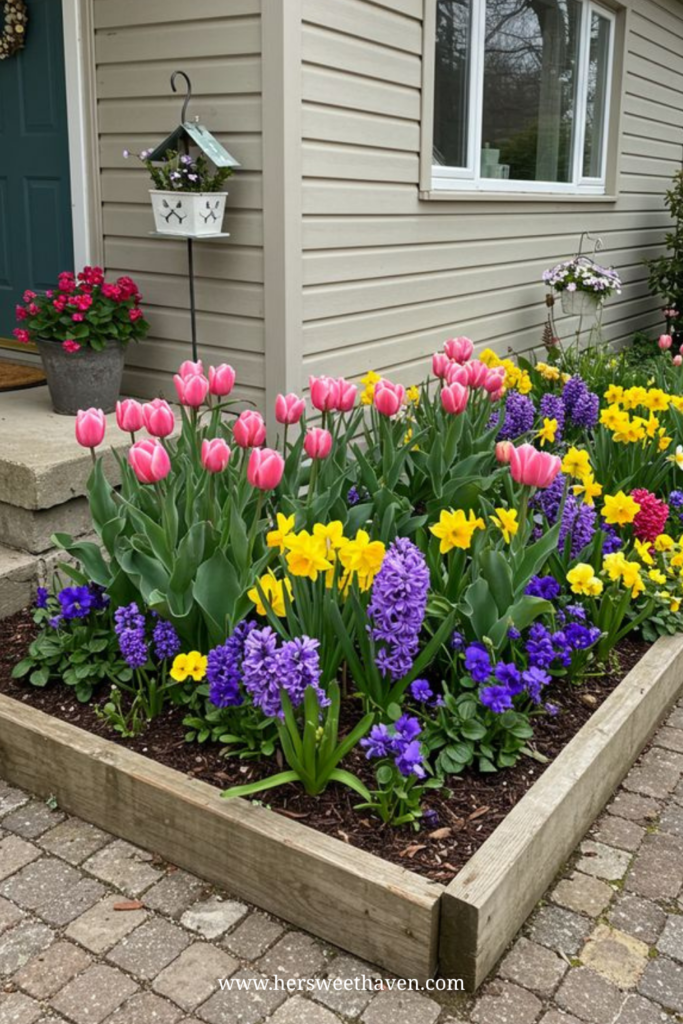
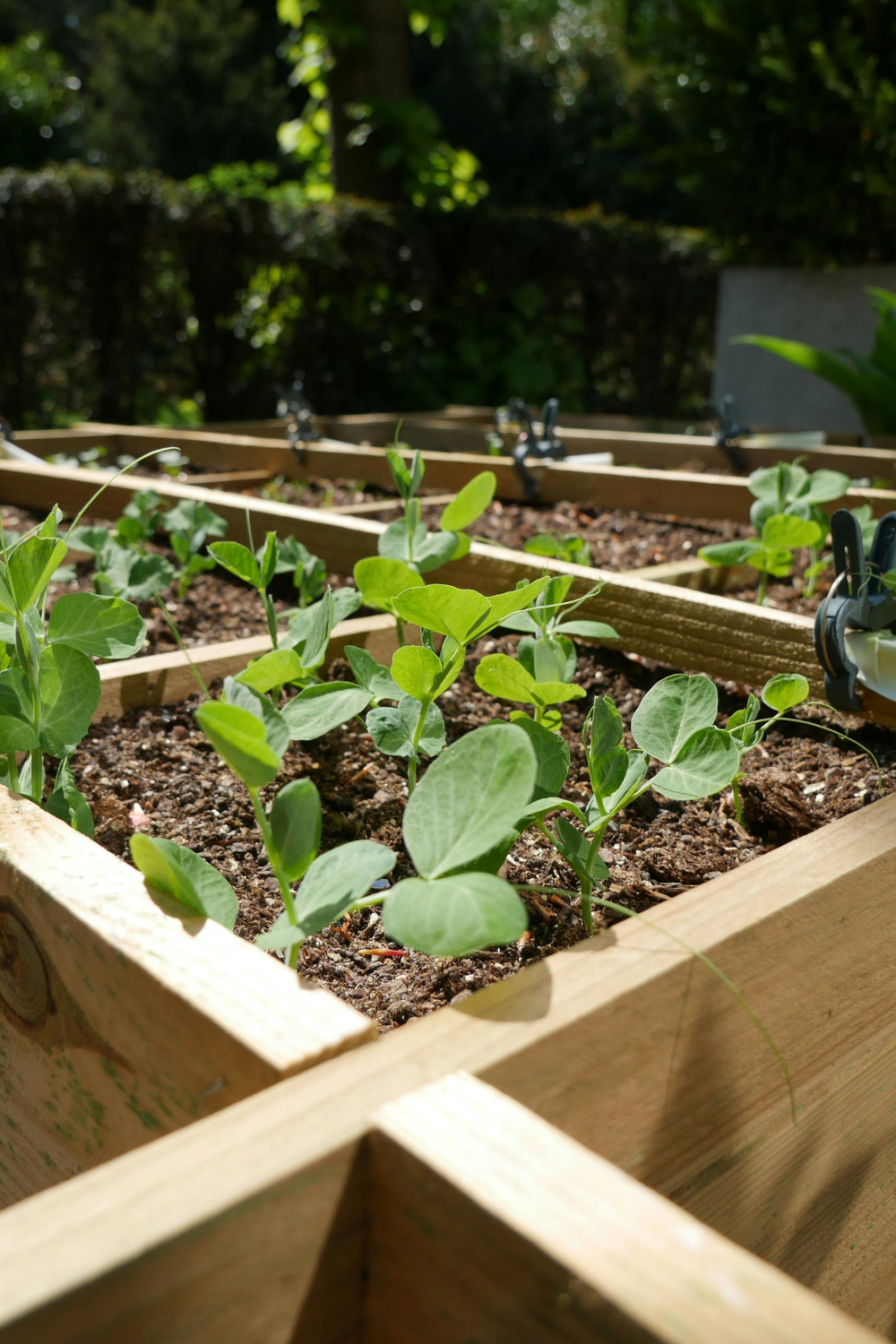
Raised flower bed borders using wood timbers or stacked stone are a fantastic option, especially if you’re working with poor soil. A raised bed filled with quality potting mix gives your plants the best possible start, and the added height creates an instant focal point.
Metal landscape edging is the go-to for a clean, minimal look. Thin steel or aluminum strips create razor-sharp lines between your bed and lawn. They practically disappear into the landscape while providing a clean separation that stays put for years.
Whichever flower bed border ideas you choose, consistency matters most. Pick one edging style and carry it throughout your front yard for a unified, intentional look.
Simple Flower Bed Ideas That Anyone Can Try
You don’t need years of gardening experience or fancy landscaping knowledge to create a beautiful front yard flower bed. Some of the most charming gardens out there started with the simplest ideas and just a little bit of courage to get started.
The classic foundation bed is the easiest place to begin. This is simply a bed that runs along the front of your house, between the foundation and the lawn. Start by defining the shape (a gentle curve looks more natural than a straight line), then fill it with a mix of evergreen shrubs for structure and colorful perennials for seasonal interest. This single bed alone can boost your home’s curb appeal dramatically.
An around-the-tree bed is another beginner-friendly option that adds instant character. If you have a mature tree in your front yard, create a circular bed around its base. Fill it with shade-tolerant plants like hostas, impatiens, ferns, and spring bulbs. Add a decorative stone or a garden ornament for a personal touch.
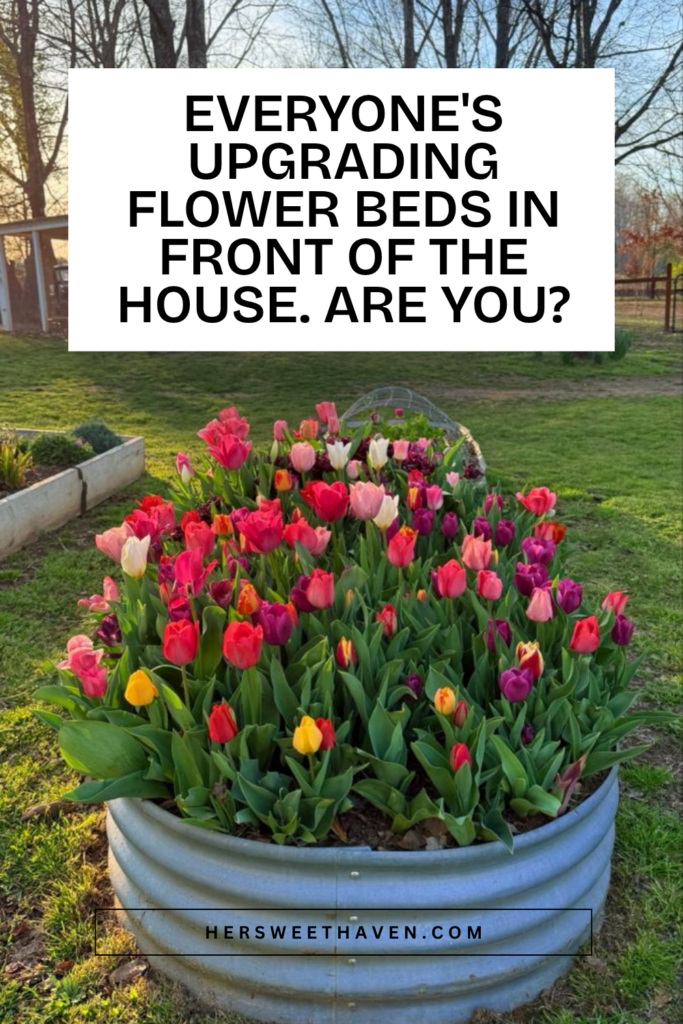
Raised beds with a galvanized stock tank or wooden frame have become very popular, and for good reason. They’re easy to build, you can fill them with good soil regardless of what’s in your yard, and they add a charming farmhouse element to your front entrance. Fill one with seasonal flowers and you’ve got an instant showstopper right by your front door.
The hardest part is starting, so just start. Even a small, well-maintained flower bed makes a bigger impact than a large, neglected one.
Beautiful Flower Bed Border Ideas for Under $40
Think you need a big budget to create a beautiful front yard flower bed? Think again. With a little creativity and smart shopping, you can build a gorgeous bed for less than the cost of a dinner out.
Start with seeds instead of transplants. A single packet of zinnia, cosmos, or marigold seeds costs a couple of dollars and can fill an entire bed with vibrant color. Direct-sow them after your last frost date, keep them watered, and in six to eight weeks you’ll have a bed that looks like you spent ten times what you actually did.
Shop end-of-season sales. Garden centers slash prices on perennials in late summer and fall. These plants might not look like much when you buy them, but pop them in the ground and they’ll come back strong and beautiful the following spring. It’s the smartest investment you can make in your garden.
Use free or cheap mulch. Many municipalities offer free wood chip mulch from their tree-trimming programs. A thick layer of mulch instantly makes any bed look more polished and professional, even before the flowers start blooming.
DIY your edging. Gather rocks from your property or a local creek (where allowed), repurpose old bricks, or use scrap wood to create charming, rustic borders. Some of the most beautiful flower bed edging ideas cost nothing at all. They just require a bit of imagination and elbow grease.
Propagate and divide. Ask gardening friends and neighbors for plant divisions. Most perennials need to be divided every few years anyway, and most gardeners are happy to share. One generous neighbor can supply enough hostas, daylilies, and irises to fill an entire front yard bed.
Perennial Flower Bed Ideas for Year-Round Color
The foundation of any low-maintenance front yard garden is a strong selection of perennials: plants that return year after year, growing bigger and more beautiful with each season. Choosing the right perennial flower bed ideas means your beds will practically take care of themselves after the first year or two.
For spring, start with bulbs like tulips, daffodils, hyacinths, and crocuses. These are the first burst of color after a long winter and they’re practically foolproof. Plant them in fall and enjoy the show when spring arrives. Layer different varieties at different depths for weeks of staggered bloom.
For summer, lean on workhorses like coneflowers (Echinacea), black-eyed Susans (Rudbeckia), daylilies, lavender, and salvia. These perennials thrive in sun, tolerate heat, attract pollinators, and bloom for weeks on end. They’re the colorful core of any front yard bed.
For fall, sedums like “Autumn Joy,” asters, mums, and ornamental grasses carry the show. Grasses in particular are underrated heroes: their golden plumes catch the autumn light and add movement and texture that flowers alone can’t provide.
For winter interest, evergreen shrubs like boxwood, holly, or dwarf conifers ensure your bed never looks completely bare. Pair them with plants that have interesting bark or seed heads, like dried hydrangea blooms or the structural stems of winterberry, and your front yard will have something to offer even in the coldest months.
The trick to a successful perennial flower bed layout is to have at least two or three plants blooming in each season. Sketch out a simple calendar with your chosen plants and their bloom times to make sure there are no gaps. A little planning upfront means twelve months of effortless beauty.
Final Thoughts
Creating beautiful front yard flower beds doesn’t require a design degree, a massive budget, or decades of experience. It starts with avoiding common mistakes, understanding core design principles like layering and color coordination, and choosing the right mix of perennials and annuals for year-round interest.
Whether you’re building a raised bed by your front door, defining your garden with stone edging, or filling a foundation bed on a shoestring budget, what counts is starting somewhere. Even one thoughtfully planted flower bed can change the entire feel of your home’s exterior. So grab your garden gloves, pick a spot, and start planting.

Leave a Reply