
A front yard full of color, texture and movement changes how a house looks from the street more than almost any other project at the same price. Well-planned flower beds in front of the house lift the curb appeal of an ordinary facade, and they work on a big lawn as well as on a narrow strip of soil next to the porch.
Good beds take more than buying pretty plants and putting them in the ground, though. The layout, the edging, the plant heights and the bloom times all play a part. Below: the mistakes that hold most front beds back, how to fix a bed that looks flat, the layering method designers use, edging ideas, simple beds for beginners, a budget version for under $40 and perennials that give color in every season.
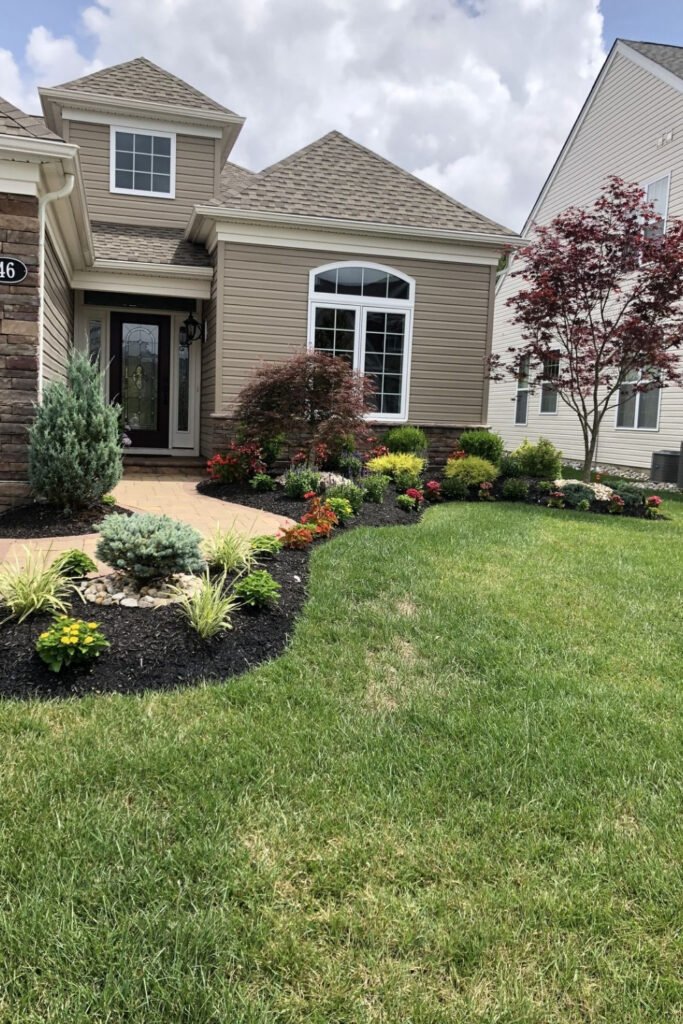
3 mistakes that hold front flower beds back
If your beds aren’t looking the way you hoped, one of these three is usually the reason, and all of them can be fixed.
Mistake 1: ignoring mature size. It’s the most common error, even among experienced gardeners. A small shrub from the garden center can be five feet wide in a few years. When plants outgrow their space, they crowd each other, block windows and swallow the walkway, and the bed turns into a tangle. Check the mature height and spread on the tag before you buy, and space plants for their final size, not the size in the pot. Fill the gaps with annuals for the first year or two while the permanent plants grow in.
Mistake 2: everything at one height. A row of identical plants lined up like soldiers gives the eye nowhere to go. Front beds need layers: tall anchor plants at the back, medium plants in the middle and low, spreading plants along the front edge. That depth is what makes a bed look full and planned.
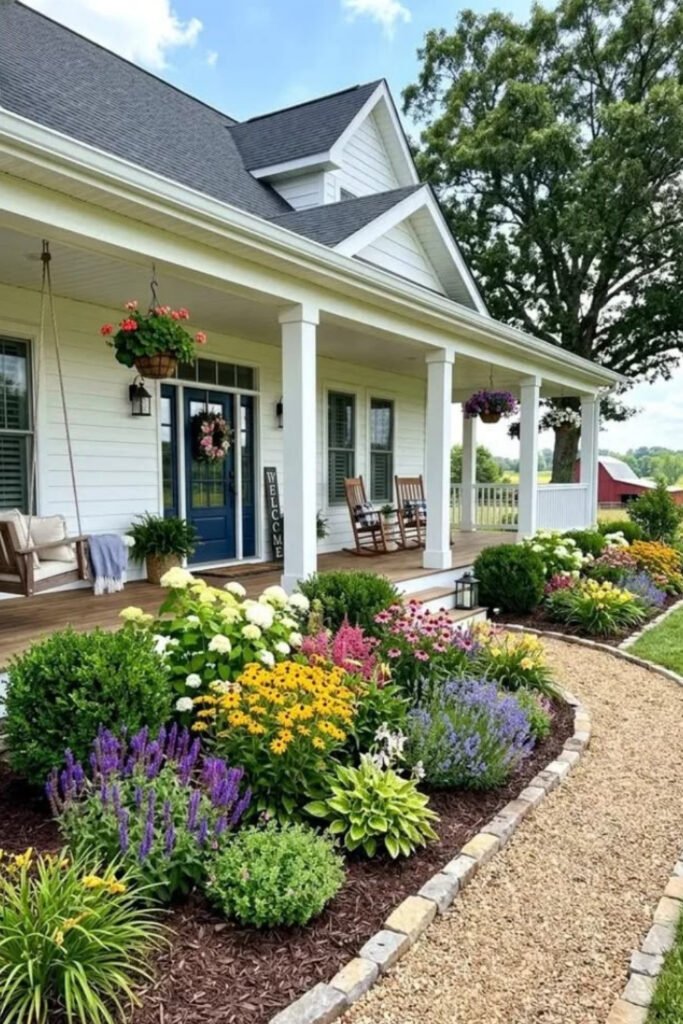
Mistake 3: forgetting the seasons. A bed planted only with spring bloomers looks wonderful in April and tired by July. Mix early bulbs with summer perennials, fall sedums and asters, and a few evergreens for structure, so there’s always something going on.
Why does a front bed look flat?
You’ve planted flowers, spread mulch, maybe added edging, and the bed still looks underwhelming. The problem is almost always missing depth.
Most beds get planned from above, like a diagram on paper. But people see them from the street, the sidewalk and the driveway, at eye level. That’s why height matters so much more than it seems on a plan.
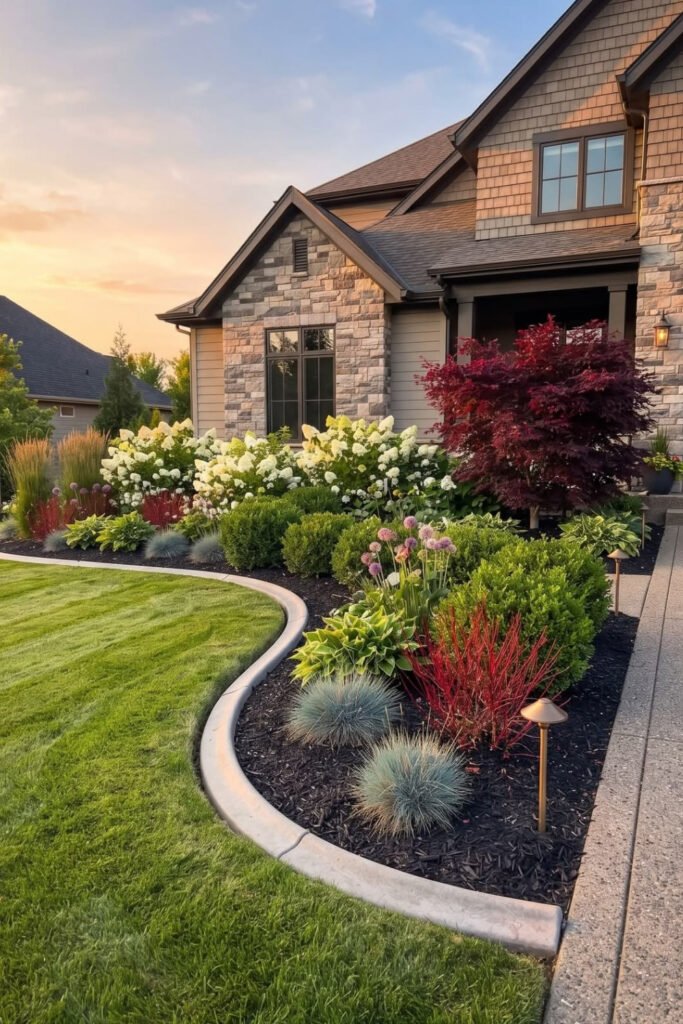
A flat bed is usually missing three things. First, height variation: when every plant sits at roughly the same level, the bed reads as one flat surface. Second, texture contrast: feathery grasses next to broad hostas, spiky salvia beside rounded hydrangeas. Different leaf shapes are what make a bed feel rich even when nothing is flowering. Third, a focal point: a small ornamental tree like a Japanese maple, a tall grass, a statement shrub, a birdbath or a large container that pulls the eye up and into the planting.
The fix is simple: at least three height levels, a mix of leaf textures and one standout element near the center or back. A curved front edge helps too, because it adds movement and makes the bed look deeper than a straight strip along the house.
Planting habits that work against you
Some habits seem harmless but cost time, money and plants.
Overplanting. Nursery plants look tiny in their pots, and it’s tempting to fill every bit of bare soil. Crowded plants get poor airflow, more disease and an overgrown look within a few months. Give them room, and they reward you with healthier growth and more flowers.
Ignoring sun and shade. A hydrangea won’t be happy in a south-facing bed that bakes all afternoon, and a lavender will sulk in shade. Before buying anything, watch how the light moves across the front yard for a day. Note which spots get six or more hours of direct sun, which get dappled light and which stay shady, then choose plants for those conditions.
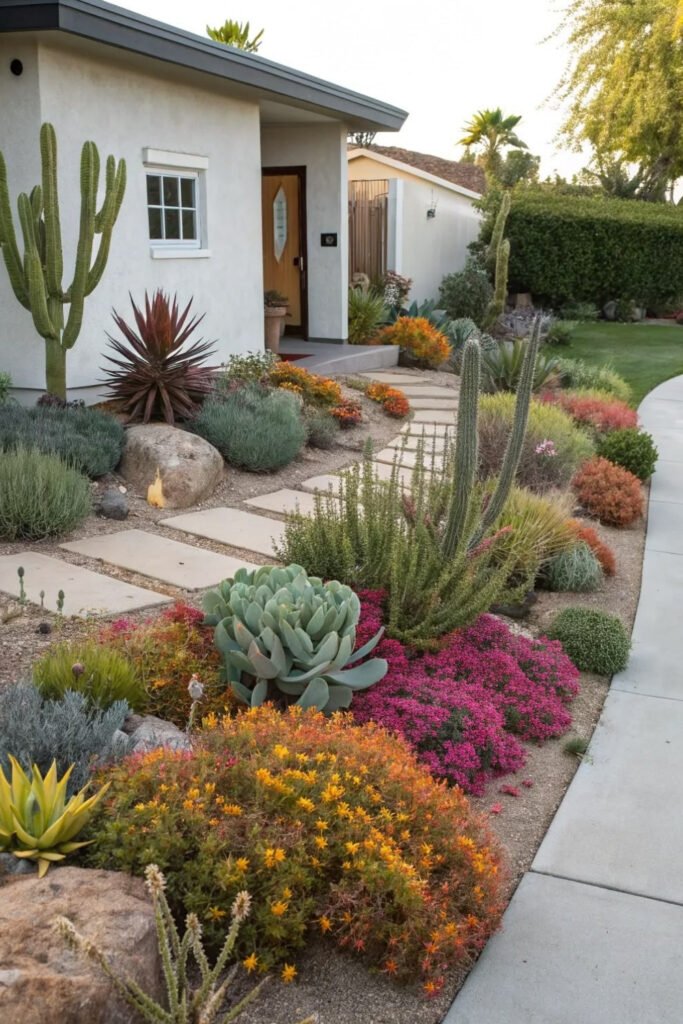
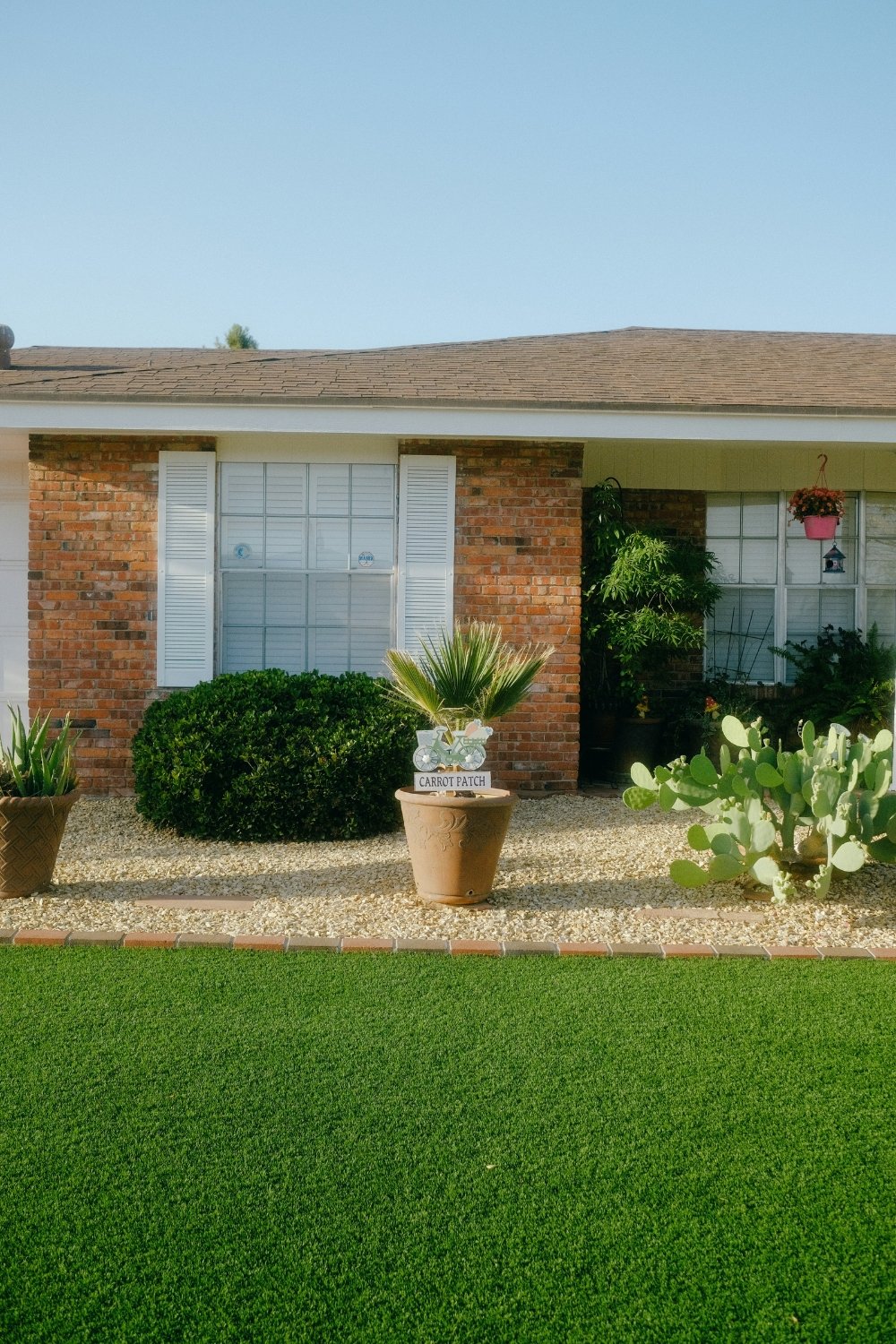
In hot, dry climates or for a bed far from the hose, drought-tolerant plants such as succulents, agave, yucca, lavender, salvia and creeping groundcovers save a lot of watering. Group them together, add gravel mulch, and the bed looks deliberate rather than sparse.
Skipping soil prep. Even the best plants struggle in compacted, poor soil. Loosen it, mix in a few inches of compost and make sure water drains. A simple soil test from your local extension office tells you what the soil is missing. This step makes a bigger difference than almost any plant choice.
Planting without a plan. Wandering the garden center and grabbing whatever catches your eye leads to the “one of everything” bed. Pick a color palette, choose a few anchor plants, and buy several of each. Repetition is what separates a designed bed from a random one.
How to start a new bed from lawn
Turning a patch of grass into a flower bed is easier than it looks. Mark the outline with a garden hose or spray paint first and look at it from the street and the front door for a day or two. Adjust the curves until they feel generous; beds almost always look smaller once they’re planted.
There are two ways to deal with the grass. The quick way is to cut the sod out with a flat spade, shake off the soil and compost the strips. The no-dig way is sheet mulching: lay plain brown cardboard over the grass (overlap the edges and remove tape), wet it thoroughly, and cover it with 3 to 4 inches of compost and mulch. The grass underneath breaks down in a few months, so it’s best started in fall for spring planting.
Either way, loosen the soil, work in compost, and water the new bed well before planting. Call 811 a few days before digging anywhere near utility lines, which are often buried along the front of a house.
Three plant combinations to copy
If choosing plants feels overwhelming, start from a proven mix and adjust it to your zone.
Sunny bed: a shrub rose or panicle hydrangea at the back, coneflowers, salvia and lavender in the middle, and catmint or sweet alyssum along the front. It flowers from early summer to fall and attracts bees and butterflies.
Shady bed: a Japanese maple or oakleaf hydrangea as the anchor, hostas and astilbe in the middle, and creeping Jenny or ajuga as a groundcover. Leaf color does most of the work, with astilbe adding flowers in early summer.
Dry, hot bed: ornamental grass such as little bluestem at the back, sedum, yarrow and Russian sage in the middle, and creeping thyme or low sedum at the edge. Once established, it needs very little watering.
What makes a flower bed design stand out?
The beds that make people slow down on the sidewalk usually come from a handful of deliberate choices that anyone can copy.
A limited color palette. Choose two or three colors that work together and repeat them through the bed: soft pink with deep purple and white, or yellow with orange and burgundy. It looks far more cohesive than every color at once.
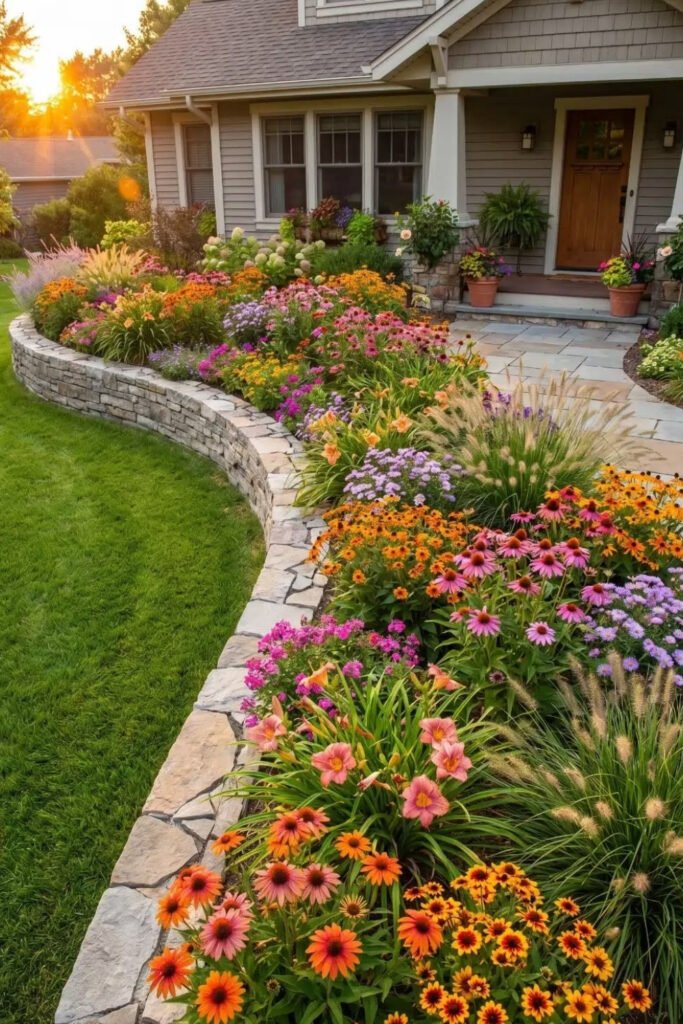
Repetition. Plant in groups of three, five or seven instead of one of each, and repeat those groups along the bed. Odd numbers look more natural, and repetition creates a rhythm that carries the eye from one end to the other.
Contrast. Pale flowers against dark mulch, fine textures beside bold leaves, cool blue next to warm orange. Each plant stands out more because of what’s next to it.
Mulch. A fresh 2- to 3-inch layer of dark brown, black or natural cedar mulch frames the bed, holds moisture and slows weeds. Keep it a few inches away from stems and trunks so they don’t rot.
The thriller, filler, spiller method
Landscape designers often build beds with a simple formula borrowed from container gardening: thriller, filler and spiller.
The thriller is the tallest, most dramatic plant. It goes at the back of the bed, or in the center if the bed is seen from all sides. Tall grasses, delphiniums, hollyhocks, a hydrangea or a shrub rose all work.
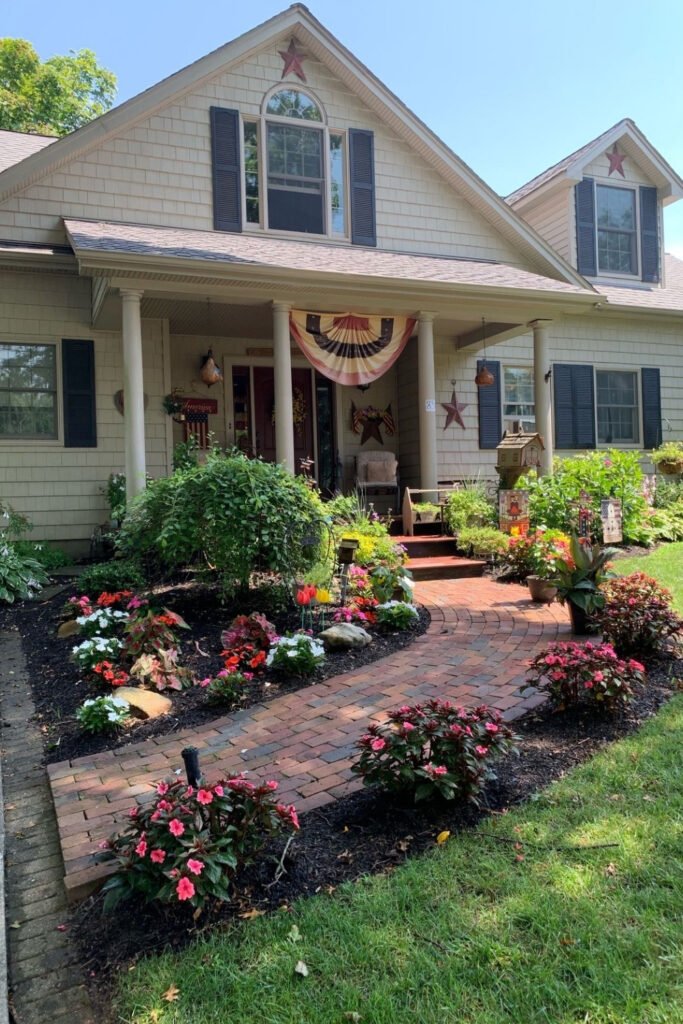
The fillers make up the middle. Medium-height plants such as lavender, salvia, coreopsis, daylilies and coneflowers add body and color. Plant them in drifts and let them weave together.
The spillers soften the front edge and connect the bed to the lawn or path. Creeping phlox, sweet alyssum, trailing verbena and low sedums are good choices, especially along a brick or stone walkway where they can tumble over slightly.
Mixing perennials and annuals helps too. Perennials come back every year and give the bed structure. Annuals flower nonstop from late spring until frost and fill gaps while the perennials grow. Plan for succession blooming as well: bulbs, then early perennials, then summer bloomers, then asters and mums in fall, so there’s always color somewhere.
Flower bed edging ideas
Edging is a small detail with a big effect. A clean edge separates the bed from the lawn, keeps grass from creeping in, holds mulch in place and makes the whole planting look finished.
Natural stone gives an organic, cottage-garden feel that suits almost any house. Flat fieldstones or river rocks in two or three slightly overlapping layers make a sturdy border that looks like it’s always been there.
Brick brings warmth and a traditional look. Set on end in a sawtooth pattern or laid flat in a soldier course, it suits colonial, craftsman and farmhouse homes and needs very little maintenance.
Raised borders in stacked stone blocks or wood timbers are a good option when the soil is poor or the yard is sloped. A raised bed filled with good soil gives plants a strong start, and the extra height makes the bed a focal point beside a porch or steps.
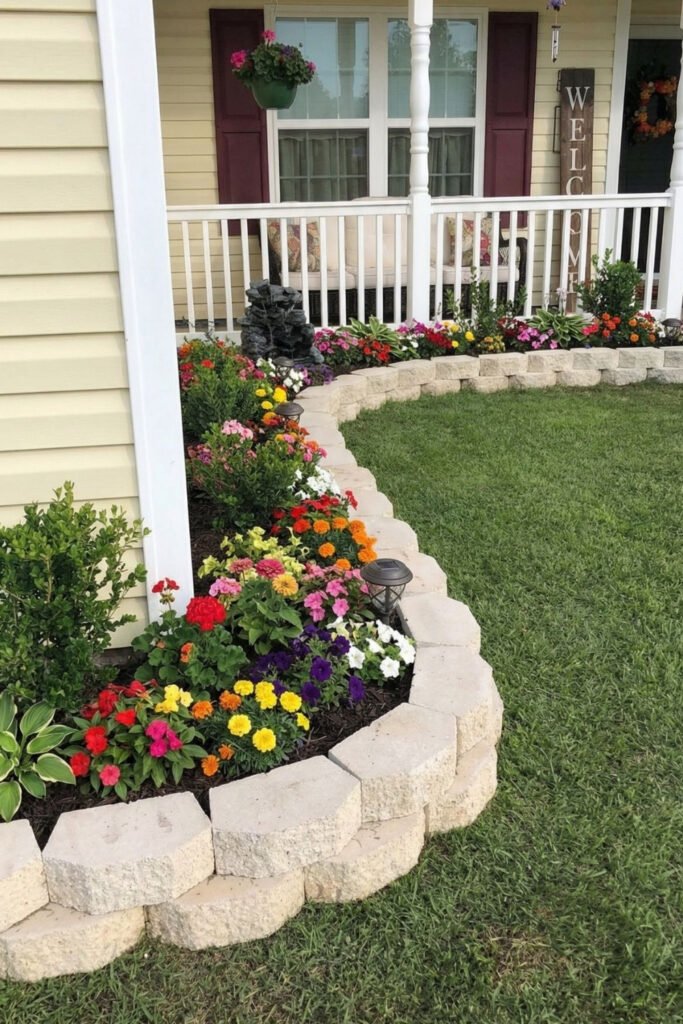
Metal edging in thin steel or aluminum gives crisp, almost invisible lines for a clean, contemporary look and stays in place for years.
Whichever you choose, use one edging style throughout the front yard. Consistency is what makes it look intentional. Set the edging slightly below lawn level if you can, so the mower runs right along it and you rarely need to trim by hand.
Simple flower bed ideas for beginners
You don’t need years of experience to make a good front bed. Some of the nicest ones start with a simple idea.
The foundation bed runs along the front of the house between the wall and the lawn. Give it a gentle curve rather than a straight line, plant a few evergreen shrubs for structure and fill around them with perennials. Make it deeper than you think, often 5 to 6 feet, and leave a gap of a couple of feet between shrubs and the wall for airflow and maintenance.
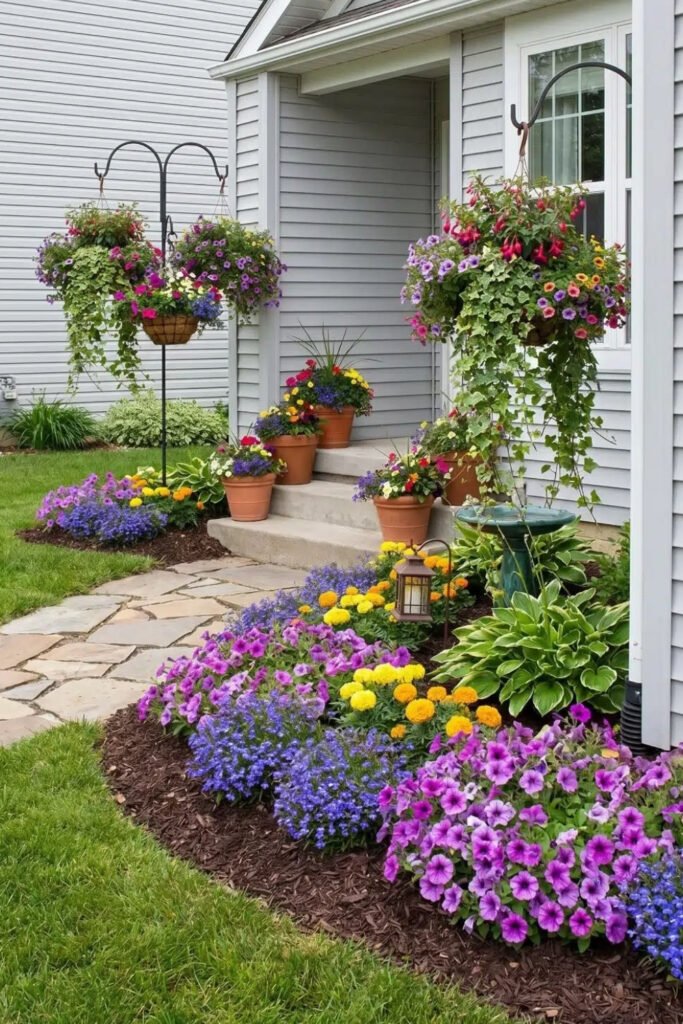
Flowers by the front door get the most attention, so it’s worth putting the brightest color there. Petunias, calibrachoa and geraniums in the bed, plus a couple of hanging baskets or pots on the steps, make the entrance feel welcoming. Containers also let you change the color every season without touching the rest of the bed.
A bed around a tree adds instant character. Plant shade-tolerant hostas, ferns, impatiens and spring bulbs in a ring around the trunk, keeping soil and mulch from piling up against the bark. Avoid adding more than a couple of inches of new soil over the roots.
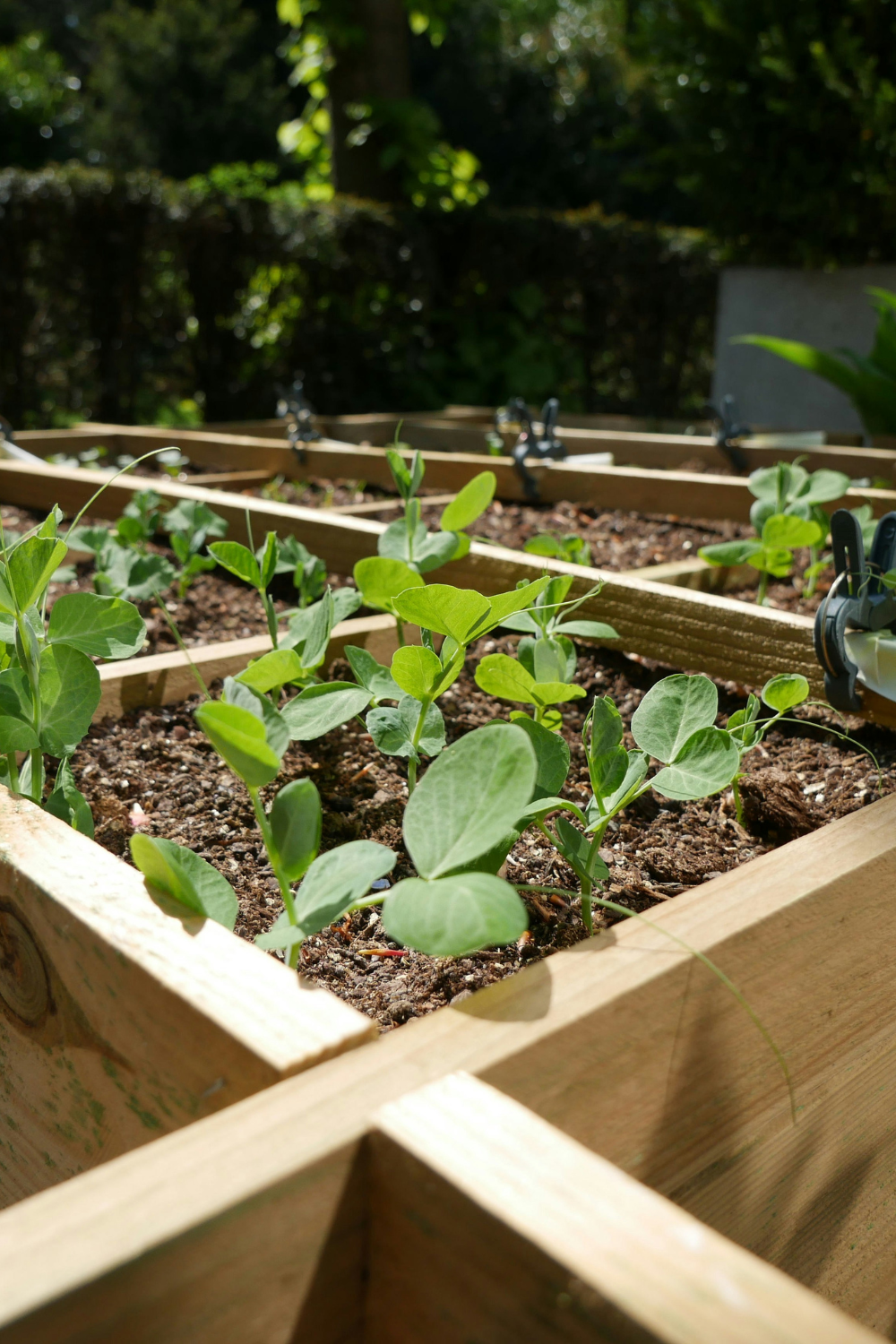
A raised bed or stock tank by the entrance is easy to build, can be filled with good soil whatever your yard is like, and adds a farmhouse touch. Fill it with seasonal flowers and swap them as the year goes on.
The main thing is to start. A small, well-kept bed makes a bigger impact than a large, neglected one.
A flower bed for under $40
A good-looking bed doesn’t need a big budget.
Start from seed. A packet of zinnia, cosmos or marigold seeds costs a couple of dollars and can fill a whole bed. Sow them directly after your last frost date, keep them watered, and in six to eight weeks the bed looks full.
Shop end-of-season sales. Garden centers cut prices on perennials in late summer and fall. They may look tired in the pot, but planted in the ground they come back strong the next spring.
Use free mulch. Many cities and tree services give away wood chips. A thick layer instantly makes a bed look tidy.
Make your own edging. Rocks from your own yard, salvaged bricks or reclaimed wood make a rustic border for little or nothing.
Divide and share. Most perennials need dividing every few years, and gardeners are usually happy to share. One generous neighbor can supply enough hostas, daylilies and irises for a whole bed.
Perennials for color in every season
A front bed built around perennials gets easier every year, because the plants come back bigger and fuller.
Spring: tulips, daffodils, hyacinths and crocuses are the first color after winter. Plant them in fall, in drifts rather than single lines, and layer early and late varieties for weeks of bloom. Daffodils are a safe choice where deer or rabbits visit, since they tend to leave them alone.
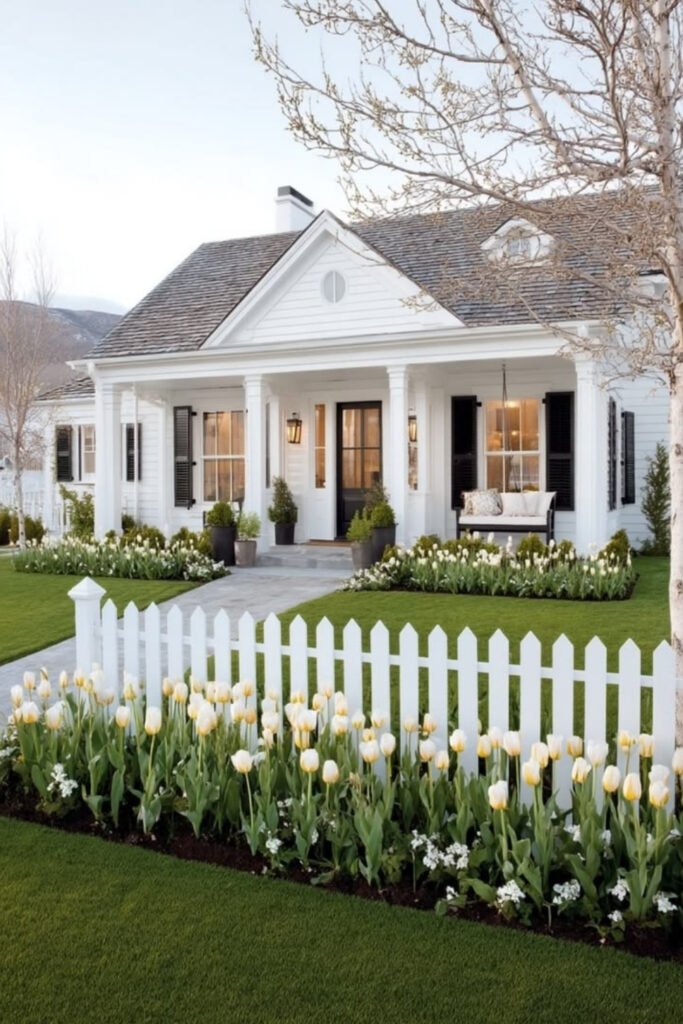
Summer: coneflowers (Echinacea), black-eyed Susans (Rudbeckia), daylilies, lavender and salvia handle sun and heat, attract pollinators and bloom for weeks.
Fall: sedum ‘Autumn Joy’, asters, mums and ornamental grasses carry the bed into fall. Grasses are especially useful: their plumes catch low autumn light and add movement that flowers alone can’t.
Winter: evergreens such as boxwood, holly and dwarf conifers keep the bed from looking bare. Leave dried hydrangea heads and seed heads standing, and add something with colorful stems or berries, like red-twig dogwood or winterberry.
Aim for at least two or three plants flowering in every season. A simple calendar with each plant’s bloom time shows the gaps before you plant. Check that everything you choose is rated for your USDA hardiness zone, so it survives winter where you live.
Pets, kids and pollinators
Front beds are often the first thing a dog sniffs or a toddler grabs. Several common garden plants, including foxglove, lily of the valley, oleander and some lilies, are toxic to pets or people if eaten. The ASPCA keeps a searchable list of plants that are toxic to dogs and cats, which is worth checking before you plant near the walkway.
Pollinators, on the other hand, are easy to welcome. Single, open flowers such as coneflowers, salvia, asters and native plants for your region feed bees and butterflies far better than heavily doubled varieties. Leaving a few seed heads standing over winter gives birds something to eat, and skipping broad insecticide sprays protects the insects you want.
Keeping the beds looking good
A few minutes a week keep a front bed tidy. Water deeply once or twice a week rather than a little every day, so roots grow down. Deadhead spent flowers to keep annuals and many perennials blooming. Pull weeds while they’re small, ideally after rain when they come out easily. In early spring, cut back last year’s dead stems, top up the mulch and redefine the edges with a spade. In fall, divide crowded perennials, plant bulbs for next spring and move anything that ended up in the wrong spot, since cooler weather makes transplanting much easier on the plants. Keep a quick note or phone photo of what worked each season; it makes next year’s shopping list almost write itself.
Final thoughts
Beautiful front flower beds don’t need a design degree or a big budget. They start with avoiding a few common mistakes, layering heights and textures, sticking to a small color palette and choosing plants for each season.
My take: one well-planted bed by the front door does more for a house than a whole yard of half-finished projects. Pick a spot, plan the layers, and start planting. Which bed are you starting with? Tell me in the comments.
Leave a Reply