

When it’s done right, river rock can turn an ordinary outdoor space into something that looks like it belongs in a design magazine. When it’s done wrong? It looks messy, cheap, and like a problem you’ll regret for years.
The good news is that getting it right isn’t complicated or expensive. Whether you’re dealing with an ugly bare patch, a slope that keeps washing out, or a flower bed that needs a refresh, river rock landscaping ideas can solve real problems while making your yard look polished. In this post, you’ll learn which ideas actually work, which mistakes to avoid, how to handle weeds and drainage, and even how to pull off a full project for under $75.
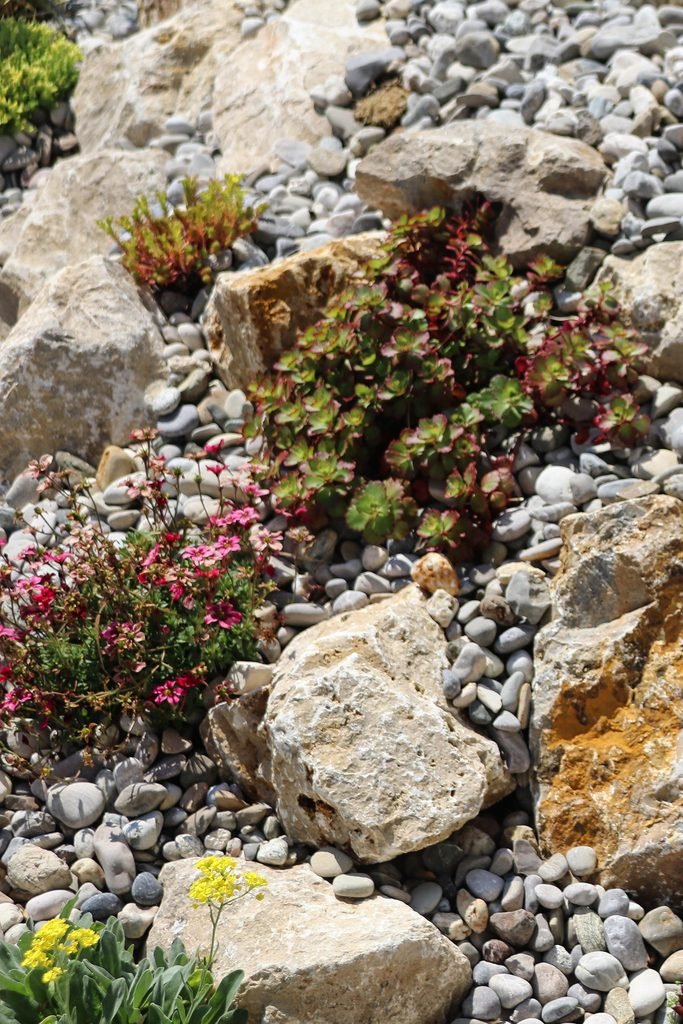
Image by Alexander Fox | PlaNet Fox from Pixabay
What Is River Rock Landscaping (And Why Does Everyone Love It)?
River rock refers to smooth, naturally rounded stones that have been shaped by water over time. They come in a range of sizes (from tiny pebbles to large boulders) and colors (grays, tans, blacks, reds, and even blues). That natural variety is a big part of their appeal.
Benefits of Using River Rock in Your Yard
River rock is one of the most practical landscaping materials you can use. It doesn’t need watering, mowing, or seasonal replacement like mulch. Once it’s down, it stays for years.
It also improves drainage by letting water flow freely through the gaps between stones. That means less standing water, less mud, and fewer soggy spots after a storm. On top of that, a thick layer of river rock blocks sunlight from reaching weed seeds, which slows down new growth before it even starts.
River rock works in nearly any style of yard, from a modern rock garden landscaping setup with succulents and clean lines to a more natural river rock garden with wildflowers and ornamental grasses. It pairs well with wood, concrete, metal, and greenery. That versatility is exactly why homeowners keep coming back to it.
7 Low-Maintenance River Rock Landscaping Ideas That Actually Look Good
Here are some of the best river rock landscaping ideas to try, whether you’re starting from scratch or refreshing what you already have.
Create a Dry Creek Bed That Looks Natural
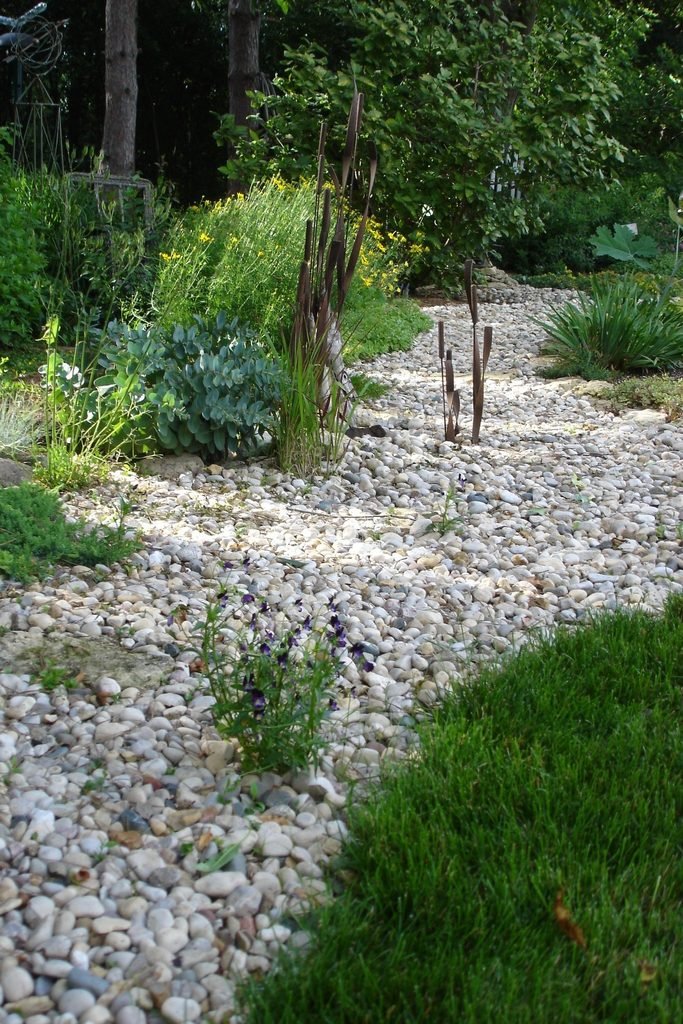
Image by Brooke Rogers from Pixabay
A dry creek bed is one of the most popular ways to use river rock, and for good reason. It looks beautiful, channels water away from your foundation, and solves drainage issues all at once.
The trick is making it look real. Mix small and large stones together and add ornamental grasses or native plants along the edges. Follow a slight curve instead of a straight line. Real creek beds aren’t perfectly symmetrical, and yours shouldn’t be either.
Build a River Rock Flower Bed With Clean Edges
A river rock flower bed gives your garden structure and keeps things tidy without the constant upkeep of traditional mulch beds. Use larger stones along the border and fill the interior with medium-sized rocks.
One tip: keep the edges clean. Use metal or plastic edging to create a defined line between the rocks and the lawn. Without it, the stones will slowly migrate into the grass, and the whole thing starts looking sloppy. If you love the look of defined borders, check out these brick flower bed border ideas for even more inspiration.
Use River Rock and Mulch Together for Contrast
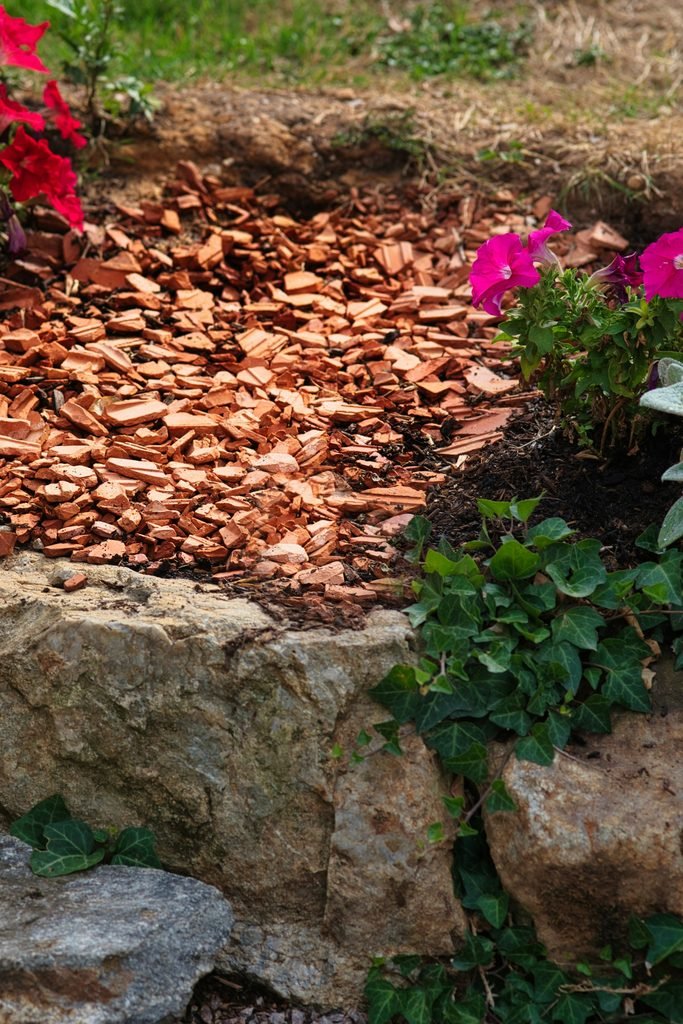
Photo by David Billington on Unsplash
River rock and mulch landscaping is a smart combo that gives you the best of both worlds. Use mulch around plants where soil moisture matters and river rock in pathways, borders, or accent areas where you want zero maintenance.
The contrast between dark mulch and light stone (or vice versa) adds visual depth to your yard. This layered approach also helps with weed control and keeps each section of your landscape looking intentional rather than random.
Try Black River Rock for a Modern Look
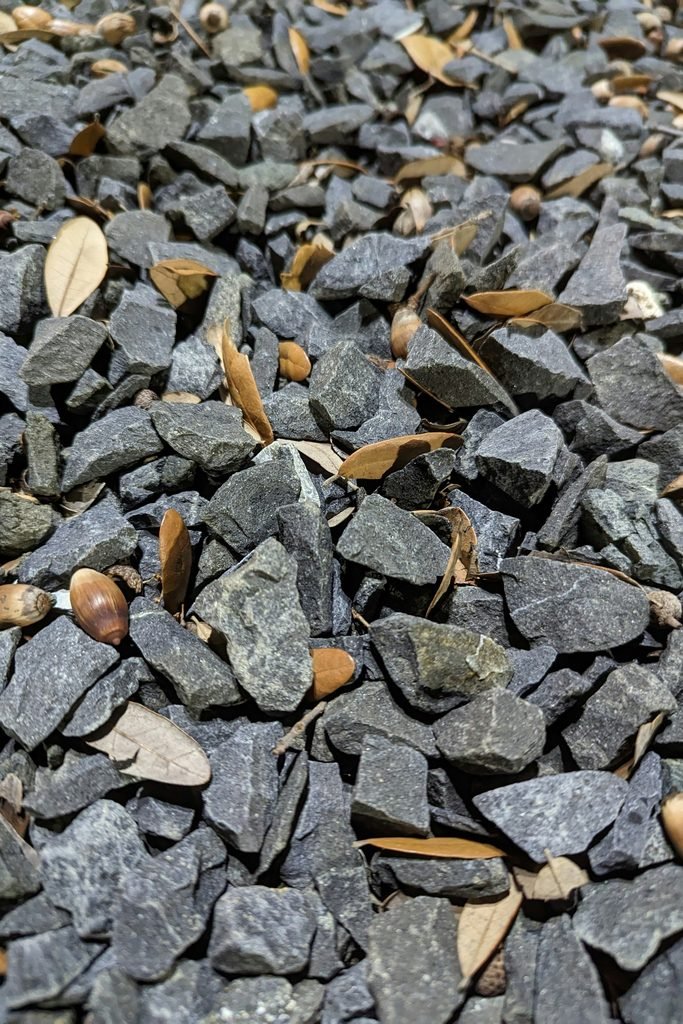
Photo by Melanie Magdalena on Unsplash
If your home has a contemporary feel, black river rock landscaping is worth considering. The dark tones create strong contrast against light walls, wood decks, and green plants. It reads as polished and high-end without a high-end price tag.
Black river rock works especially well in geometric layouts, around modern planters, or as a border for minimalist garden beds. It also looks great near water features, where the wet surface reflects light and adds depth.
Add River Rock Around a Pool Area
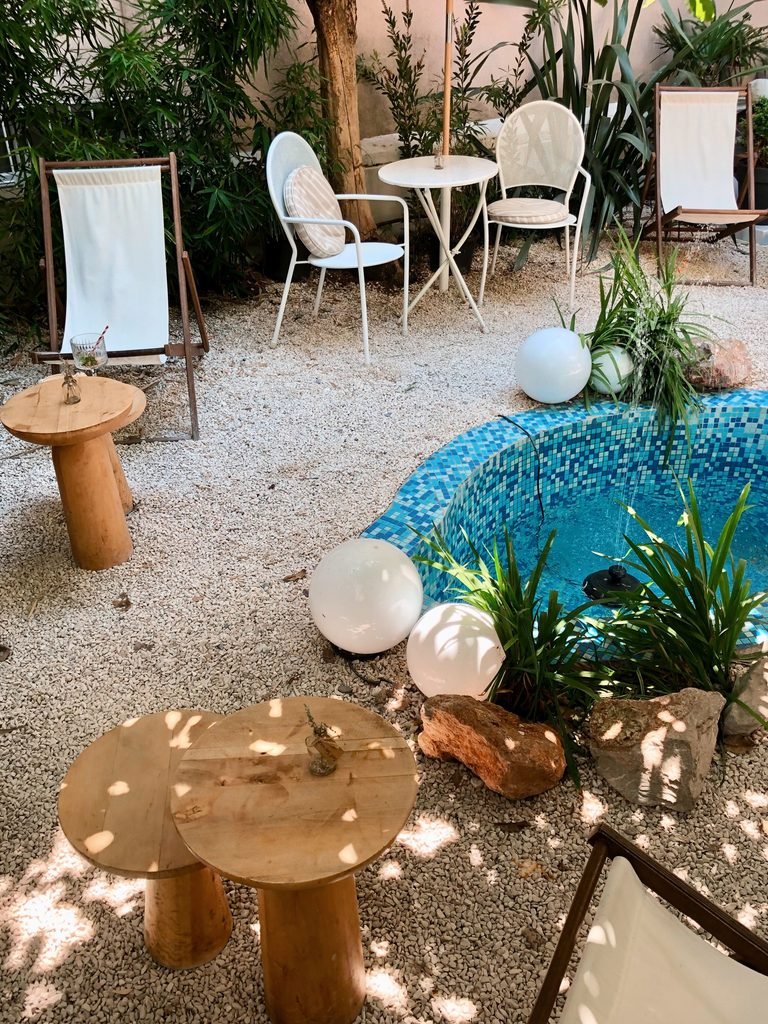
Photo by Dilan Ceviz on Pexels
Using river rock around pool spaces gives your backyard a resort-style feel. Light-colored stones reflect heat away from the pool, while darker tones add contrast and drama.
Pair river rock with pavers or flagstone to create a walkway around the pool edge. Add low-maintenance plants like ornamental grasses or succulents for a finished look. If you’re working on your patio area too, you might like these budget-friendly patio decorating ideas to tie everything together.
Design a River Rock Fireplace or Fire Pit Area
A river rock fireplace (or fire pit surround) makes any outdoor gathering spot feel cozy and intentional. The smooth, rounded stones add texture and warmth to the space, and they hold up well to heat exposure.
Choose a flat area, mark out the shape, and add a gravel base before layering the river rock around the pit. Finish with comfortable seating and some string lights for an outdoor hangout spot you’ll actually use. If you want to build the fire pit itself, take a look at our guide to building a DIY fire pit on a budget.
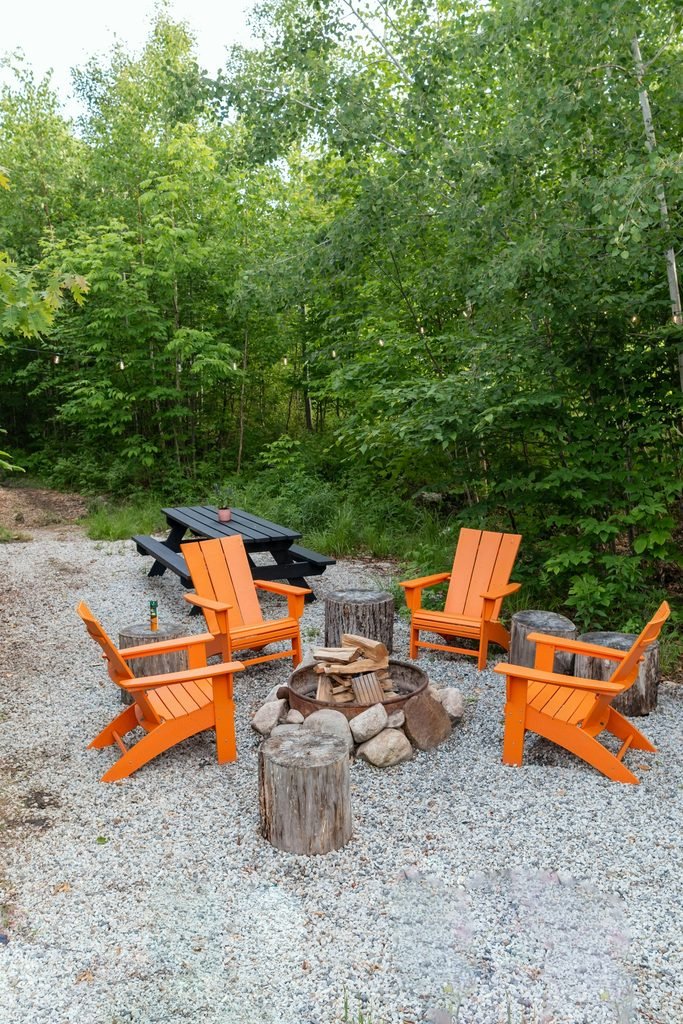
Photo by Andrea Davis on Unsplash
Build a Spa-Inspired River Rock Shower
River rock shower ideas are popular for a reason. The smooth stones create a natural, spa-like feel underfoot, and they drain beautifully. This works for both outdoor rinse stations (near a pool or garden) and indoor bathroom floors.
The key is choosing flat, evenly sized stones and setting them into mortar or a drainage-friendly base. The result is a shower floor that feels like a mini retreat every time you step on it.
How We Covered an Ugly Patch With River Rock for $75
You don’t need a massive budget to make a real difference. One of the easiest weekend projects is covering an ugly bare patch (or a problem area where grass just won’t grow) with river rock.
Here’s the basic approach. First, clear the area of weeds and debris. Level the ground and lay down landscape fabric, pinning it in place with landscape staples. Then spread your river rock in an even layer, about 2 to 3 inches deep.
For a small area (roughly 30 to 50 square feet), you can often pull this off for around $75 or less, depending on where you source the rocks. Local landscape supply yards usually sell river rock by the ton or cubic yard, which is far cheaper than buying bagged rock from a big box store. Add a few plants or stepping stones if you want, and you’ve got a finished look for the cost of a nice dinner out.
River Rock Landscaping Ideas for Slopes and Tricky Areas
Slopes are one of the trickiest spots to landscape. Grass gets thin, mulch washes away, and erosion turns the whole area into a muddy mess every time it rains.
River rock is one of the best materials for slopes because the weight of the stones keeps them in place. Larger rocks (3 inches and up) work best here since they won’t roll or shift during heavy rain. Layer them over landscape fabric to keep weeds down and soil stable.
For extra stability, combine river rock with ground-cover plants that have deep root systems, like creeping thyme or sedge grasses. The roots hold the soil while the rocks handle water runoff. If your slopes connect to drainage areas, pair this with these top drainage ideas for your yard for a complete solution. For smaller yards with tricky layouts, these tips for designing small garden spaces can help you maximize every square foot.
3 River Rock Landscaping Mistakes That Look Cheap Fast
River rock can look incredible, but a few common mistakes will make even good materials look bad. Here’s what to watch out for.
Using the Wrong Size Rock for the Space
Scale matters. Tiny pea-sized stones in a large open bed look lost and unfinished. Huge boulders crammed into a narrow side yard look out of place. Match the rock size to the area. Medium stones (1 to 3 inches) work for most beds and borders. Save larger rocks for focal points and smaller ones for pathways.
Skipping Landscape Fabric Underneath
This is one of the biggest mistakes people make. Without a proper barrier between the soil and the rock, your stones will slowly sink into the ground and weeds will push right through.
Use a non-woven, water-permeable landscape fabric under river rock. It lets water drain while keeping the stones from disappearing into the dirt. Skip the plastic sheeting though, because it traps water and creates drainage problems.
Not Adding Enough Depth
A thin, scattered layer of river rock looks cheap immediately. You can see the fabric (or bare dirt) underneath, and it gives the impression that you ran out of material halfway through.
The general rule from pros is to excavate at least twice the depth of the rock you’re using. So for 2-inch river rock, dig down at least 4 inches. This gives you enough depth for at least two layers of stone, which hides the ground underneath and creates that full, professional look.
Is Your River Rock Landscaping Growing Weeds Everywhere?
If weeds are popping up through your river rock, you’re not alone. It’s one of the most common complaints homeowners have, but it’s almost always fixable.
Here’s the thing: river rock is a no-water landscape, not a no-maintenance landscape. You still need to pull weeds regularly (about 10 minutes every week or two) and keep an eye on things.
For a longer-term fix, start with quality landscape fabric underneath the rocks. Add steel or plastic edging around the perimeter to stop grass from creeping in. A pre-emergent herbicide (or a natural option like corn gluten applied in spring and fall) will slow new weed seeds from taking hold. And if weeds have already taken over, you may need to pull back the rocks, lay fresh fabric, and reset the whole area.
How to Use River Rock in Landscaping Without Drainage Problems
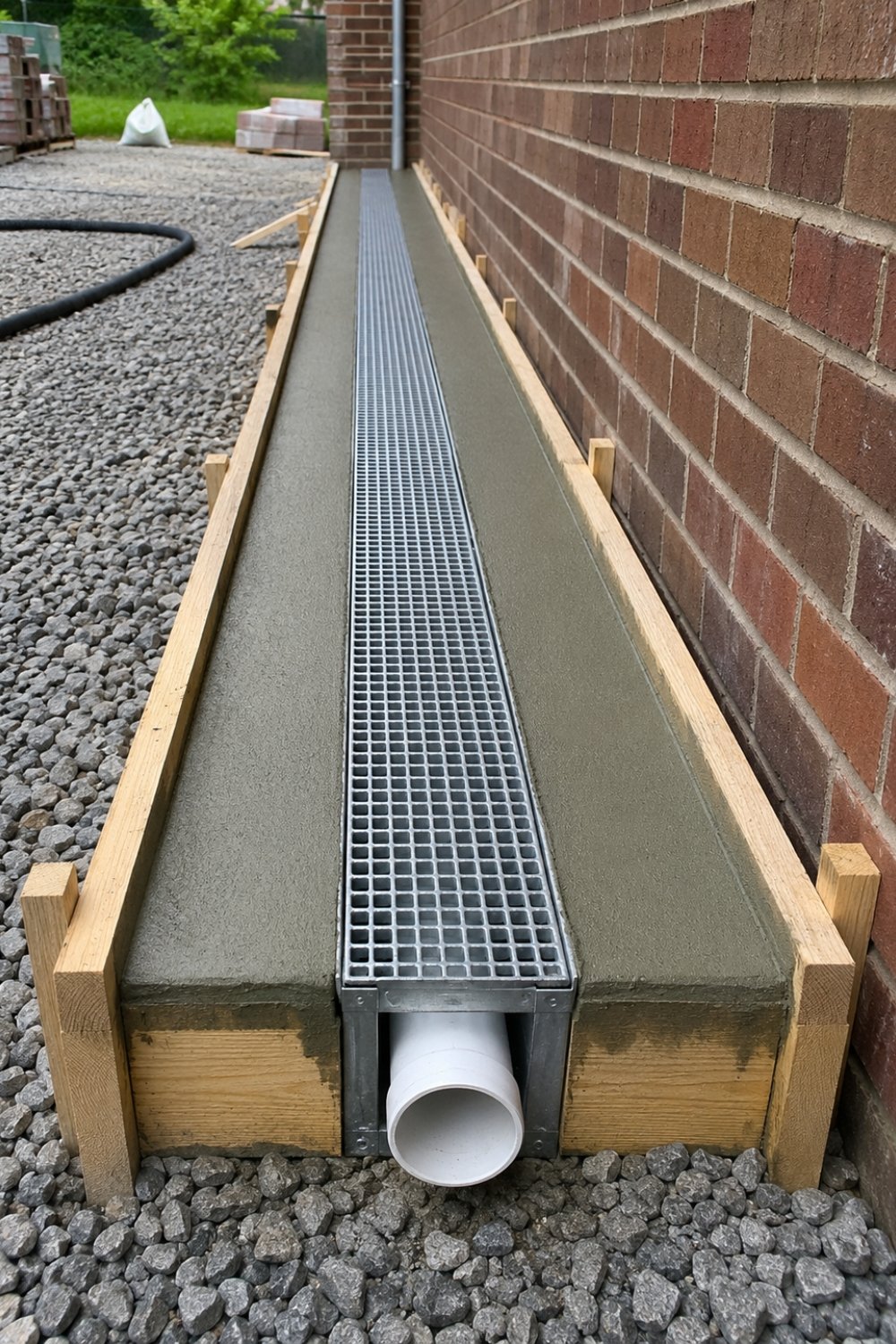
Drainage issues with river rock usually come down to what’s underneath the stones, not the stones themselves. River rock actually drains beautifully on its own because water flows freely through the gaps.
Problems happen when people use plastic sheeting instead of permeable fabric. That plastic acts as a water barrier, trapping moisture and creating puddles. Always use a geotextile landscape fabric that allows water to pass through while still blocking weeds.
Grading matters too. Make sure the ground slopes slightly away from your home’s foundation (about 1 inch of drop per 10 feet of distance). If you’re adding river rock near the house, a base layer of compacted gravel underneath improves both drainage and stability. Get the base right and the river rock will take care of the rest.
River Rock vs Pea Gravel: Which Stays Put?
This is one of the most common questions for anyone planning a rock landscape. Both materials look great, but they behave differently once they’re installed.
River rock is heavier and stays in place better, especially on slopes or in areas with water flow. It’s the better pick for erosion control, decorative beds, and dry creek beds. Pea gravel, on the other hand, is smaller and more uniform, which makes it more comfortable to walk on and easier to rake smooth.
The tradeoff? Pea gravel tends to scatter in high-traffic areas and needs edging to keep it contained. River rock holds its position but costs more and is heavier to install. For most landscaping beds and borders, river rock wins on durability. For walkways, patios, and play areas, pea gravel is the practical choice. And yes, you can absolutely combine both in different zones of your yard for the best of each.
Make Your Yard Work for You
River rock landscaping is one of those rare projects where a little effort goes a long way. You get a yard that looks put-together, handles rain without turning into a mud pit, and doesn’t demand your weekends for upkeep.
Start with one area. Maybe it’s that bare spot by the fence, the slope that keeps washing out, or the flower bed that needs a refresh. Pick the right size stone, lay your fabric, go deep enough, and keep the edges clean. That’s the formula.
Save this post for when you’re ready to start your project, and drop a comment if you have questions about making river rock work in your yard. You’ve got this.


Leave a Reply