
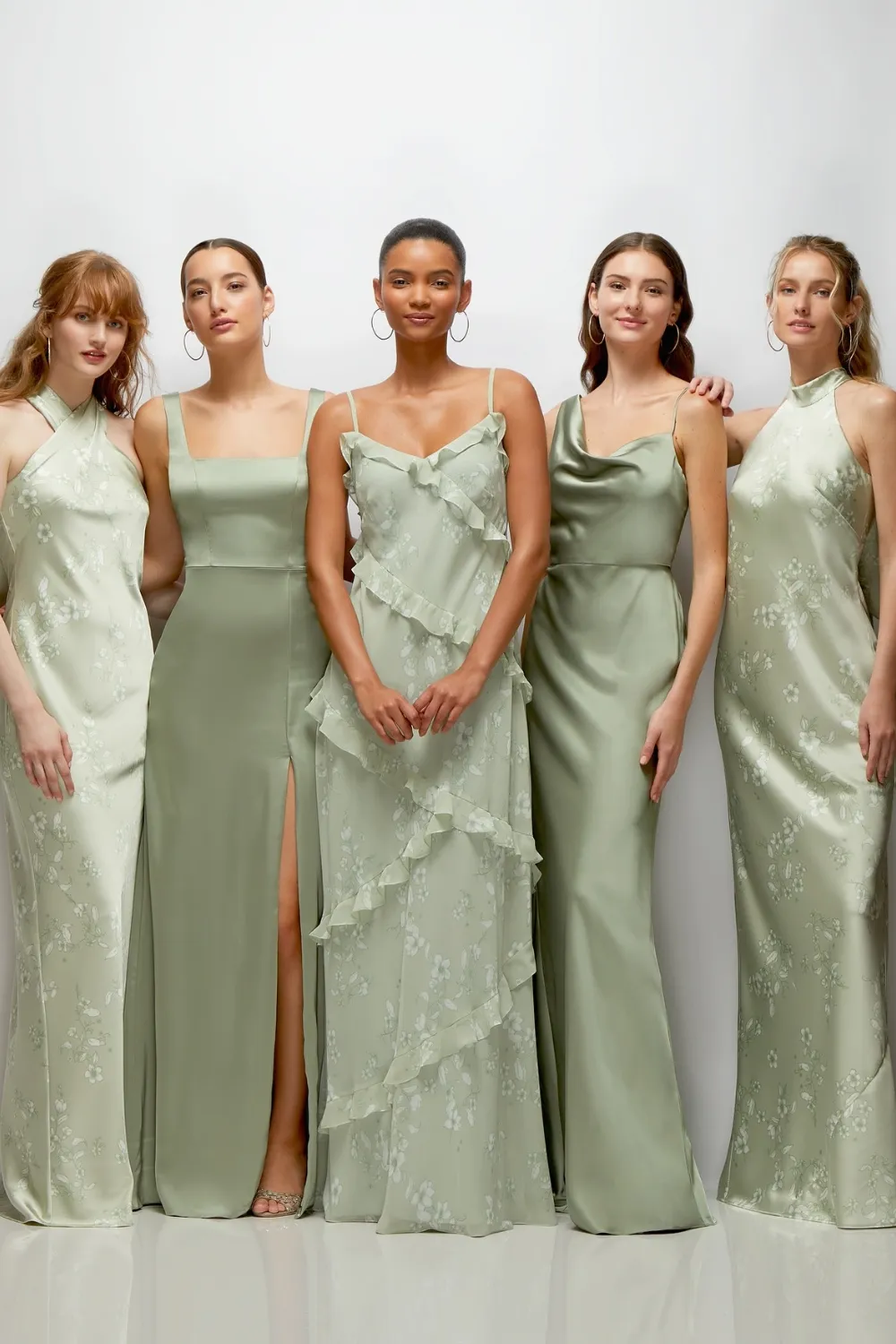
The easiest way to dress a bridal party where everyone looks good is to stop asking everyone to wear the same dress. Pick one thing the group shares, a color, a fabric or a color family, and let each bridesmaid choose the neckline and silhouette that works for her body. The lineup still reads as one group in photos, and nobody spends the reception tugging at a strap that was never meant for her. The bride’s dress can set the tone too: if she’s wearing one of these backless wedding dresses, a few low-back or cross-back styles in the lineup echo it nicely.
Which bridesmaid dress neckline and silhouette suits which body?
No cut belongs to one body type, but each one does something specific: it draws the eye somewhere, it supports or it doesn’t, it hides or shows certain areas. Knowing what each style does makes choosing much easier than any “best dress for your shape” chart.
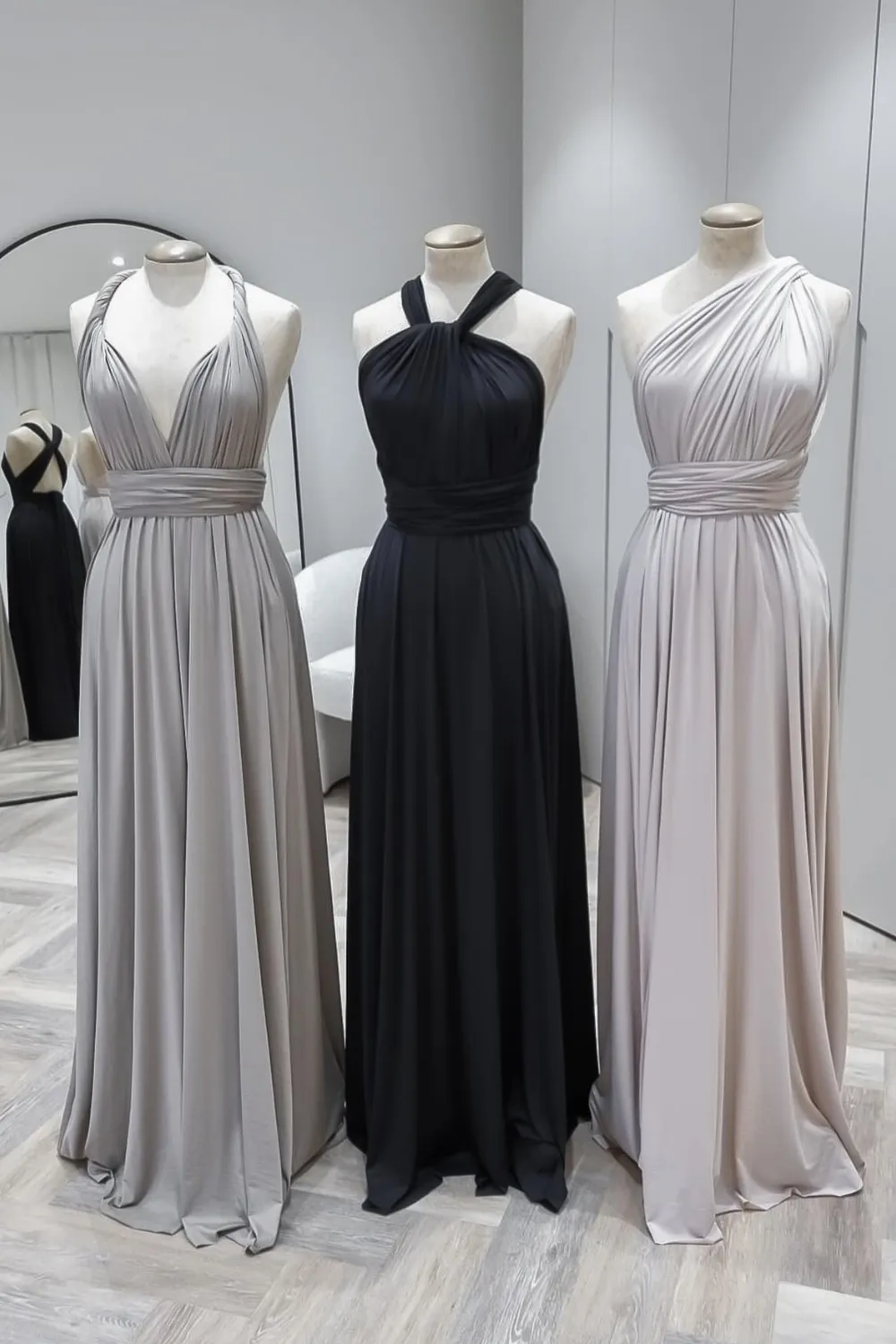
- Halter. Wraps around the neck and shows off the shoulders and arms. It suits broad and narrow shoulders alike, and it’s a good pick for anyone who likes her collarbones. The catch: a regular bra won’t work, so plan on a strapless or stick-on option, and if bust support matters, look for a halter with a built-in cup or a thicker neck strap.
- One-shoulder. Draws a diagonal line across the body, which breaks up a straight silhouette and puts the focus on the neck and one shoulder. It stays in place better than a strapless dress, and the single strap gives some support.
- Cowl slip. A bias-cut slip dress with a draped neckline. It skims the body instead of holding it in, so it looks easy and relaxed on slimmer frames and anyone comfortable in a close fit. The draped neckline also adds volume at the chest.
- Off-shoulder. A wide neckline that sits below the shoulders. It frames the face and collarbones and balances wider hips by drawing attention upward. It does restrict how high you can lift your arms, which matters if the dance floor is part of the plan.
- A-line chiffon. Fitted at the bodice, then flowing out from the waist. This is the cut that suits the widest range of bodies, because it defines the waist and skims everything below it. Chiffon moves when you walk and doesn’t cling.
- Convertible multiway dresses. One long skirt with straps you can wrap into a halter, a one-shoulder, a V-neck or a cross-back. Everyone buys the same dress and ties it differently, which solves the matching question and the flattering question at once.

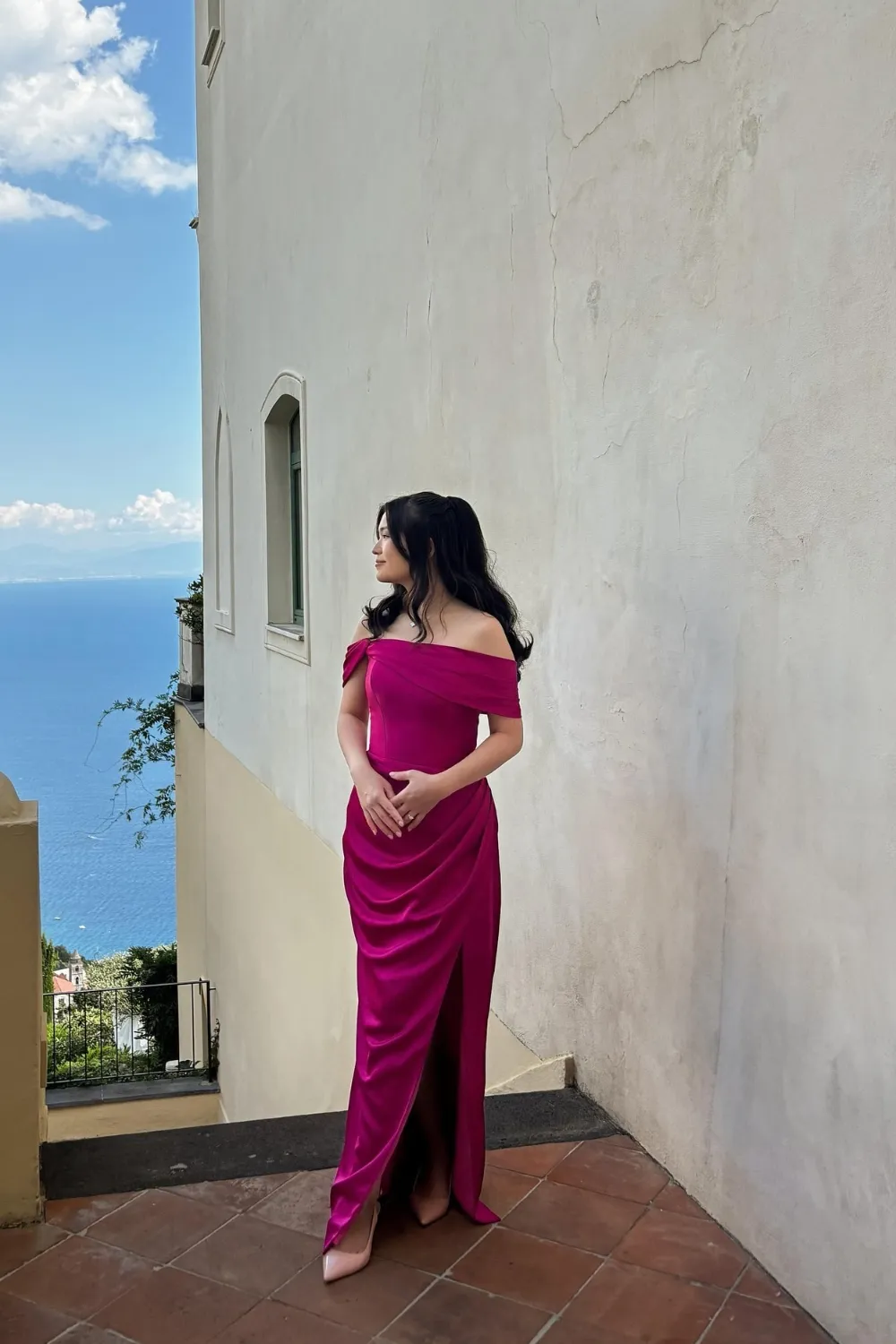
A V-neck pairs with almost all of these and deserves a mention on its own: it lengthens the neck and works on most busts, from small to full. A sweetheart neckline does something similar with a softer, curved line.
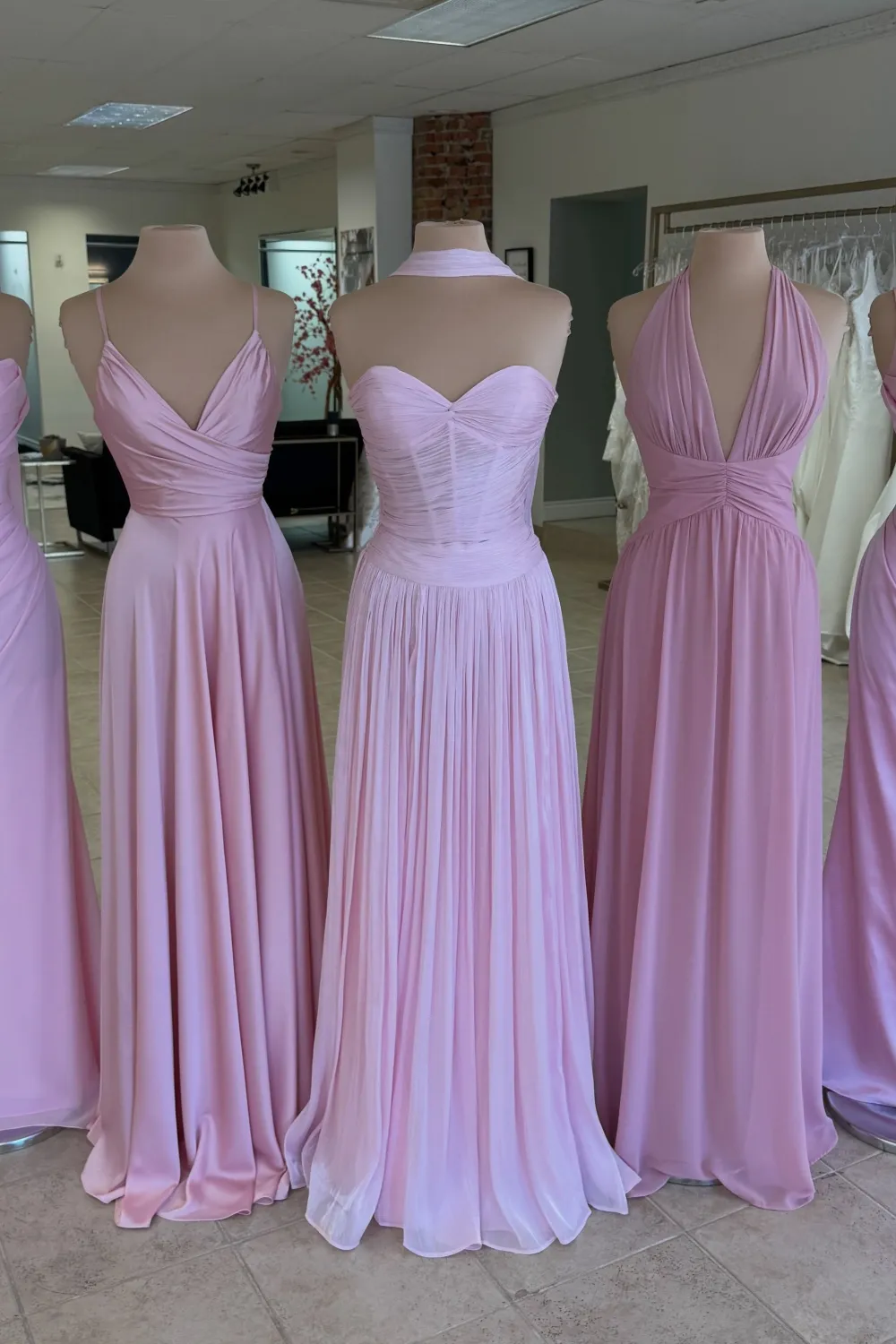
Length is the other lever. Floor-length dresses make most people look taller, and a side slit keeps a long dress from swallowing a petite frame. If you’re shorter, a slit that starts above the knee shows more leg and helps a fitted skirt look less heavy.
Whatever bridesmaid dress style each person picks, leave time for alterations. Hemming for the exact shoe height, taking in the bodice and adjusting straps make more difference to how a dress looks than the cut itself. Ask everyone to bring the shoes they’ll wear to the fitting, because a hem pinned for flats will drag once heels go on.
For plus size bridesmaids, wrap and A-line dresses with wider straps or sleeves give support without extra fabric, and most lines now offer the same colors in extended sizes. Petite bridesmaids often do better with a midi or a raised waist, since a floor-length skirt usually needs hemming.
How do you keep a mixed lineup looking like one group?
Mismatched bridesmaid dresses only look intentional when the group shares something. There are three ways to do it, from safest to boldest.
The first is the same color in different cuts. Everyone wears dusty blue, for example, but one picks a halter, one a strapless, one a slip dress. This is the safest version and the one that photographs most clearly as a set. The trick is getting the shade right across different shops and fabrics, since one brand’s dusty blue can be another’s powder blue. Ordering swatches first, or buying from one retailer that offers many styles in the same colorway, solves most of that. Many wedding bridesmaid dresses are made to order, so set the ordering deadline early enough to leave room for shipping, a wrong size and alterations.
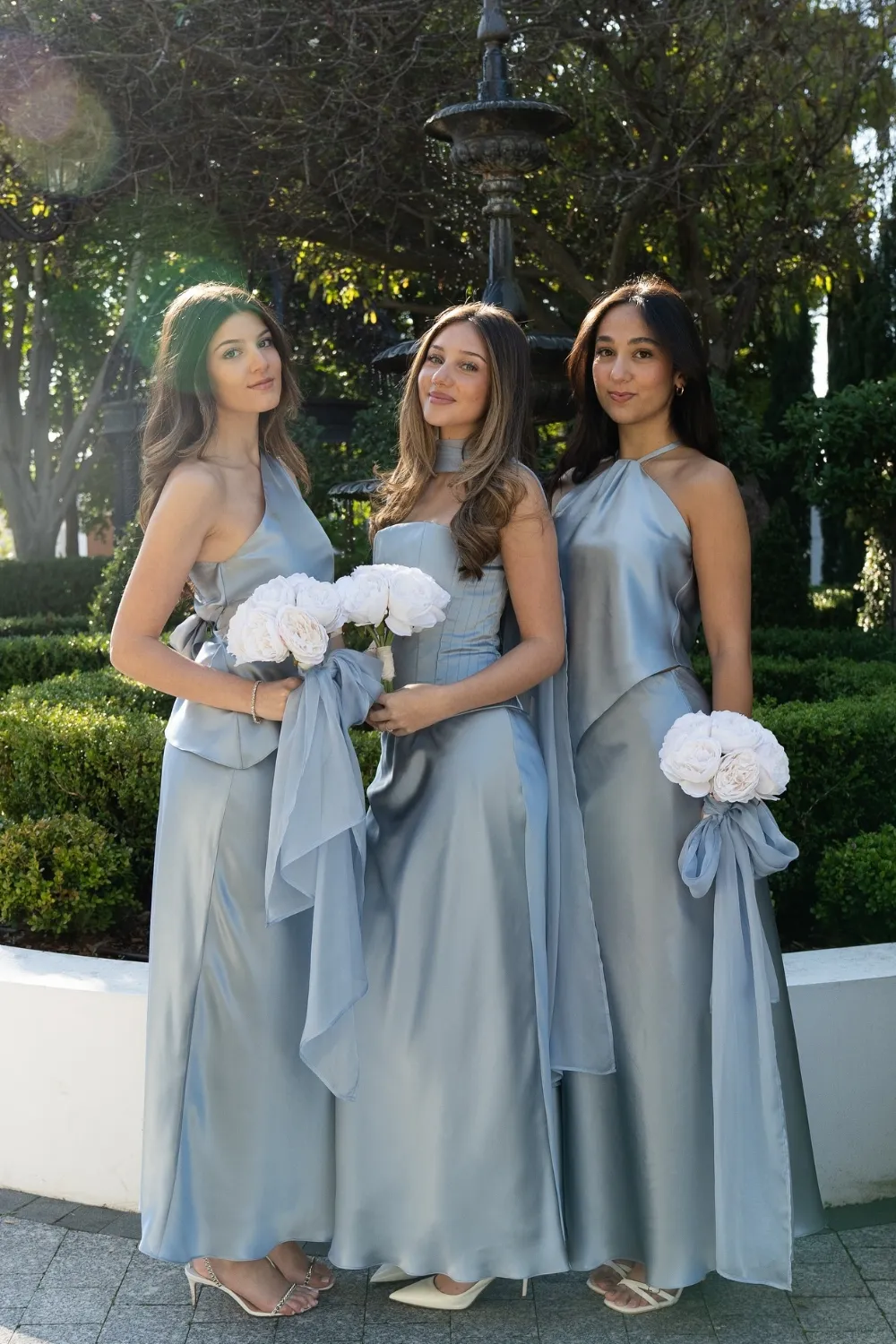
The second is the same fabric in different colors. All satin or all chiffon, in a range of shades. The shared fabric keeps the group looking like one party even when the colors change, because the light hits every dress the same way.
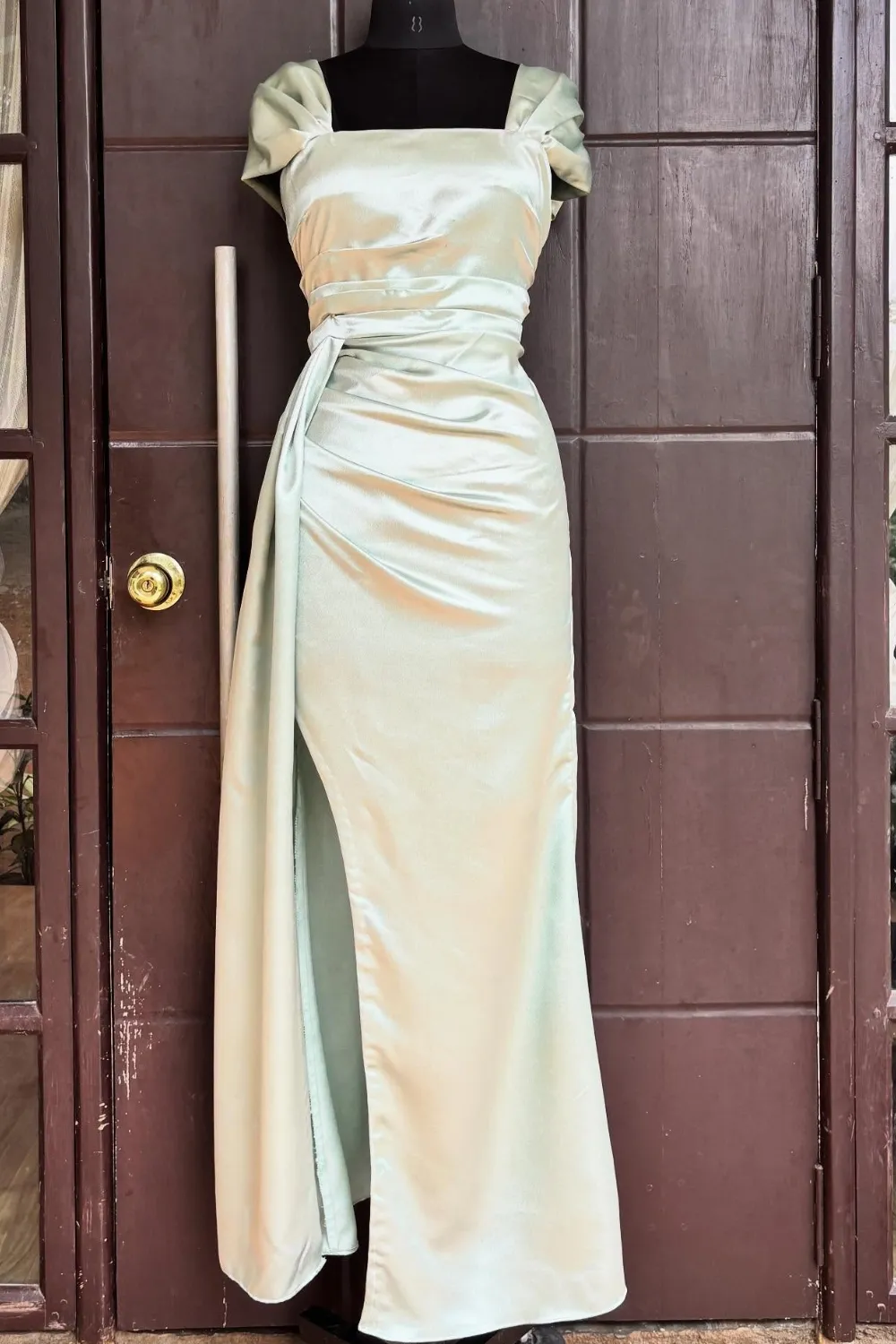
The third is one color family in several shades: sage, olive and mint together, or blush, dusty rose and mauve. This is where floral bridesmaid dresses fit in too. One or two printed dresses in the same tones as the plain ones make a mixed group look styled rather than random. Keep the print small and the background color in your family, and the floral dress ties the lineup together instead of standing out.

In my opinion, the second and third options are kinder to a mixed group. A single exact color can look great on some skin tones and less so on others, while a color family lets each bridesmaid pick the shade that suits her face.
Which bridesmaid dress colors work for which season?
Season sets the mood more than any style trend. A few palettes that keep working year after year:
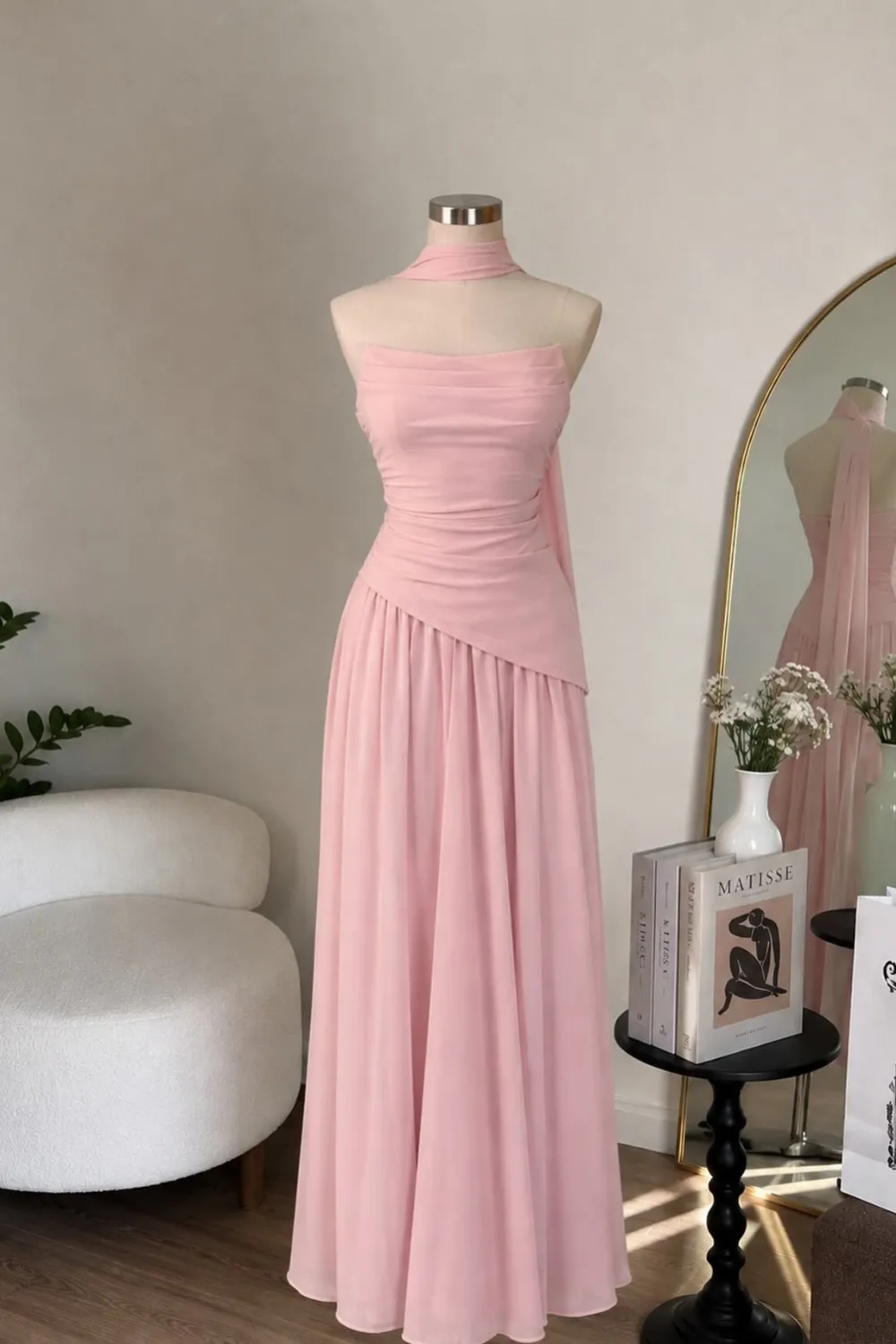
For spring and summer, pastel bridesmaid dresses are the classic choice: lilac, sage, dusty blue, mint and blush. Summer bridesmaid dresses in light fabrics like chiffon handle heat better than satin, and these softer colors suit daylight and outdoor ceremonies. A dusty rose bridesmaid dress works across both seasons, since it’s warmer than baby pink and doesn’t wash out in bright sun.
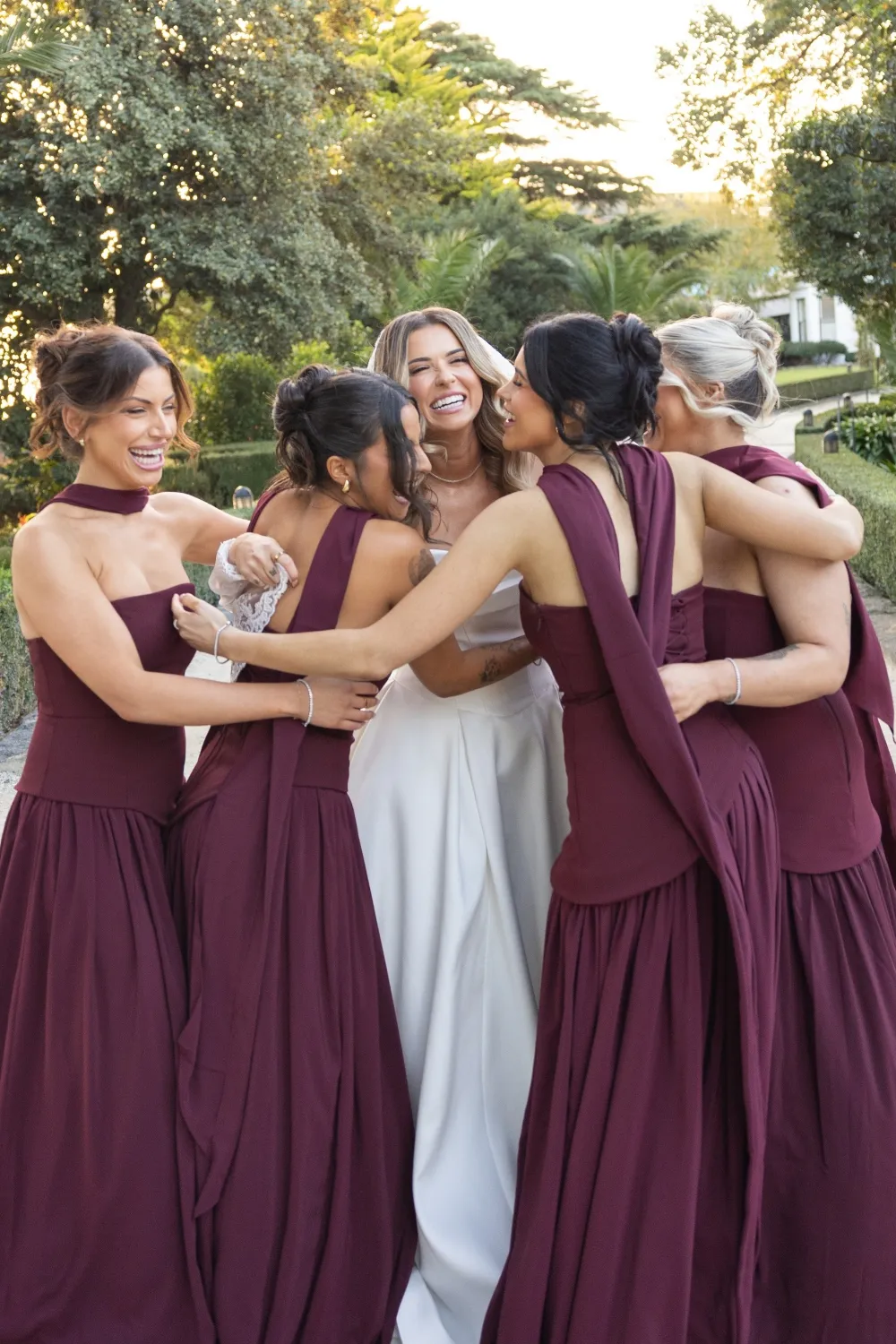
For fall and winter, the colors get deeper. Wine and burgundy look rich against fall leaves and candlelight. Plum bridesmaid dresses sit between purple and brown and work with both gold and silver accents. Mocha and espresso bridesmaid dresses are the newer choice for fall bridesmaid dresses: they read warm and grown-up, and they suit almost every skin tone. If you’re still deciding on a date, my take on why fall weddings win makes the case for the deeper palette. Guests at a cold-weather wedding can borrow the same palette, and my winter wedding guest outfit ideas pair it with faux fur and long coats.
Shoes and accessories follow the palette. Gold jewelry and nude or metallic heels suit warm colors like wine, mocha and dusty rose; silver suits cool shades like dusty blue, lilac and sage. Keeping every bridesmaid dress paired with the same metal is one more quiet way to make a mixed group look coordinated.
Lighting changes color too. A sage that looks fresh outdoors can turn gray under warm reception lights, and wine can look nearly black in a dim room. If the ceremony and reception happen in different light, look at the swatch in both kinds of light before you order.
What’s off-limits for a bridesmaid dress?
A few rules hold no matter how relaxed the wedding is:
- No white, ivory or anything close to the bride’s dress. That includes very pale champagne, cream and light silver, which can read as white in photos.
- Nothing that copies the bride’s silhouette. If she’s wearing a cape, a long train or a specific neckline, bridesmaids should pick something different.
- No sheer panels or very revealing cuts. A thigh-high slit, a mostly sheer bodice or a dress that needs constant adjusting pulls attention in the wrong direction.
- Length that matches the formality. Evening and black-tie weddings call for floor-length; a garden or daytime wedding can go midi.
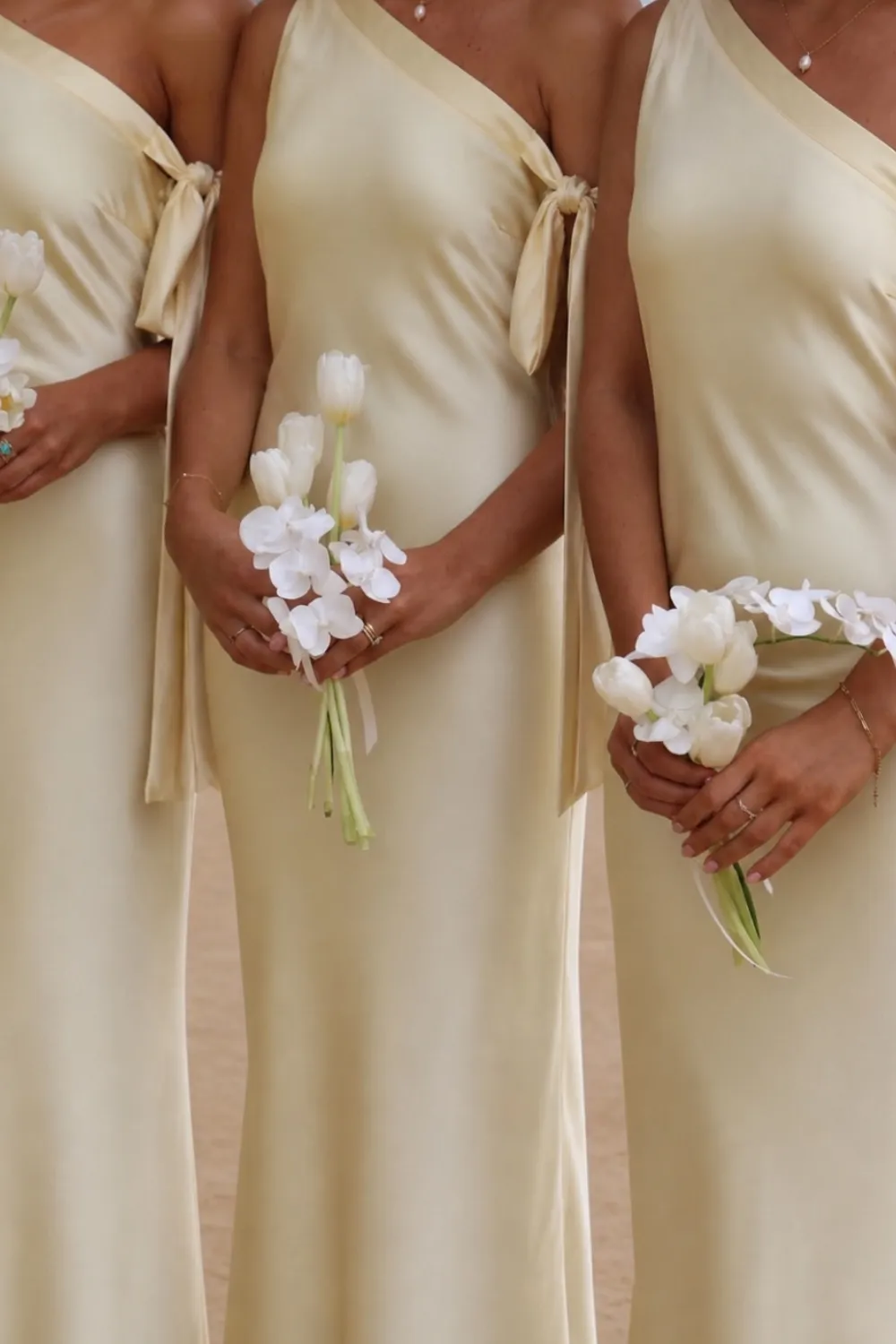
Champagne deserves its own note, since it shows up on almost every fall and winter palette. A deeper, golden champagne reads clearly as a color next to a white gown. A pale, almost-cream champagne doesn’t. If champagne is on the table, hold the fabric next to the bride’s dress (or a photo of it) before anyone orders.
Satin or chiffon: how will it look in photos?
Satin shines. It catches light, looks rich in evening photos and gives deep colors like wine and espresso their glow. The downside is that it shows everything: creases from sitting in the car, seams, the outline of underwear and any spot where the fit is a little off. Satin also wrinkles easily, so a steamer in the getting-ready room is worth the space. For a satin bridesmaid dress, know the cut before you order: a bias cut (diagonal to the weave) drapes beautifully but follows every curve, while a straight-cut satin with a little ease at the hips and a structured bodice hides more and photographs smoother. If someone in the group feels unsure about satin, the straight cut is the kinder choice.
Chiffon softens. It’s matte, light and layered, so it moves in the wind and blurs the line of the body. It’s more forgiving on every figure, packs well for destination weddings and breathes in summer heat. It does look less formal, and pale chiffon can turn slightly see-through in direct sun, so check it in daylight.
Crepe and stretch jersey sit in between: smooth like satin, matte like chiffon, and comfortable for a long day of standing.
Can she wear it again, and who pays?
Most bridesmaids pay for their own dress, so the price range is worth agreeing on before anyone falls in love with a style. Asking each bridesmaid what she’s comfortable spending, privately, avoids the awkward version of this conversation later.
Letting everyone choose within a color is also the most budget-friendly way to dress a bridal party. A bridesmaid can find a dress at her own price point instead of everyone buying the one expensive style the bride loved.
Rewear is the other half of value. Simple bridesmaid dress styles in solid colors, especially satin slips and convertible dresses, work again at other weddings, galas and holiday parties. Heavily ruffled or wedding-specific designs rarely leave the closet again. A dress that can be shortened afterward is a bonus.
Black is worth considering here too. Black bridesmaid dresses suit formal evening weddings, flatter almost everyone and get worn again more than any pastel. Some families still see black as a color for mourning, though, so it’s a question for the bride and her family, not a default.
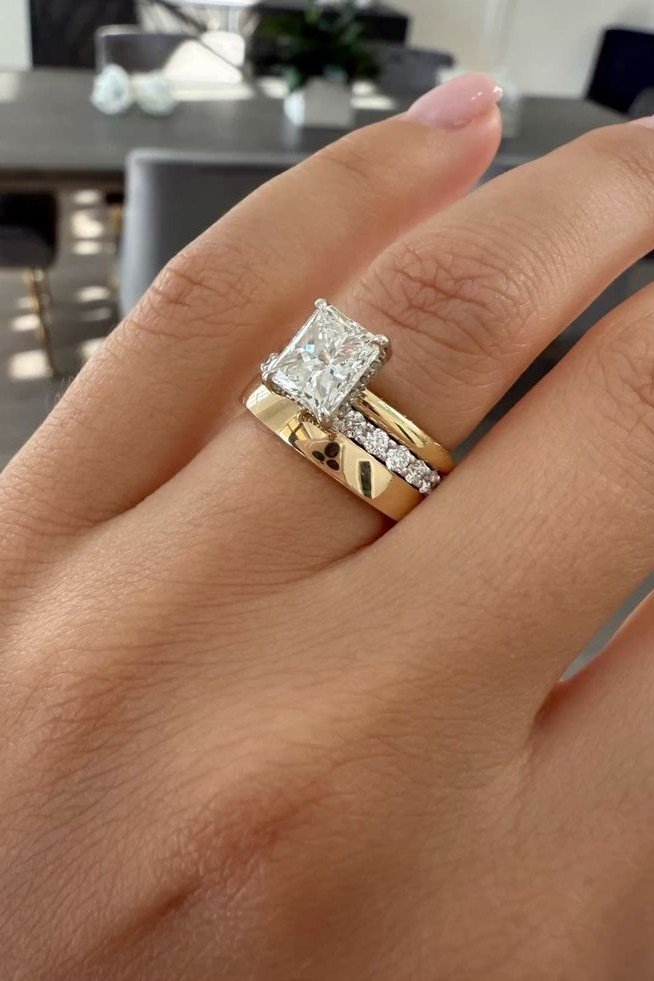
The finishing touches tie everything together. Bouquets can bring the group closer: matching flowers in different sizes, or all-white bouquets against colored dresses. My guide to small bridal bouquets works for bridesmaids too, since smaller arrangements leave the dresses visible. And if the bride is still deciding what goes on her hands, these wedding ring stack ideas explain what each band means.
One last test before anyone orders: line up the chosen dresses in a single photo on your phone. If they look like one group at that size, they’ll look like one group at the wedding too.
Leave a Reply