
Most people think hosting a garden party requires perfection. They’re wrong.
I’ll never forget my first time hosting one. I was absolutely terrified. The day of the party, I spent three hours arranging mismatched seating, stringing borrowed lights, and frantically deadheading flowers. It rained the night before, so half my decorations were soggy. But here’s what surprised me: nobody cared. Within an hour, my guests were laughing, eating, and settling into whatever seats were available. The imperfect ambiance somehow made the whole thing feel more real and more fun.
That’s when I realized garden parties don’t require perfection. They require intention and a little planning. But mainly, they need to feel like a place where people want to be. After years of hosting, that’s still my approach.
If you’ve been thinking about throwing a garden party but felt overwhelmed, this guide is for you. We’re skipping the Pinterest pressure and focusing on what actually matters. You’ll learn exactly how to plan a garden party from scratch, handle the things that usually stress people out, and set the stage for guests to have a genuinely good time.
Let’s start right away.
Start With These 3 Non-Negotiables (Don’t Skip These)
Before you buy a single decoration or plan a single menu item, get these three things locked down.
Pick a Date and Check the Weather Forecast
Your date matters more than you think. Unlike indoor parties, garden parties live or die based on weather and seasonality. Pick a season first. Spring and summer are obvious choices, but fall garden parties are equally lovely and often less crowded.
Once you have a season, aim for 8-12 weeks out. This gives you time to book vendors if you want them, send proper invites, and adjust if things shift. More importantly, it lets you pick the ideal window for flowers and weather in your region.
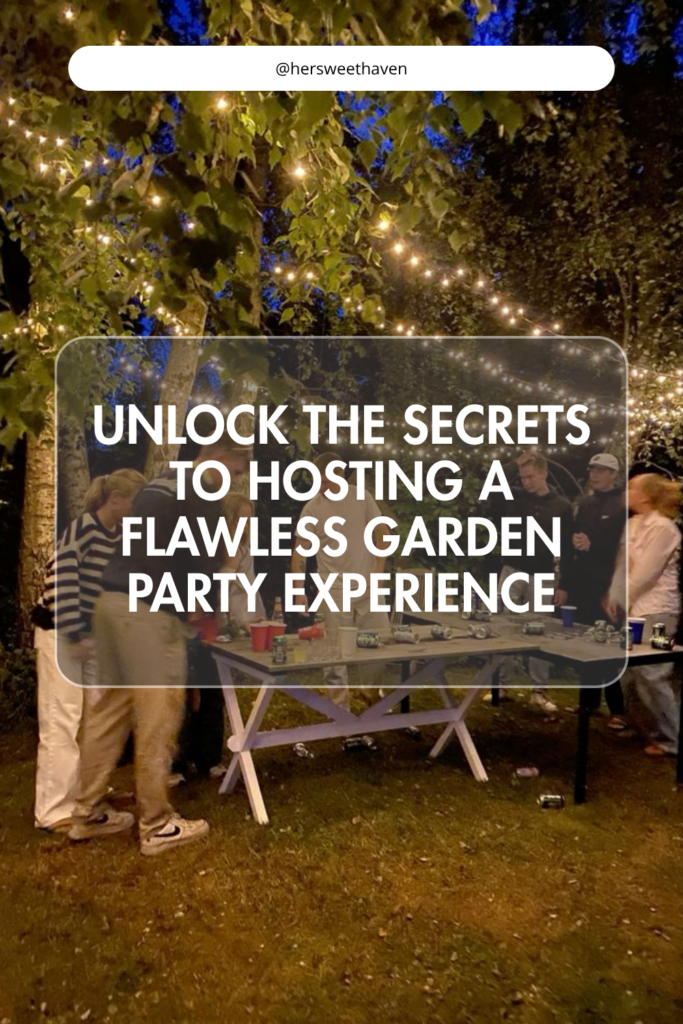
Now here’s the non-negotiable part: have a backup plan. Check the forecast at least two weeks before the party. If rain is predicted, decide early. Will you move inside? Set up a tent? Reschedule? The earlier you decide, the calmer you’ll feel. According to garden party planning experts, bad weather is one of the top reasons outdoor events feel stressful, but a solid backup plan eliminates that anxiety entirely.
Make Your Guest List and Send Invites Early
How many people are you inviting? Start here. The size of your guest list determines everything: how much food you need, how much seating, whether you need backup shade.
Send invites 3-4 weeks in advance. Digital invites work perfectly fine, but a simple email or text setting clear expectations helps immensely. Tell people what to expect: „Casual backyard gathering, rain or shine” or „Outdoor brunch under the trees.” The more transparent you are, the less guessing your guests do.
Ask for RSVPs by a specific date. This lets you finalize headcount and plan accordingly. Include any dress code guidance too. If your lawn might be damp, tell people flat shoes work better than heels.
Identify Your Space and Seating Options
Walk your space and think about flow. Where will people gather when they arrive? Where will food be set up? Where will seating happen?
You don’t need fancy furniture. Mismatched chairs, picnic blankets, benches, or even standing room with high tables all work. If you’re short on seating, borrow from friends or neighbors. Party planning experts agree that comfort matters more than style, so a mismatched mix of seating is not only acceptable, it’s often more inviting.
If your space is small, keep things flexible. Move furniture once guests arrive. Stack chairs to create standing areas. Open doors between indoor and outdoor space to make the area feel bigger. Your guests will adapt beautifully if you set a relaxed tone.
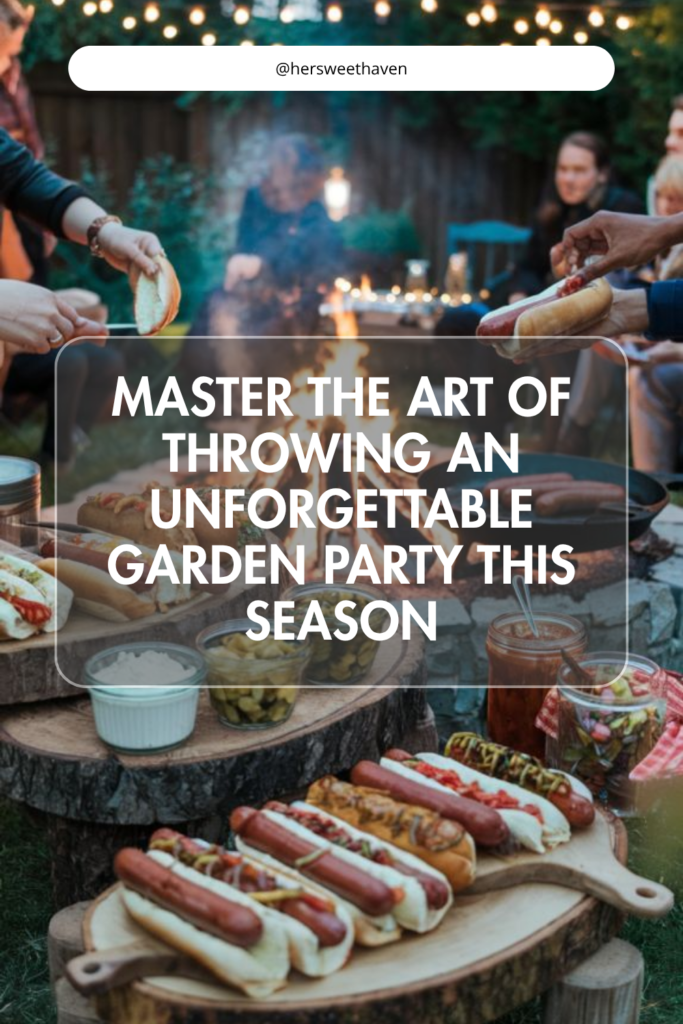
Design Your Garden Party on a Budget (It’s Easier Than You Think)
You don’t need to spend money to make your space feel special. The most beautiful garden parties often use what’s already around you.
How to Decorate Without Buying Anything New
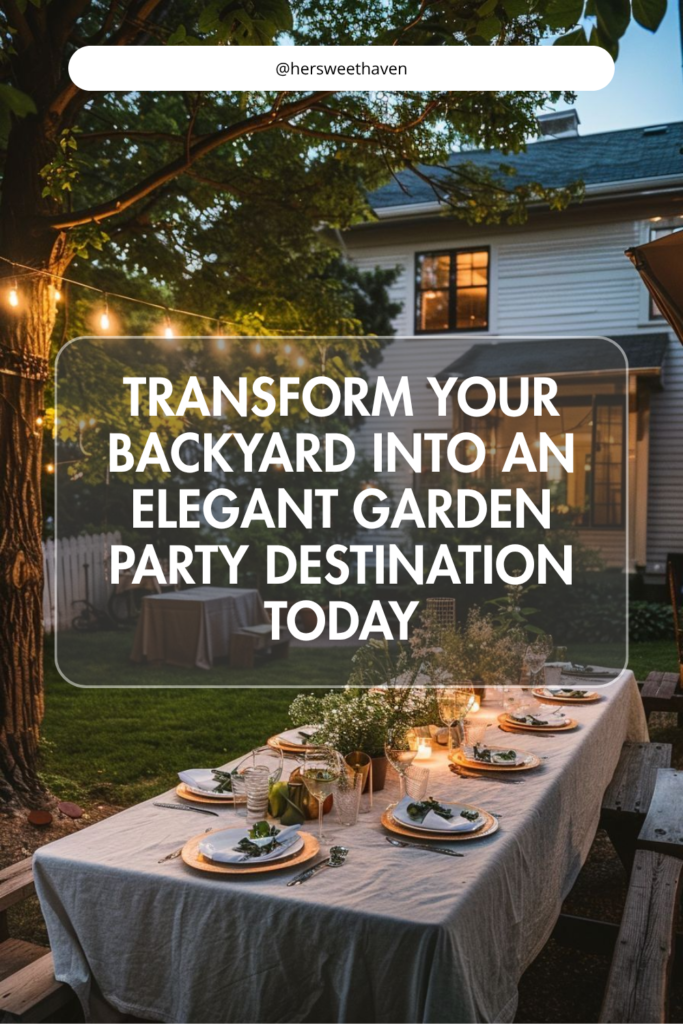
First rule: use what you have. Flowers from your garden or your neighbor’s yard? Perfect. Candlesticks from your dining room? Bring them outside. Vases, jars, linens, even books can become decor.
If you need a few items, thrift stores and secondhand marketplaces are goldmines. A mismatched set of vintage chairs actually looks more curated than matching new ones. Wooden crates become display stands. Old wine bottles become vases.
For those who want a cohesive look, pick a simple color palette: whites and creams, or pastels, or deep greens. Once you decide, everything else becomes easier. You’re not hunting for the „perfect” shade anymore. You’re finding items that fit your palette.
Lighting is the Secret Weapon for Backyard Ambiance
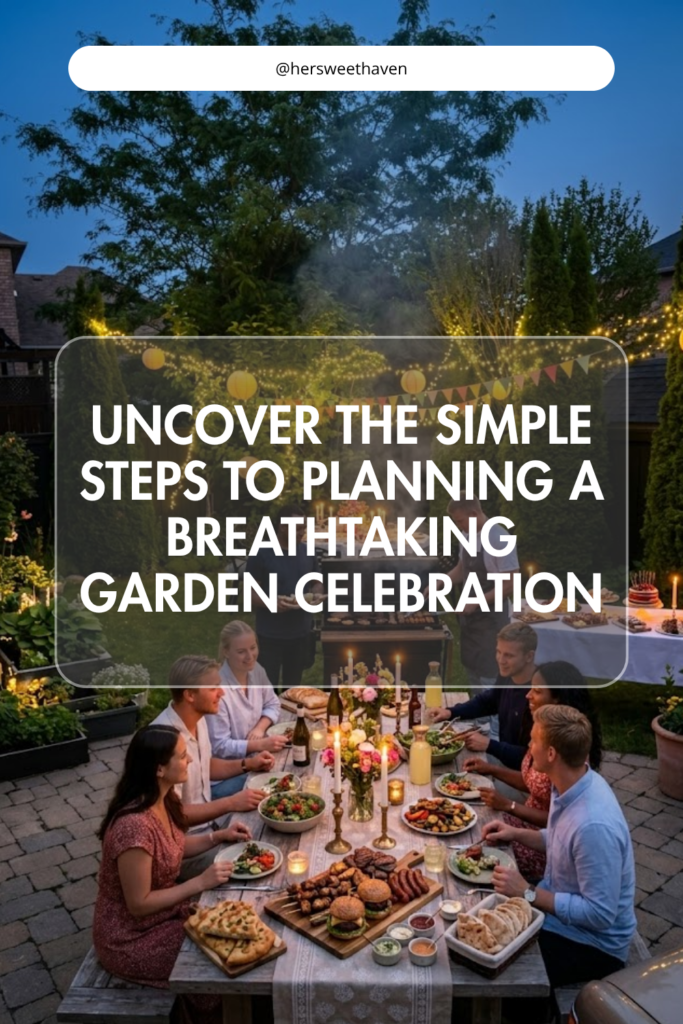
If you only splurge on one thing, make it lighting. String lights alone transform any space into somewhere magical.
Solar string lights are inexpensive, require zero installation, and create instant warmth. Hang them overhead in geometric patterns, wrap them around trees, or drape them along fences. Warm white bulbs always feel more elegant than cool white or colored lights.
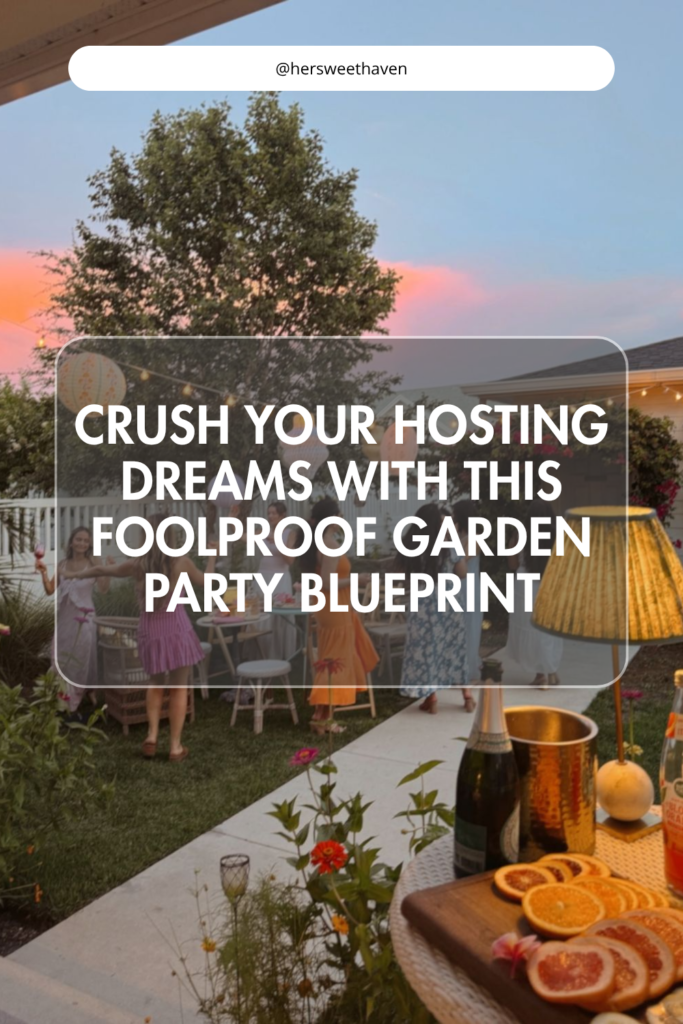
Pair string lights with candles in jars or votives. The combination creates depth and makes the space feel intentional. If your party goes into evening, this layered lighting approach is what makes guests stay longer.
Avoid harsh overhead lights or floodlights. They kill the vibe. Aim for soft, warm light that casts gentle shadows.
Simple Centerpieces Using What You Already Have
Forget elaborate floral arrangements. The best centerpieces are simple.
Cut flowers from your garden or the grocery store and put them in glass jars, mason jars, or even old water glasses. Group them by height for visual interest. Add greenery or herbs between the blooms. Done.
Alternatively, use potted plants as centerpieces. Small herbs in terra cotta pots double as decor and practical garnishes. Succulents arranged on a table add texture. Even a single statement plant in the corner catches eyes.
Fallen petals scattered down a table runner? Beautiful. Herbs tucked between plates? Functional and pretty. The goal is making your guests feel thought-about, not overwhelming them with florals.
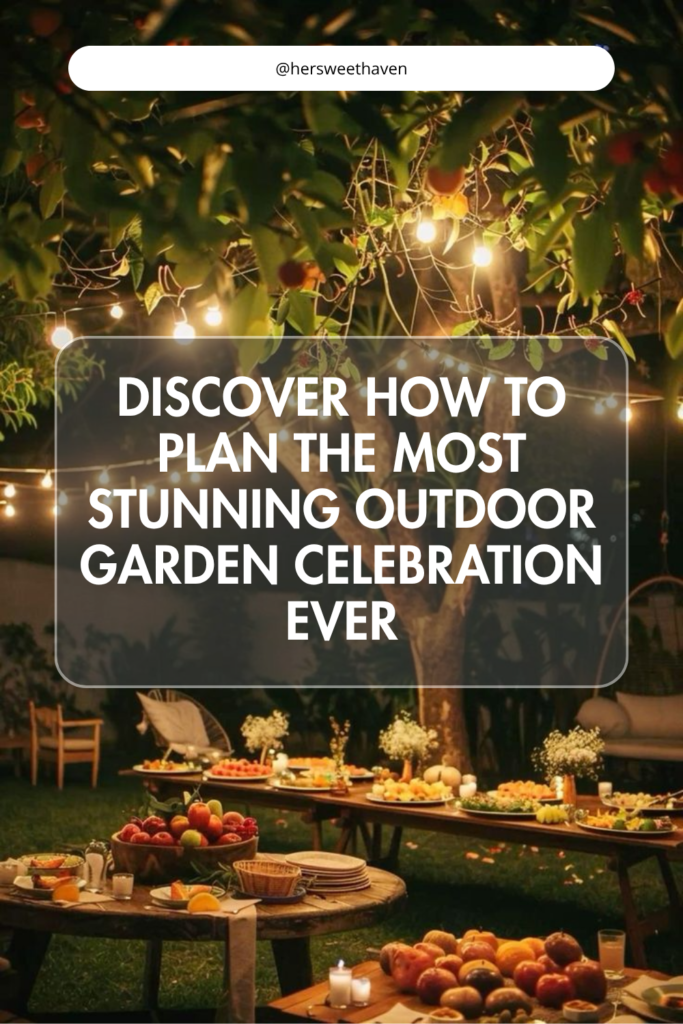
The Food Question: What Should You Actually Serve?
Food is where hosting anxiety peaks. „Will I make enough? Will anyone like it?” Here’s the truth: simple, seasonal food is always better than complicated fare.
Go Simple, Seasonal, and Fresh
Think about what’s in season. Summer berries, tomatoes, fresh herbs. Spring brings asparagus, peas, tender lettuces. Fall offers apples, squash, fresh nuts.
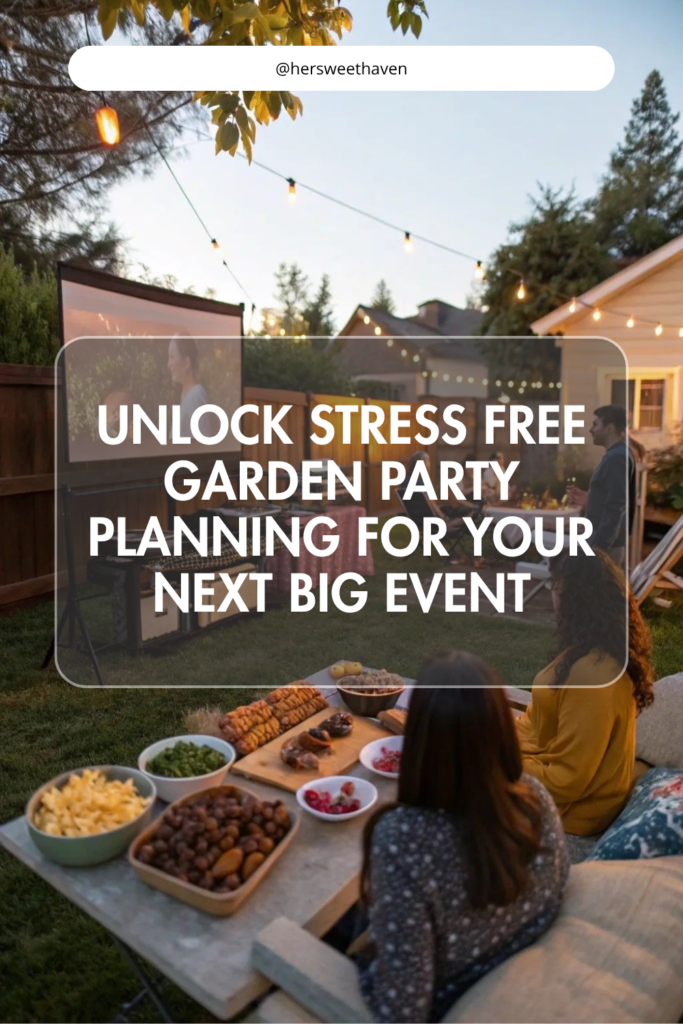
Build a menu around one or two simple ideas. A grazing board with cheese, bread, fruit, and nuts. A salad made from garden greens. Sliced vegetables with a dip. Charcuterie is always a win.
For warm food, consider options that don’t require last-minute cooking. Pasta salad. Grilled vegetables prepared in advance. Soup served in cups. Pizza from a local bakery.
The key is this: food that doesn’t require you to be in the kitchen once guests arrive. You want to be outside enjoying the party, not stressed in an apron.
Prep-Ahead Food Ideas (Less Stress Day-Of)
Make everything possible the day before. Chop vegetables, assemble the grazing board, prep salads. Morning of, focus only on setup and final touches.
Batch cook simple proteins. Grilled chicken, roasted fish, or seasoned beans all hold well and can be served warm or room temperature. Let guests help themselves.
Beverages work the same way. Set up a self-serve drink station the night before. Use a cooler or bucket of ice. Label drinks so guests know what’s what. Add sliced citrus and fresh herbs to water or lemonade. People love helping themselves, and it takes pressure off you.
Comfort is King (Make It About Your Guests)
The best parties aren’t about perfect decor. They’re about guests feeling taken care of.
Shade and Weather Protection Options
On a sunny day, provide shade. A large umbrella, a tent, or a pergola with fabric all work. Even just positioning seating near trees helps.
For unexpected heat, have fans handy. Battery-operated fans are cheap and surprisingly effective. Cold drinks in a visible cooler encourage guests to help themselves.
If wind is predicted, anchor loose items. Weight down napkins. Use heavier decor that won’t blow away. Wind is often more disruptive than rain.
For cold evenings, have blankets or outdoor cushions available. A fire pit, if you have space, becomes a gathering spot. You can build a DIY fire pit on a budgetthat guests love gathering around.
How to Handle Bugs and Unexpected Elements
Bugs are part of outdoor entertaining. Keep them in perspective.
Mosquito candles placed around the party area reduce bites. Bug spray in a visible spot shows guests you’re thinking ahead. Serving drinks in glasses with lids or straws helps keep bugs out.
For other unexpected elements? Roll with it. Spilled drinks happen. Weather shifts. Kids get messy. Have paper towels and trash bags handy, and laugh it off. Your ease with imperfection sets the tone for everyone else.
Seating That Encourages Mingling
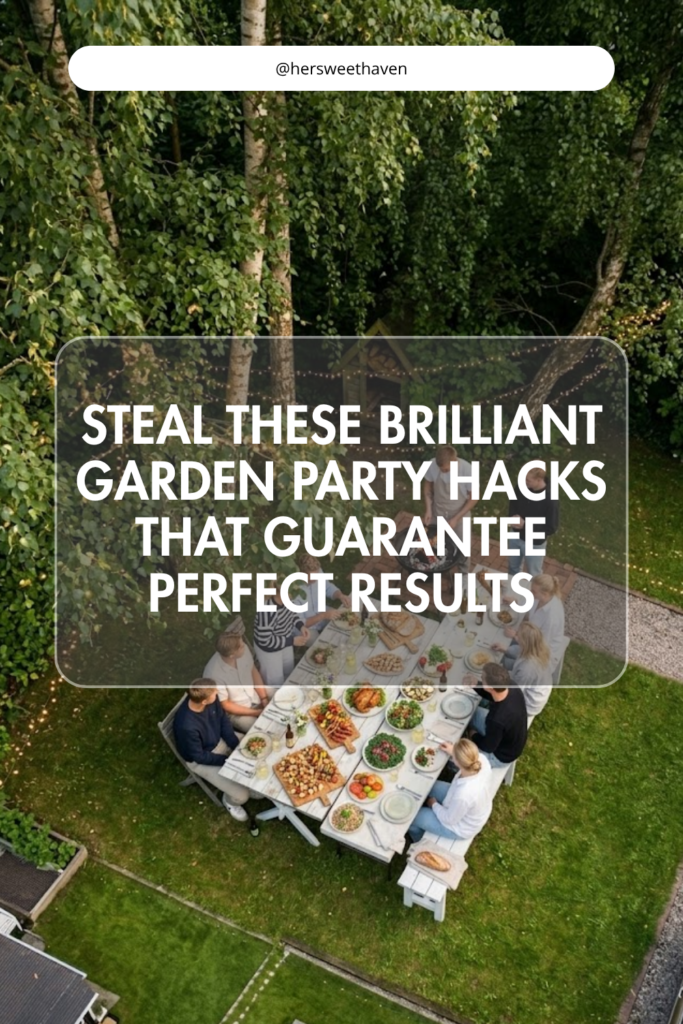
Avoid a single long table where everyone is locked into one spot. Instead, use multiple small seating areas. A bench here, a few chairs there, a blanket on the grass in another spot.
Mix seating types to encourage movement. People naturally mingle more when they’re walking between different zones. Use the space intentionally to guide traffic flow without making it obvious.
The Details That Actually Matter
After the basics, a few intentional touches elevate the entire experience.
Music (Preloaded Playlist)
Create a playlist before the party. Aim for 4-6 hours of continuous music. Mix upbeat songs with mellow background tracks.
Use a Bluetooth speaker placed centrally but not aggressively loud. The goal is background music that sets the mood, not drowns out conversation. Before guests arrive, press play and forget about it.
Music fills awkward silences and creates an automatic ambiance. It’s one of the easiest ways to feel like you’ve „done something special.”
Flowers and Greenery (Simple Arrangements)
Skip elaborate florals. A few scattered arrangements throughout the space feel more natural than one giant centerpiece.
Use what’s in season. Spring tulips, summer roses, fall dahlias. Grocery store flowers are perfectly fine. Greenery from your yard (eucalyptus, bay leaves, herbs) fills out arrangements beautifully.
Clip low-profile arrangements for dining tables so guests can see each other. Place taller arrangements in corners or buffet areas. The goal is beautifying space, not blocking sight lines.
Games and Activities (Optional But Fun)
You don’t need to organize elaborate entertainment. But a few lawn games out and ready encourages mingling.
Croquet, cornhole, bocce ball, even giant Jenga all spark natural conversation and laughter. Set them up in a corner and let guests gravitate toward them. No pressure to participate.
For a more relaxed vibe, skip games entirely. Some of the best parties are simply good food, good company, and good conversation.
Answering Your Biggest Hosting Worries
Let me address the questions that keep people up at night.
What if it rains?
Make a decision early. Will you move inside? Set up a tent? Reschedule? The earlier you decide, the calmer you feel.
If you’re rescheduling, communicate clearly to guests. „We’re moving to [new date] so everyone can enjoy the full garden experience.” People understand. They’d rather wait than sit through a storm.
If you’re moving indoors, your party still happens. It’s just in a different location. The food, people, and vibe transfer just fine. Don’t let rain steal your confidence.
Do I need to match everything?
Absolutely not. The most beautiful parties often have intentional mismatches. Mismatched chairs, linens in different shades of the same color, varied vase heights. It feels curated, not corporate.
Focus on a cohesive color story rather than exact matches. Whites and creams. Soft pastels. Deep greens with gold accents. Once you have a palette, everything else harmonizes without needing to be identical.
How far in advance should I plan?
Aim for 8-12 weeks out for a formal or larger party. For casual gatherings with close friends, 3-4 weeks is enough.
The earlier the better, but don’t let perfect timing stop you from hosting. A last-minute garden party with a week’s notice is better than no party at all.
Can I host with a small space?
Completely. Small spaces often feel more intimate and special than sprawling yards.
Keep guest count smaller. Use vertical decorating (hang flowers, drape lights). Open doors between indoor and outdoor spaces. Use layered lighting to make the area feel bigger at night.
Some of the coziest, most memorable parties happen in tight spaces because there’s an automatic sense of closeness.
Finishing Touches That Make It Feel Special
After the logistics, a few small details create the lasting impression.
Small Party Favors or Send-Off Details
You don’t need elaborate favors. A cutting of flowers or herbs tied with twine. Homemade cookies wrapped in tissue. A packet of flower seeds. Even a handwritten thank you note waiting by the door.
These little touches show guests you’re grateful for their presence. They’re remembered long after the party ends.
Creating Instagram-Worthy Moments (Without Trying Too Hard)
Don’t overthink this. A beautiful table catches light naturally. Flowers look good in photos. String lights photograph like magic.
If you want a „photo moment,” set up one pretty corner. A garden gate, a flower-filled area, a seating nook with good light. Don’t ask guests to pose. Just make a space that’s naturally pretty, and let people photograph it if they want.
The best garden party photos happen when people are genuinely enjoying themselves, not posing for the camera. Focus on creating a real good time, and photos follow naturally.
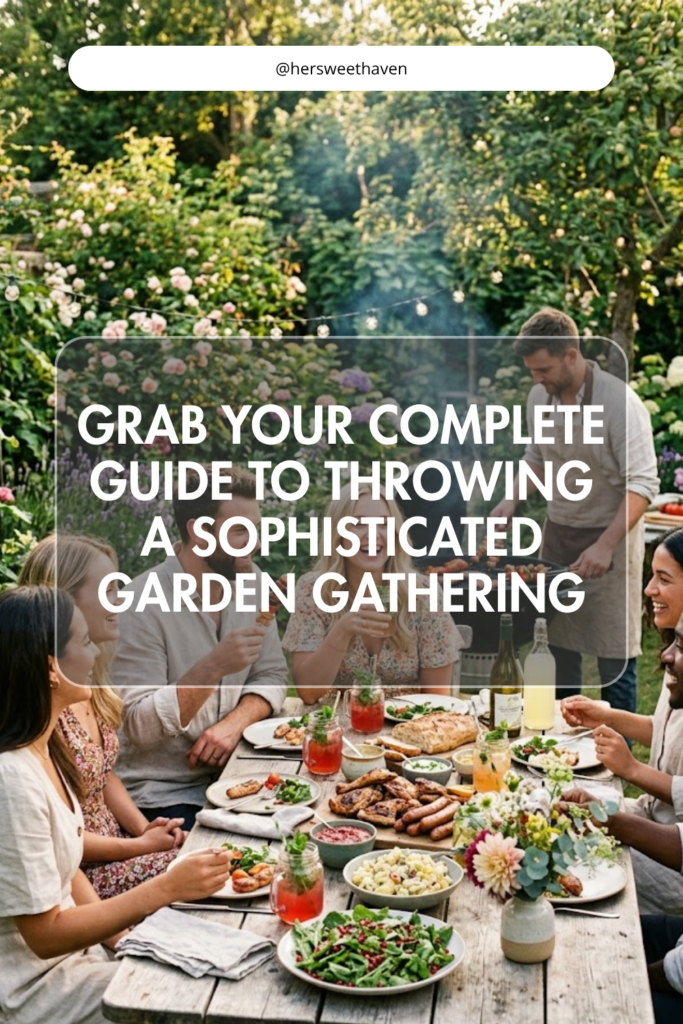
Ready to Host?
Here’s the truth I wish someone had told me before my first garden party: you don’t need a Pinterest board or a catering budget. You need a plan, a guest list, and the confidence that imperfection is actually more charming than perfection.
Garden parties work because they’re outside, with good people, good food, and a little intention. Everything else is details.
Start small if you’re nervous. Invite a few close friends. Focus on making them feel welcome and cared for. Notice what feels natural to you. Build from there.
If you’re looking to expand your outdoor space first, check out these guides:
Small Garden Design Tips for Tiny Yards.
They’ll give you concrete ideas for prepping your space.
You’ve got this. Start planning, trust the process, and know that your guests are coming for you, not for perfection.
Now go throw that garden party.