

The truth is, your best “new” outfit is already sitting in your wardrobe (or at the thrift store down the street). The fashion industry produces roughly 92 million tonnes of textile waste every year, and less than 1% of old clothing actually gets recycled into new garments. That’s a lot of good fabric going to waste. But here’s the good news: upcycled clothing ideas are blowing up right now, and for a very good reason. They let you turn tired, forgotten pieces into something totally original without spending a fortune or adding to the problem.
In this post, you’ll find 10 proven, viral-worthy rework projects that cover everything from patchwork denim to vintage fabric mashups. Whether you’re a total beginner or you’ve already got a sewing machine humming, there’s something here for you. Let’s break it down.
Why Upcycled Clothing Ideas Are Taking Over Social Media
If you’ve spent any time on TikTok or Pinterest lately, you’ve seen it. The #thriftflip hashtag has become a full-on movement, with creators racking up millions of views by turning $5 thrift store finds into pieces that look like they came off a runway.
This isn’t just a passing trend, either. Circularity and upcycling are central to sustainable fashion in 2026, with designers and everyday creators alike rethinking what “new” means. The fashion industry accounts for 10% of global carbon emissions, and the average garment is worn 36% fewer times than it was 15 years ago. So when you rework something old into something you actually love wearing, you’re making a real difference.
And the best part? You don’t need to be a professional to pull this off. A pair of scissors, some basic sewing skills, and a little creativity go a long way.
1. The Patchwork Denim Sweatshirt
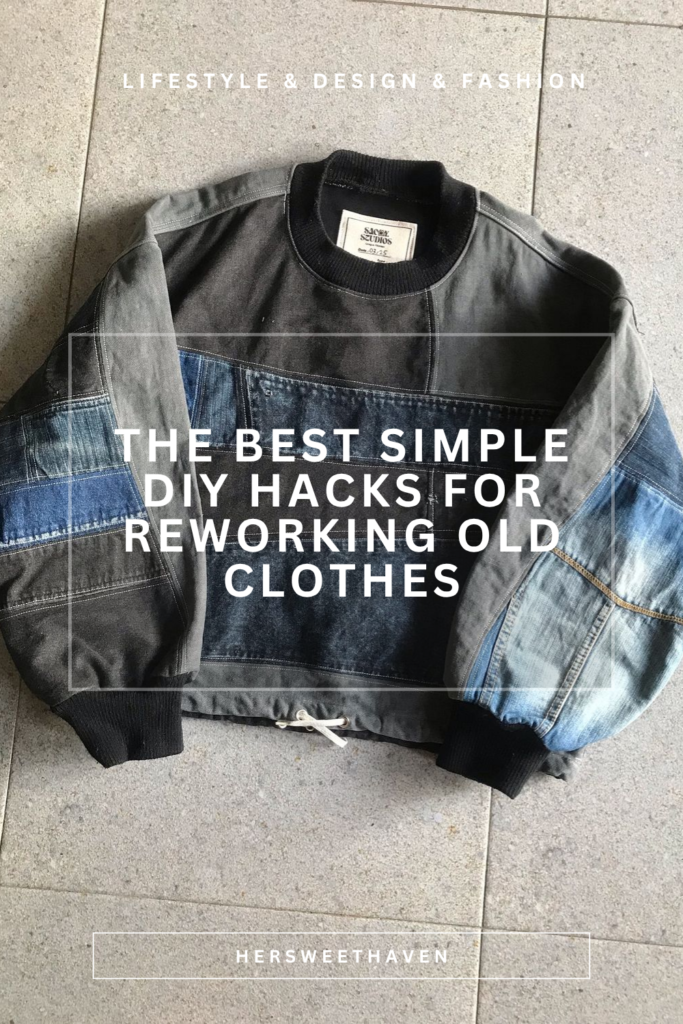
This is the kind of piece that stops people in their tracks. A patchwork denim sweatshirt takes the body of a classic crewneck and replaces sections (sleeves, front panels, or both) with pieces of old denim in different washes and textures.
The beauty of this project is that nothing needs to match. In fact, the more variation in your denim scraps, the better it looks. You can use leftover pieces from old jeans, a worn-out jacket, or even fabric from a thrift store haul. Cut your patches into rough rectangles, arrange them in a layout you like, and sew them onto the sweatshirt base.
Here’s a beginner tip: start by replacing just the sleeves. It’s the easiest swap and gives you a feel for how the fabrics work together before you commit to a full rework.
2. Lace and Fabric Patchwork Jeans
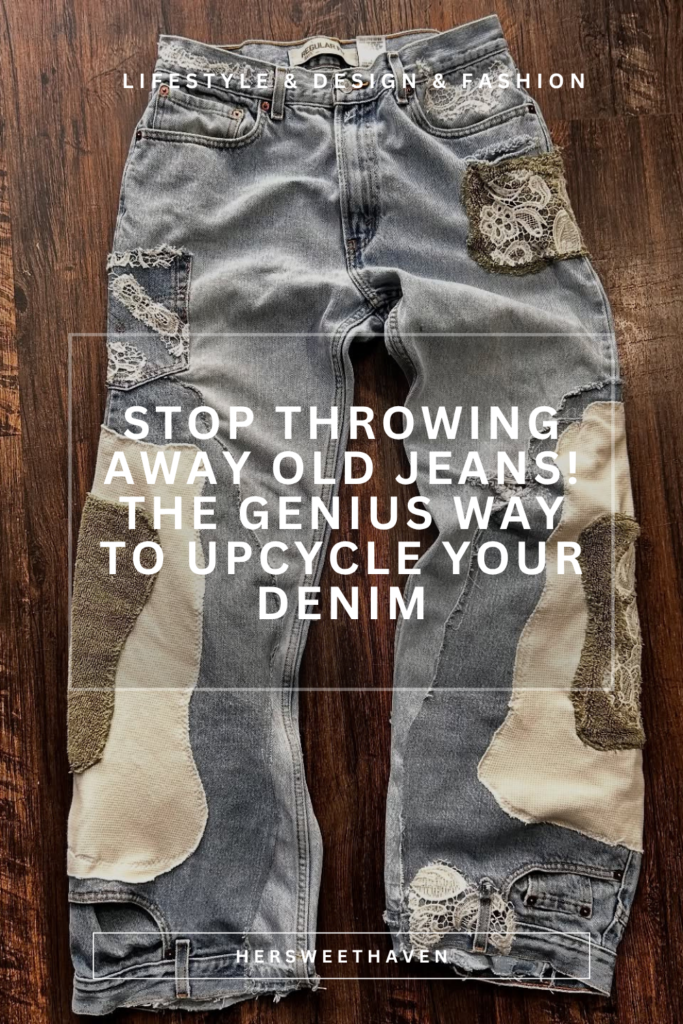
If you’ve got a pair of jeans that are ripped, stained, or just boring, this project is for you. Instead of tossing them, patch the worn areas with a mix of lace, canvas, and contrasting fabric scraps. The result looks like something you’d pay a premium for at a vintage shop.
This rework works best on relaxed or straight-leg jeans where there’s room to layer fabric on top without making the fit too tight. Pin your patches on the outside of the jeans and topstitch around the edges. Lace adds a feminine contrast to the raw denim, while thicker fabrics (like canvas or corduroy) give it a more rugged, artsy feel.
The key point here: don’t overthink the placement. Random, overlapping patches look more intentional than a perfectly symmetrical layout.
3. From Grandma’s Closet to Street Style: The Vintage Fabric Set
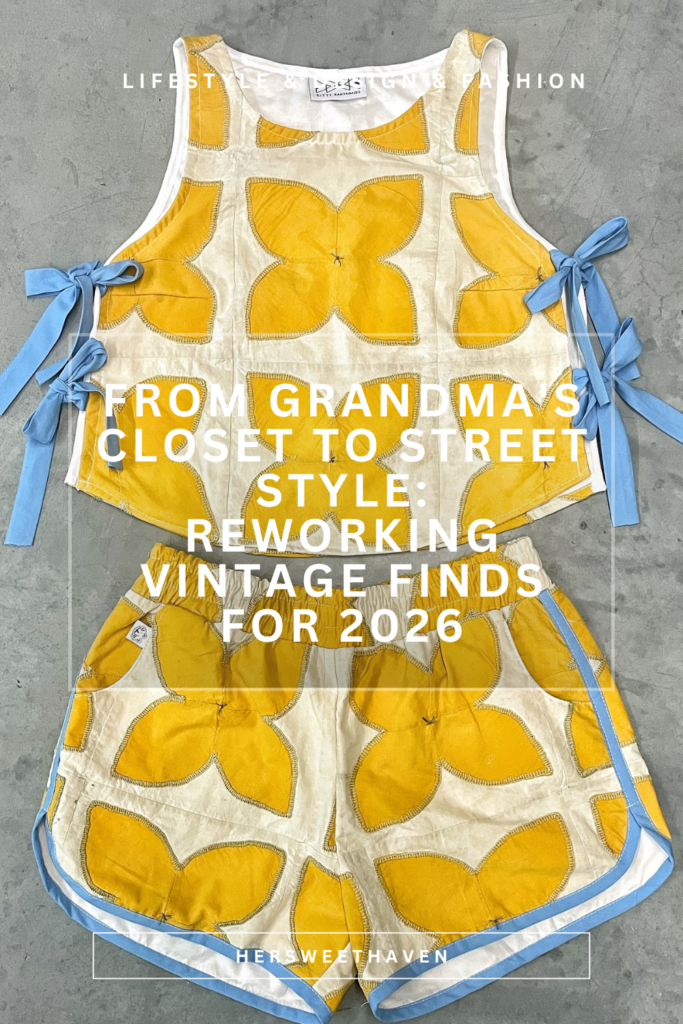
Vintage tablecloths, curtains, and old bedding are goldmines for upcycled clothing ideas. This two-piece set (a cropped tank and matching shorts) was made from bold vintage fabric with a retro floral print, finished with ribbon ties at the sides.
The approach is straightforward. Find a piece of vintage fabric with a print you love. Use a simple tank top and a pair of shorts you already own as your pattern template. Trace, cut, and sew. The ribbon tie detail at the sides is a small touch that makes the whole thing look polished and intentional.
This is a perfect project for spring outfit ideas when you want something lightweight and completely unique. Nobody else will be wearing your grandmother’s curtain fabric, and that’s the whole point.
4. The Denim-Meets-Plaid Mini Skirt
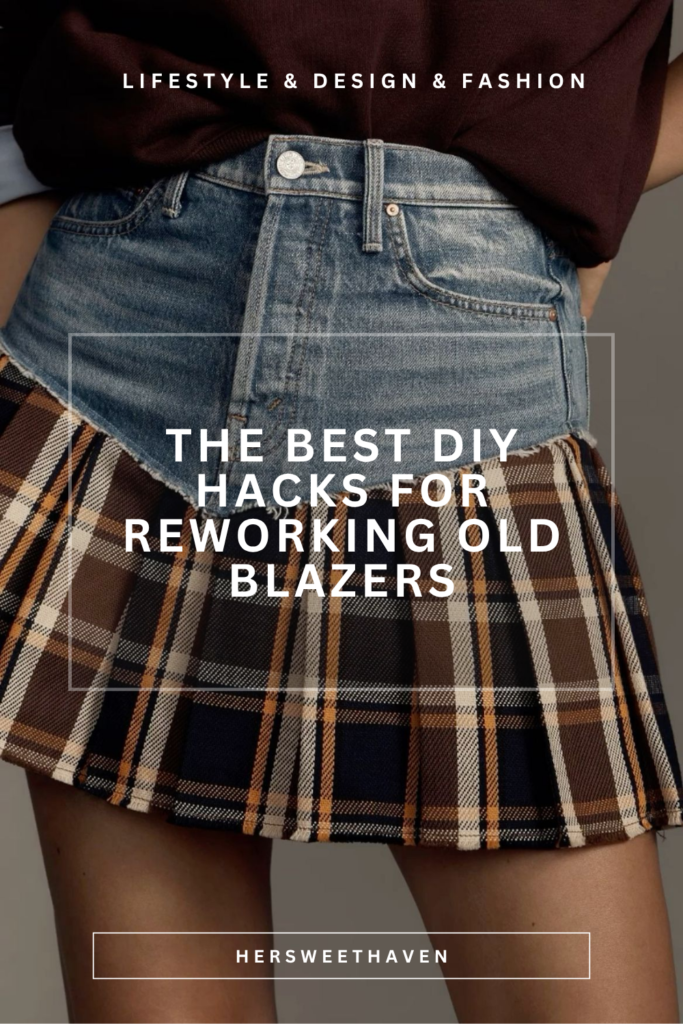
Here’s how it works: take the waistband and top section of an old pair of jeans, cut them off at mid-thigh length, and attach a pleated plaid panel to the bottom. The contrast between raw denim and structured plaid creates a look that feels both casual and put-together.
You can source the plaid fabric from an old flannel shirt, a thrifted blanket scarf, or even a skirt you no longer wear. The trick is to match the weight of the plaid fabric to the denim so the skirt hangs properly. Heavier plaid (like wool blend) creates a stiffer, more structured silhouette. Lighter cotton flannel gives you a softer, more relaxed drape.
This one looks especially good with boots and a simple tee. It’s the kind of piece that makes people ask, “Where did you get that?”
5. How Do You Turn a Hoodie Into a Two-Piece Set?
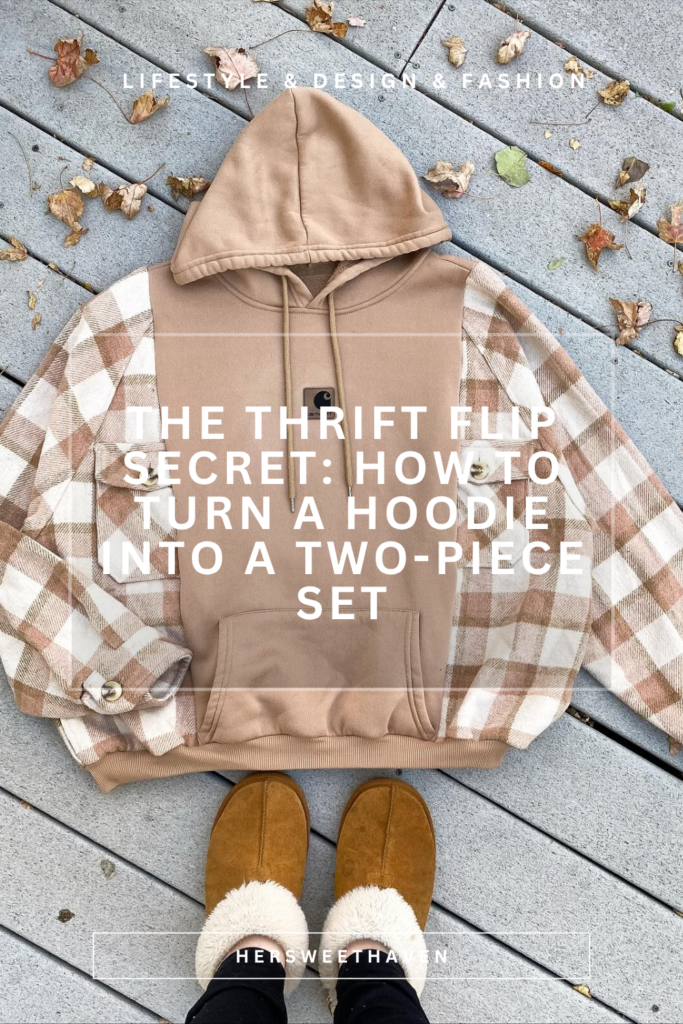
This is one of the most popular thrift flip ideas on social media right now, and it’s easier than it sounds. Take a plain hoodie (oversized works best) and swap out the sleeves with flannel or plaid fabric. You can go even further by cutting the hoodie at the waist and using the leftover fabric to create a matching accessory or layering piece.
The flannel sleeves add warmth and visual interest to an otherwise basic hoodie. Use a seam ripper to carefully remove the original sleeves, then use them as a template to cut your flannel replacements. Sew the new sleeves into the armholes using a straight stitch.
The result is a cozy, one-of-a-kind piece that works for fall, winter, and early spring. And because you’re building on a hoodie you already own, the whole project costs almost nothing.
6. The Statement Print Hoodie Rework
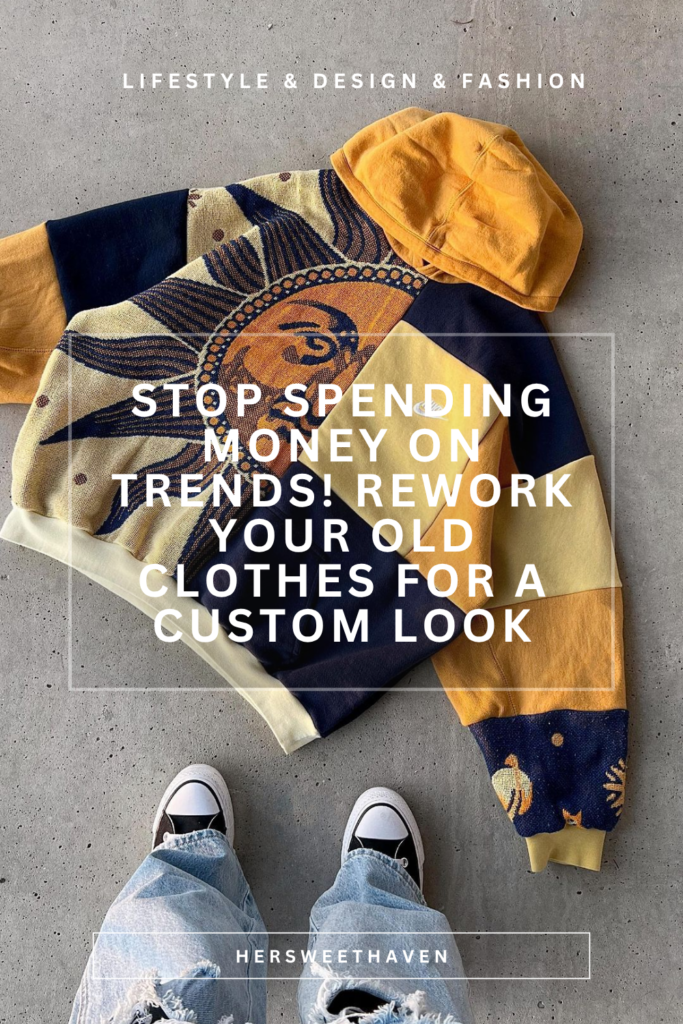
If patchwork isn’t your style, try this approach instead. Take a graphic woven wall hanging, a printed throw blanket, or even a large vintage scarf and use it as the main fabric panel on a basic hoodie. The front or back of the hoodie gets a bold, eye-catching print while the hood, sleeves, and cuffs stay in a solid contrasting color.
This is where upcycled clothing ideas start to feel like actual fashion design. The combination of a structured hoodie silhouette with an unexpected textile (think celestial prints, abstract art, or bold florals) creates something that looks like a limited-edition drop.
Here’s how it works: open the hoodie along the side seams, lay the printed fabric over the front panel, trace the shape, and sew it in place. Finish the edges cleanly and you’ve got a head-turner.
7. The Half-and-Half Denim Plaid Jacket
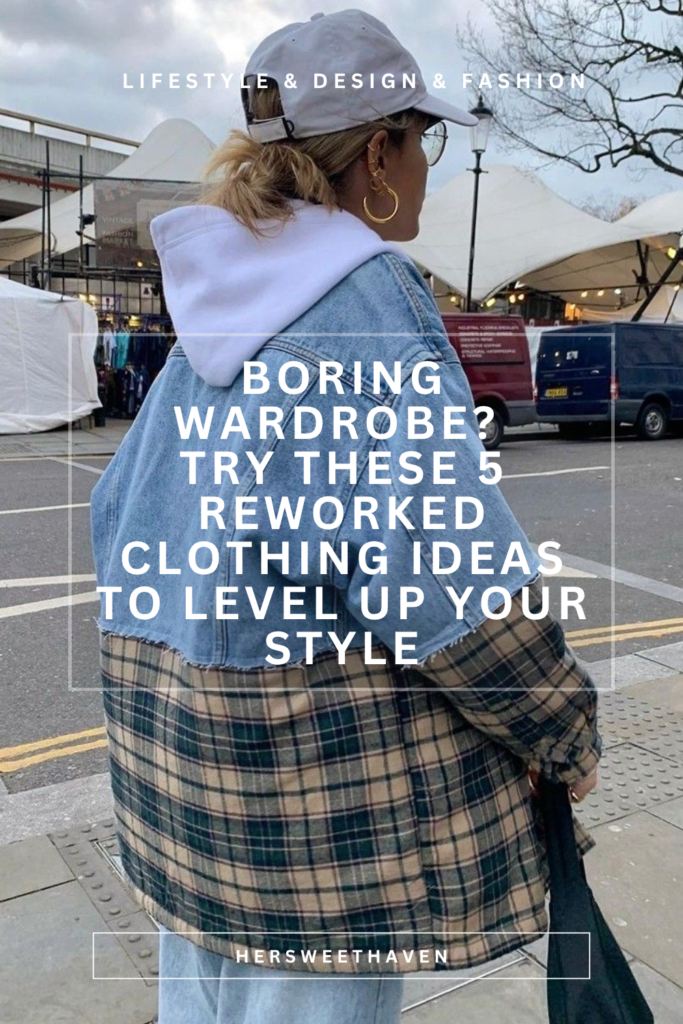
This project splits a jacket down the middle (figuratively or literally) between denim and plaid. The top half keeps the structure of a denim jacket while the bottom half uses a chunky plaid. Add a hoodie lining or panel underneath, and you’ve got a layered look with serious street style energy.
This is a great rework for festival-ready outfits or fall layering. The mixed textures add visual weight without making the jacket feel heavy or bulky.
The sewing here is a bit more advanced because you’re working with jacket construction. If you’re not comfortable with a full build, start simpler: sew a plaid panel onto the back of an existing denim jacket. It still gives you the contrast effect without taking the whole thing apart.
8. How to Rework Your Basics With Bold Fabric Panels
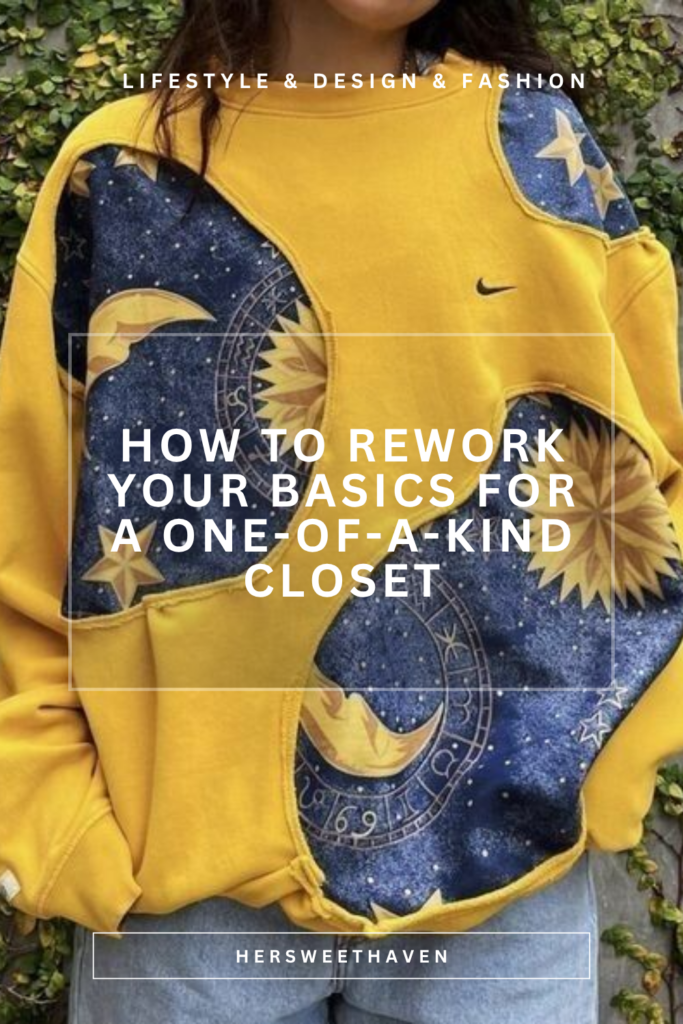
A plain sweatshirt is a blank canvas. This project proves it. By cutting away sections of a basic crewneck and replacing them with bold printed fabric (think stars, moons, abstract patterns), you turn a $5 thrift find into a statement piece.
The strategy is simple: decide which sections you want to replace (raglan-style panels, side inserts, or front/back patches), cut away the original fabric, and sew in the printed material. Press your seams flat for a cleaner finish.
This works best with medium-weight fabrics that have a similar stretch to the original sweatshirt material. Denim, canvas, and midweight cotton are beginner favorites because they stay put while you work and hide small mistakes. That alone makes your first project feel a lot less intimidating.
9. How to Rework Thrifted Blazers Into Something You’ll Actually Wear
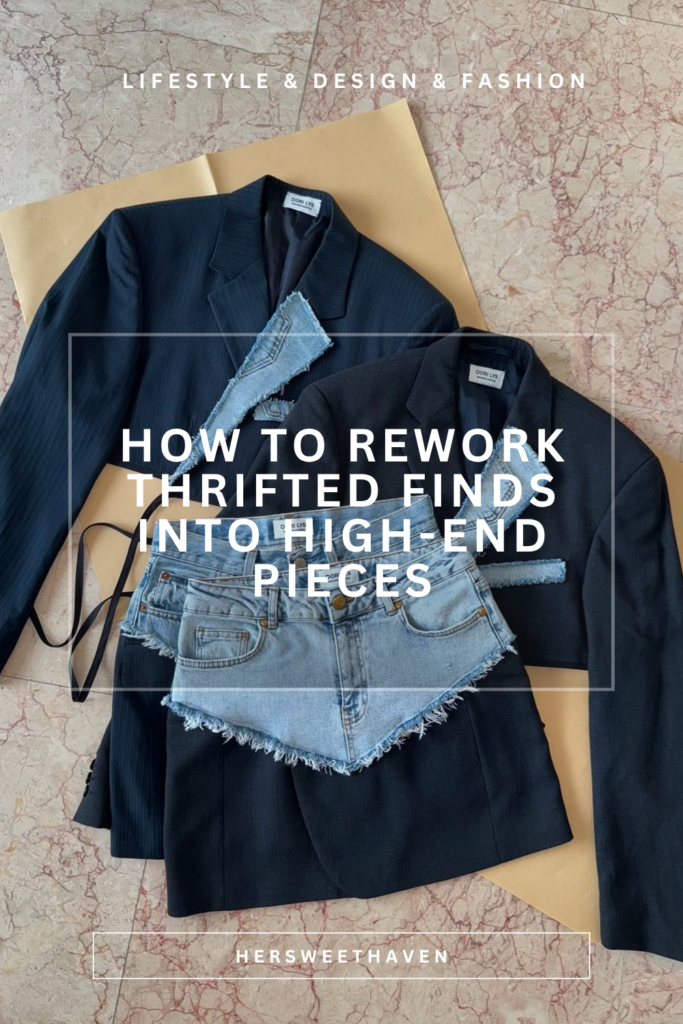
Thrift stores are full of blazers. Most of them are oversized, slightly outdated, and priced under $10. That makes them the perfect base for a rework project. Pair a dark blazer with raw-hem denim shorts stitched directly onto the waistline, or crop a blazer and pair it with a contrasting denim accessory piece.
The key is to treat the blazer as raw material, not as a finished garment. Cut it, reshape it, and combine it with denim or other fabrics to create something that feels modern. A cropped blazer with raw edges and visible seams reads as intentional and editorial, not sloppy.
This project works especially well if you want to build a wardrobe that feels more polished and put-together without the price tag. Structured fabrics (like suiting wool) give any rework a polished, refined quality automatically.
10. The Color-Blocked Button-Up Shirt
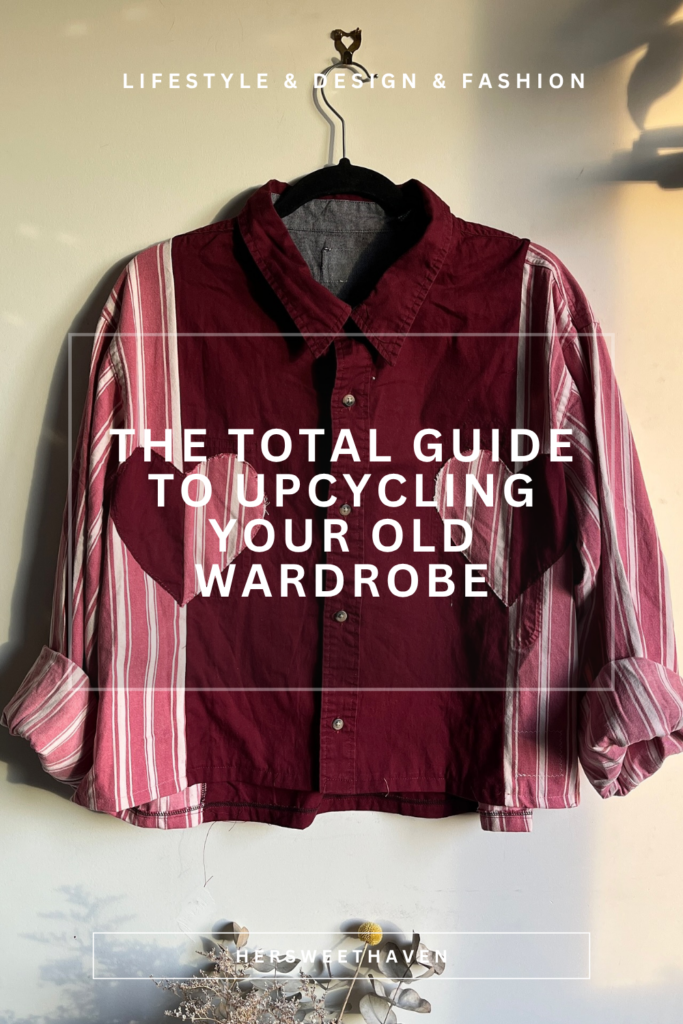
This is one of the most approachable upcycled clothing ideas on this list. Take two button-up shirts in different colors or patterns (one solid, one striped, for example) and combine them into a single shirt. Split the front panels, swap the sleeves, or mix the collar from one with the body of the other.
The visual effect is bold and graphic. Color blocking works because it creates clean lines and obvious contrast. And since button-up shirts are some of the easiest garments to take apart and reassemble (flat seams, simple construction), this is a solid first project if you’re new to reworking clothes.
Look for shirts in a similar weight and fabric type so they drape the same way when combined. A cotton poplin paired with a cotton poplin always looks intentional. A silk blended with heavy flannel can look off unless that contrast is deliberate.
What Do You Need to Start Upcycling Clothes at Home?
You don’t need a studio full of equipment. Here’s what gets the job done:
A sharp pair of fabric scissors (not your kitchen scissors). A basic sewing machine or a needle and thread for hand-sewing. Tailor’s chalk or a washable fabric marker for tracing lines. Pins to hold everything in place before you sew. And iron-on hem tape or fabric glue for no-sew shortcuts.
Start with fabrics that are forgiving. Denim, canvas, and cotton are the friendliest for beginners because they don’t slide around and they’re thick enough to hide small imperfections. Once you’re comfortable, you can move on to lighter or stretchier materials.
One more thing: try on the garment and pin where you want changes before you cut anything. This simple step (borrowed from this beginner-friendly guide to DIY fashion projects) is the difference between a rework that fits well and one that looks accidental.
If you’re getting into DIY fashion, you’ll also love these DIY tote bag projects for another fun weekend project.
How Can Upcycling Help You Build a More Sustainable Wardrobe?
Every piece you rework is a piece that stays out of a landfill. And given that the world discards 92 million tonnes of textiles every year, with 87% of it ending up burned or buried, that matters more than you think.
But sustainability isn’t the only reason to upcycle. It’s also one of the most affordable ways to build a wardrobe that actually feels like you. No more scrolling through fast fashion sites looking for something “close enough.” You’re making exactly what you want, from materials that already exist.
And there’s a practical bonus: reworked pieces tend to get more wear. When you’ve put time and creativity into something, you value it more. You reach for it more often. That alone breaks the cycle of buying, wearing once, and tossing that drives so much fashion waste.
If you’re building a more intentional closet, pairing your reworked pieces with a solid closet organization system helps you actually see and use what you’ve made.
Your Closet Is Full of Potential
You don’t need a huge budget or years of sewing experience to rework your wardrobe. You need one old garment, one idea, and the willingness to try. Start with the project on this list that excites you the most. Cut into that old hoodie. Patch those jeans. Mix those fabrics.
The best reworked pieces aren’t perfect. They’re personal. And that’s what makes them better than anything you can buy off a rack.
Which of these 10 upcycled clothing ideas are you going to try first? Drop a comment below and save this post so you can come back to it when you’re ready to start.







Leave a Reply