
The tiles you choose are doing more work than you think. They set the mood, define the space, and tell the story of your bathroom. They protect your walls, handle moisture, and—let’s be honest—they’re one of the most permanent decisions you’ll make in a renovation. So when you’re standing in a tile showroom or scrolling through endless options online, it’s easy to feel overwhelmed. That’s why we collected the best tiles for your bathroom.
The good news? You don’t need to spend a fortune to make your bathroom look incredible. And you definitely don’t need to play it safe with bland whites and boring grays.
This is the moment where bathroom design shifted. In 2026, tiles have become a vehicle for personal expression, color confidence, and smart budget strategy. Whether you’re drawn to warm earthy tones, bold jewel colors, or striking patterns, there’s a tile trend that speaks to you. And I’m here to walk you through how to choose tiles that feel both current and timeless.
Let’s break down what the design world is actually doing right now and how you can steal these ideas for your own space.
The Shift Away From Boring Bathrooms (Why 2026 Tile Trends Matter)
For years, bathrooms were treated like utilitarian boxes. White subway tiles, cool gray tones, high-gloss finishes that showed every fingerprint. Safe. Sterile. Forgettable.
That’s officially over.
Out with Cool Grays, In with Warmth
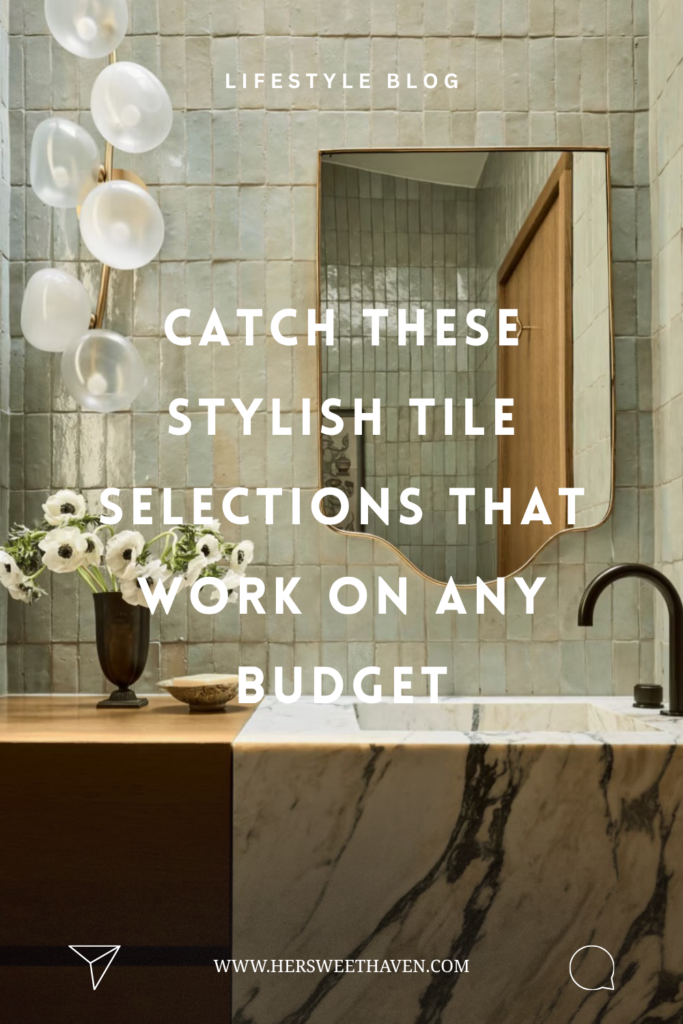
The biggest shift happening in bathrooms right now isn’t subtle. Designers are moving away from the cool, clinical tones that dominated the early 2000s and embracing warmth. Think soft terracotta, warm taupe, creamy beige, sage green, and olive tones instead of cool grays.
Why? Because these warmer hues create a grounding effect. They make your bathroom feel like a retreat instead of a functional room you rush through.
Texture is the New Neutral
Gone are the days of flat, glossy surfaces. Texture is doing the heavy lifting now. Three-dimensional tiles with fluting, ripples, and sculptural details add depth and character. When light hits these textured surfaces, it creates shadow play that feels sophisticated and intentional.
The best part? You don’t need a huge budget for this. Affordable ceramic and porcelain tiles now come in textured finishes that rival expensive artisan options.
Personal Expression Over Safe Choices
Bathrooms are no longer the one room where you play it safe. They’re becoming personal sanctuaries. Bold colors in the shower niche. Patterned accent walls. Hand-painted tiles in unexpected corners. This is your permission slip to stop overthinking and start expressing.
The Colors Dominating Bathrooms Right Now
If you’ve been thinking about splashing color into your bathroom, this is the year to do it. Here’s what’s actually working in real spaces.
Warm Earthy Tones (Terracotta, Sage, Olive, Taupe)
Warm neutrals are having a moment because they feel sophisticated without being cold. These aren’t the beiges of your childhood living room. They’re rich, complex tones with depth and character.
Soft terracotta brings warmth and a Mediterranean vibe. Sage and olive greens create a spa-like calm. Warm taupe bridges the gap between neutral and colorful. These colors pair beautifully with natural wood vanities, brushed brass fixtures, and layered lighting.
The psychology here matters. These warmer tones signal relaxation and grounding. Your nervous system actually responds to them differently than cool grays. You’re not just choosing a color; you’re choosing an experience.
Jewel Tones Make a Statement
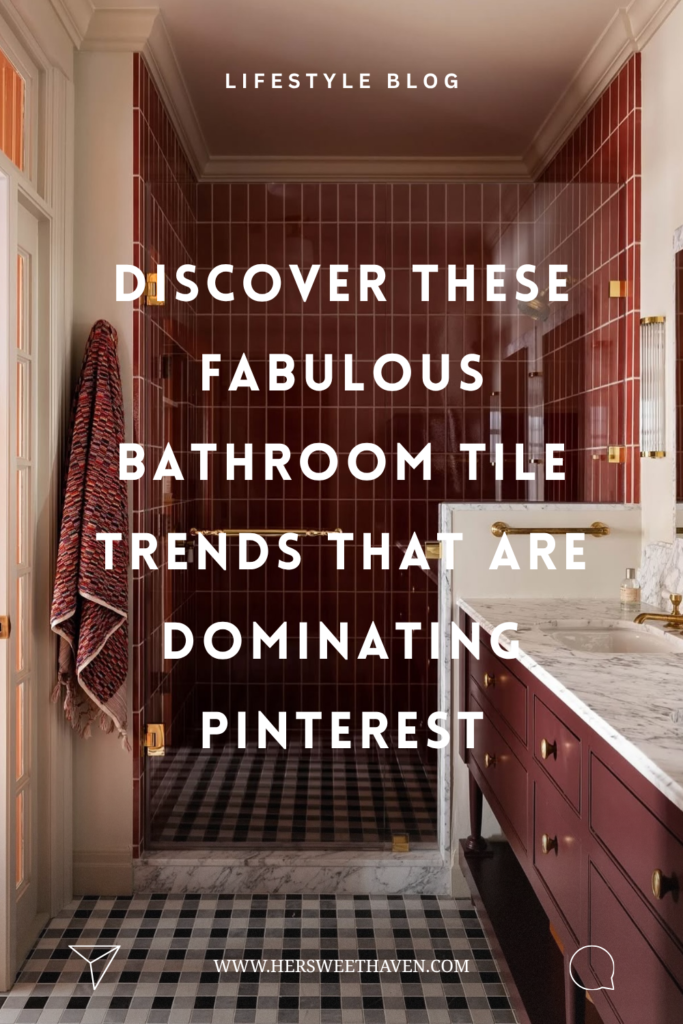
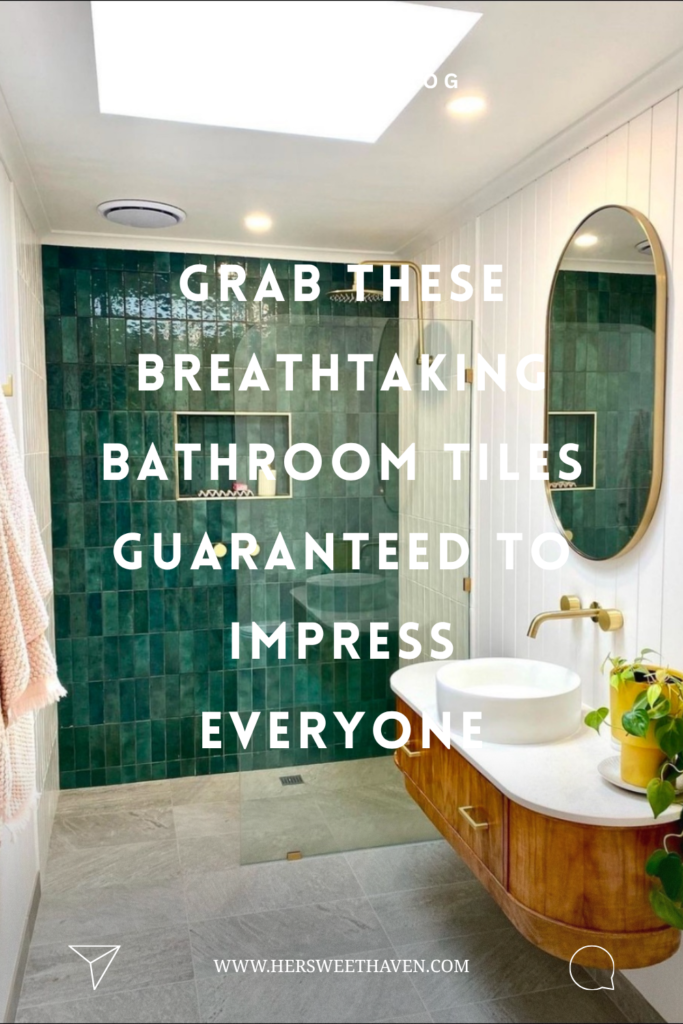
If warm neutrals feel too understated for you, jewel tones are where the boldness lives. Deep blues, emerald greens, rich burgundies, and forest greens are showing up on entire shower walls and feature areas.
The trick? Pair these bold colors with neutral fixtures and calm surfaces elsewhere. Let the jewel tone tile be the hero, and everything else can take a supporting role. In a small bathroom, this single bold move instantly feels intentional and designed.
How to Mix Colors Without Overwhelm
If you love the idea of color mixing but you’re nervous about it clashing, start with this framework: pick one bold hue as your anchor, then introduce a second complementary color in a smaller dose. Deep blue with terracotta accents. Emerald with warm cream. Burgundy with soft gray.
Keep your grout color intentional, too. High-contrast grout creates drama and makes patterns pop. Low-contrast grout creates a softer, more organic feel.
Pattern Trends That Create Instant Impact
Patterns are having a major moment, but they’re not what you’d expect from five years ago. They’re more sophisticated, more considered, and way more fun.
Checkerboards (Modernized for 2026)
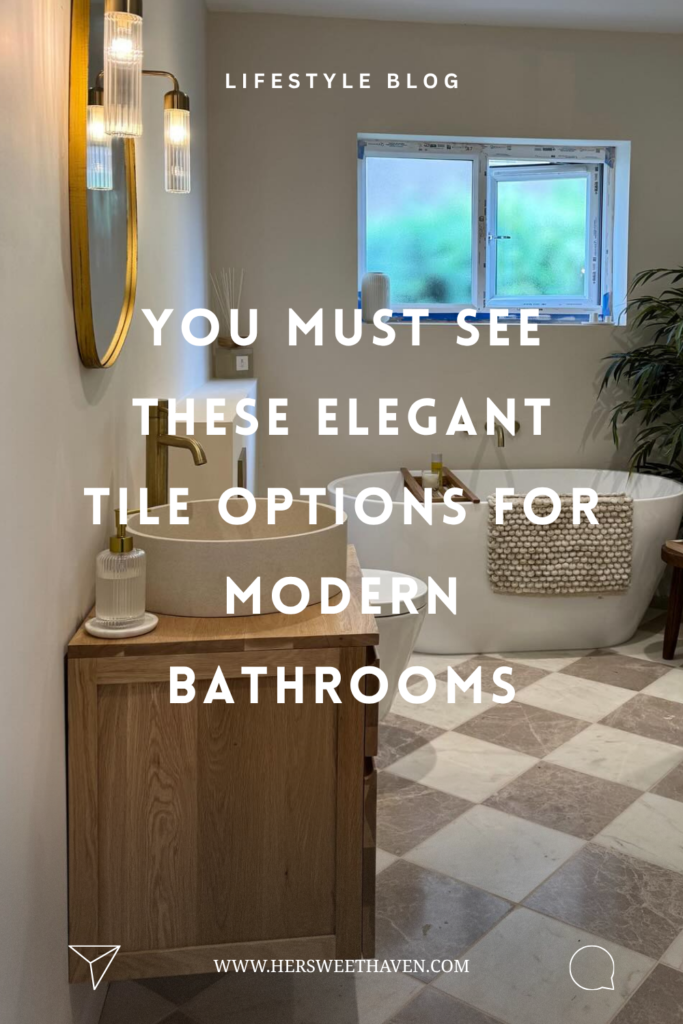
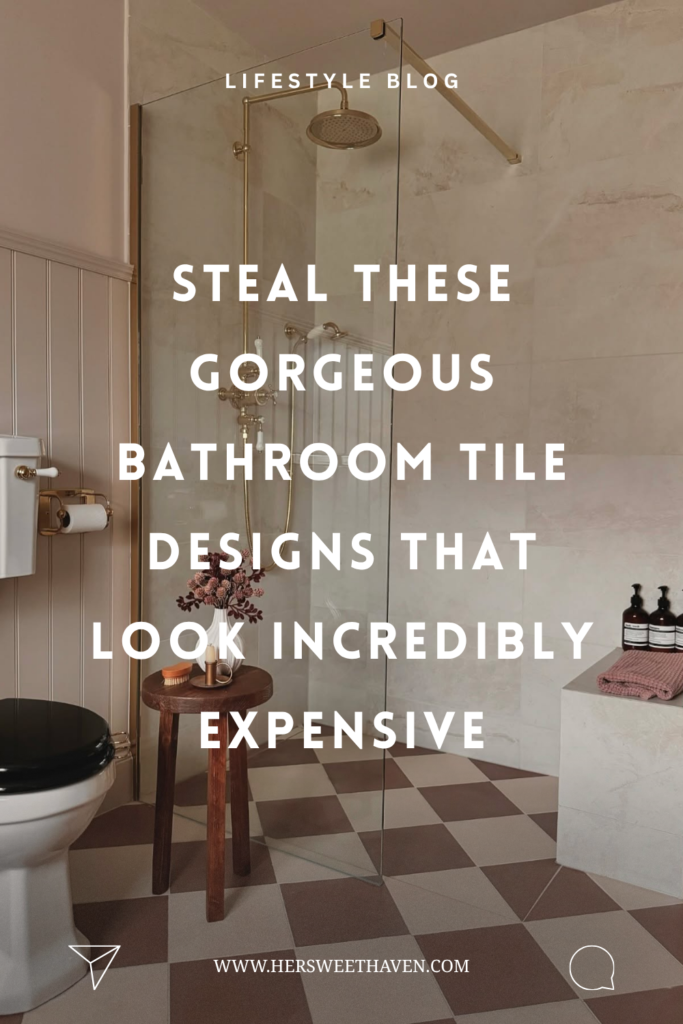
The classic black-and-white checkerboard isn’t gone, but it’s evolved. Designers are reimagining this timeless pattern with softer, earthier color combinations. Terracotta and cream. Sage and off-white. Warm charcoal and beige.
These modern checkerboards feel retro and current at the same time. They add graphic interest without making the space feel cold or dated. Lay them on the floor for maximum impact, or use them as an accent wall behind the vanity.
The beauty of checkerboard? Even an affordable ceramic tile becomes a statement piece when it’s arranged this way. Layout matters more than price tag.
Geometric & Encaustic Tiles
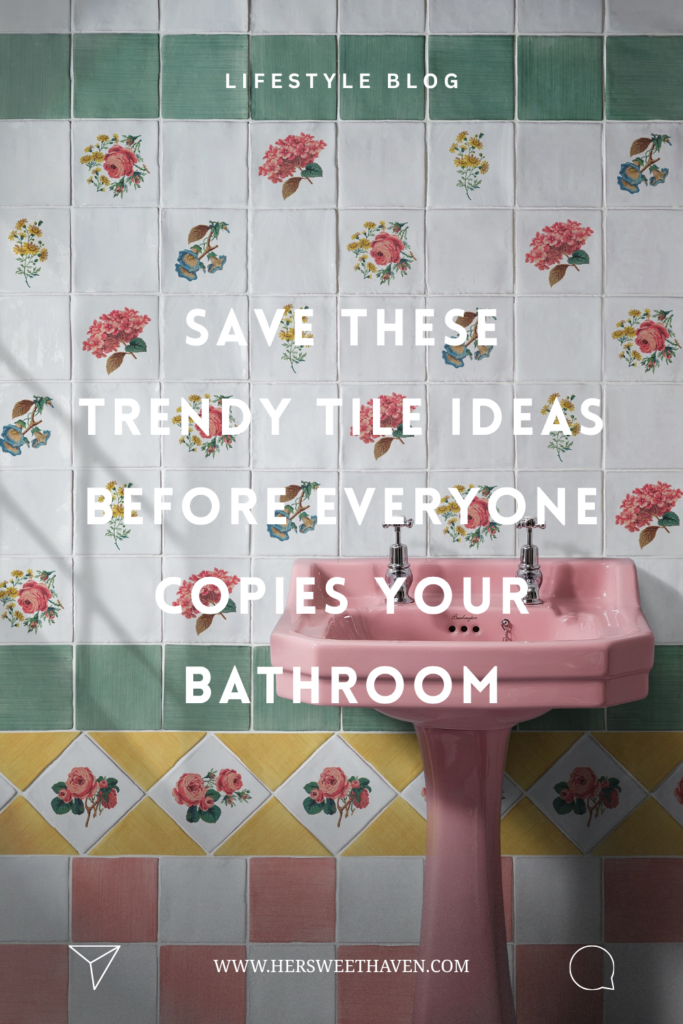
Geometric patterns are moving beyond simple stripes. We’re seeing complex interlocking shapes, subtle encaustic designs, and hand-painted details that add artistry to the space. These tiles work especially well in small areas like shower niches, behind the sink, or as a powder room feature wall.
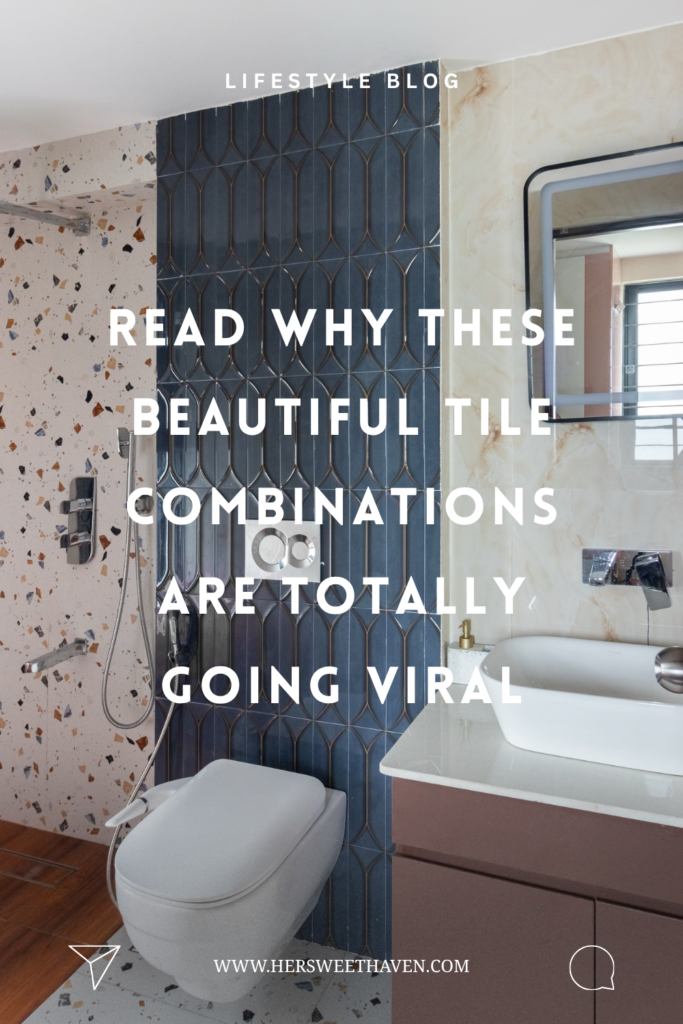
Encaustic tiles specifically—with their hand-painted, slightly imperfect finish—create an heirloom quality. They look like they have a story to tell.
Handcrafted & Vintage-Inspired Designs (Zellige, Moroccan)
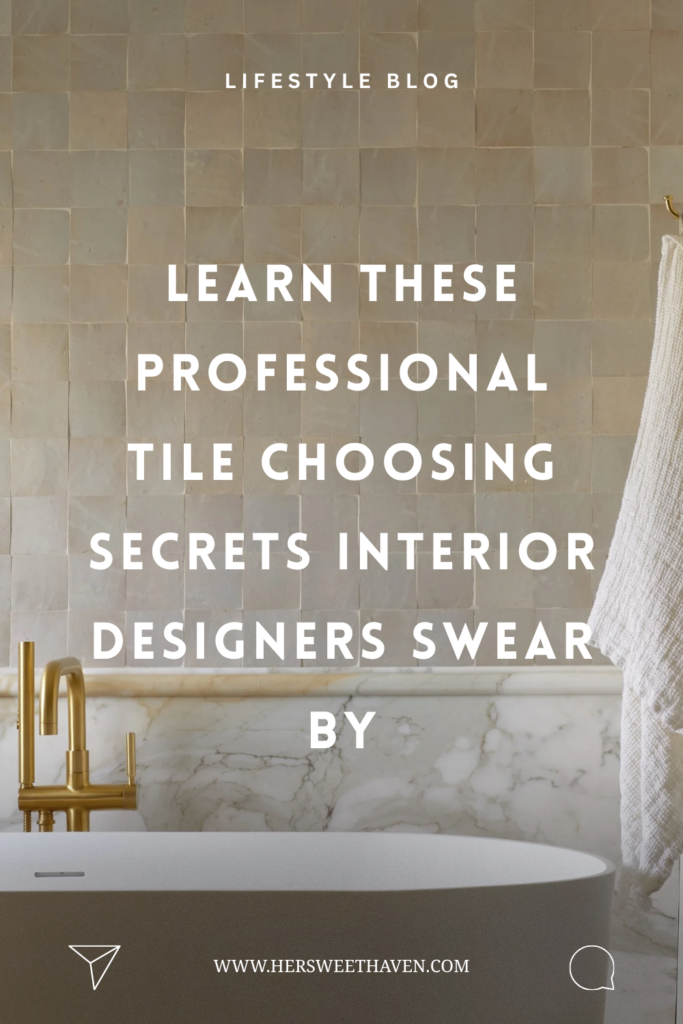
Zellige tiles (handcrafted Moroccan clay with subtle glaze variations) are having a major resurgence. These tiles feel artisanal and one-of-a-kind because they actually are. Each tile has its own subtle color variation and texture.
If real Zellige isn’t in your budget, there are beautiful ceramic alternatives that capture that handmade aesthetic at a fraction of the cost.
Vertical Stacking & Herringbone (Why are stacked tiles suddenly everywhere?)
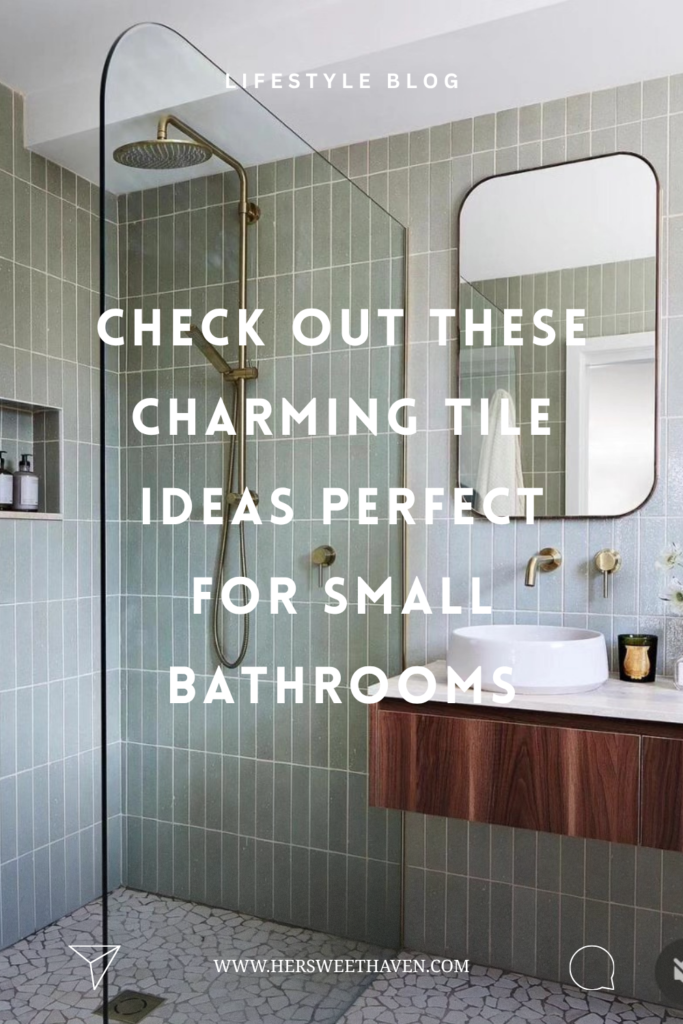
Stacked vertical tiles make a room feel taller. Herringbone patterns create dynamic movement. These aren’t new layout ideas, but they’re being used with fresh color palettes now. Warm terracotta herringbone. Sage green stacked tile. Cream and charcoal combinations.
The layout itself becomes the pattern, which means you can use affordable tiles in unexpected ways and achieve a high-end look.
Bathroom Tile Styles for Every Aesthetic
Your tiles should feel like they belong in your bathroom, not like you grabbed them from a showroom inspiration board. Here’s how different styles are using tile in 2026.
Modern & Minimalist
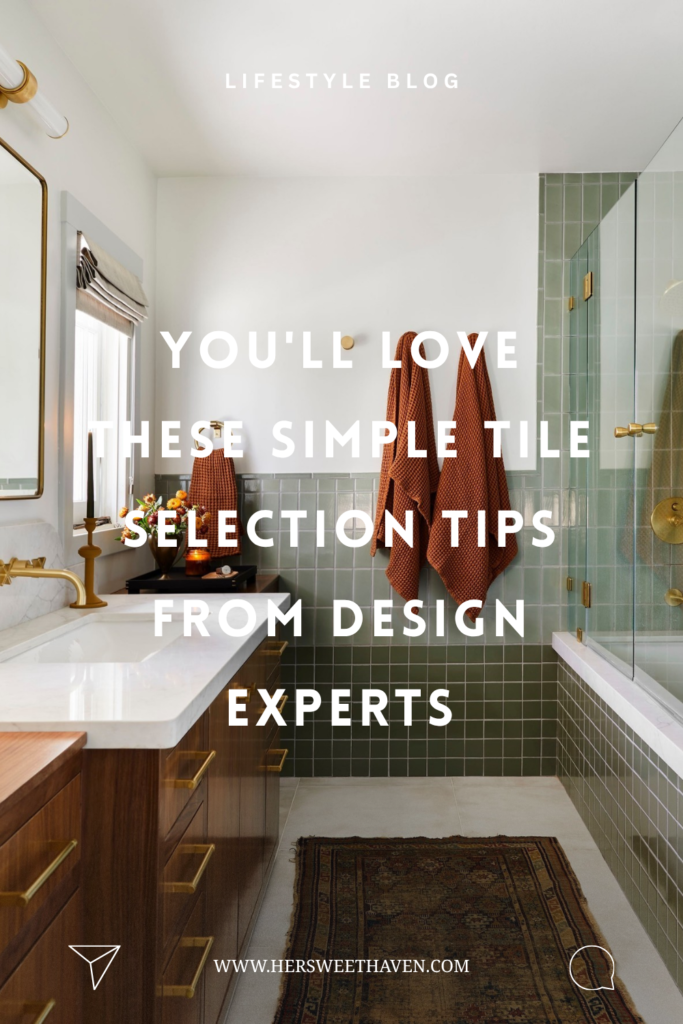
Modern bathrooms are all about clean lines, large-format tiles, and minimal grout lines. The focus is on simplicity with subtle texture. Think matte finishes, soft neutrals, and perhaps one bold color accent.
Coastal & Transitional
Lighter, airier palettes with whites, soft greens, and warm neutrals create that breezy coastal vibe. Pair these with natural wood vanities and woven accessories for the complete story.
Traditional & Eclectic
This is where you can play with patterns, mix textures, and layer visual interest. Classic checkerboards, vintage-inspired designs, and patterned accent tiles work beautifully in bathrooms with character.
Spa-Inspired Retreats
Spa bathrooms lean into warm tones, textured surfaces, and calming color palettes. Soft greens, warm neutrals, and natural materials create that “ahh” feeling you get at a luxury retreat.
The Budget-Friendly Secret: How to Look Expensive Without the Price Tag
This is where things get good. Because here’s what interior designers know and you’re about to know: the most expensive tile isn’t always the most beautiful tile. Strategy matters more than price tag.
Choose Your Focal Point (Feature Walls & Statement Areas)
You don’t need to tile every surface with the trendiest, most expensive option. In fact, doing so usually feels excessive and drains your budget fast.
Instead, pick one focal point. Maybe it’s the wall behind the vanity. Maybe it’s your shower surround. Maybe it’s a powder room statement wall. Invest your tile budget there. Let that area be bold, patterned, or textured.
Then tile the rest of the bathroom in something simple and affordable. A basic subway tile. A neutral porcelain. Something that reads as classic and clean without demanding attention.
This approach actually makes your bathroom feel more curated and designed. It’s intentional, not overwhelming.
Affordable Materials That Mimic Luxury (Ceramic, Porcelain, Stone-Look Tiles)
Ceramic tiles are the workhorses of the tile world. Affordable, available in endless colors, and durable enough for bathrooms. Porcelain is slightly more expensive but denser and more water-resistant.
Here’s the insider secret: stone-look tiles in ceramic or porcelain are indistinguishable from real marble or natural stone to most eyes. You get the aesthetic of Carrara marble or travertine without the price tag or maintenance nightmare.
Large-format marble-look porcelain on your shower walls? Stunning. Affordable. Practical.
Layout Tricks That Elevate Cheap Tiles (Herringbone, Vertical Stacking, Large Format)
A $2-per-square-foot tile installed in a herringbone pattern looks significantly more expensive than that same tile installed in a straight run.
Vertical stacking of basic subway tile? That’s a design move. Large-format tiles with minimal grout lines? That reads as high-end and spacious.
These layout choices cost nothing more than standard installation but completely shift how your bathroom reads.
Grout & Finishing Details Matter More Than You Think
Here’s something most people overlook: grout is a design tool. Matching grout color creates a seamless, luxe look. Contrasting grout creates graphic drama.
Finishing your tile edges properly (no exposed raw edges, proper trim pieces or bullnose tiles) is the difference between DIY-looking and professionally installed. Professional edges look intentional and polished.
These details cost relatively little but signal quality throughout.
Can I afford to cover entire walls in tile?
Yes. Especially if you choose affordable materials strategically. Large-format ceramic tiles in a single neutral color can cover walls and floors affordably while looking intentional and continuous.
This “tile drenching” trend actually works on a budget. The key is picking one color family and carrying it throughout. One material. One vision. It feels seamless and high-end.
Making Smart Tile Choices for Your Space
Not every bathroom needs the same tile approach. Here’s how to think about your specific space.
Small Bathrooms (Large Format Tiles, Light Colors)
In small bathrooms, large-format tiles reduce grout lines and make the space feel more expansive. Light colors reflect light and feel airier. Consider carrying one tile material up walls and across floors for continuous flow.
A small powder room is your chance to be bold without it feeling overwhelming. Deep color + dramatic pattern + small square footage = intentional, not chaotic.
Master Bathrooms (Color Drenching, Texture Play)
Master bathrooms can handle more complexity. This is where you might embrace that full color-drenched wall, experiment with pattern mixing, or use textured tiles as a feature element.
You have more space, so you can create zones. Simple tiles in the main area. Bold tiles in the shower. Patterned tile in the vanity surround.
Powder Rooms (Your Chance to Be Bold)
Small powder rooms are permission to be adventurous. Bold colors, striking patterns, jewel tones, hand-painted tiles. This is where you take a design risk because it’s contained and guests only see it briefly.
Your powder room can be the most designed, most intentional space in your home.
Putting It All Together
The secret to choosing the best tiles for your bathroom isn’t complicated. It’s about understanding what’s happening in design right now, knowing your budget limits, and making strategic choices that feel intentional.
Start with one decision. Is your anchor color a warm neutral or a bold jewel tone? Are you drawn to pattern or texture or simplicity? Once you know that, every other tile choice becomes easier.
Pick your focal point. Invest there. Keep the rest simple. Don’t skip on finishing details. And remember: the most beautiful bathroom isn’t the most expensive one. It’s the one that feels like it reflects you.
Your bathroom deserves to feel like more than a functional room. It deserves to feel like a designed space you actually want to spend time in. And with the right tiles, chosen thoughtfully and installed well, you absolutely can create that—without breaking the bank.
Leave a Reply