
A small garden isn’t a limitation. It’s a chance to be deliberate about every square foot. A narrow side yard, a tiny patio or a few feet of grass can all become a space that feels lush, useful and private. Below: how to divide a small yard into “rooms,” how to build up instead of out, how to choose a material and plant palette that keeps things calm, lighting, and the practical tips that make a tiny yard work day to day.
Create zones to make a small space feel bigger
The instinct in a small yard is to keep everything open so it looks larger. The opposite tends to work better. When you can see the whole yard at a glance, it reads as small. Divide it into zones, and the eye takes longer to travel through it, so the space feels bigger.
The outdoor living room
Start with a dedicated seating area that feels like an extension of the house. A small deck or stone patio grounds a seating set and gives it a clear edge. A compact sectional or a loveseat tucked into a corner maximizes seating without blocking the middle of the yard. Add an outdoor rug and a few pillows, and the corner says “stay a while” instead of being just the way to the back fence.
Dining and cooking areas
Even a tiny yard often has room for a grill and a small bistro table. The trick is to keep the areas clearly separate. A change of material underfoot signals a new “room”: wood decking for the lounge, large pavers or gravel for the dining spot. That visual break helps the eye read the yard as several spaces rather than one small one.
Design for flow
Paths do a lot in a small garden. A winding stepping-stone path makes even a short walk feel like an outing, even if it only leads ten feet to a bench or a fire pit. Following a trail makes the garden feel like a destination.
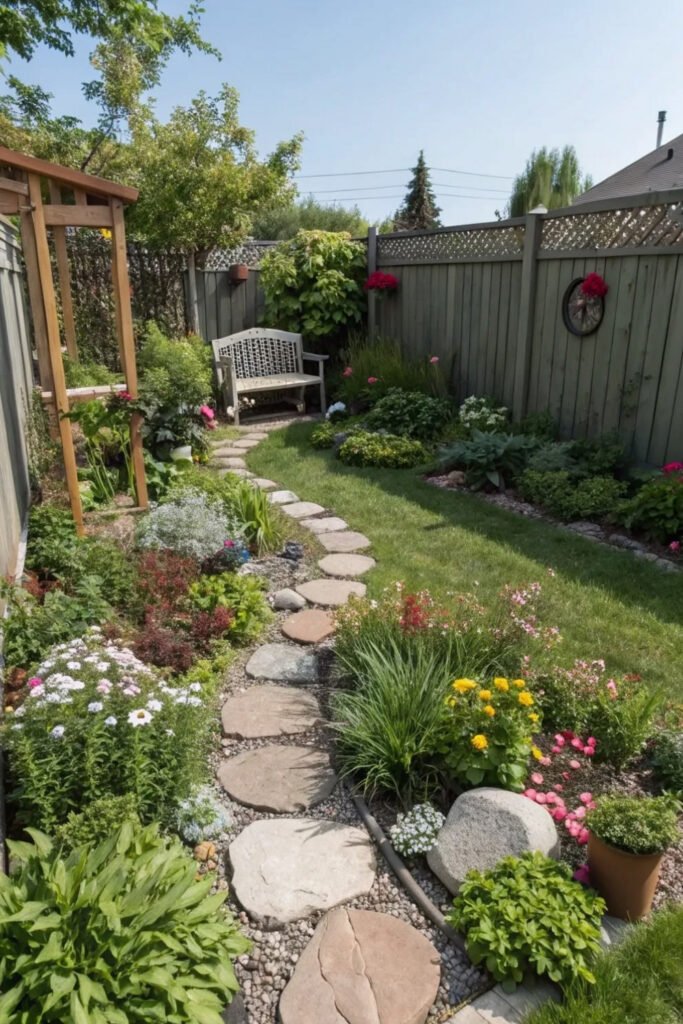
Line the path with low herbs such as creeping thyme or lavender, so brushing past them releases scent. Set stepping stones about 24 inches apart, center to center, for a comfortable stride. Those small moments are what make a compact garden feel rich.
Build up instead of out
When floor space runs out, go up. Vertical gardening is the most useful tool for a tiny yard, especially if you’d like a vegetable garden without room for traditional rows.
Trellises and green walls
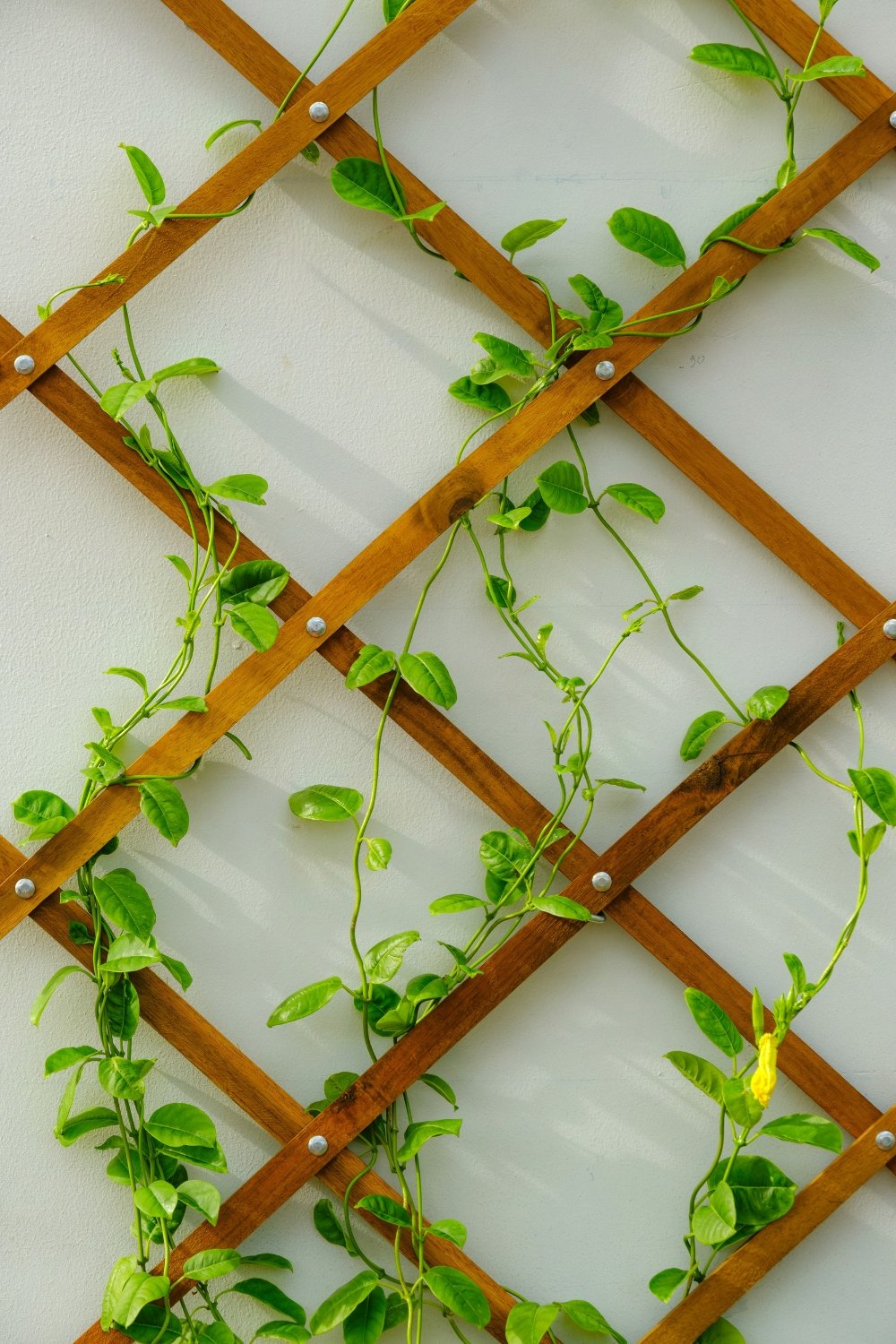
A pergola or a trellis does double duty in a small garden. Climbing roses, jasmine (in warmer zones), clematis or vegetables like pole beans and cucumbers turn a frame into a living wall. It gives privacy from neighbors without a tall, imposing fence, and it draws the eye up, so the whole yard feels taller. A simple pergola with string lights adds structure that makes the small footprint far less noticeable.
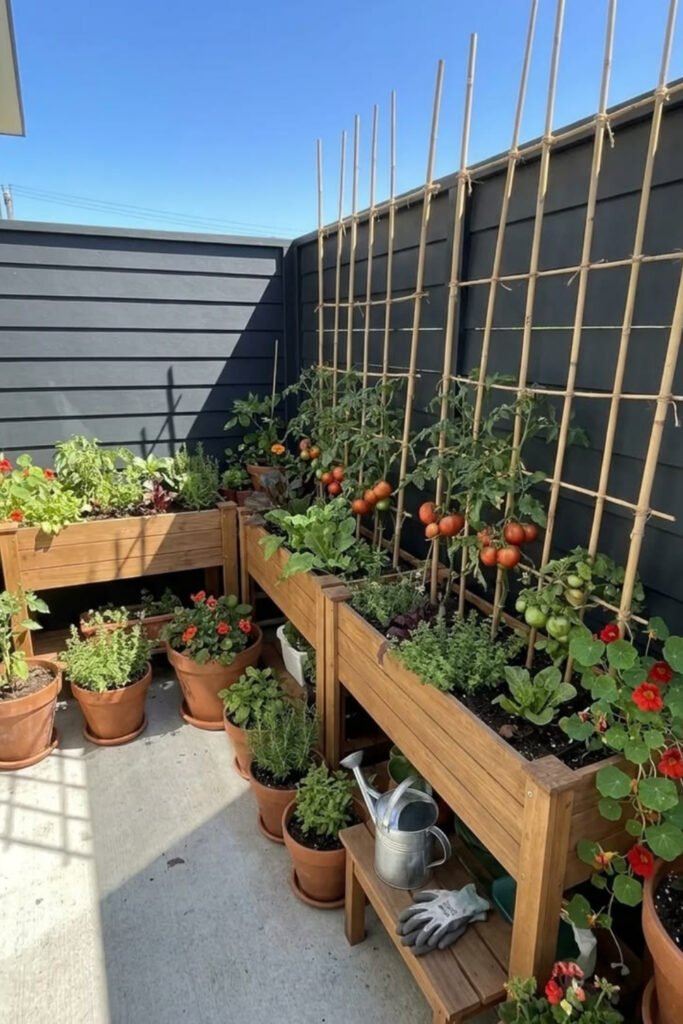
A dark-painted fence behind raised beds and trellises makes the greenery stand out and the boundary recede, a useful trick when the fence is close.
Raised beds and tiered planting
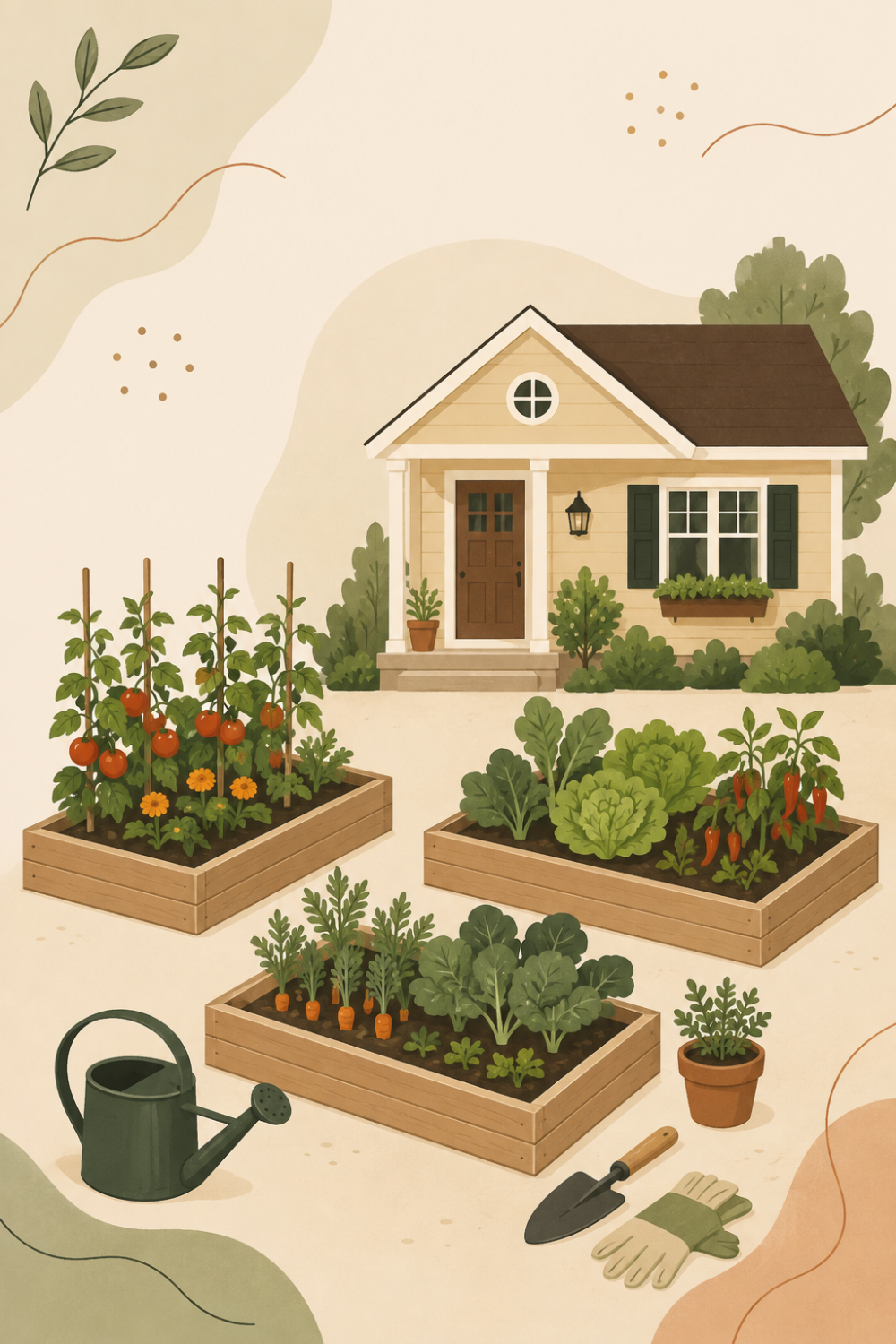
To grow food without losing your patio or lawn, raised beds along the edges of the yard work well. Beds around 18 inches tall look neat, keep sprawling plants contained and are easy on the back. A wide top board doubles as a bench, which saves on furniture. I grow kale, lettuce and tomatoes in my raised beds, and they suit a small space well: greens can be picked leaf by leaf for weeks, and one or two staked tomatoes go up rather than out.

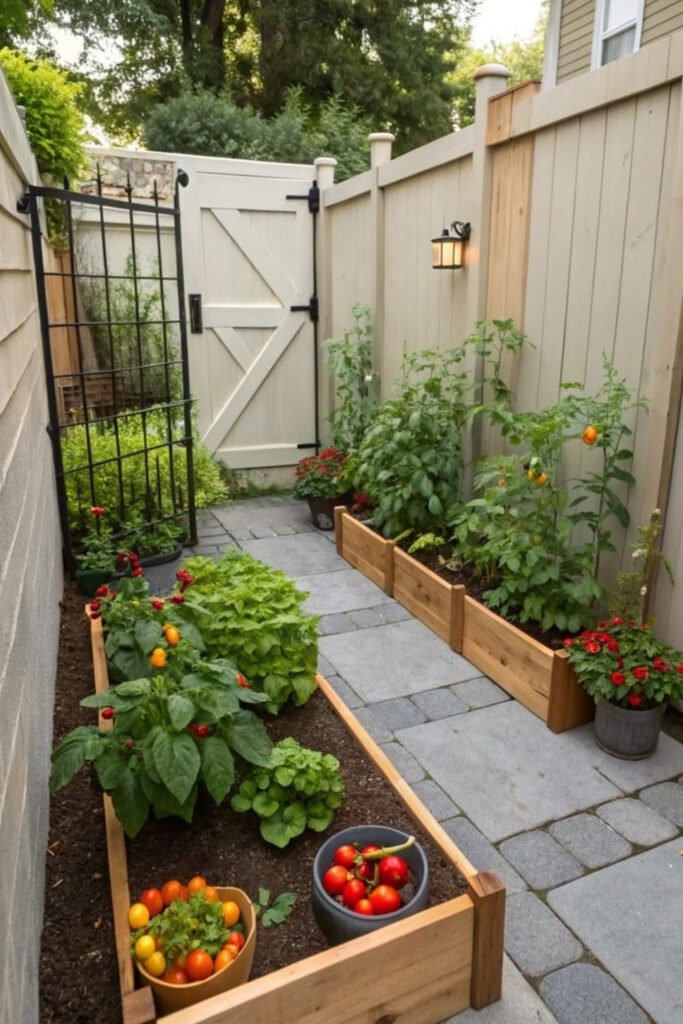
Concrete pavers or gravel between the beds keep feet out of the mud and make the area look tidy. Tiered planters or stepped shelves add even more growing room against a wall.
Hanging elements
Don’t forget the space overhead. A hanging chair or hammock from a sturdy beam or a strong tree branch feels much lighter than a bulky chair, because you see the ground beneath it. Lanterns or string lights hung from a pergola create a “ceiling” of light that makes the garden feel like an enclosed room at night, which is often when a small garden gets used most. Check that beams and branches can safely take the weight.
Choose a cohesive material and plant palette
In a small space, less really is more. Ten kinds of stone, five wood stains and every flower color at once make a yard look cluttered.
Stick to a color story
A neutral palette for the hardscaping (patio, fences and furniture) lets the plants stand out. Light woods like cedar with gray or tan stone keep things bright. For flowers, pick two or three colors, such as white, purple and deep green foliage, and repeat them. When the colors are consistent, the edges of the yard seem to fade, and the space feels like its own little world.
Texture over quantity
Instead of fitting in as many plants as possible, choose plants with interesting textures: soft, feathery grasses next to broad hosta leaves or structured evergreens. That contrast keeps the garden interesting even when nothing is flowering. In a tiny yard you see every plant up close every day, so year-round good looks matter. Include a few evergreen shrubs, so winter doesn’t look bare.
Lighting for mood and depth
Layered lighting makes a small garden feel finished. Use brighter task light by the grill and softer light by the seating. Small solar uplights at the base of a tree or large plant cast shadows on the fence and add depth after dark, so the garden seems to continue into the darkness. Keep bulbs warm and soft; nobody wants to sit in a yard lit like a parking lot.
Practical tips for a small garden
- Think about scale. Measure before buying furniture. Oversized pieces are the enemy of a small yard. Apartment-sized or low-profile sets with visible legs leave more ground visible, which makes the space feel bigger.
- Prioritize privacy. A garden only gets used if you don’t feel watched. Tall, narrow plants such as clumping bamboo in containers or arborvitae make a green screen that feels friendlier than a tall wooden wall.
- Try a mirror. A weatherproof mirror on a back fence reflects plants and light and can look like a window into more garden. Place it where it won’t reflect the sun into a window or confuse birds, and angle it slightly.
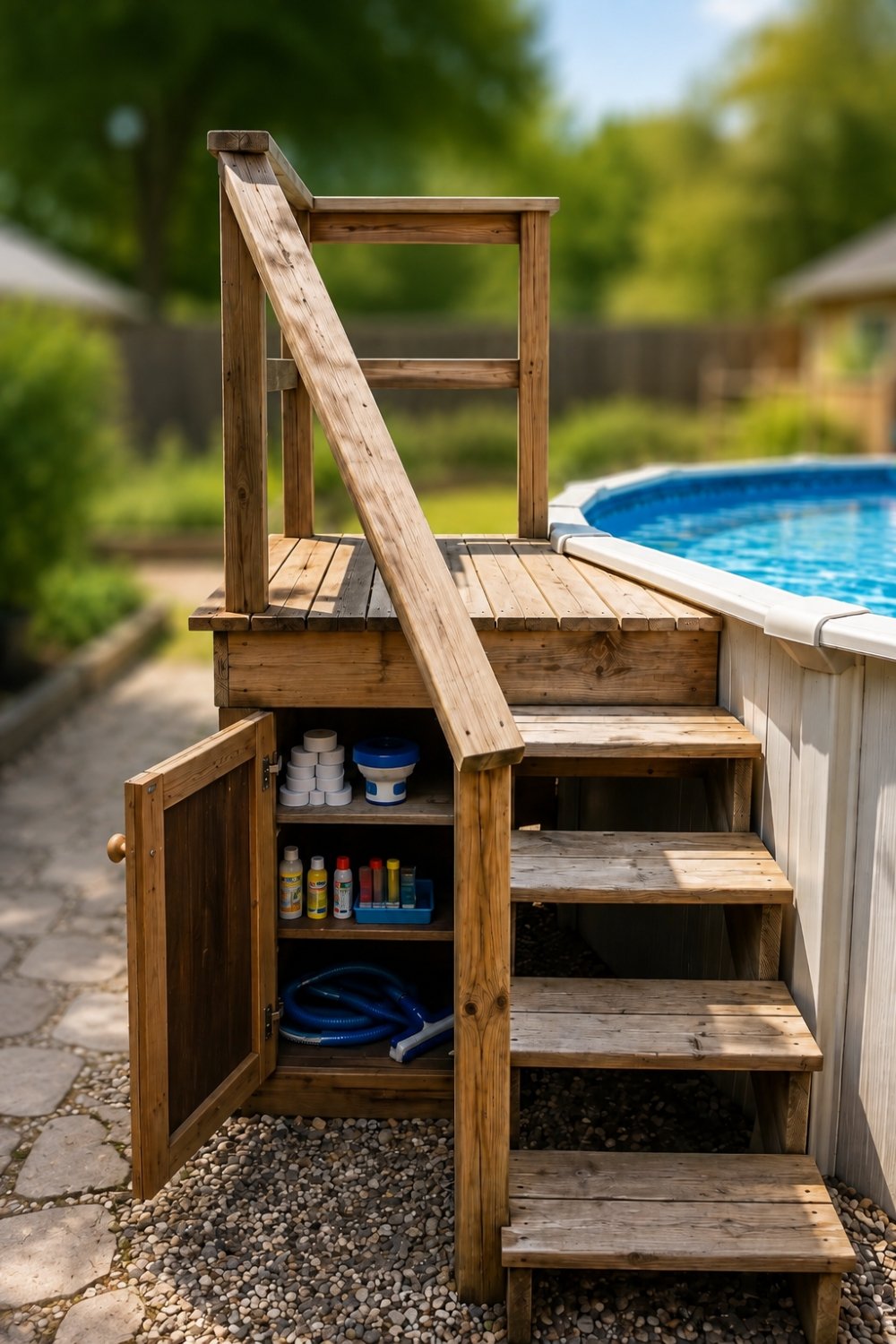
- Keep it tidy. In a large yard, a few stray pots don’t matter. In a tiny one, clutter is obvious. Give tools and the hose a hidden home, like a slim storage bench or a deck box.
- Focus on the senses. Plant jasmine or lavender for scent, use gravel for the crunch underfoot, and add a small water feature to soften traffic noise. These details make a small garden feel like a retreat.
Making a narrow side yard work
Side yards are often the most neglected part of a small property, a strip for trash cans and a hose. They can become one of the nicest spots instead. A straight path of stepping stones or gravel down the middle, with narrow raised beds or planters along one or both sides, turns the strip into a little garden walk. Shade-tolerant herbs like mint and parsley, ferns and hostas suit side yards that get only a few hours of sun. Hide the bins behind a short slatted screen at one end, and the whole strip looks planned.
Containers in a small garden
Pots let you garden on any hard surface and move plants around as the light changes through the year. Fewer, larger containers look calmer than many small ones, and they dry out more slowly. Group them in odd numbers at different heights, and stick to one material or color, such as terra cotta or matte black, so the collection looks like a set.
Make sure every pot has drainage holes, and use potting mix rather than garden soil, which compacts in containers. Pots dry out quickly in summer, so check them daily during hot spells, or use self-watering containers to stretch the time between waterings.
Plants that suit small gardens
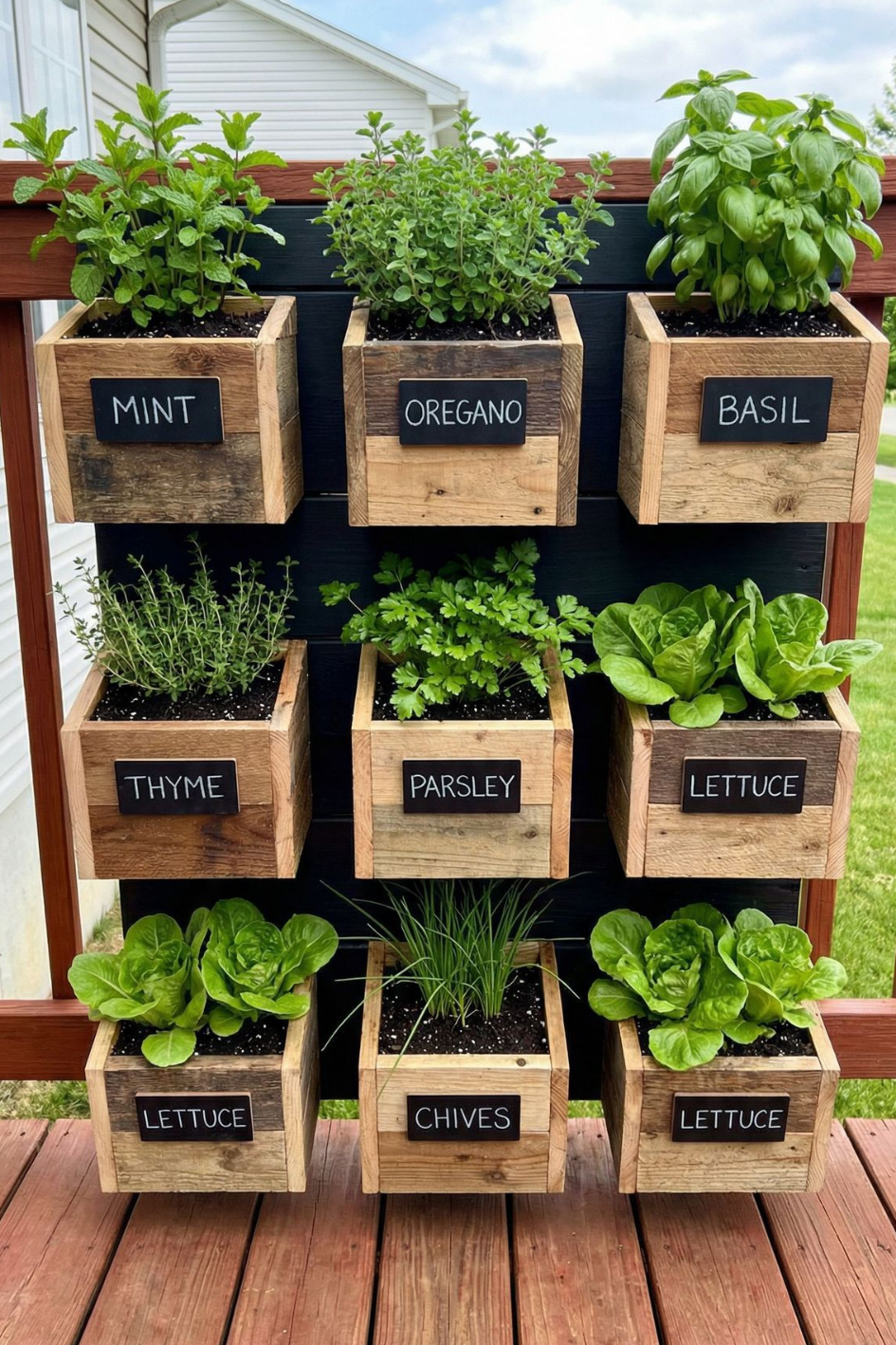
Compact plant varieties make a big difference. Look for dwarf or “patio” versions of shrubs, fruit trees and vegetables, which are bred to stay small. Columnar trees, like narrow apple varieties or columnar hornbeam, add height without much width. Herbs such as thyme, oregano and chives fit into tight spaces and pots, and trailing plants soften the edges of containers and raised beds. Check the mature size on every plant tag before you buy, so nothing outgrows its spot in two seasons.
Seasonal care in a small space
Small gardens are quick to look after, but they show neglect quickly too. In spring, cut back last year’s growth, top up mulch and refresh pots. In summer, deadhead flowers, water deeply and harvest often. In fall, plant bulbs and tidy the beds, and in winter, bring tender pots under cover and store cushions somewhere dry. Ten minutes a week keeps a tiny yard looking cared for.
Small yard, big impact
Designing a small garden comes down to using space wisely and focusing on details: clear zones, vertical growing, a consistent palette and soft light. The goal isn’t the biggest yard but the one you most enjoy using. My take: pick one corner and improve it this weekend, then let the rest follow. What are you working on in your small space? Tell me in the comments.
Leave a Reply