

Bedazzled items get a bad reputation because most people skip the basics and jump straight to gluing gems onto everything in sight. The result? Rhinestones popping off within a week, glue smeared everywhere, and a finished product that looks more “dollar store craft table” than “Pinterest-worthy.”
But when done right, bedazzled items look absolutely incredible. We’re talking phone cases, hairbrushes, chargers, and even Sonny Angels covered in sparkling rhinestones that actually stay put. The bedazzling trend is everywhere right now, and for good reason. It’s one of the most fun, budget-friendly ways to personalize your stuff and make everyday objects feel special.
This guide breaks down everything you need to know. From picking the right gems to prepping your surfaces, choosing the best glue, and avoiding the mistakes that make bedazzled stuff look cheap. Whether you want to make a bedazzled phone case in 15 minutes or go all-in on a full rhinestone shoes, you’ll walk away knowing exactly how to do it.
What Makes Bedazzled Items Look Tacky (and How to Fix It)
Let’s get this out of the way first. Not all bedazzled things are created equal. Some look like a work of art. Others look like they were made during a rushed middle school sleepover. The difference comes down to three things.
Wrong Gem Size for the Surface
One of the biggest mistakes beginners make is using rhinestones that are way too big for the item they’re decorating. Oversized gems on a small surface like a lip balm container look clunky and uneven. On the flip side, tiny gems on a large surface (like a tumbler) can look sparse and underwhelming.
The fix is simple: match the gem size to the surface area. For small items like makeup containers and lip balm, stick with SS12 to SS16 stones. For larger items like tumblers, phone cases, or hairbrushes, SS16 to SS20 works well. And according to expert rhinestone guides, mixing 2 to 3 sizes in one project adds depth and dimension that makes the whole piece look more intentional.
Visible Glue Overflow and Uneven Spacing
Nothing screams “amateur hour” like dried glue peeking out between your rhinestones. This happens when you use too much adhesive or don’t wait long enough for the glue to get tacky before placing your stones.
Use less glue than you think you need. A tiny dot smaller than the rhinestone itself is enough. Place the stone, press gently, and move on. If glue does seep out, the good news is that most quality adhesives (like GemTac) dry clear. But preventing it in the first place always looks better.
Using Low-Quality Resin Stones Instead of Glass
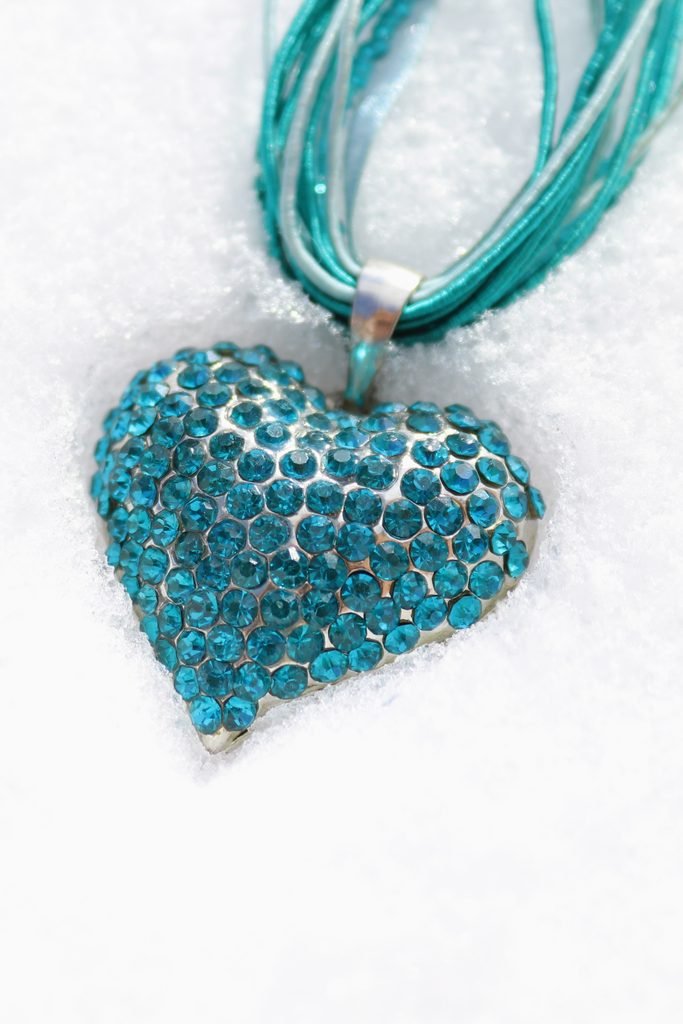
Here’s the key point: the material of your rhinestones matters more than almost anything else. Cheap resin or “jelly” stones lose their shine fast. They cloud up, scratch easily, and that shiny finish can completely disappear with handling or washing.
Glass rhinestones cost a little more, but the sparkle lasts. If you’re putting in the time to bedazzle something, use stones that will actually hold up.
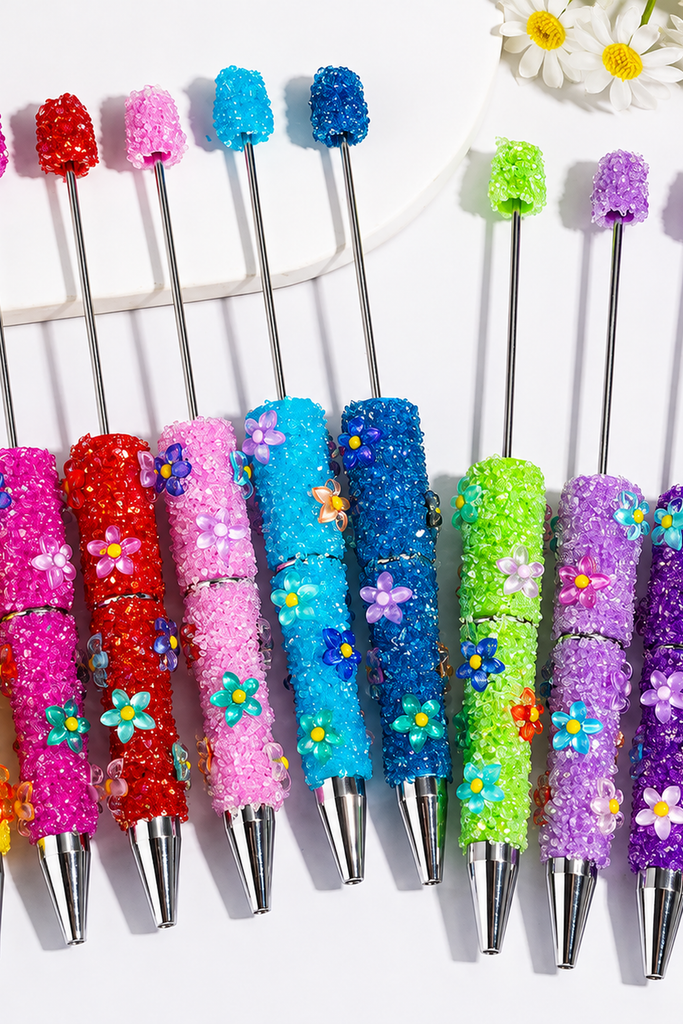
Image by Henna Arize from Pixabay
Stop Bedazzling Without This One Prep Step
If there’s one thing that separates bedazzled items that last from ones that fall apart in a week, it’s surface preparation. And almost nobody talks about it.
Why Surface Preparation Is Everything
Your glue can only bond properly if the surface is clean, dry, and free of oils or residue. Think about it: you wouldn’t paint a wall without priming it first. The same logic applies here.
Before you touch a single rhinestone, wipe down your item with rubbing alcohol. This removes fingerprints, dust, and any coating that might prevent the adhesive from gripping. For fabric items, wash and fully dry them before you start. For plastic or metal surfaces, a quick alcohol wipe does the trick.
How to Clean and Prime Different Materials
Different surfaces need slightly different treatment. Smooth plastic (like phone cases or chargers) responds well to isopropyl alcohol. Metal items need the same alcohol wipe, but make sure there’s zero moisture left before applying glue. Glass surfaces can be cleaned with alcohol too, but avoid any glass cleaner that leaves a residue.
For fabric, skip the alcohol. Just make sure the item is freshly washed (no fabric softener) and bone dry. Fabric softener leaves a coating that weakens adhesive bonds. This one small detail can make or break your entire project.
Flat Back vs Round Gems for Bedazzled Items: What Actually Sticks?
If you’ve ever browsed rhinestones online, you’ve probably noticed there are a lot of options. Flat backs, pointed backs, hotfix, non-hotfix. It can feel overwhelming. Here’s the breakdown.
When to Use Flat Back Rhinestones
For the vast majority of bedazzling projects, flat back rhinestones are the way to go. They have a smooth, flat surface on the underside that makes them easy to glue onto nearly anything. Phone cases, tumblers, hairbrushes, claw clips, chargers: flat backs work on all of them.
They come in two varieties: hotfix (with pre-applied heat-activated glue) and non-hotfix (you supply the adhesive). For most bedazzled items that aren’t clothing, non-hotfix flat backs with a strong glue are your best bet.
When Round or Pointed Back Gems Make Sense
Pointed back rhinestones (also called chatons) are mostly used in jewelry settings where the stone sits inside a metal mount. They’re not practical for most DIY bedazzling because there’s no flat surface to glue down. Stick with flat backs unless you’re working with prong settings or specific jewelry pieces.
Round cabochons (smooth dome tops with flat backs) are a fun option for accent pieces. They don’t sparkle the same way faceted rhinestones do, but they add a different texture. Mixing a few cabochons into a project alongside faceted flat backs can give your bedazzled stuff a more interesting, layered look.
Hotfix vs Non-Hotfix: Which One Should You Pick?
For fabric and clothing projects, hotfix rhinestones are generally the stronger choice. The heat-activated adhesive melts into the fibers and creates a bond that can survive washing. You apply them with a household iron, a heat press, or a specialized hotfix tool.
For hard surfaces like plastic, metal, and glass, non-hotfix flat backs with a compatible glue are better. Using the right adhesive for the specific material gives you a stronger hold than hotfix glue would on a non-fabric surface.
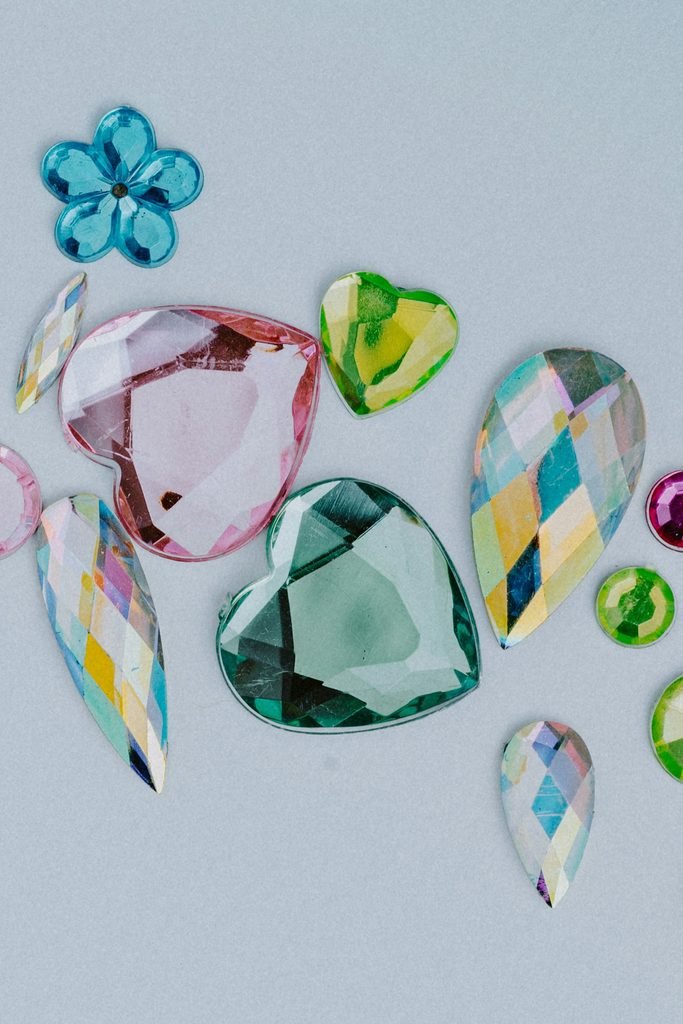
Photo by Kier in Sight Archives on Unsplash
How to Bedazzle Anything Without the Gems Popping Off
This is the question everyone asks. You spent hours placing hundreds of tiny rhinestones and then they start falling off one by one. It’s frustrating. But it’s also preventable.
Picking the Right Glue for the Right Material
There is no single “best glue” for all bedazzled items. The right adhesive depends entirely on the surface you’re working with.
For most hard surfaces (phone cases, tumblers, home decor), GemTac and E6000 are the two most popular choices. GemTac is water-based, dries clear, and doesn’t have strong fumes. E6000 is stronger but requires good ventilation because the fumes are harsh. For shoes and non-porous surfaces like Crocs, a cyanoacrylate-based shoe glue bonds almost instantly.
For fabric, GemTac or a dedicated fabric glue works best. And for flexible items that bend and move, choose a glue with some flex to it (like E6000) rather than a rigid super glue that will crack under pressure.
Application Technique: Rows, Spacing, and Patience
The way you place your rhinestones matters just as much as the glue you use. Working in straight rows with each new row fitting into the gaps of the previous one creates the tightest, most professional-looking coverage.
Use a wax pencil or gem picker tool to place each stone precisely. Tweezers work in a pinch, but a wax tool makes picking up and placing tiny rhinestones so much easier. Apply light pressure to seat each gem, but don’t push so hard that glue squeezes out the sides.
How Long Should You Let Your Project Dry?
This is where most people mess up. They finish a project and immediately start using it or showing it off. The adhesive needs time to fully cure, and “dry to the touch” is not the same as “fully bonded.”
Most rhinestone adhesives need 24 to 72 hours to reach full strength. Temperature and humidity affect cure time too. Set your finished project on a flat surface in a well-ventilated room and leave it alone. Yes, it takes patience. But skipping this step is the number one reason bedazzled items fall apart.
Why Do Your Bedazzled Items Keep Falling Apart?
If you’ve been bedazzling for a while and your projects still aren’t lasting, it’s probably one of these three issues.
Common Glue Mistakes
Using too much glue, using the wrong type of glue for the surface, or using old glue that’s lost its bonding strength. Adhesive that’s been open for months can deteriorate. If your glue is thick, clumpy, or takes forever to set, it’s time for a fresh tube.
Also, using the wrong rhinestone type for your fabric is a common issue. Regular rhinestones and standard glue on leather, for example, won’t hold. You’d need sew-on stones or metal settings for that material.
Handling Items Too Soon
We just covered this, but it deserves repeating. If you pick up, wear, or use your bedazzled creation before the glue has fully cured, you’re weakening every single bond. The rhinestones may seem secure at first, but they’ll start dropping off within days.
Set a reminder on your phone if you have to. Give it the full cure time. Your future self will thank you.
The Material Compatibility Problem
Not all glues work on all surfaces. A glue that bonds beautifully to plastic might completely fail on glass or metal. Always check the label to confirm your adhesive is compatible with the material you’re working on. When in doubt, do a small test patch first. Glue one or two rhinestones in an inconspicuous spot, let them cure fully, and then try to pry them off. If they hold strong, you’re good to go.
Bedazzled Phone Case Ideas You Can Make in 15 Minutes
A bedazzled phone case is the perfect starter project. It’s small, flat, and you can get creative without investing hours.
What You Need
Grab a clear or solid-colored phone case, a tube of GemTac or E6000, a wax picker tool, and a pack of flat back rhinestones in your chosen colors. SS16 is a great all-around size for phone cases. If you want a more detailed look, add some SS12 stones for filling gaps.
Quick Step-by-Step
Clean the case surface with rubbing alcohol. Let it dry completely. Starting from one corner, apply a small line of glue (about an inch at a time) and begin placing your rhinestones in a tight row. Work your way across in straight lines, fitting each new row into the spaces of the previous one.
Don’t try to cover the whole case in one sitting if you’re using a slow-drying glue. It’s fine to work in sections. The goal is neat, even placement, not speed.
Creative Bedazzled Phone Case Ideas
Go for full coverage in a single color for a clean, polished look. Try an ombre effect by blending two or three shades from top to bottom. Spell out your initials in one color against a contrasting background. Or mix rhinestone sizes randomly for a more organic, textured finish. The beauty of bedazzled phone case ideas is that there’s no wrong answer as long as your technique is solid.
9 Unexpected Things to Bedazzle Around Your Home
Once you get comfortable with bedazzling, you start seeing potential in everything. Here are some items you might not have considered, but they look amazing covered in rhinestones.
Hairbrushes are one of the most popular unexpected bedazzled items right now. A wooden paddle brush with a rhinestone design on the back makes your vanity look incredible. Claw clips are another great option. A bedazzled claw clip adds personality to a basic updo and makes a fun gift.
Compact mirrors and small makeup organizers are another fun option. Their flat outer surfaces are easy to design, and a simple monochrome rhinestone pattern can make an everyday vanity item feel completely custom.
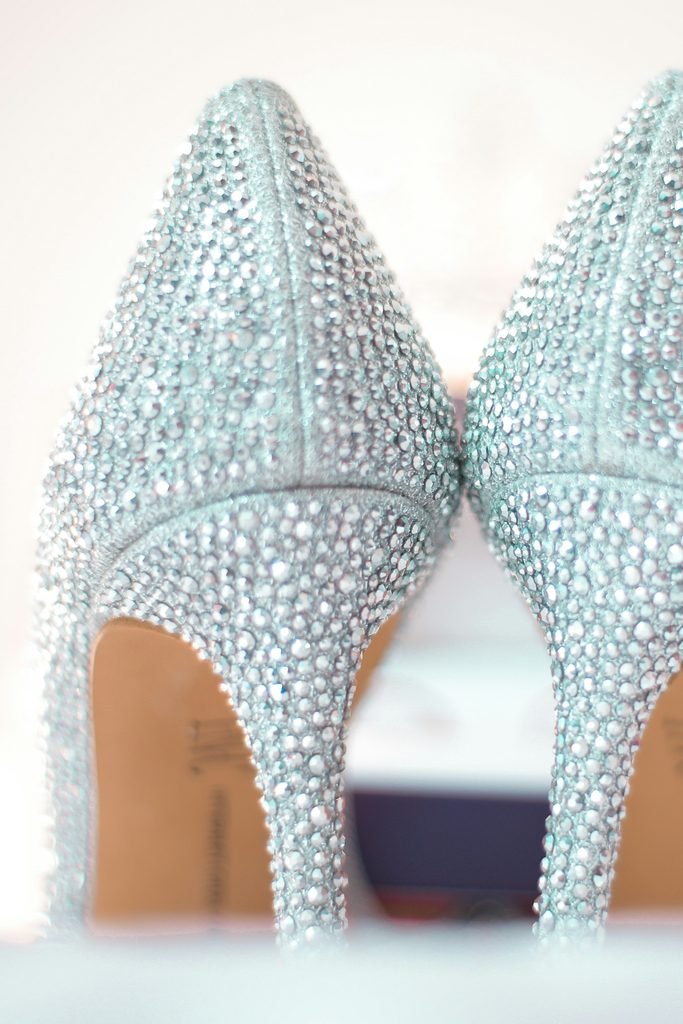
Photo by Gift Habeshaw on Unsplash
Light switch plates, phone chargers, and makeup containers are all fair game. Anything with a smooth, hard surface is easy to work with. You can even bedazzle your Sonny Angel figures for a cute, sparkly shelf display (bedazzled Sonny Angel tutorials are all over Pinterest right now).
Other ideas include candle holders, picture frames, remote controls, and pen holders. If you love other personalized DIY projects like custom tote bag art, bedazzling is a natural next step in your crafting toolkit. And if you’re into quirky home decor ideas, a few well-placed rhinestone accents can tie a whole room together.
Bedazzled Items That Actually Look Expensive
Here’s the thing: the difference between bedazzled stuff that looks cheap and bedazzled items that look like they cost a fortune is usually just three details.
Stick to a Single Color Palette
Mixing too many colors at once is the fastest way to make something look chaotic instead of intentional. The most polished bedazzled items use one color (or two very close shades) across the entire piece. All-black rhinestones on a lip balm, all-pink on a charger, or clear AB crystals on a makeup mirror: these monochrome looks always read as more expensive.
If you want to add variety, use stones with an AB (Aurora Borealis) coating. They reflect multiple colors depending on the light, so you get that rainbow shimmer without the visual clutter of different colored stones.
Use Glass Rhinestones, Not Resin
This point keeps coming up because it’s that important. Glass rhinestones have sharper facets and stronger light reflection than resin or acrylic. They cost more per pack, but you can physically see and feel the difference. If you want your bedazzled stuff to look like it belongs on a polished vanity rather than a craft shelf, glass is non-negotiable.
The Importance of Tight, Gapless Placement
When rhinestones are placed with visible gaps between them, you can see the surface underneath and it immediately looks unfinished. Professional-looking bedazzled items have stones packed tightly in a honeycomb pattern with filler stones in different sizes to close any remaining gaps.
This means ordering your main stones in one size, plus a smaller size (about one quarter of your total quantity) specifically for gap-filling. It takes extra time, but the difference between a “gappy” finish and a seamless one is night and day.
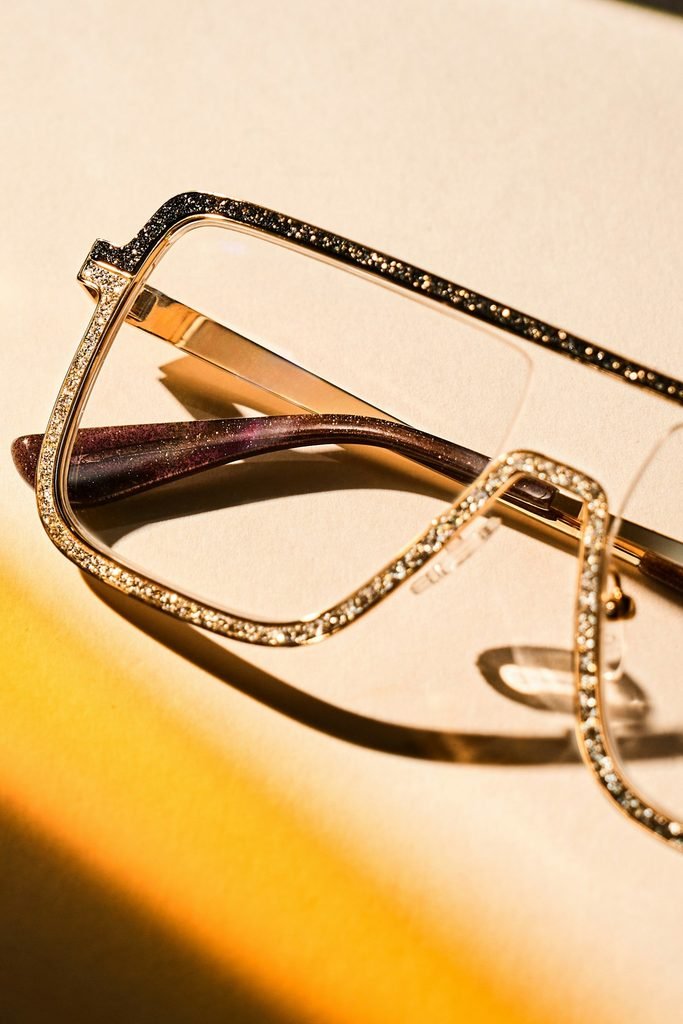
Photo by Vooglam Eyewear on Unsplash
Bedazzled Nails and Beyond: Where Else Can You Add Sparkle?
The bedazzling world doesn’t stop at home decor and accessories. Bedazzled nails are having a major moment right now, with rhinestone nail art showing up everywhere from Instagram to red carpets. If you’re into nail design, check out glittery nail looks for some sparkle inspiration.
Bedazzled spikes (rhinestone-covered spike accessories) are also trending in the fashion space, adding edge to jackets, bags, and shoes. And if you’re someone who loves upcycled clothing ideas, adding rhinestones to a thrifted denim jacket or an old clutch is one of the easiest ways to give it new life.
The key with any wearable bedazzled project is to use the right adhesive for the material and give it proper cure time. Fabric items should use hotfix stones or fabric-specific glue, and you should always do a test patch before committing to the full design.
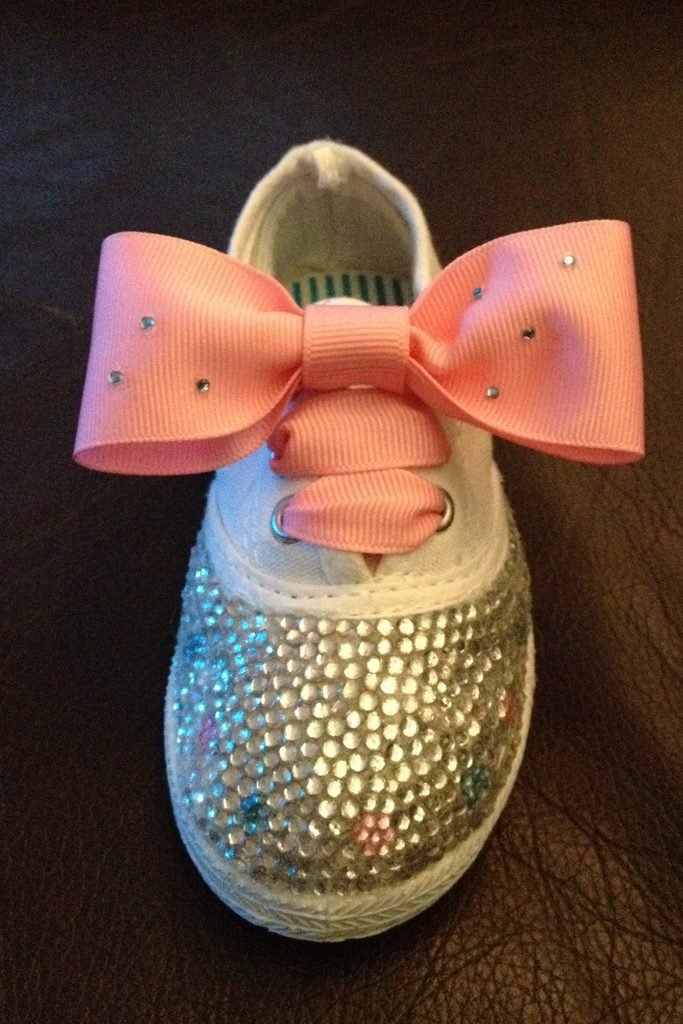
Photo by Natalieharris via Wikimedia Commons, licensed under CC BY-SA 3.0.
Start Small, Sparkle Big
Making bedazzled items that look truly remarkable comes down to three things: proper prep, the right materials, and patience. Clean your surface before you start. Choose glass flat back rhinestones over cheap resin. Use the correct glue for your specific material. Place your stones in tight rows. And give the glue its full cure time before you touch anything.
You don’t need expensive tools or years of practice. Start with something small like a phone case or a lip balm container, and work your way up to bigger projects as your confidence grows. If you’re looking for another fun and easy new hobby like crochet, bedazzling fits right into that creative, relaxing category.
Now grab your rhinestones, pick an item that’s been looking a little boring, and give it the sparkle treatment it deserves. And when you’re done, drop a comment below and tell me what you bedazzled first. I’d love to see it.



Leave a Reply