

Do you wash your hair the night before you want to style it? And paint your nails right after moisturizing your hands?
If you said yes to either, that’s your answer. Those two habits are why your bun slides out during a 75-minute lecture and why your manicure chips before syllabus week is over.
Here’s the thing nobody connects: your hair and your nails are failing for the same reason. Both are grip problems. Clean hair is too slippery to hold a shape, and oily nails are too slick for polish to bond to. Once you know that, back-to-school beauty stops being a daily gamble.
So this is both halves, fixed. Ten hairstyles you can genuinely do in five minutes with a dorm bathroom mirror and no counter space, ten nail looks that survive a full semester of typing and backpack zippers, and the prep that makes either one last. No salon budget required.
Why Your Style Falls Flat and Your Polish Chips by Tuesday
Let’s name what’s actually going wrong, because it’s almost never the product.
Both Problems Are the Same Problem
Freshly washed hair is soft, smooth, and lightweight, which sounds good and is terrible for styling. Strands need a little friction to grip each other, and squeaky-clean hair just slides apart. That’s why your bun looks great at 8am and has quietly relocated to your neck by noon.
Nails are the same principle running the opposite direction. Polish needs a clean, oil-free surface to bond with. Natural oils, lotion, or leftover residue create a slippery barrier between your nail plate and the polish, and that barrier is where chips start.
Hair needs more texture. Nails need less oil. Same fix, opposite direction, and both take about thirty seconds.
The Habits Doing the Damage
You use your nails as tools. You pop a soda can, peel a sticker off your laptop, dig a charger out of a backpack pocket. Every one of those puts stress right on the free edge, which is exactly where chips begin.
Then there’s picking. One corner lifts during a boring lecture and your hands find it. The problem is that picking at lifting polish takes layers of your natural nail with it, so the next manicure chips even faster. It compounds.
Dryness makes all of it worse. Cold lecture halls, hand sanitizer at every dining hall entrance, and washing your hands constantly in a shared dorm bathroom will dehydrate your nails and cuticles, and dry nails lift polish sooner.
And some of the damage happens before you even start. Skipping base coat, painting over slightly damp nails, or slapping on one thick goopy layer instead of two thin ones. Any of those and the manicure was doomed at minute one.
The Five-Minute Hairstyles
The fix for the hair half is smaller than you think: memorize two or three styles so thoroughly your hands do them without you. That’s it. When you already know the move, five minutes is generous.
The Ponytails and Half-Ups
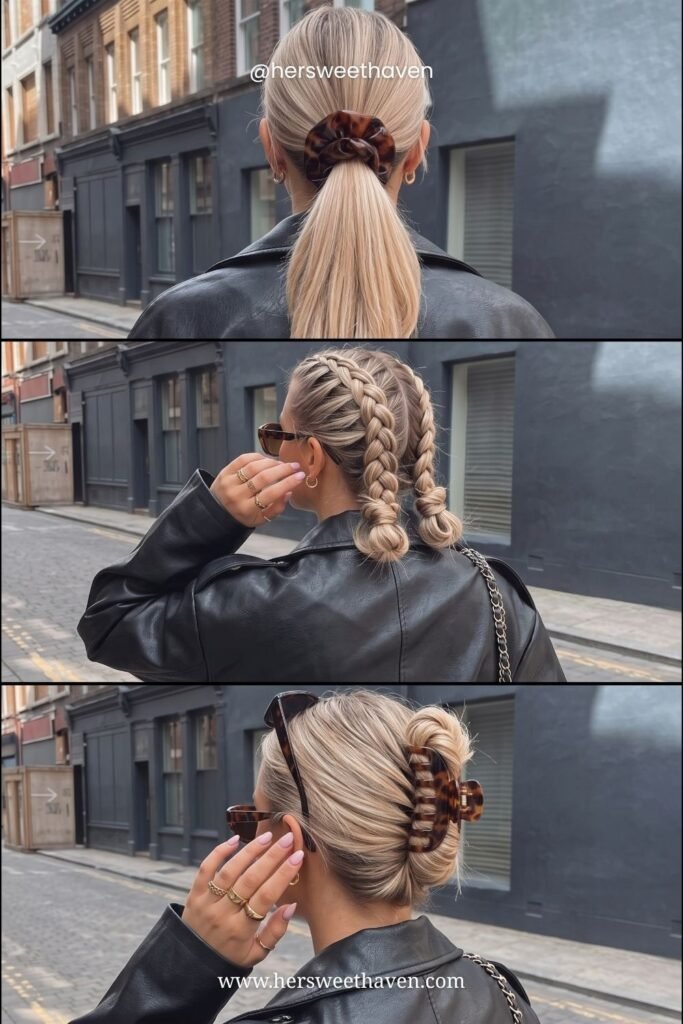
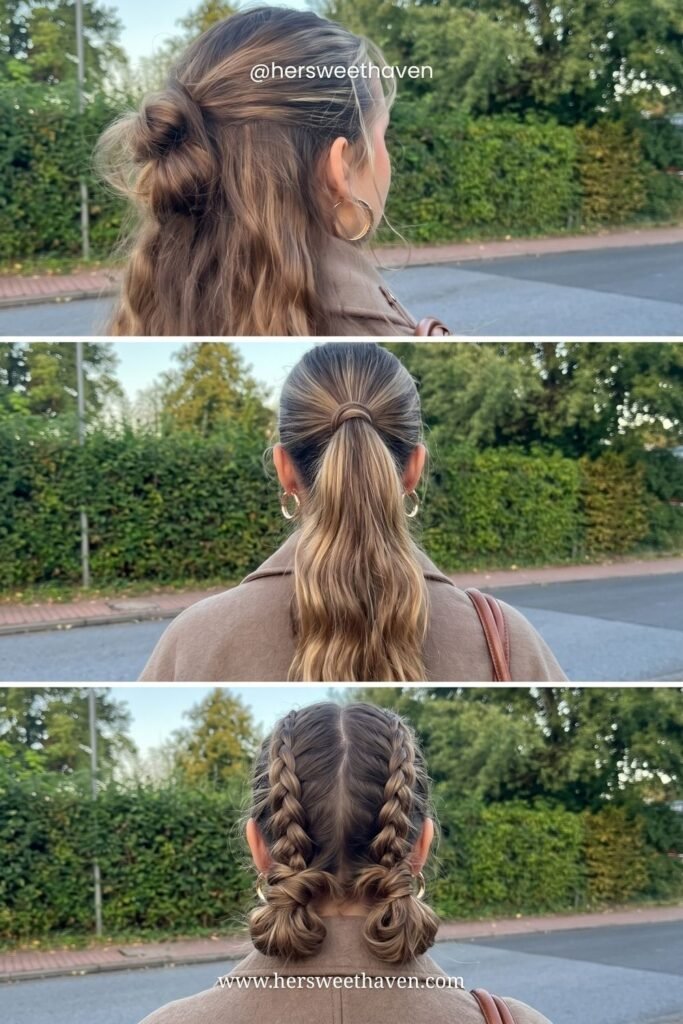
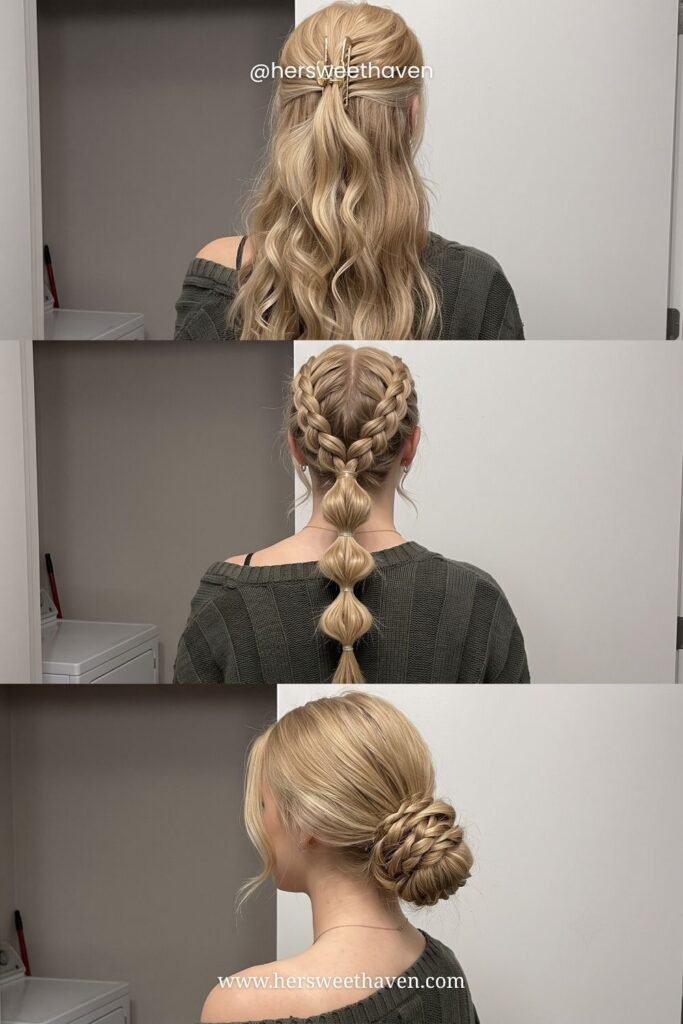
Start here if you learn nothing else. A soft half-up bun, a half-up ponytail over loose waves, two dutch braids tucked into buns. Same hair, three different energies, none of them real effort.
The sleek low pony is basically foolproof. Brush everything back, secure at the nape, then wrap a scrunchie or a small section of hair around the tie to hide it. Sleek low styles are one of the biggest looks of 2026, so you’re on trend by accident.
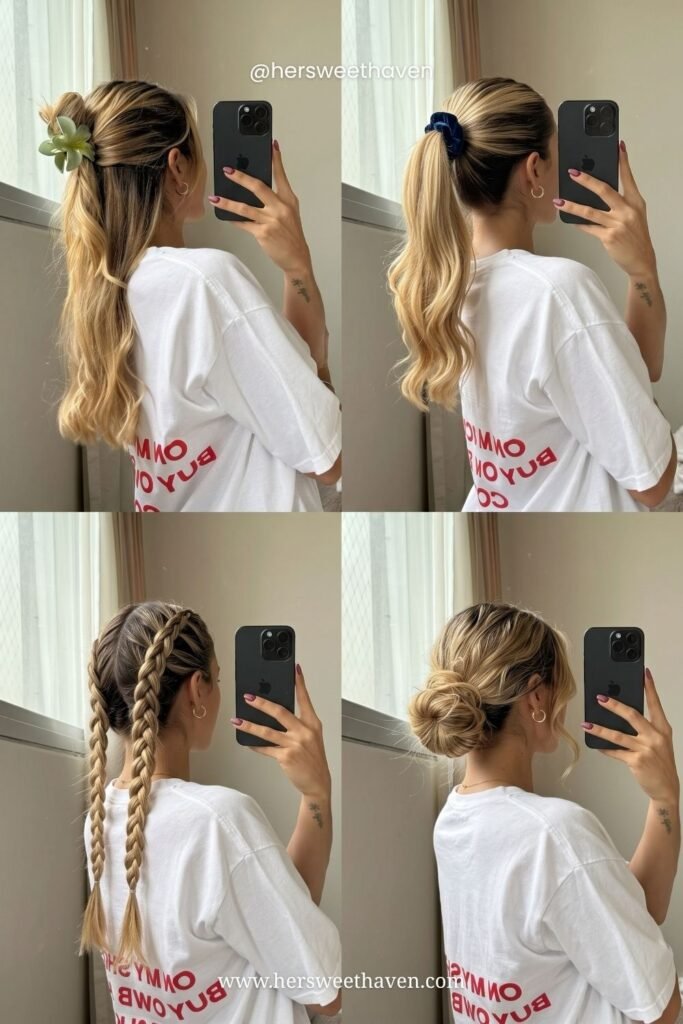
Half-ups are my cheat code. Your hair is technically done but you skipped the hard part: the front looks intentional and the back just gets to be waves. Clip the top section with a claw, add a velvet scrunchie to a low pony, or twist it into a soft knot.
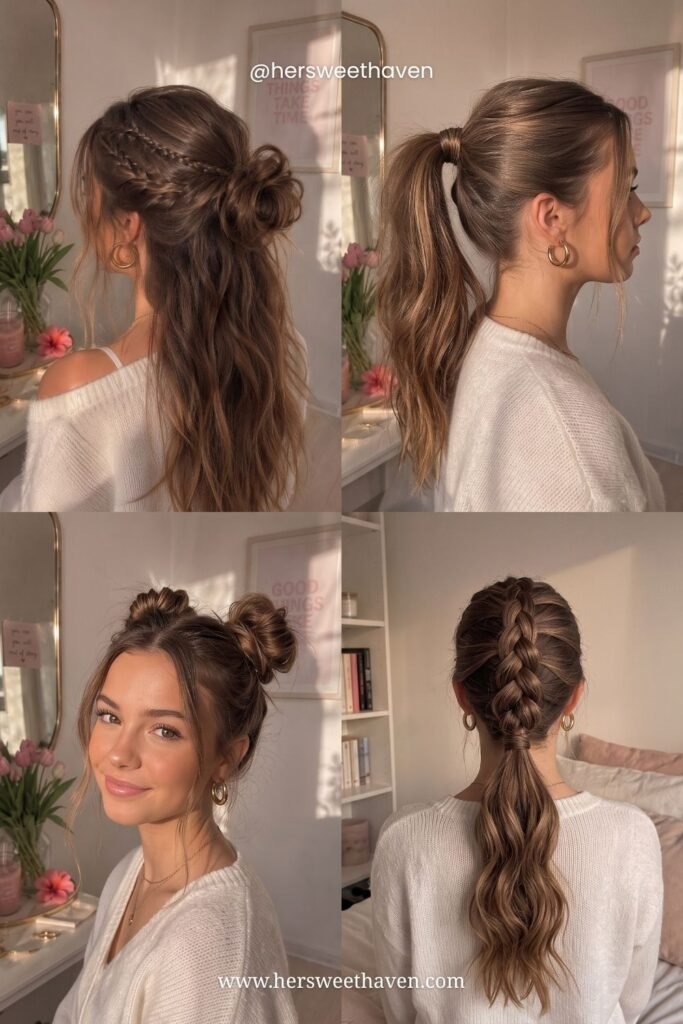
The best part is that half-ups work on fresh hair and on day-three hair equally well. Add a small braid, pull it into a high pony, or do a wavy braided pony and all of them read as put-together. (We have all been the person doing this on day four. No judgment.)
The Buns You Can Twist Half-Asleep
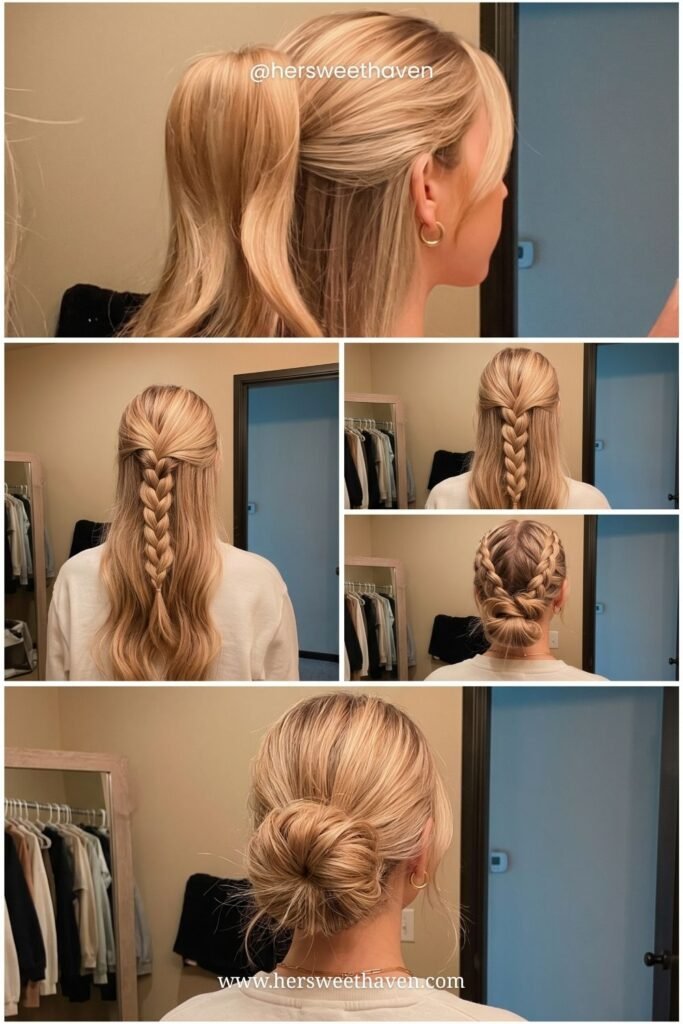
Some mornings you want zero hair touching your face. Gather everything low, twist, wrap, pin. Pull a few pieces loose at the front so it reads soft instead of severe.
The messy versions are more forgiving than the sleek ones, which is convenient, because a slightly undone bun is the trend anyway.
Want it to look like you tried harder? Braid your ponytail first, then wrap the braid into a bun. The texture does everything.
One tip that changed this for me: braid loosely, then tug the sides of the braid wider before you wrap it. That pull gives the bun body and hides any spot where the braid got sloppy. It’s the difference between cute and “did you get your hair done?”
The Braids That Look Harder Than They Are
Dutch braids are just braids where you cross the strands under instead of over, so they sit on top of your head instead of sinking in. One down each side and you have a style that survives the gym and a full day of classes.
Bubble braids need no braiding at all. Ponytail, small elastics every few inches, then tug each section wider. Bubble braids and claw clip styles are especially big with students because the payoff is high and the skill floor is low.
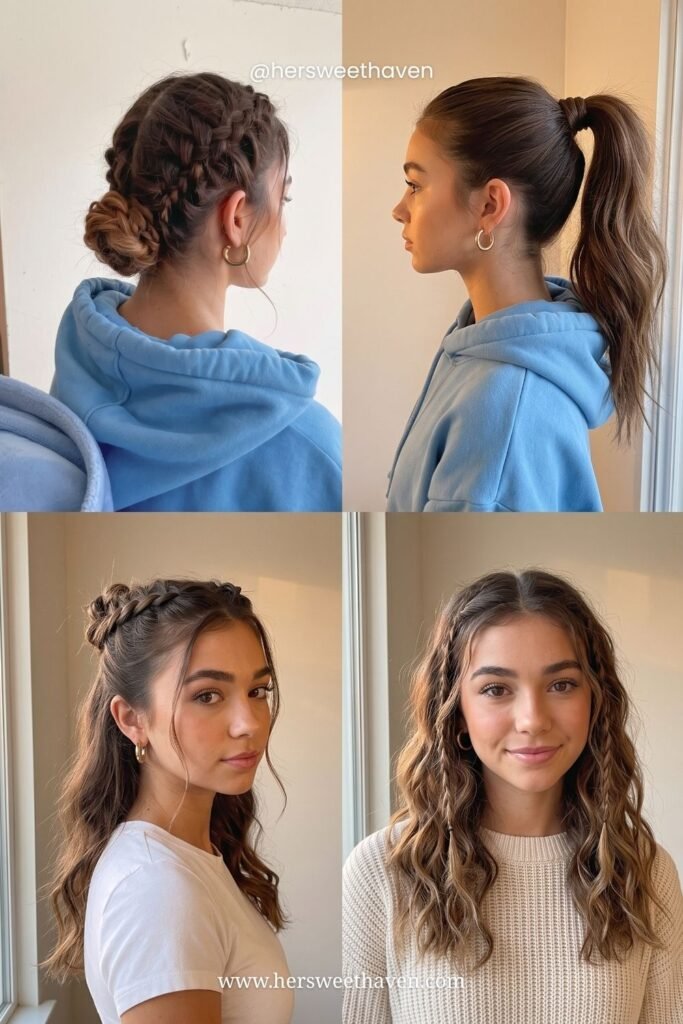
Space buns and half-up pigtails are the fun end of this. Part down the middle, do two of whatever, done. If you want to skip daily styling entirely for a few weeks, protective braided styles are worth the one-time investment during a heavy semester.
The Clip-and-Go Trick
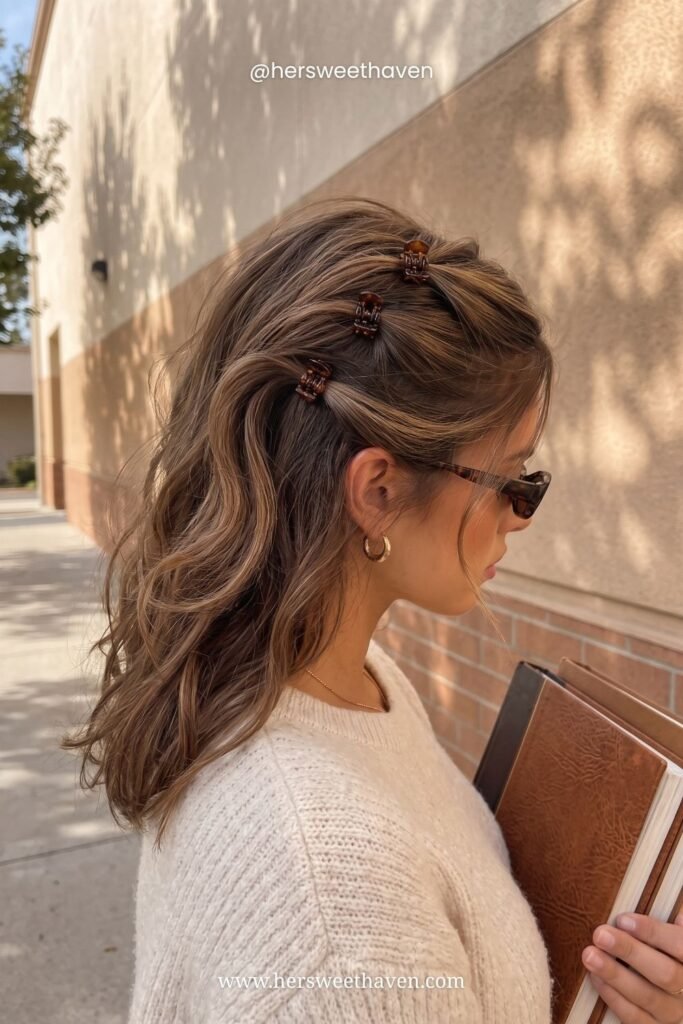
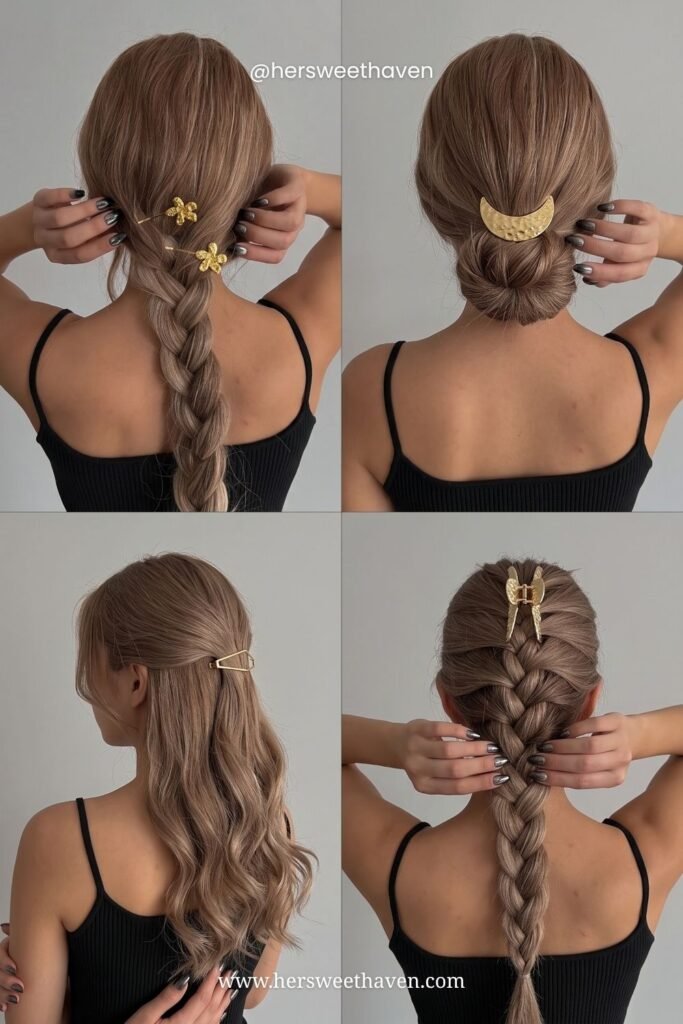
Some mornings there is no five minutes. There’s ninety seconds and a class across campus. Leave your hair down, twist back the front sections, snap in a few small claw clips.
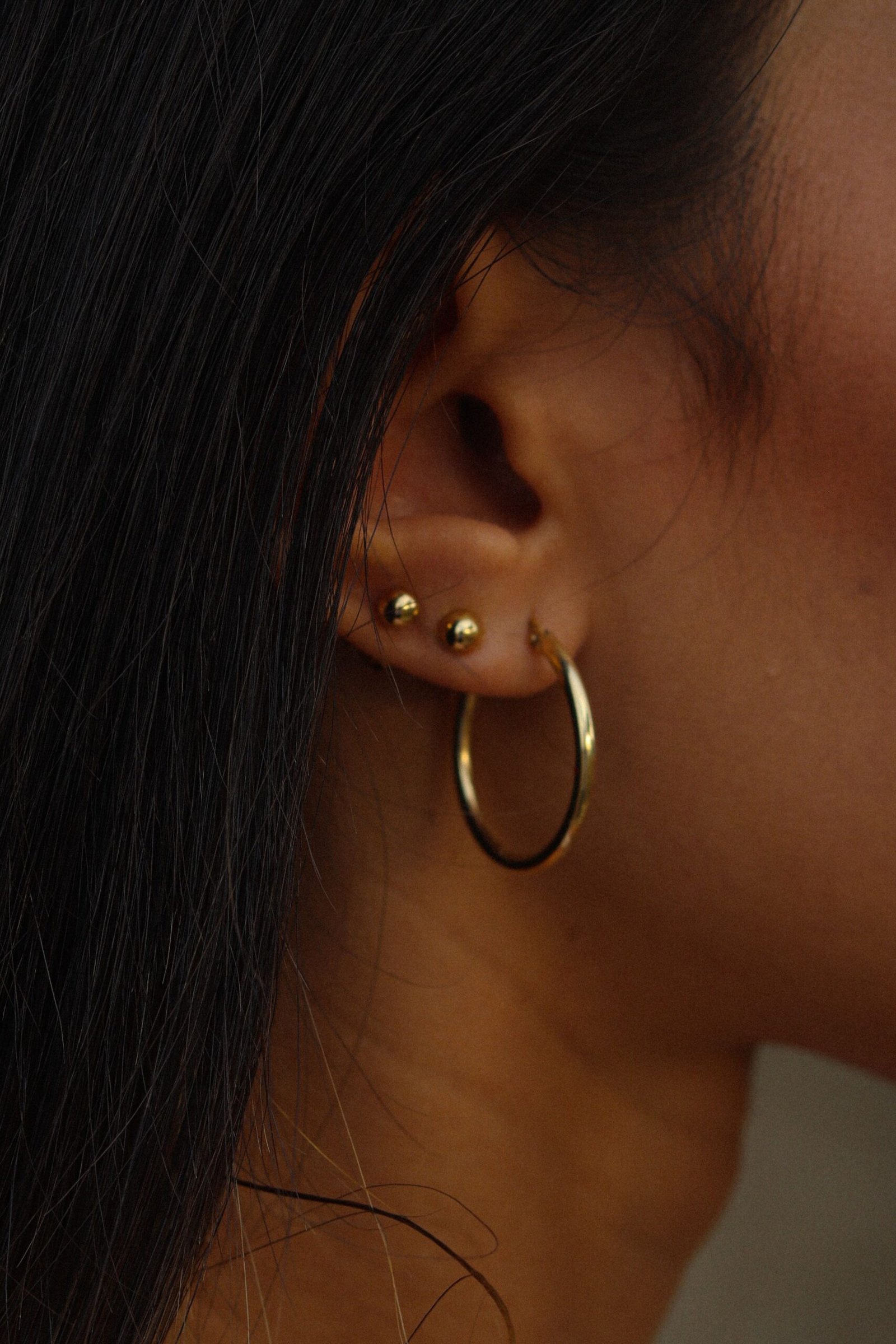
Three little tortoise clips down one side turn plain waves into a look in one motion. Micro claw clips as accent pieces are a real 2026 trend, so the lazy move happens to be the current one.
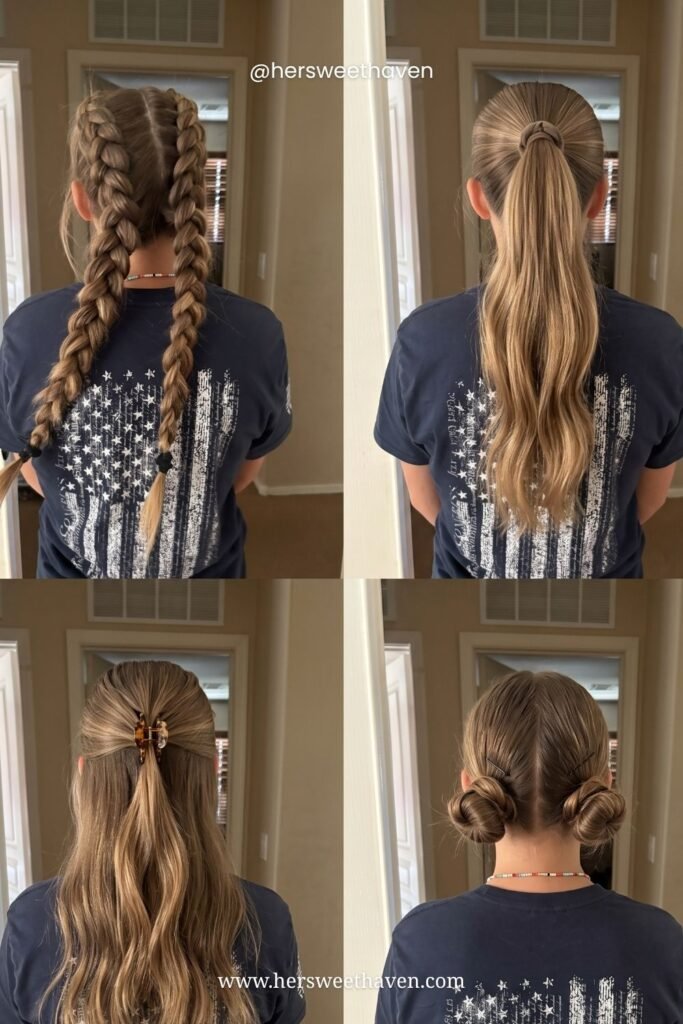
Want it dressier for a night out? Swap the tortoise clips for gold pins or a barrette. A flower pin on a braid, a moon clip on a low bun, a simple gold clip on a half-up.
Same thirty seconds, completely different energy. It pairs nicely with the back-to-school outfits worth screenshotting if you’re planning the whole look.
The Nails That Last a Full Semester
Now the other half. And the styles matter less than the prep, so that comes first.
The Prep That Buys You Two Weeks
Clean, dry, oil-free nails hold polish. Wash them, let them fully dry, push cuticles back gently, and never skip base coat. That layer is the actual glue.
Thin coats, always. Two or three thin layers cure and bond stronger than one thick one, and a thick coat stays soft underneath for hours no matter how dry it looks.
Then seal. Swipe a thin line of top coat over the very tip of each nail, and reapply every couple of days. That cap is exactly where chips start, and protecting it buys you days.
Last piece, learned the hard way: cuticle oil every night. It keeps nails flexible instead of brittle, which keeps the edges from lifting. Keep the bottle by your bed, not in a drawer. If your desk setup is where you actually do this stuff, a dorm room worth sitting in makes the habit stick better than you’d expect.
Neutrals That Grow Out Invisibly
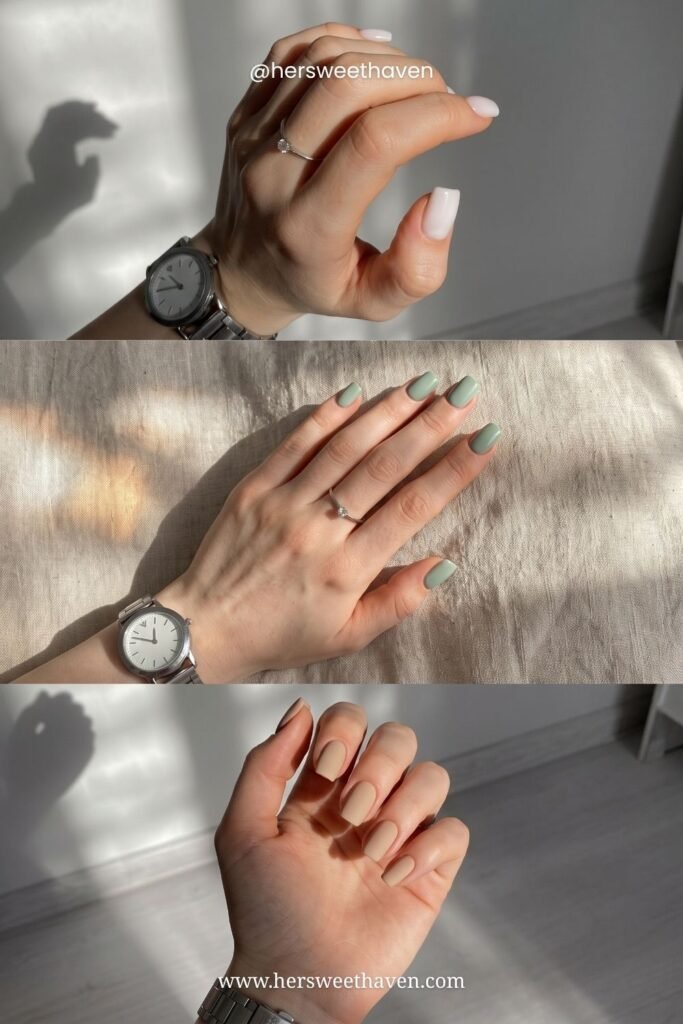
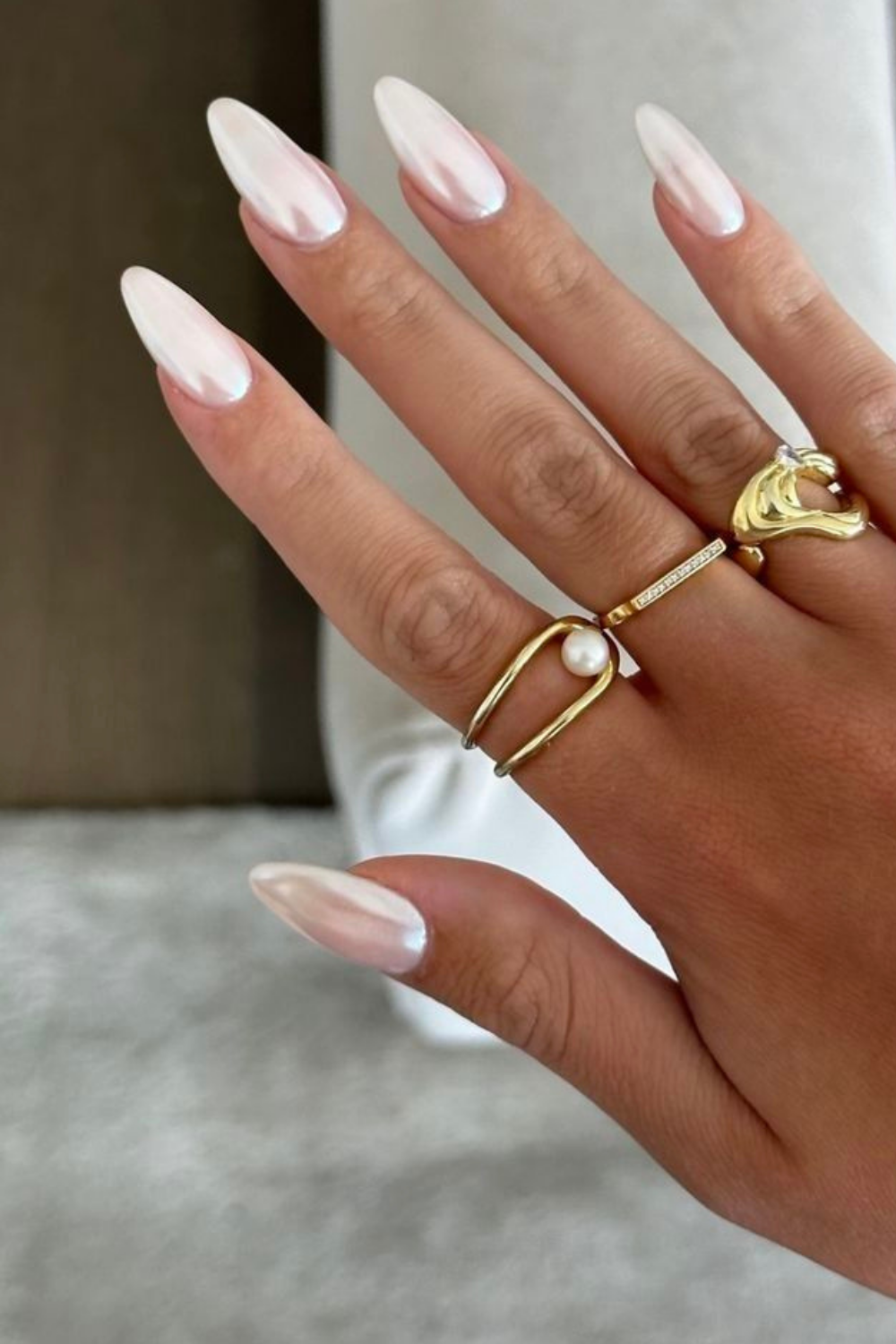
Milky white, soft sage, warm nude. Because these sit close to your natural nail color, the grow-out line is almost invisible, which means they look intentional for weeks longer than a dark shade would.
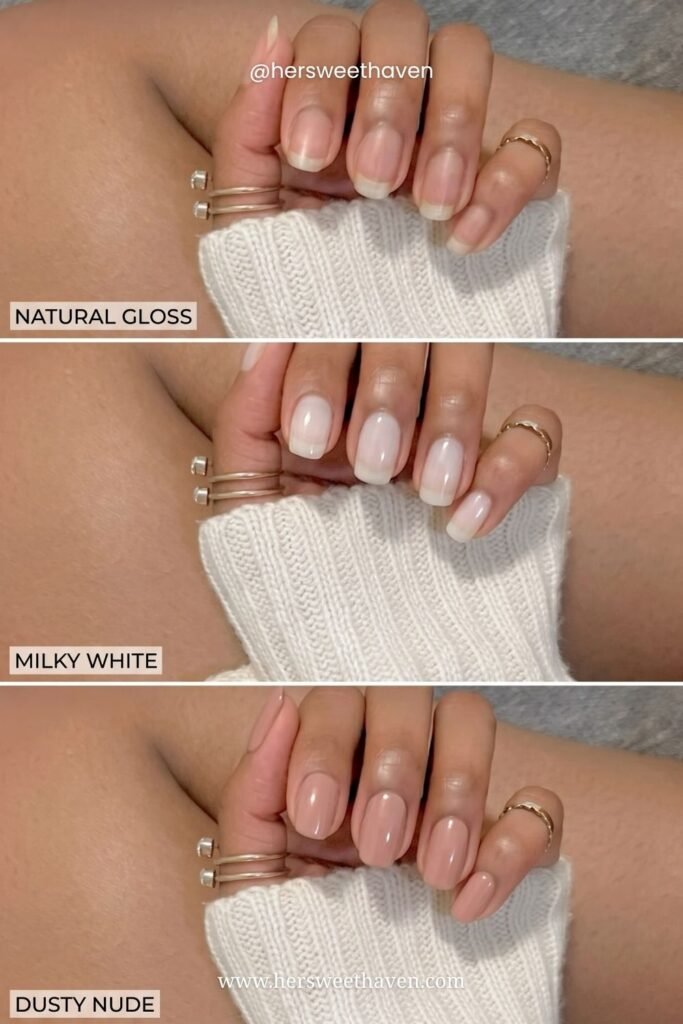
The trio worth memorizing: natural gloss, milky white, dusty nude. This is the “I have my life together” manicure. It goes with every hoodie you own and looks expensive when it isn’t. (Spoiler: it’s not the pricey polish that wins.)
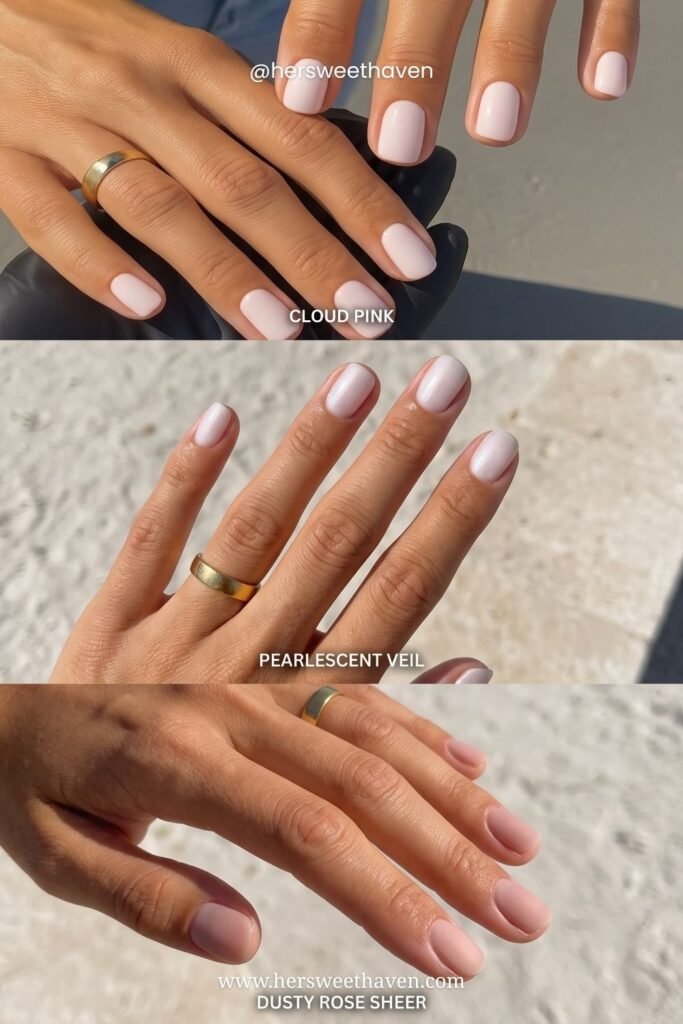
Sheer pinks are the softest option and the most forgiving of all, because a sheer formula has no hard line as it grows. Cloud pink, pearlescent veil, dusty rose. If you’re rough on your hands, start here.
Colored French Tips
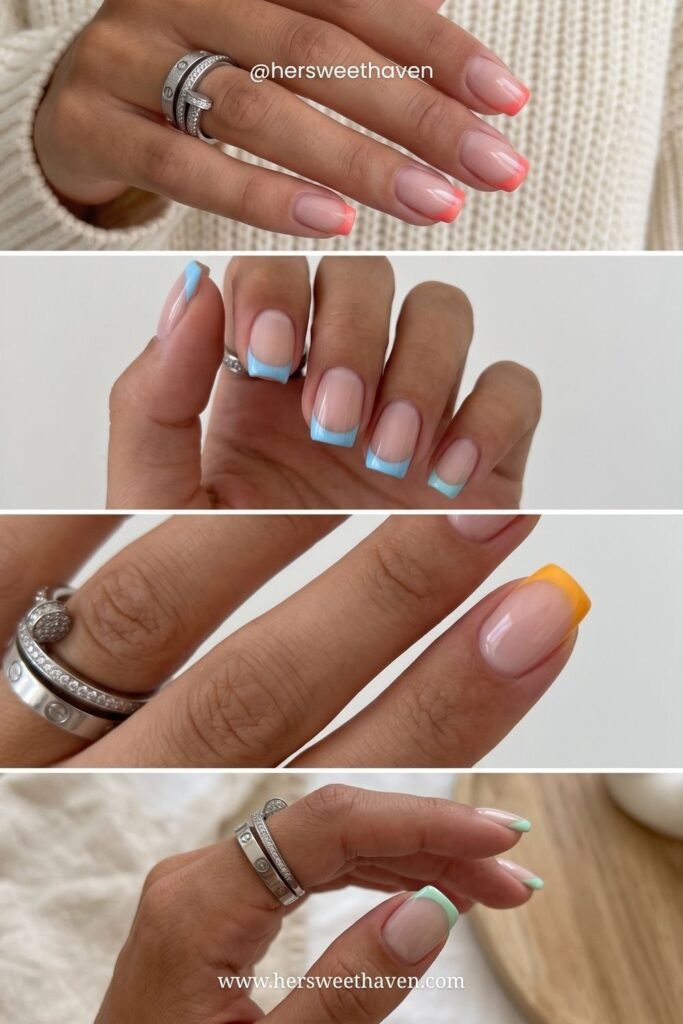
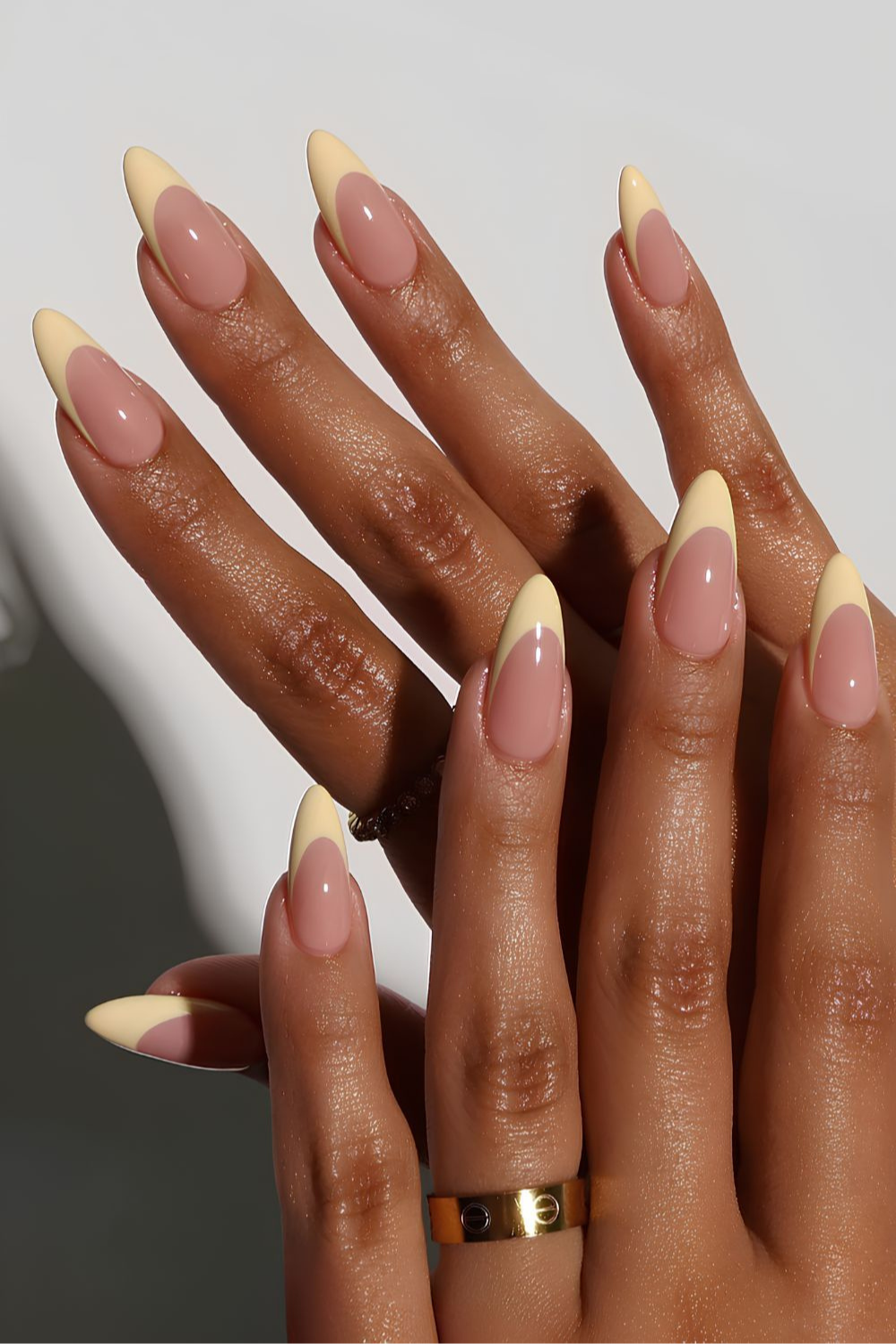
A French tip keeps reading as deliberate even when the base grows out, which makes it the smartest design for a long stretch between manicures. Swap the white for coral, baby blue, tangerine, or mint.
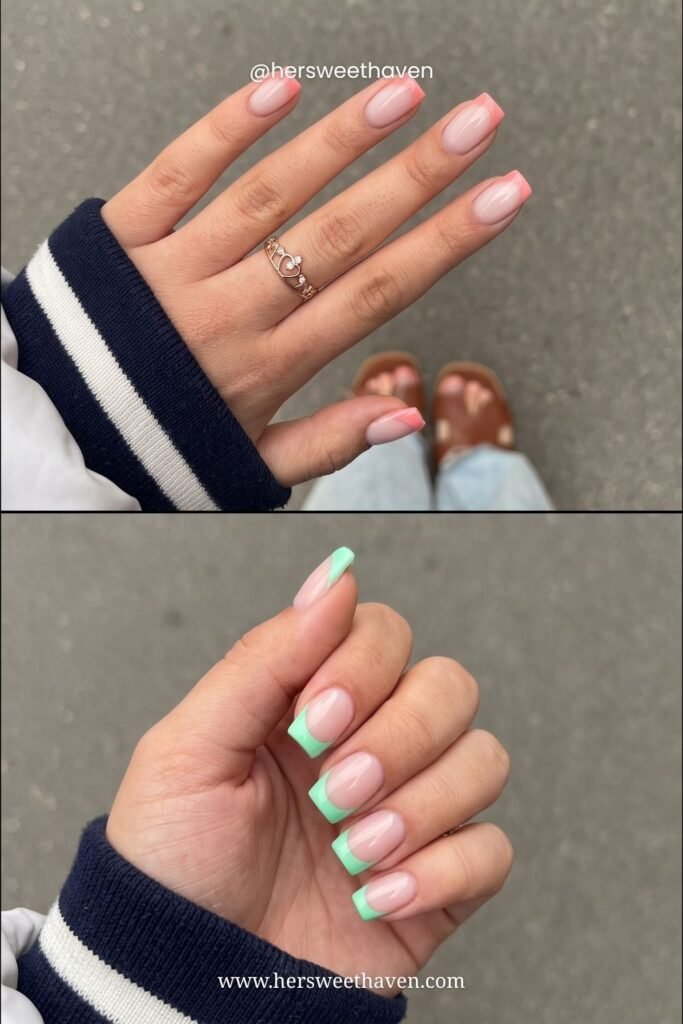
Pink and mint are the easy favorites. Bright enough to look like you tried, simple enough to go with everything, and because the color sits at the tip, a chip is far less obvious than on a full-color nail.
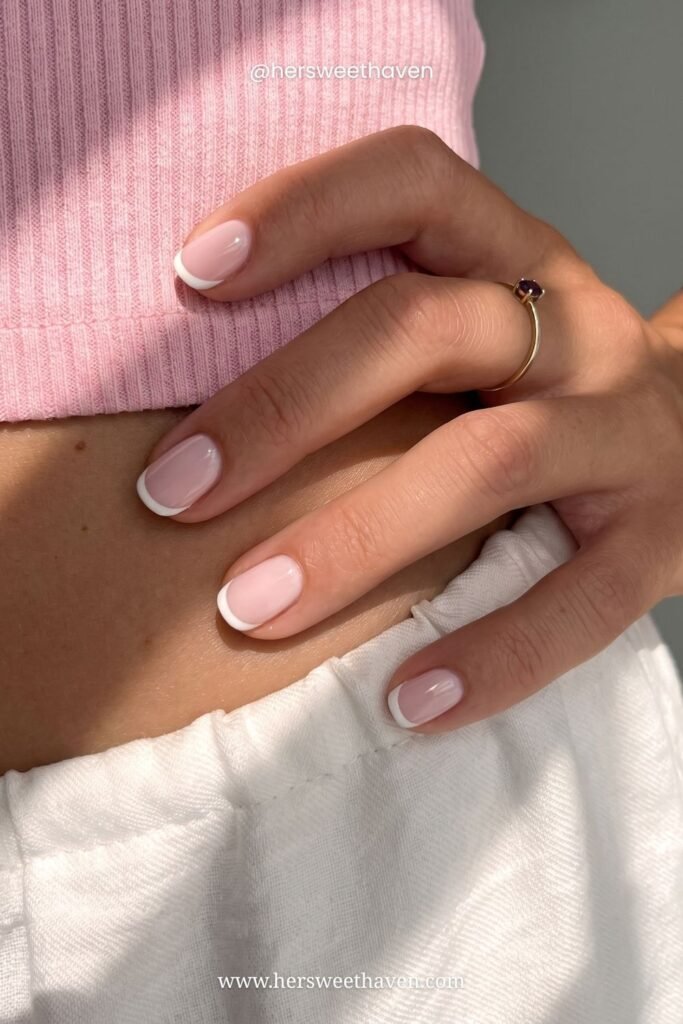
The original white French never dates. It works for a presentation and a coffee run in the same day, and it’s the safe bet when you can’t decide.
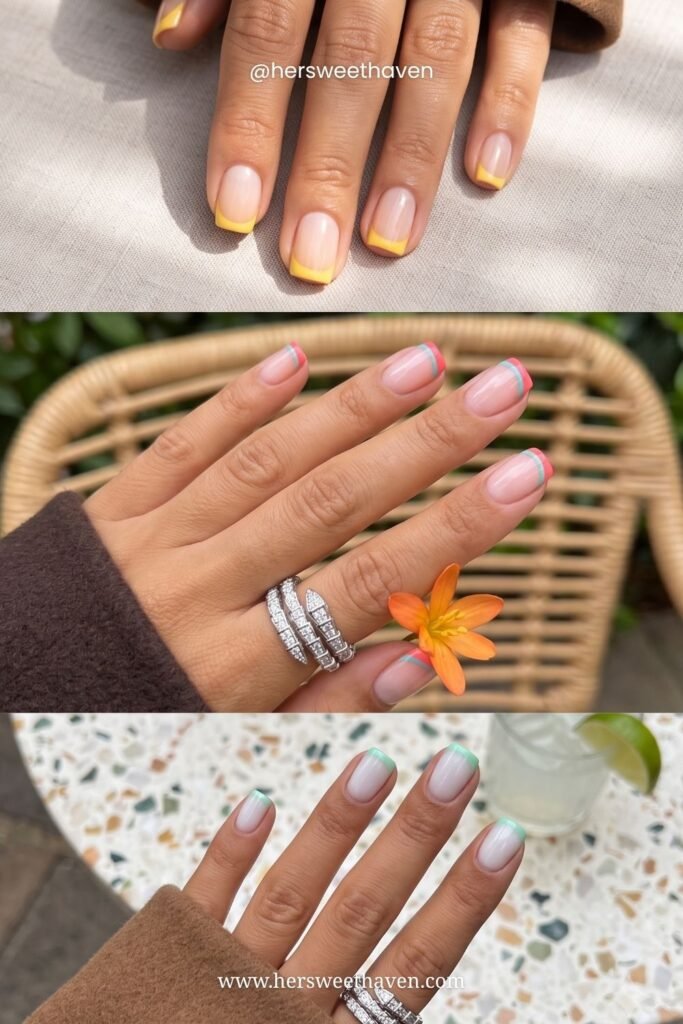
Feeling bolder? Double tips or mismatched colors across your fingers turn a simple French into something that reads as real nail art. Nobody needs to know it took ten minutes, and there are plenty of tip variations beyond the basic white if you want to go further.
Bold Shades That Still Last
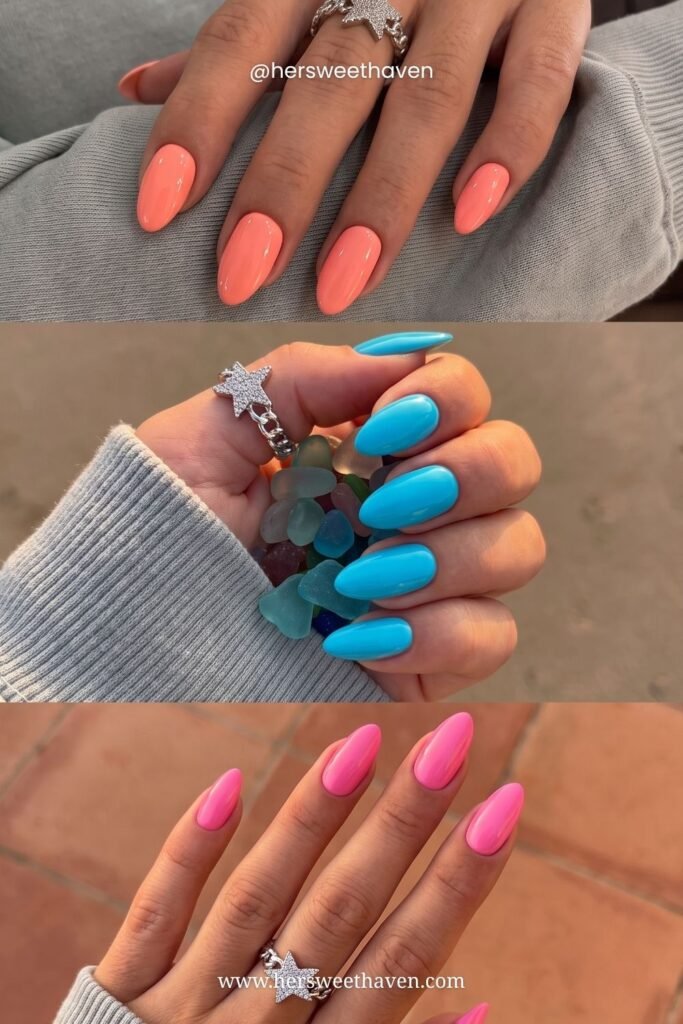
Bright coral, electric blue, hot pink. A solid bright is one of the cheapest mood fixes available during a rough week, and with a sealed tip and daily oil it lasts exactly as long as a neutral does.
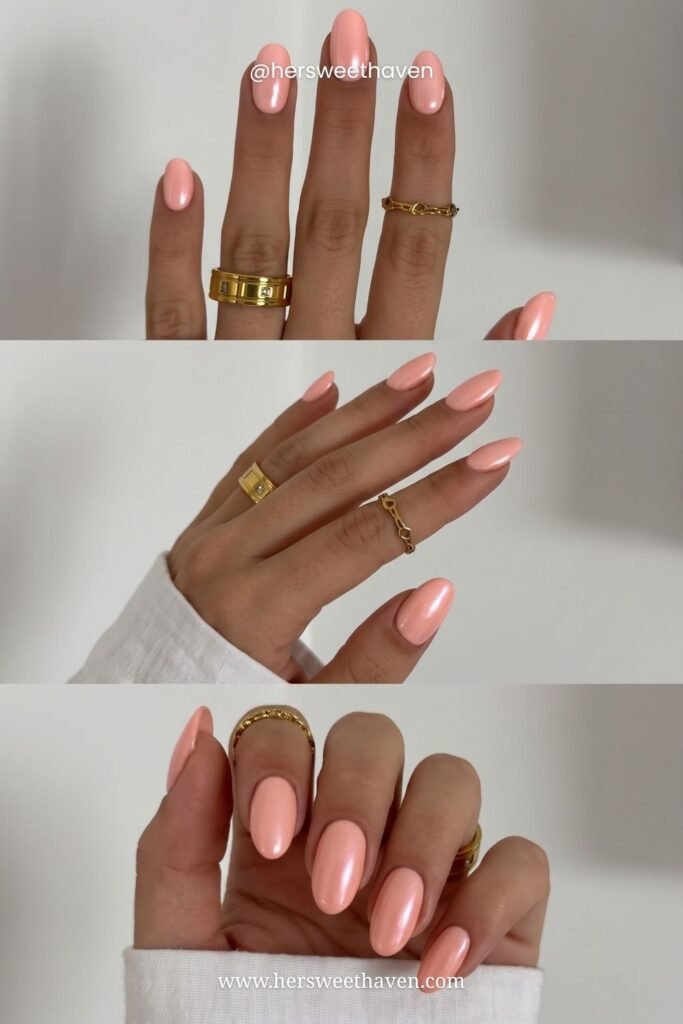
If you want bold but softer, a peachy glazed finish is having a moment. The pearly sheen catches light, flatters every skin tone, and reads a little more grown-up than a flat color.
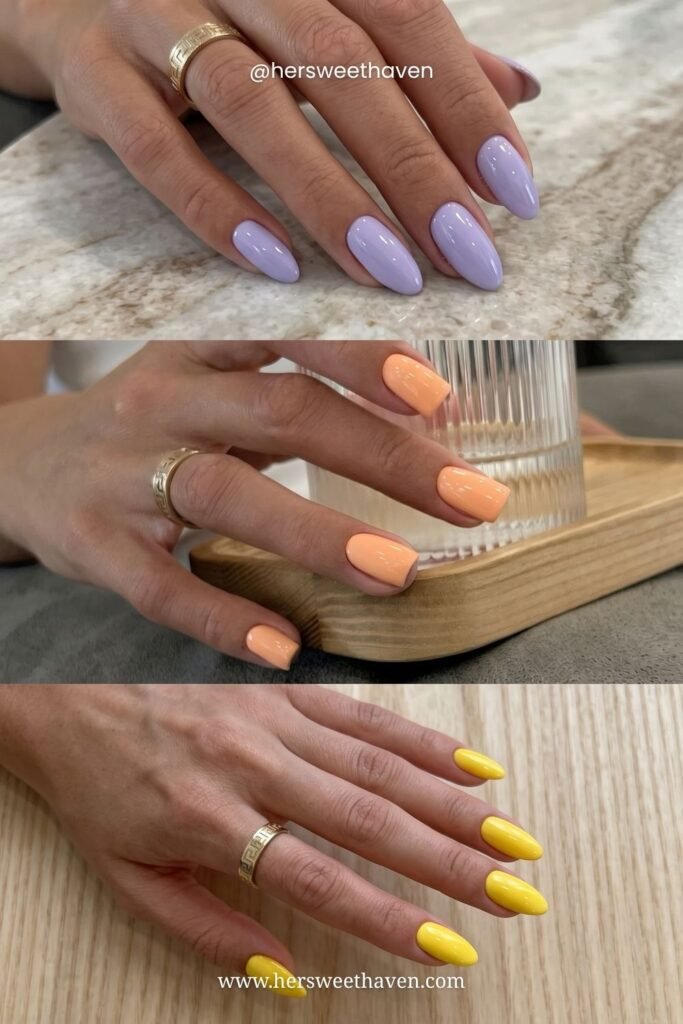
Pastels split the difference. Soft lilac, creamy peach, pastel yellow: colorful without being loud. When September turns and you want something warmer, my fall nail colors pick up where these leave off.
One honest caveat: brights and pastels show the grow-out line faster than neutrals. Either stay on top of the cuticle oil, or do a quick French-style touch-up at the base and turn the grow-out into part of the design.
The Habits That Keep Both Alive
Two thirty-second habits, one per half.
For hair, add grip before you style. A little dry shampoo or texture spray at the roots gives clean hair something to hold onto. Use a snag-free elastic rather than whatever rubber band is on your desk, and cross bobby pins in an X instead of using one lonely pin. That’s the whole difference between a style that makes it to your last class and one that doesn’t.
For nails, protect the free edge. Reapply top coat every two or three days, wear gloves for dishes, and stop opening things with your fingernails. Use a key, a coin, literally anything else.
Neither takes real time. Both roughly double how long the result lasts, which is a better return than any product you could buy.
The Kit That Fits in a Desk Drawer
You do not need a vanity. You need about eight things, and most of them are under ten dollars.
For hair: dry shampoo or texture spray, a handful of snag-free elastics, bobby pins, one claw clip, and two or three small accent clips. That’s the entire list, and it fits in a pencil case.
For nails: base coat, top coat, cuticle oil, and however many colors you actually wear. Two or three. The rest of the rack is a trap.
If you’re buying in order, get the top coat and the cuticle oil first. Those two do more for how long a manicure lasts than any polish you could upgrade to, and they’re the cheapest things on the list.
One dorm-specific note: keep the cuticle oil at your desk rather than in the bathroom. Shared bathrooms mean you’re in there for as short a time as possible, and a habit you have to travel for is a habit you’ll skip. (My bottle lives next to my laptop. It gets used every night.)
Your Back-to-School Beauty Questions
How Do You Keep a Style From Falling Out by Your Last Class?
Texture, and the right tie. Squeaky-clean hair has nothing to grip, so dry shampoo at the roots before you style is the fix, not an afterthought for greasy days.
Then commit properly. A snag-free elastic, crossed bobby pins, and a light mist of hairspray at the crown will hold a bun through a full day of lectures.
Which Styles Work on Second- or Third-Day Hair?
Most of these get better on day two, which is genuinely convenient when you’re rationing shower time in a shared bathroom. Buns, braids, and half-ups all grip unwashed hair beautifully.
Save the sleek low pony for fresh-wash days and lean on texture the rest of the week. If your roots are looking rough, a slicked-back bun or a braided style hides it best. (Been there, wore the bun, told nobody.)
Can You Do These With Wet Hair?
Mostly no, and this is the one that catches people out when they’re showering between a morning class and an afternoon one.
Wet hair stretches, then shrinks as it dries, which means a bun set on wet hair loosens as the day goes on. Braids are the exception: braiding damp hair and letting it dry gives you the style plus waves when you take it out later.
If you’re working with genuinely wet hair and no time, go with a claw clip. It holds without relying on tension, and your hair air-dries in a shape rather than a dent.
Gel, Dip, or Regular Polish for a Semester?
Depends on your budget and how hard you are on your hands. Regular polish is the cheapest and the easiest to change on a whim, and with proper prep and a sealed tip it genuinely lasts a week.
Gel feels thin and natural, holds two to three weeks, and comes off relatively easily. Dip powder runs three to five weeks because the layered formula bonds stronger, so it’s the pick if you’re rough on your hands or you’d rather not think about it again until midterms.
Honest math: one salon gel set costs about what a decent at-home kit does, and the kit lasts all year. If you’re doing this more than three times a semester, buy the kit.
How Long Should Each Actually Last?
A hairstyle should hold from your first class to the end of the day. If it’s collapsing by lunch, the problem is grip, not the style.
A manicure should make it a week minimum with regular polish and two to three weeks with gel. If yours is chipping in two days, it’s prep, not the polish, and that’s genuinely fixable in one better application.
Start With This, Skip That
Start with grip. Dry shampoo at the roots before you style, top coat over the tips every couple of days. Those two habits cost thirty seconds each and they fix the actual problem, which is that nothing you’re doing has anything to hold onto.
Skip learning six hairstyles. Pick two, do each of them three mornings in a row, and by the fourth morning your hands know the move without you. That’s the whole point of a five-minute style: it’s only five minutes once you’ve stopped thinking about it.
Everything else here is optional. The colors, the clips, the mismatched tips. Nice to have, not what makes it last.
Leave a Reply