
Waking up with lashes already done is a big part of why eyelash extensions are so popular.
Mascara clumps, smudges and flakes by mid-afternoon. Strip lashes need glue and a steady hand when you’re already running late. Extensions skip both and give a finished, wide-awake look from the moment the alarm goes off. Pinterest has also changed what people ask for at the salon, moving from generic “full and long” toward very specific styles with names and lash maps.
Below: how lash mapping works, twelve extension styles to show your lash tech, the difference between classic, volume and hybrid sets, the mistakes that shorten a set’s life, and why extensions sometimes don’t last, plus what to know about trying clusters at home.
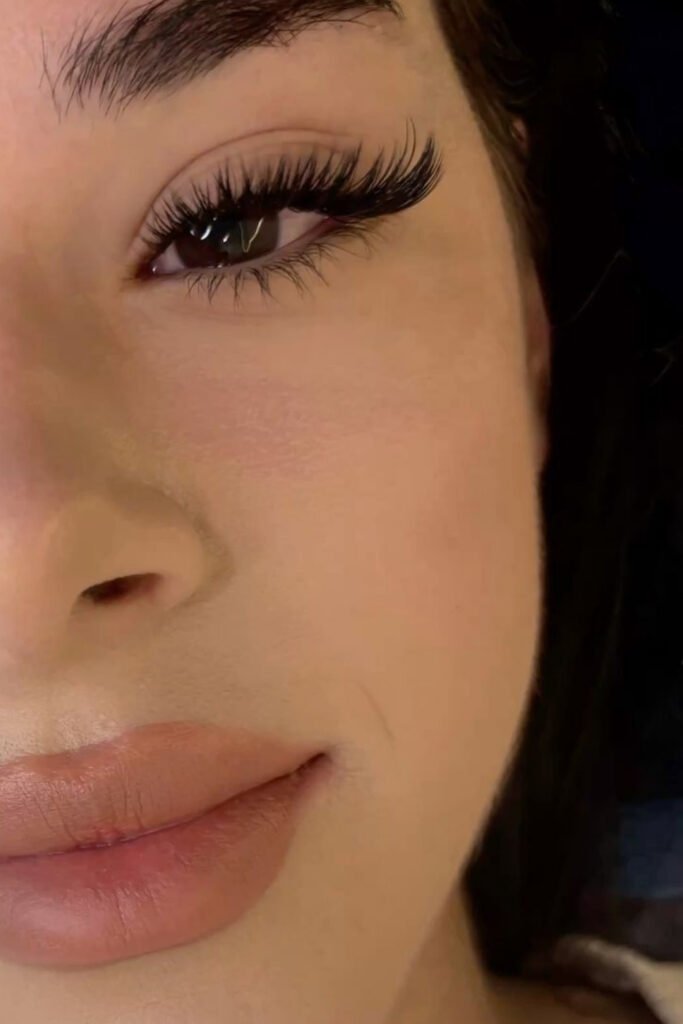
Why lash mapping matters
Heavy, blocky lashes that sit on the lids like a row of caterpillars have given way to customized, face-framing designs. Just as you’d choose curtain bangs to suit your face shape, lashes look best when they’re shaped to your eyes.
A lash map is the plan for that shape. The technician decides which lengths, thicknesses and curls go where along the lash line, often marking it on the under-eye pad before starting. A good artist looks at how far apart your eyes are, the shape of the brow bone, whether the lids are hooded or deep-set and the natural angle of the eye before picking up the tweezers.
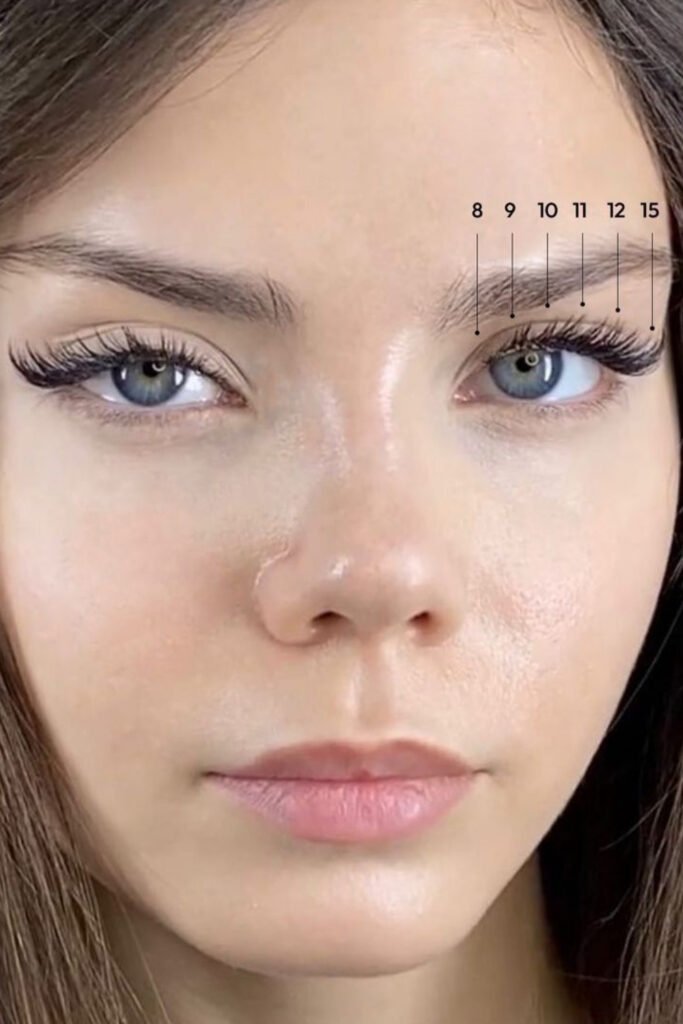
That’s why “long lashes, please” isn’t enough. A few terms help a lot: lengths are measured in millimeters (natural looks often sit around 8 to 11 mm), the curl is a letter (B and C look natural, D and L are more dramatic and lifted), and the map is the pattern, such as open-eye or cat-eye. Knowing those three things gets you much closer to the look in your saved photo.
12 eyelash extension styles to show your lash tech
Wet-look styles
1. The wet set. Think of how lashes look right after a shower: clumped into glossy, defined spikes. Lash artists recreate it with closed fans of lightweight lashes, so you get the spiky texture without the weight of a heavy volume set.
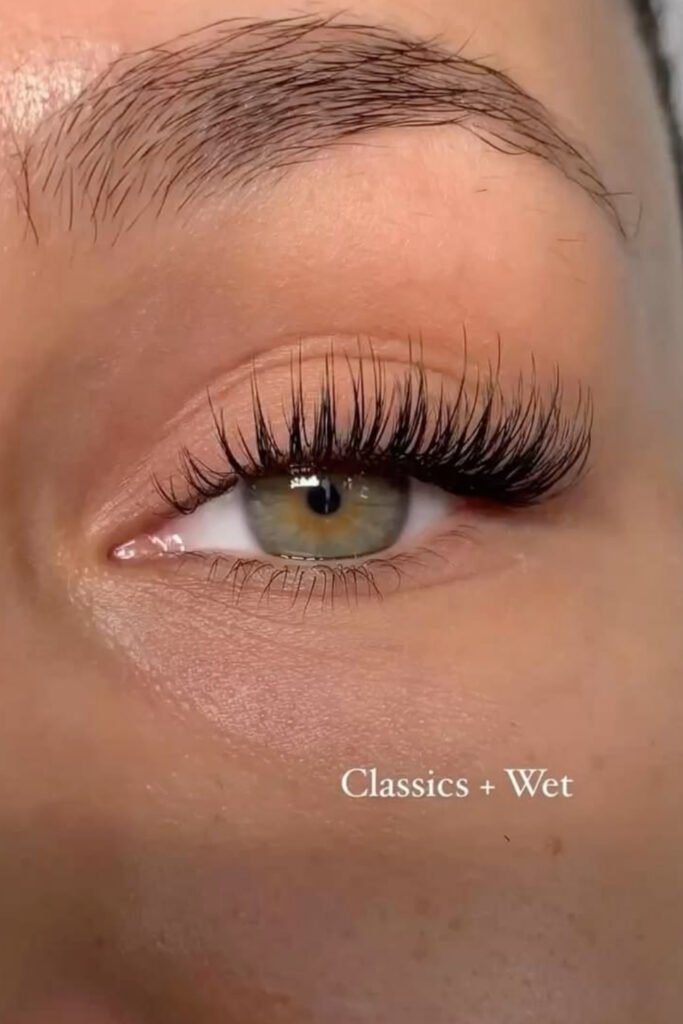
2. Wispy wet. A softer version that alternates the closed spikes with lighter, slightly open fans. It’s fluffy but textured and draws attention to the center of the eye.
3. Hybrid textured. Tight spikes mixed with loose fans create an uneven, editorial top line. It often works well on hooded eyes, because the texture keeps the lashes from looking like a solid block when the lid folds over them.
Natural and short styles
4. The short, clean set. For a naturally thick lash line, ask for short extensions, usually in roughly the 7 to 10 mm range. They add density rather than dramatic length, which suits people who rarely wear makeup.
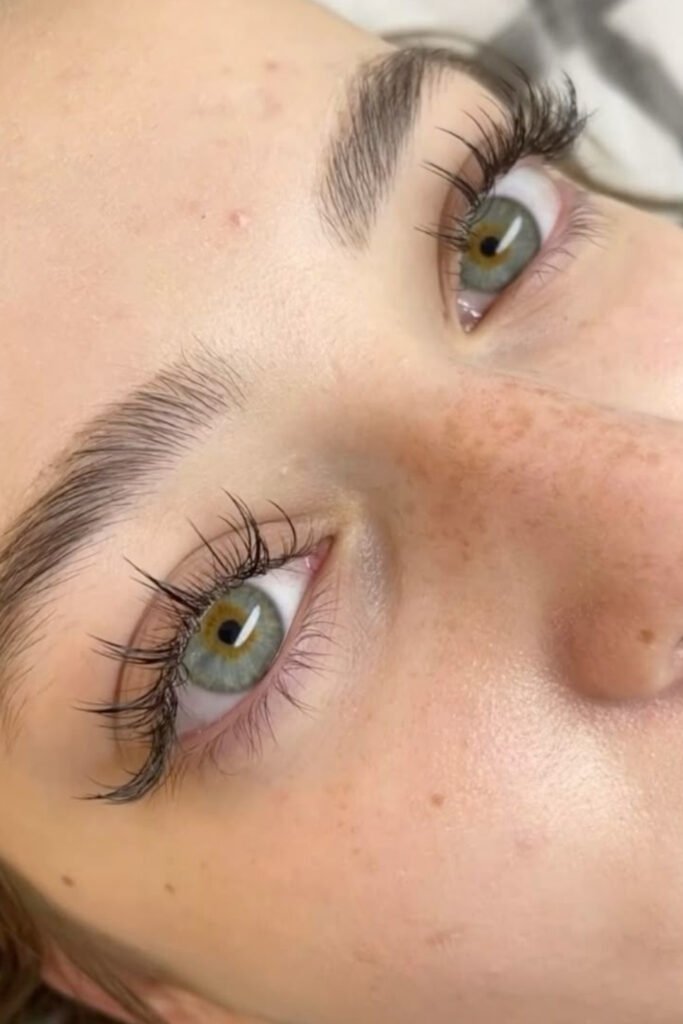
5. Subtle enhancement. Slightly longer pieces in the middle taper to very short ones at the inner and outer corners, so the fullness looks believable up close.
6. Natural map. This one follows your own growth pattern with a soft B or C curl rather than a dramatic swoop. It works well in conservative workplaces or with a minimal makeup routine.
Volume and custom maps
7. Soft volume. Heavy volume can weigh down small eyes and cast a shadow. Light volume uses small fans of two or three very fine lashes per natural lash instead of six or more, for fullness without darkness.
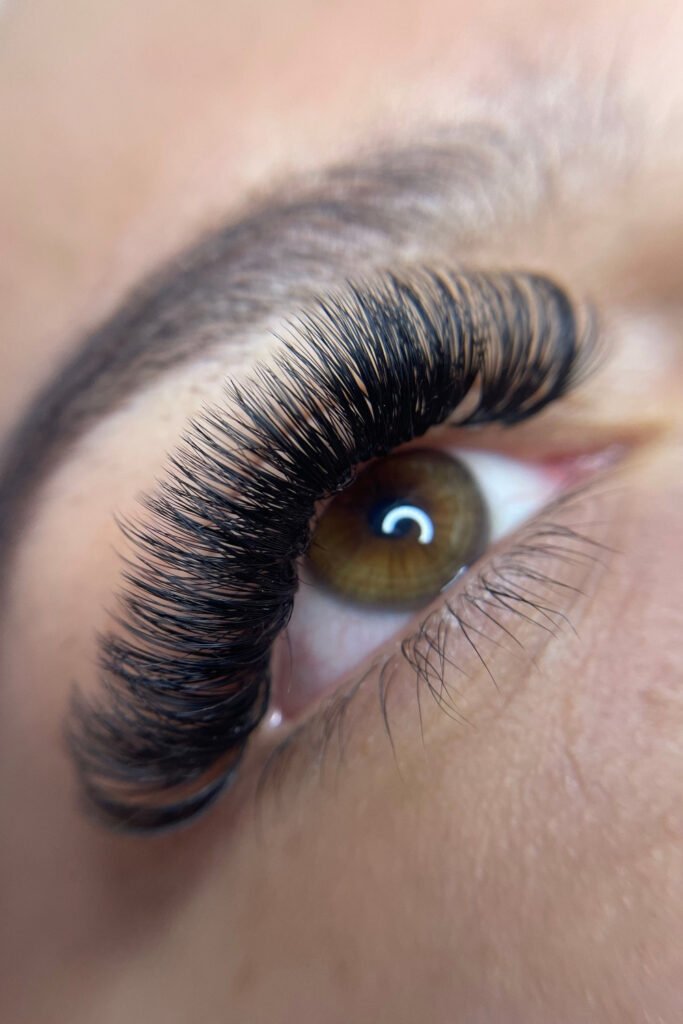
Photo by Milangel Melendez on Pexels
8. Cat-eye map. Shortest lengths at the inner corner, building to the longest at the outer edge. It pulls the eye outward like a soft winged liner and is often recommended for round eyes.
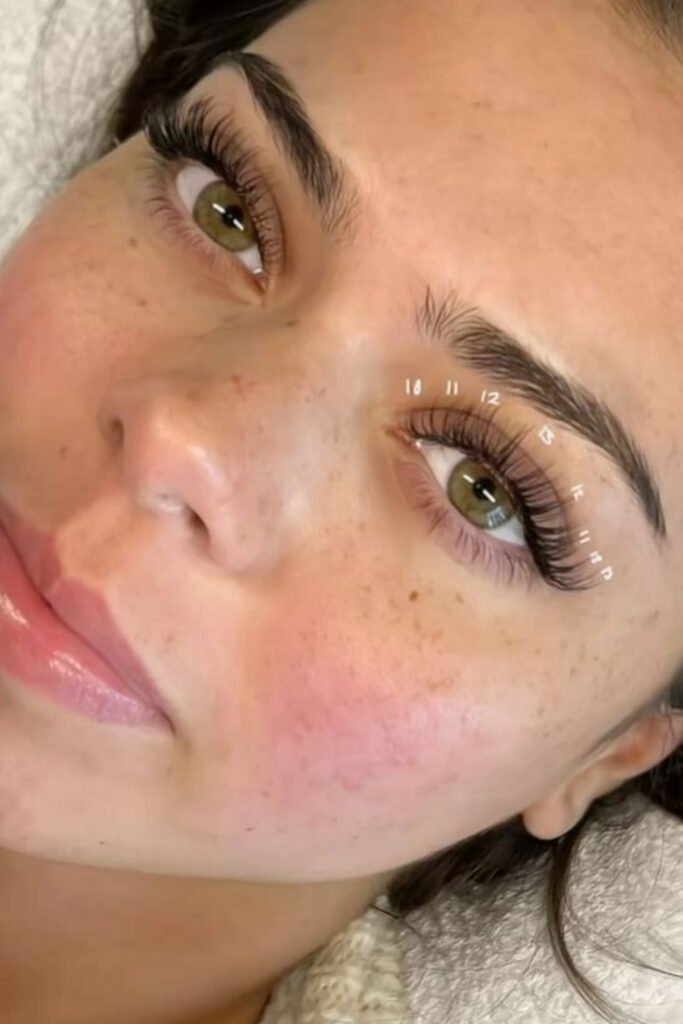
9. Open-eye map. The opposite: the longest lengths sit in the center, above the pupil, which makes the eye look rounder and more awake. It pairs nicely with soft, playful looks like these whimsy makeup ideas.
At-home cluster styles
10. Under-lash clusters. Salon appointments aren’t in every budget, which is why at-home lash clusters took off. Small sections go underneath the natural lashes with a special bond, so the band is hidden from above.
11. Sectional look. Lightweight clusters let you build your own map, mixing lengths for a custom shape that typically lasts several days.
12. Corner and lower details. A few short clusters on the outer corners give a flared finish, and a tiny cluster on the lower lash line creates a wide-eyed, doll-like look.
If you try clusters at home, use only products made for lashes, keep adhesive away from the eye itself, and remove them with the product the brand recommends instead of pulling. Do a patch test with any new adhesive, and stop if your eyes or lids get red, itchy or swollen.
Matching the style to your eye shape
A few general guidelines help narrow it down before the appointment. Round eyes often look longer with a cat-eye map that lifts the outer corners. Almond eyes suit almost any map, so the choice comes down to how dramatic you want to look. Hooded eyes usually do better with a slightly stronger curl, such as C or D, so the lashes clear the lid fold instead of disappearing under it. Deep-set eyes often look brighter with an open-eye map, while close-set eyes look more balanced when length builds toward the outer corners. Your technician will adjust from there once they see your natural lashes.
Classic, volume or hybrid?
At the salon, the first choice is the technique. Classic extensions attach one synthetic lash to one natural lash. Volume sets attach a handmade fan of several very fine lashes to one natural lash.
Classic gives a mascara-like effect: more length and curl, but no extra lashes. If your natural lashes are sparse or have gaps, classic shows those gaps. Volume fills them for a continuous, fluffy line.
The Lash Lounge explains that the technique should match the health of your natural lashes. Strong, thick lashes handle classic well. Fine or fragile lashes often do better with very light volume fans, because volume fibers are much thinner and lighter than classic ones.
Can’t decide? A hybrid set mixes classic singles and volume fans, often about half and half. It gives the texture of classic with the dense base of volume, which is why so many people ask for it.
What to expect at your first appointment
A full set usually takes about one and a half to two and a half hours, depending on the style; volume and hybrid sets take longer than classic. Arrive with clean lashes and no eye makeup, skip caffeine if you tend to twitch, and use the bathroom beforehand, since you’ll be lying still with your eyes closed the whole time.
The technician tapes or pads your lower lashes out of the way, then isolates each natural lash and attaches the extension near the base, never on the skin. It shouldn’t hurt. Mild watering from the adhesive fumes can happen, but stinging, burning or itching are worth mentioning right away. Many salons offer a patch test a day or two before the first full set, which is a good idea for anyone with sensitive eyes or allergies.
Fills, costs and removal
Fills top up the lashes you’ve shed, and most people book them every two to three weeks. Wait much longer and the remaining extensions grow out unevenly, which often means paying for a new full set. Prices vary widely by city and salon, with volume and hybrid sets usually costing more than classic.
When you’re ready for a break, book a professional removal. The technician uses a remover that dissolves the adhesive, so the extensions slide off without pulling natural lashes. Giving your lashes a few weeks off now and then is fine and doesn’t harm them.
5 eyelash extension mistakes to avoid
Extensions take time and money, and a few habits undo them in days.
Sleeping face-down. Pressing your face into a cotton pillowcase crushes the lashes, bends the curl and speeds up shedding. Sleep on your back if you can, or use a contoured sleep mask that keeps pressure off the lashes. A silk or satin pillowcase also helps.
Oil-based removers and creams. Oil weakens lash adhesive. Use oil-free cleansers and micellar water, especially after heavier eye makeup like a wedding smokey eye, and check eye creams for oils too.
Picking at grown-out lashes. It’s tempting, but pulling off an extension often pulls the natural lash out with it, and repeated pulling can leave gaps. Let them shed naturally or have them removed by your technician.
Skipping the spoolie. Brush lashes gently with a clean spoolie every morning to keep fans open and stop tangling.
Going too long or too heavy. Natural lashes can only support so much. Extensions far longer or thicker than your own strain the natural lash. Listen when your technician says a length is too much for your lashes.
Why extensions sometimes don’t last
Even with careful aftercare, extensions shed, because natural lashes shed. Each lash goes through growth, resting and shedding phases, and losing a few lashes a day is normal. When a natural lash falls out, its extension goes with it. That’s why most people book a fill every two to three weeks.
The salon environment matters as well. Lash adhesive cures using moisture in the air, so very dry or very humid conditions can leave a weaker bond. Good technicians monitor this and adjust the adhesive or the room.
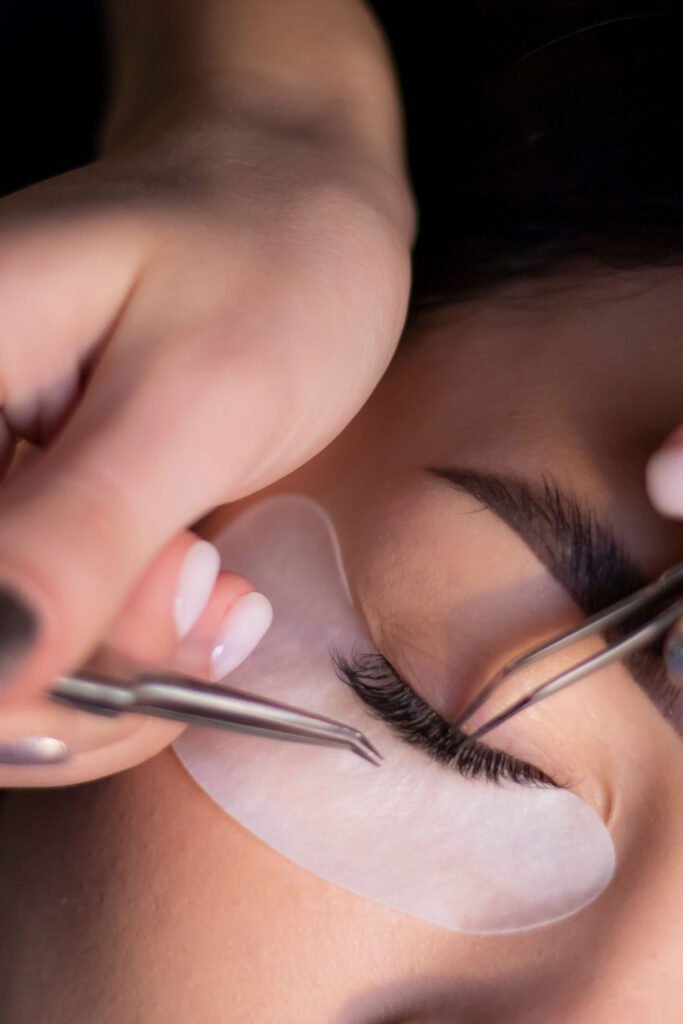
Photo by Екатерина Мясоед on Pexels
Clean lashes last longer. Wash the lash line every day or two with a lash-safe foaming cleanser and a soft brush. Makeup, skin oils and dead skin cells around the base break down the adhesive faster than almost anything else. Avoid steam rooms and very hot showers for the first 24 to 48 hours after an appointment while the adhesive fully sets.
Choosing the technician matters most. Look for a licensed lash artist with healed-set photos (not just fresh ones), a clean workspace, single-use tools or proper disinfection, and someone who asks about allergies and your eye shape before starting. If your eyes become red, swollen or painful after an appointment, have the lashes removed and see a doctor.
Finding your signature set
The right set takes a little trial and error: a skilled artist, a map that suits your eyes and a simple daily routine. My take: start with a natural or soft hybrid set, see how your lashes handle it, and build from there. Which style are you showing your lash tech first? Tell me in the comments.
Leave a Reply