

You don’t need a Pinterest-perfect space with floor-to-ceiling windows and imported bamboo flooring. What you need is a corner, some intention, and a few smart choices. The truth is, a peaceful yoga room can happen in a small apartment bedroom, an unused nook, or even a converted shed. And it doesn’t have to cost a fortune.
If you’ve been rolling out your mat between the couch and the coffee table, dodging toys, and trying to find your zen next to a pile of laundry, this post is for you. I’m breaking down exactly how to create a home yoga space that feels calm, looks good, and actually makes you want to practice every single day.
Here’s everything you need to know, step by step.
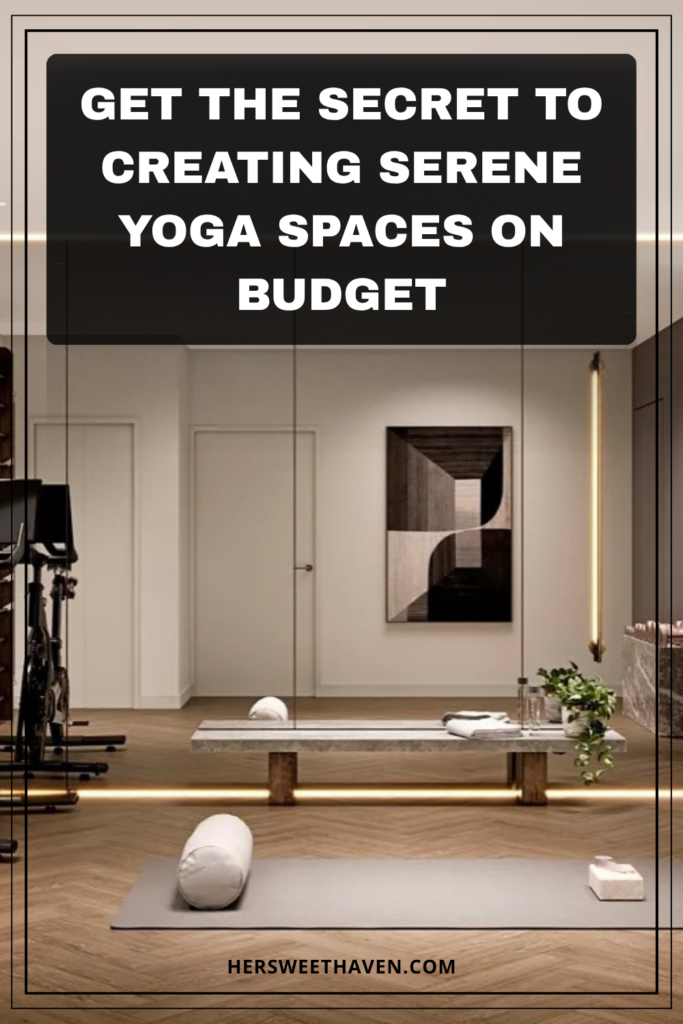
Pick The Right Spot For Your Yoga Room
Before you buy a single candle or roll out a new mat, you need to figure out where your yoga room is going to live. This is the foundation of everything else, so it’s worth getting right.
How Much Space Do You Actually Need?
Less than you think. According to yoga instructors, you can get by with a space just slightly longer than your yoga mat and about as wide as your arm span. That’s roughly 6 by 6 feet. If you practice more dynamic flows or want room for props, aim for about 8 by 8 feet.
The point? You don’t need an entire room. A corner works. A cleared-out closet works. Even a section of your bedroom works, as long as you have enough room to move freely without bumping into furniture.
Best Rooms And Corners To Convert
Think about where in your home you naturally feel the calmest. A spare bedroom is the obvious pick, but don’t overlook a quiet hallway, a section of your living room, or even a basement with decent ventilation.
Here’s the key point: pick a spot with a hard floor if you can. Hardwood is ideal because it’s not cold in winter and gives a little cushion for your knees. If you’re stuck with carpet, a firm yoga mat will still do the job.
Before you set anything up, take time to organize and declutter your space first. Clutter competes for your brain’s attention, and you’ll find it way harder to relax in a messy room. Clear it out, then build from there.
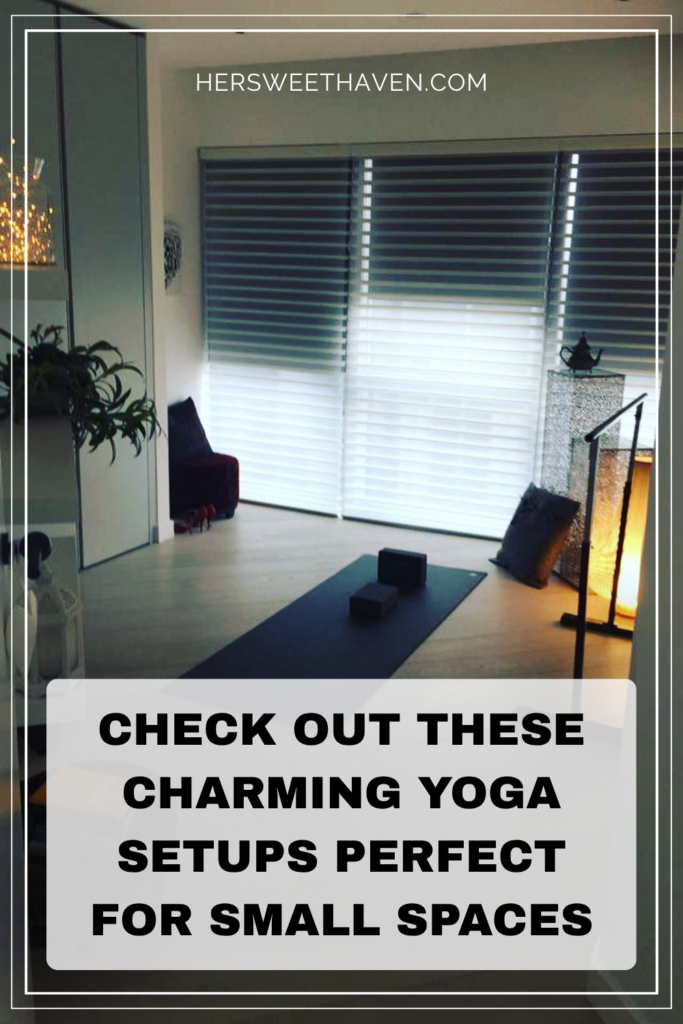
Set The Mood With Lighting And Color
Lighting is one of the most underrated parts of a yoga room. Get it right, and your space instantly feels like a real studio. Get it wrong, and you’re squinting under a harsh overhead bulb while trying to meditate.
Why Natural Light Is Your Best Friend
If your chosen spot has a window, you’re already ahead. Natural light boosts serotonin levels, helps regulate your sleep, and improves focus during practice. Position your mat to face the window so you get that gentle glow while you flow.
A mirror on the opposite wall is a smart move, too. It bounces natural light around the room and makes a small yoga room feel twice its size. Plus, it helps you check your alignment during poses.
Budget-Friendly Lighting That Feels Like A Real Studio
For evenings or rooms without much natural light, warm string lights, soft lamp lighting, or battery-operated candles can add the right glow without spending a lot. Dim, warmer tones create a calm feeling, while brighter lights work better for energizing flows.
If you can, get a dimmable lamp or a smart bulb so you can adjust the brightness depending on your practice. Bright and cool for a morning vinyasa. Warm and low for an evening restorative session.
As for wall color, stick to calming hues. Soft greens, gentle blues, neutral whites, and warm beiges are known to promote relaxation and focus. Skip bold, loud colors. Your brain needs a visual break in this room.
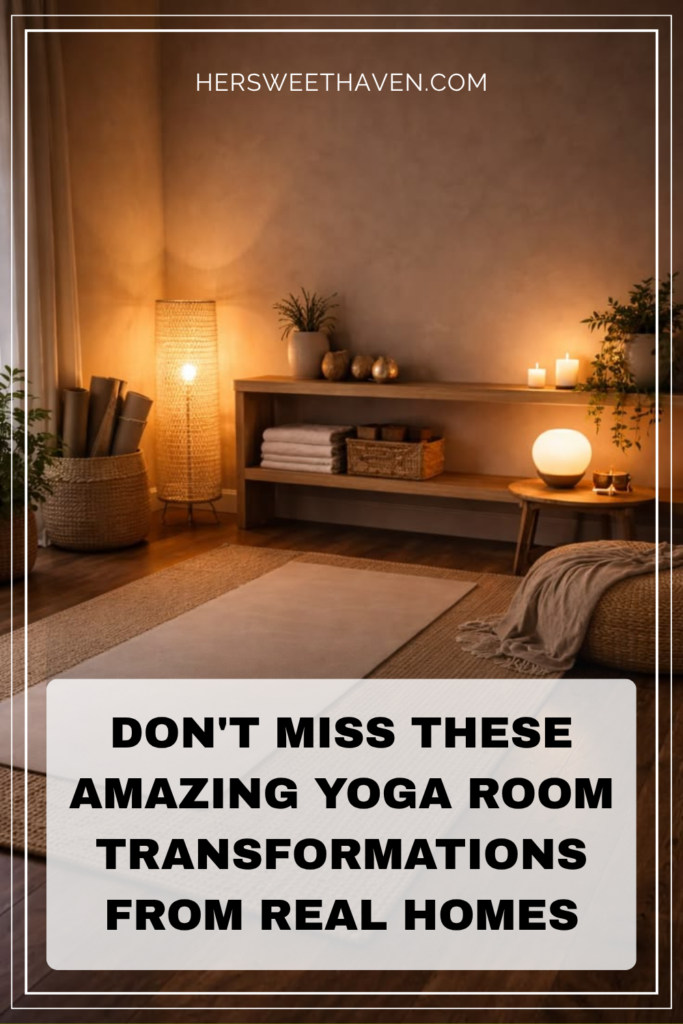
Yoga Room Decor Ideas That Actually Work
Here’s where it gets fun. Decorating your yoga room is the part that makes it feel like yours. But the goal is intentional simplicity, not clutter.
Add Plants For Fresh Air And Calm
Plants are a must in any yoga room. They reduce stress, improve air quality, and help you feel connected to nature even when you’re indoors. You don’t need a full jungle. A snake plant in the corner, a pothos trailing from a shelf, or a small fiddle leaf fig next to your mat will do the job.
If you’re not great at keeping plants alive (no judgment), succulents are hard to kill and still add that green, grounded feel.
Keep It Minimal (Your Brain Will Thank You)
This is where most people get it wrong. They fill their yoga room with too much stuff: crystals, candles, posters, baskets, books, and suddenly the room feels like a home goods store instead of a sanctuary.
Keep it simple. A few meaningful items on a floating shelf. One piece of wall art that makes you feel something. A small basket for your props. That’s it. A clutter-free space helps you stay focused during practice and lets your mind actually slow down.
If you loved how I approached our cozy bedroom retreat tips, the same thinking applies here. Less is more, and every item should earn its place.
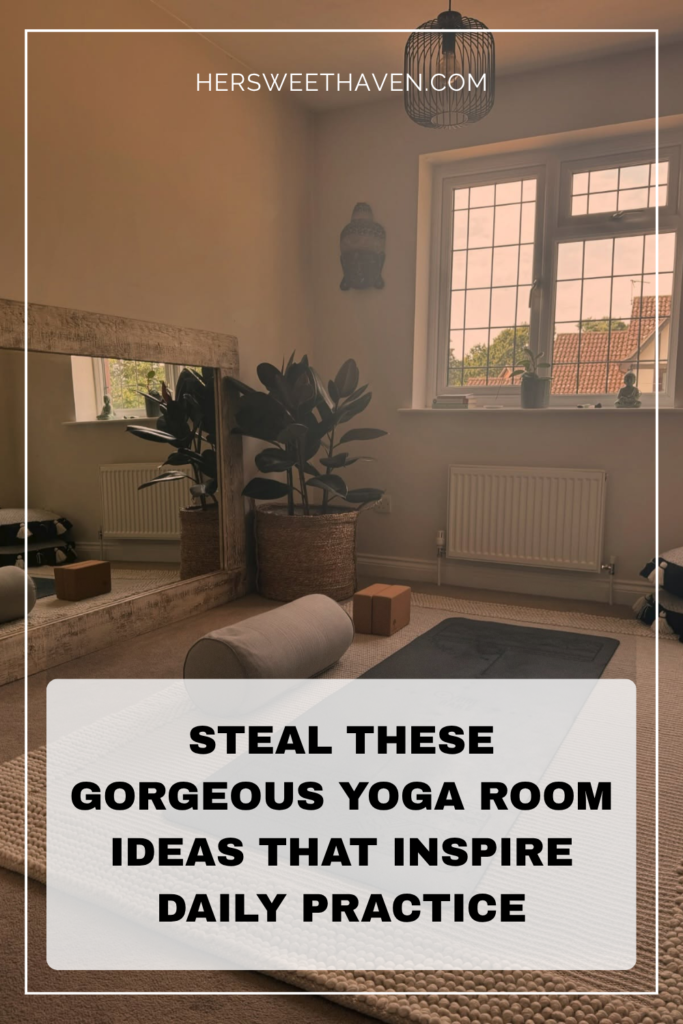
What Props And Equipment Do You Need For A Home Yoga Room?
You don’t need to drop hundreds of dollars on fancy equipment. But a few key items will make your practice more comfortable and consistent.
The Non-Negotiables (Mat, Blocks, Strap)
A good yoga mat is the single most important thing in your space. Look for something non-slip with decent cushioning. You don’t need the most expensive option, just something durable that won’t slide around during downward dog.
Yoga blocks and a strap are the other two must-haves. Blocks help with flexibility and alignment, especially if you’re a beginner. A strap extends your reach for deeper stretches. Many affordable starter kits come with all three, plus a carrying case for neat storage.
Nice-To-Haves That Won’t Break The Bank
Once you’ve got the basics, here are a few extras worth considering: a bolster or rolled-up blanket for restorative poses, a meditation cushion for seated work, and a small Bluetooth speaker for background music or guided sessions.
If you don’t have official yoga props, get creative with what you already own. A stack of books works as blocks. A towel works as a strap. Firm pillows or rolled blankets work as bolsters. Save your money for the things that matter most.
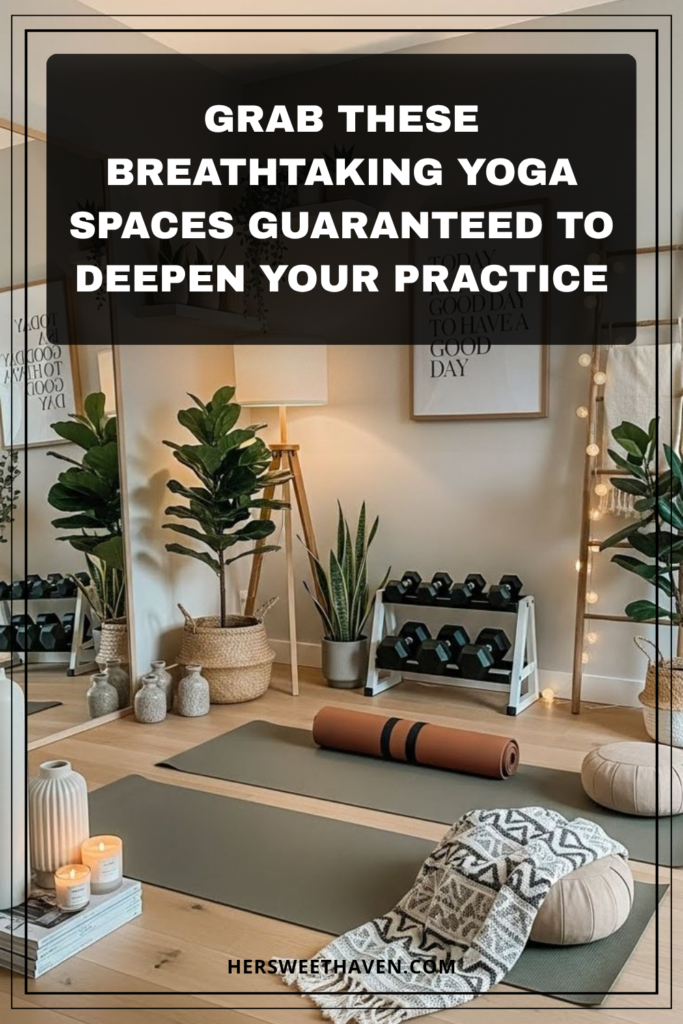
How To Create A Zen Yoga Room On A Small Budget
Here’s the thing: an affordable yoga room can look just as good as one that cost thousands. It’s all about where you put your money and where you get creative.
DIY Swaps That Look Expensive
String lights instead of pricey pendant lamps. Peel-and-stick wallpaper or a painted accent wall instead of a full renovation. Thrifted baskets and shelves instead of brand-new storage. Heavy curtains or a bookshelf filled with books can even double as budget-friendly soundproofing.
Plants from a local nursery or even cuttings from a friend add life to the room for almost nothing. A printed affirmation in a dollar-store frame can be just as meaningful as expensive wall art.
Where To Spend And Where To Save
Spend on your mat. This is the one item you’ll use every single day, and a slippery, uncomfortable mat will ruin your practice faster than anything else.
Save on decor, lighting, and storage. These are the areas where creativity beats cash every time. Check out these budget-friendly decorating tips for more ideas that translate perfectly to an indoor yoga space.
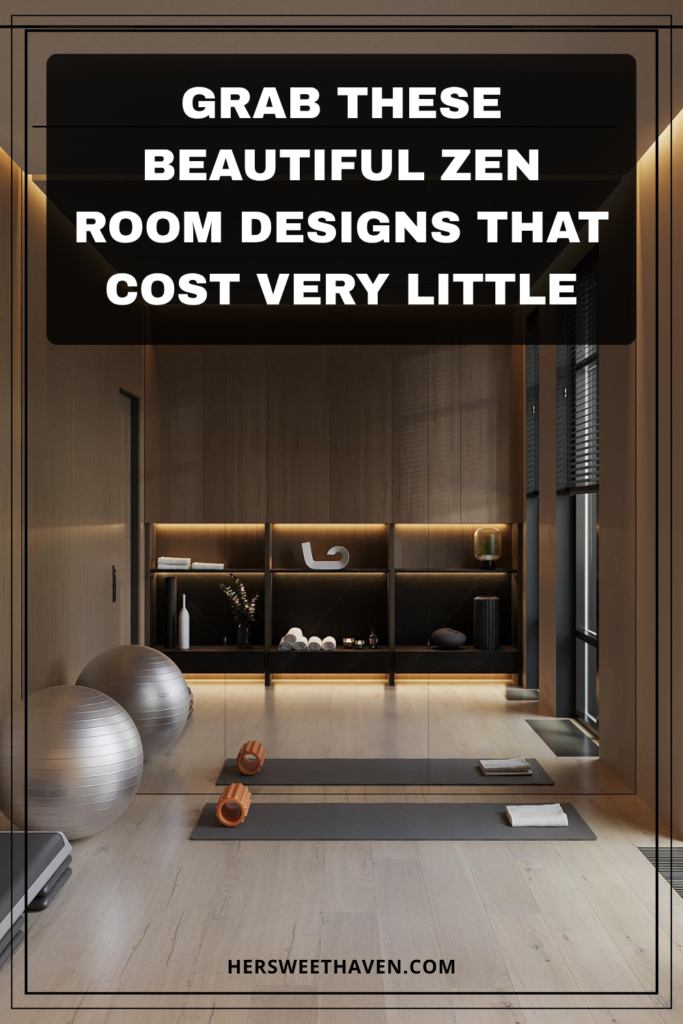
Can You Turn A Shed, Garage, Or Unused Nook Into A Yoga Room?
Absolutely. And honestly, some of the most charming yoga rooms I’ve seen are converted spaces that started as something completely different.
She-Shed Yoga Room Ideas
A she-shed or garden shed is one of the best yoga room conversions you can make. Paint the interior white, hang some string lights from the beams, add a few plants, and you’ve got a private retreat just steps from your back door. Enclosing a porch or converting an unused outbuilding into a yoga studio is a popular DIY project that gives you full separation from the rest of the house.
The biggest things to check are ventilation and temperature. Make sure you have airflow (a window or small fan) and some way to stay warm in cooler months.
Making The Most Of Awkward Spaces
Got a weirdly shaped nook, an underused hallway, or a deep closet? These are yoga room gold. Remove closet doors, install sliding panels, add soft lighting, and make sure there’s ventilation. It’s perfect for seated meditation and restorative poses.
Even a small balcony or covered patio can work beautifully in warm weather. If you’ve tackled making the most of a tiny space in your garden, the same principles apply indoors. Think vertical storage, multi-functional furniture, and clear zones.
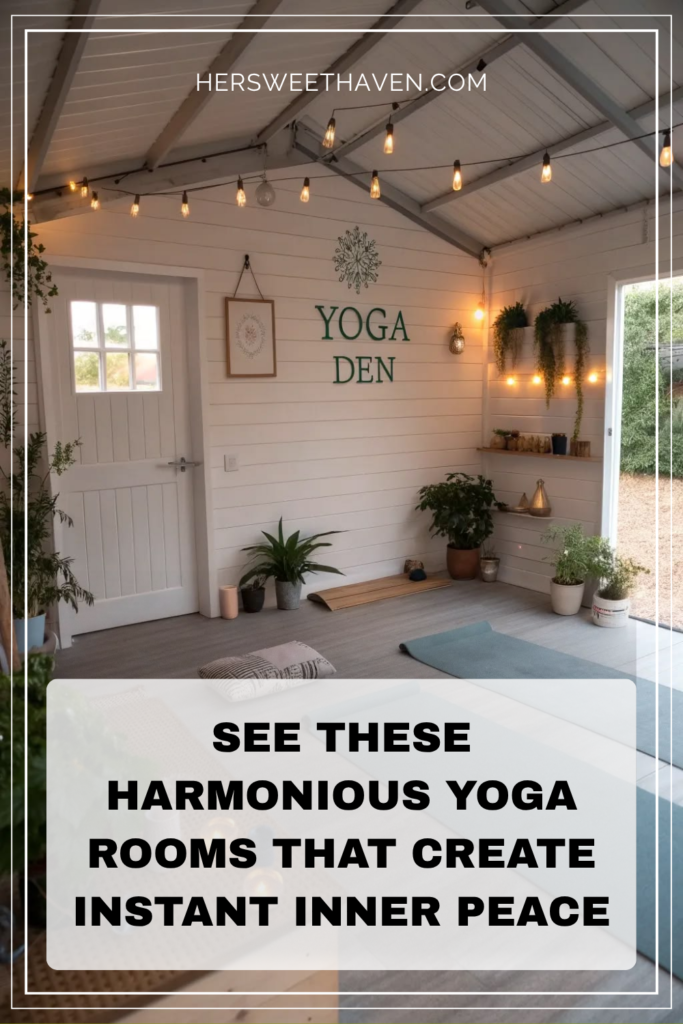
How Do You Make Your Yoga Room Feel Like A Real Studio?
The difference between a mat on the floor and a real yoga room comes down to the details. And most of them are free or close to it.
Aromatherapy And Sound
Scent and sound are two of the fastest ways to shift your mindset when you step into your yoga room. An essential oil diffuser with lavender, eucalyptus, or sandalwood can calm your mind and help you drop into a meditative state more easily. If you don’t have a diffuser, a simple scented candle works too. Just keep the fragrance subtle.
For sound, a small speaker playing nature sounds, soft instrumental music, or a guided meditation sets the tone immediately. You don’t need anything fancy. Your phone and a portable speaker are more than enough.
Personal Touches That Inspire Daily Practice
This is your space. Make it reflect what brings you peace. Maybe that’s a framed photo, a small collection of crystals, a gratitude journal on a side table, or simply leaving your mat rolled out as a visual reminder to practice.
One of the best tips from yoga teachers is to keep your mat unrolled and your props within arm’s reach. When everything is set up and ready to go, you remove the biggest barrier to showing up: the setup itself.
Your Peaceful Yoga Room Starts Today
You don’t need a lot of money, a huge house, or a design degree to build a yoga room you love. Start with a clear space and a good mat. Add lighting that makes you feel calm. Bring in a few plants, keep the clutter out, and make it personal.
The best yoga room is the one that makes you want to step onto your mat, even on the days when you really don’t feel like it. And that has a lot more to do with intention than it does with budget.
Save this post for when you’re ready to start building yours. And if you’ve already got a home yoga space, I’d love to hear what made the biggest difference for you.


Leave a Reply