

Be honest. How many photos are sitting on your phone right now, unlooked at, somewhere in the 10,000-and-counting range? And how many little keepsakes (ticket stubs, a dried flower, a note someone left you) are shoved in a drawer with no real home?
Yeah. Same.
Here’s the good news: you don’t have to be crafty, artsy, or rich to fix this. Learning how to preserve your favorite memories comes down to three simple methods, and every single one of them works on a realistic budget. Photo books get your pictures off the screen. Memory boxes hold the physical stuff a photo can’t capture. And junk journals let you actually make something with your hands when you’re tired of scrolling.
This guide walks through all three, who each one is best for, and how to start without overthinking it. Pick the one that fits your life. Or do all three (no pressure).
Why Bother Preserving Memories at All?
Photos capture what things looked like. Memory boxes and journals capture what things felt like. There’s a difference, and it’s a big one.
I found this out by accident. I pulled an old shoebox from the back of my closet that I hadn’t touched in years. Inside were a few ticket stubs, a pressed flower gone papery thin, and a note scribbled on a napkin. Nothing fancy. But the second I opened it, I was right back in those moments. It hit harder than scrolling through a thousand phone photos ever has.
That’s the thing nobody tells you about digital memories: they’re easy to make and even easier to forget. In a world where everything lives on a screen, having something physical to hold feels grounding. There’s a reason tangible, handmade keepsake projects keep going viral as people pull away from purely digital storage. We’re all a little burnt out on screens, and our memories are paying the price.
So let’s give them a better home.
Photo Books: The Easiest Way to Get Photos Off Your Phone
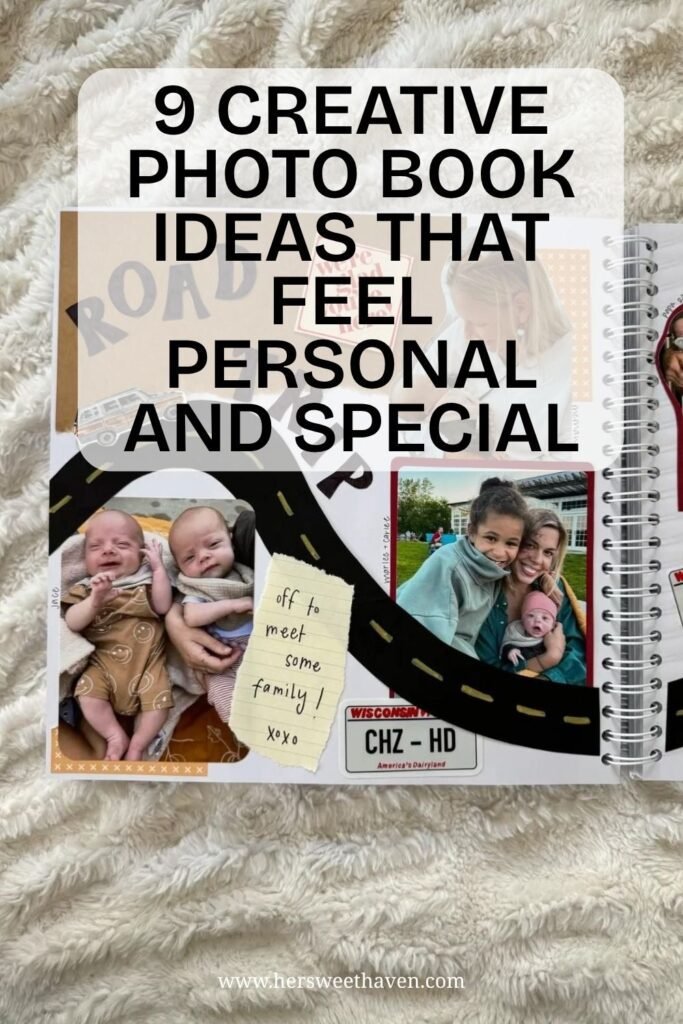
If you want the fastest win, start here. A photo book takes your best shots and turns them into something you can hold, flip through, and pass around the table. And the beauty is there’s no wrong way to make one.
What kind of photo book should you make?
The best photo books tell a story instead of just dumping pretty pictures onto pages. A travel or road trip album works because it has a natural beginning, middle, and end: you left, you went somewhere, you came back. Artifact Uprising suggests making the same style of book for every trip so you build a matching collection over time.
A baby’s first year book is another favorite, and for good reason. Babies change so much month to month that each page feels like a different kid. Take one photo per month in the same spot, then fill the rest with candids and milestone notes.
And then there’s my personal soft spot: the best friend book. Camp photos, road trip selfies, screenshots of inside jokes, all mixed together with dates and handwritten quotes. The messier it looks, the more it means to the person getting it.
The 50-photo rule that saves you
Here’s where most people freeze: they have 3,000 photos and no idea where to start. So they never start.
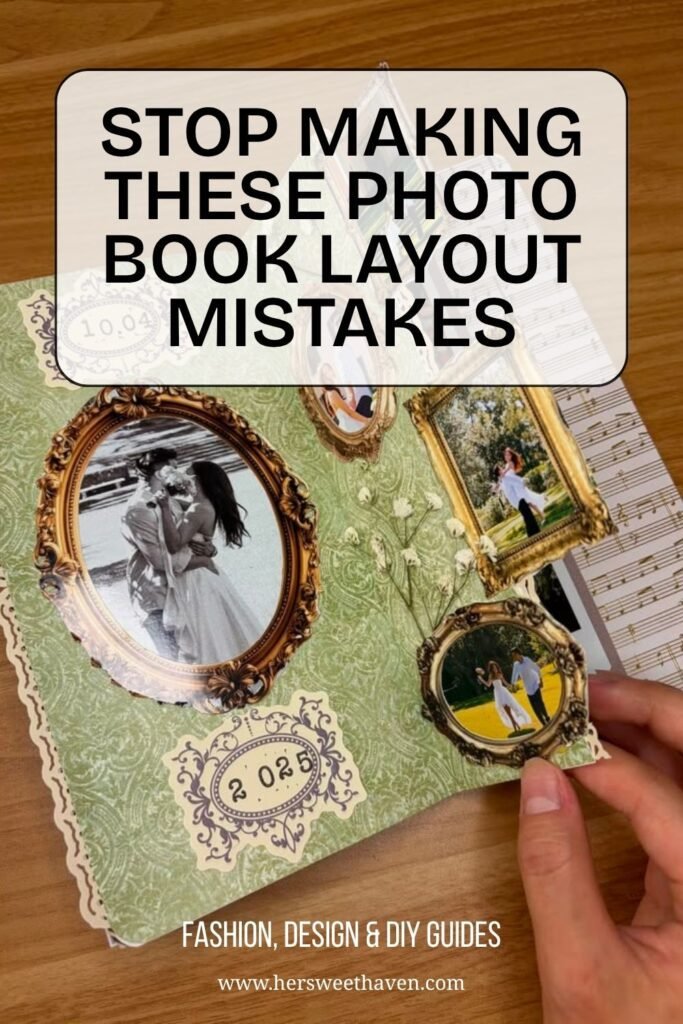
Try this instead. Cap yourself at 50 photos for a standard book. That’s plenty for a 20 to 30 page book, and a hard limit forces you to be selective. Beginner photo book guides recommend making a “photo book candidates” folder and adding to it over a few days rather than choosing everything in one sitting. Come back with fresh eyes, cut anything that doesn’t make you feel something, and you’ll land at a manageable number naturally.
One more trick: sort by story, not by date. Ask yourself what the five or six “chapters” of this period were. The camping trip. Birthday parties. Random Tuesday nights. Suddenly a shapeless pile becomes a few easy batches.
Stop making these layout mistakes
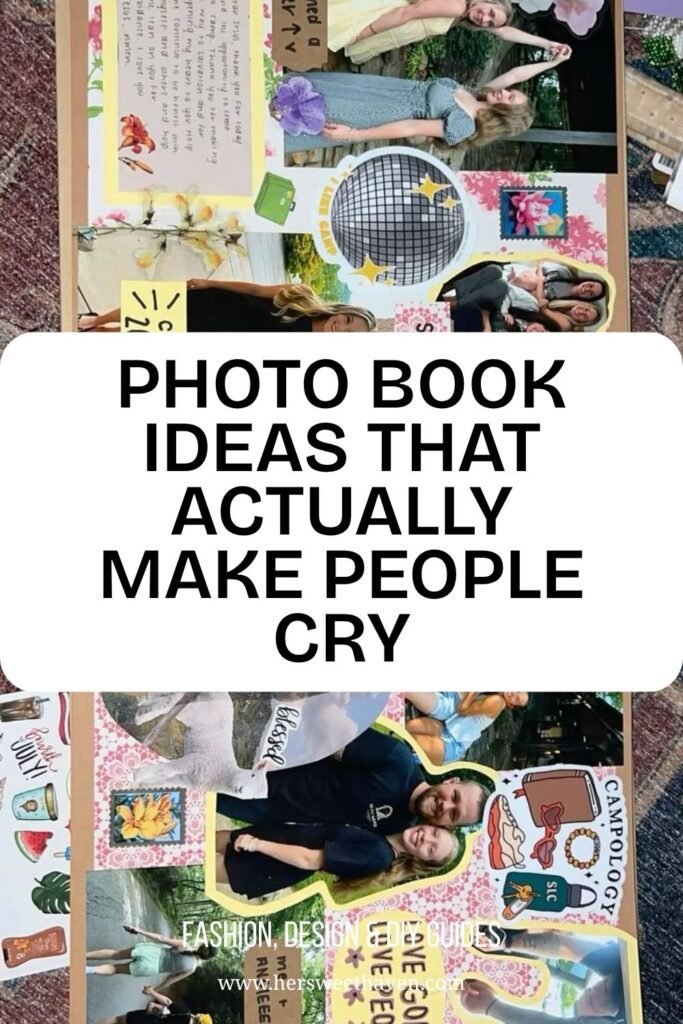
A photo book can hold gorgeous photos and still feel flat if the layout is off.
The most common mistake is cramming six or eight photos onto every page. When nothing has room to breathe, nothing stands out. Layout experts at Artifact Uprising suggest mixing page densities: one full-bleed single photo, then a spread with two or three smaller ones. White space is your friend.
The other big one is skipping the flow. Even a casual book benefits from a basic order, whether that’s chronological (the simplest, per Shutterfly’s guide) or grouped by theme. The point is guiding the reader through instead of leaving them flipping randomly.
Do I need to be good at design?
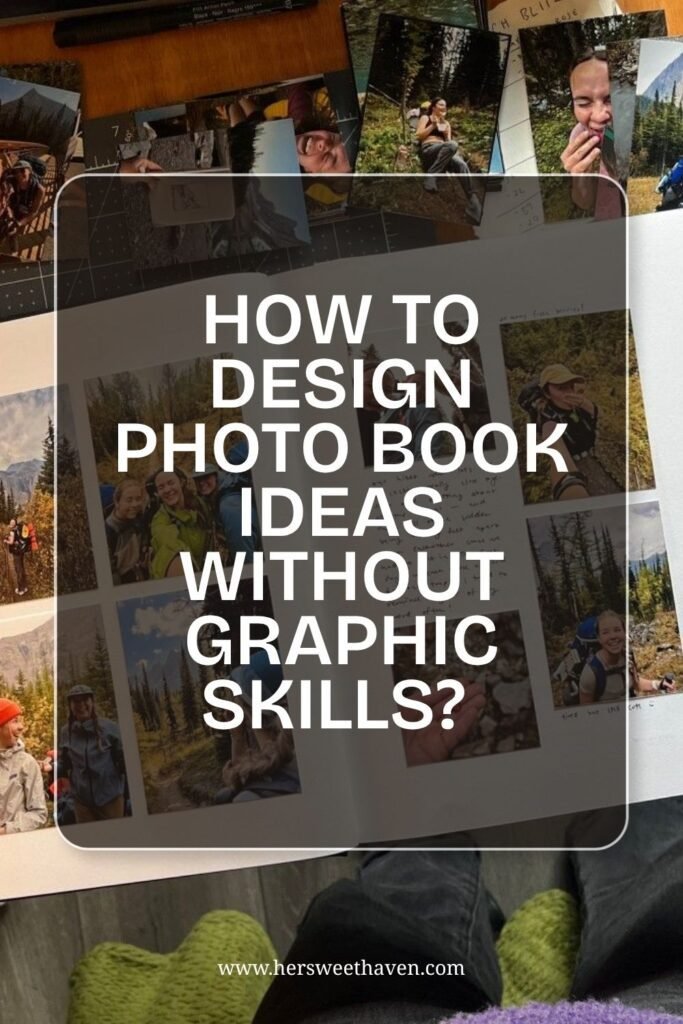
Nope. Not even a little. Every major service (Shutterfly, Mixbook, Artifact Uprising) hands you templates with pre-made layouts and coordinating backgrounds. Pick one template, stick with it cover to cover, and you get a polished look with zero skill required.
Prefer something more hands-on? A handmade photo book using 4×6 prints, cardstock, and adhesive tape comes together in a couple of hours and feels completely one-of-a-kind. Add washi tape, handwritten dates, and a few ticket stubs tucked between pages for a mixed-media feel.
Memory Boxes: For the Keepsakes a Photo Can’t Capture
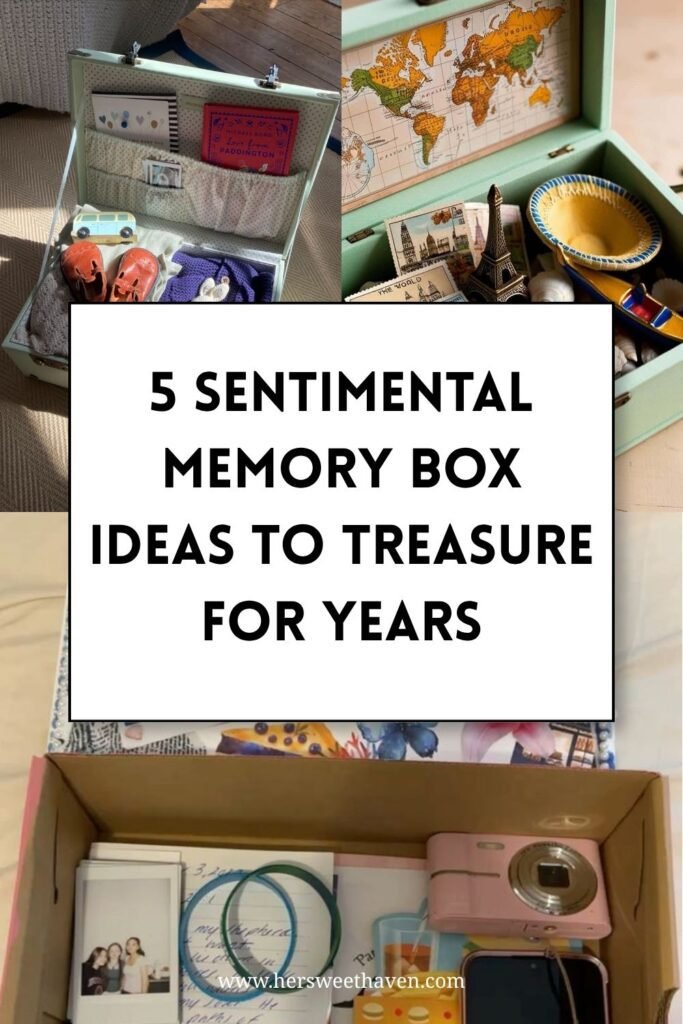
Some things just don’t fit in a photo book. The actual concert ticket. A wristband. The napkin with the note on it. That’s where a memory box earns its keep.
Choosing your box
The box sets the tone, but it matters less than you’d think. A sturdy wooden box works best for long-term storage because it protects fragile items and holds up over the years. That said, a decorated shoebox wrapped in kraft paper works just as well if you’re not looking to spend a cent. The only real rule: a proper lid that keeps dust, light, and moisture out.
What actually goes inside
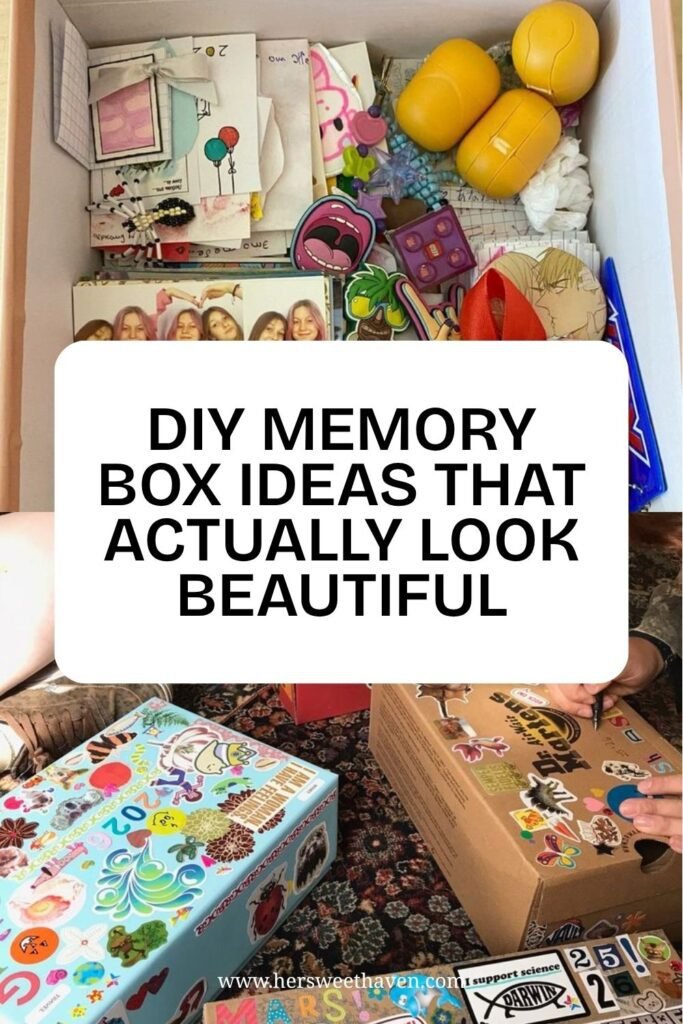
This is where people overthink it. You’re not curating a museum. The best memory box ideas are the small, everyday things that carry meaning: ticket stubs, postcards, handwritten notes, dried flowers, a receipt from a special dinner, a name tag from an event.
The rule I follow is simple. If throwing it away would give you even a tiny pang of guilt, it goes in the box. If it doesn’t spark anything, it’s just clutter.
Some of the most meaningful boxes are built around a single theme. A relationship box might hold invitations, dried bouquet flowers, and movie tickets from your first date. A baby box usually gets hospital bracelets, first booties, a lock of hair, and milestone cards, plus a letter the child can read years later.
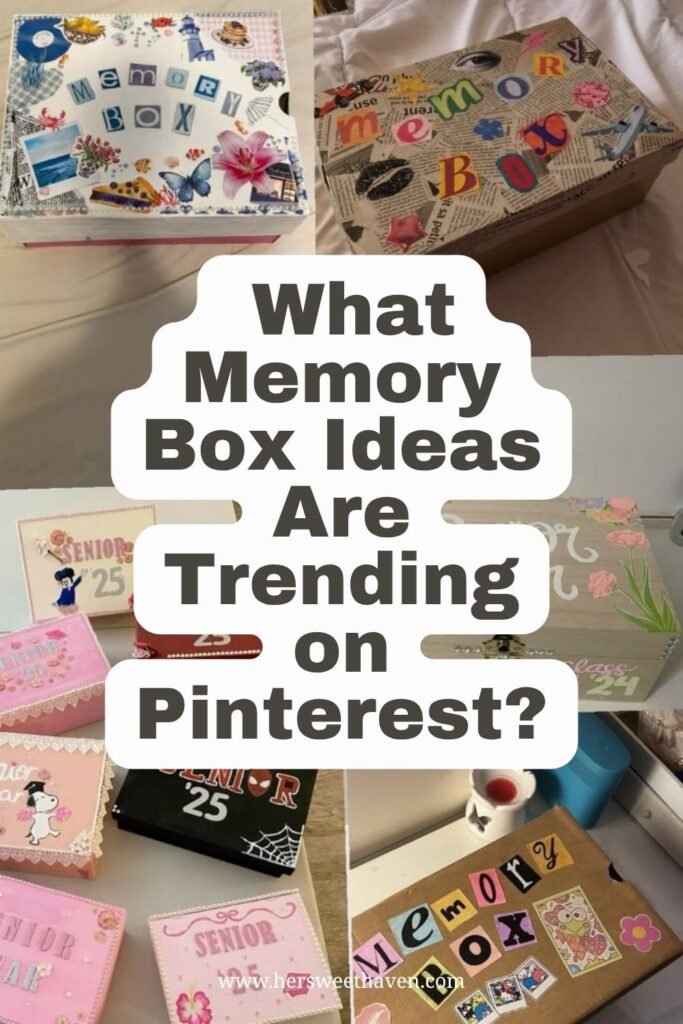
How do you keep a memory box organized?
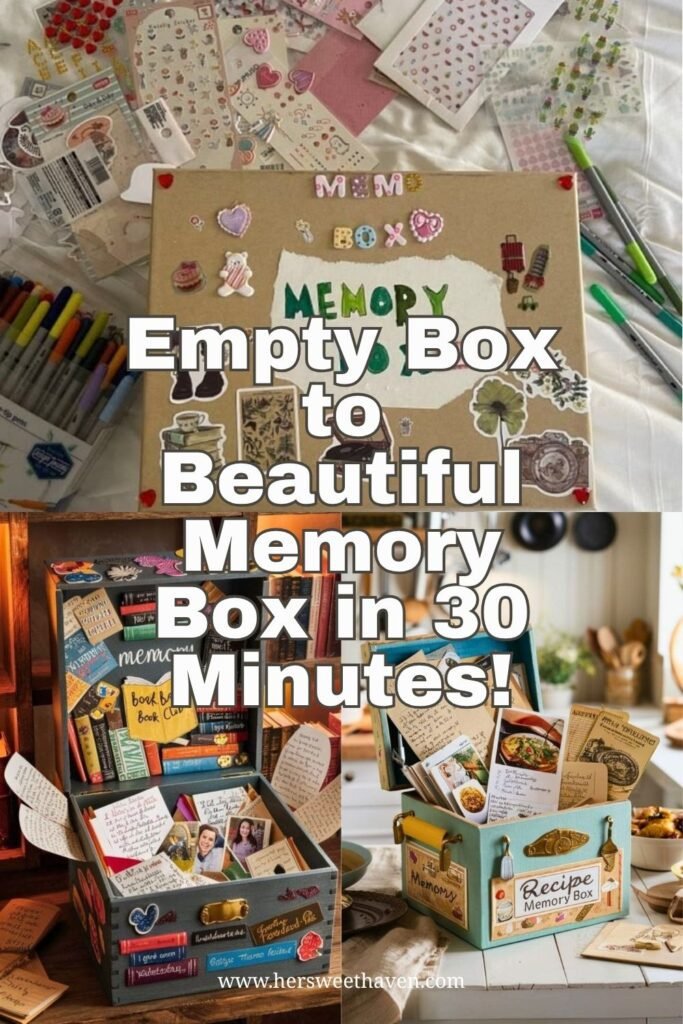
A memory box should feel like opening a treasure chest, not digging through a junk pile. A little structure goes a long way (your future self is going to love you for this).
You don’t need anything complicated. Add simple dividers labeled by year or event, and use small envelopes taped inside the lid for flat things like letters. For fragile paper, keep photos and documents in acid-free sleeves and press dried flowers between wax paper. Fabric items last longer folded in tissue paper so they don’t yellow.
And once a year, edit. Go through the box and ask whether each item still carries weight. Some keepsakes that felt huge at the time just… don’t anymore, and that’s fine. The goal isn’t to save everything. It’s to save the right things.
Junk Journaling: When You Want to Actually Make Something
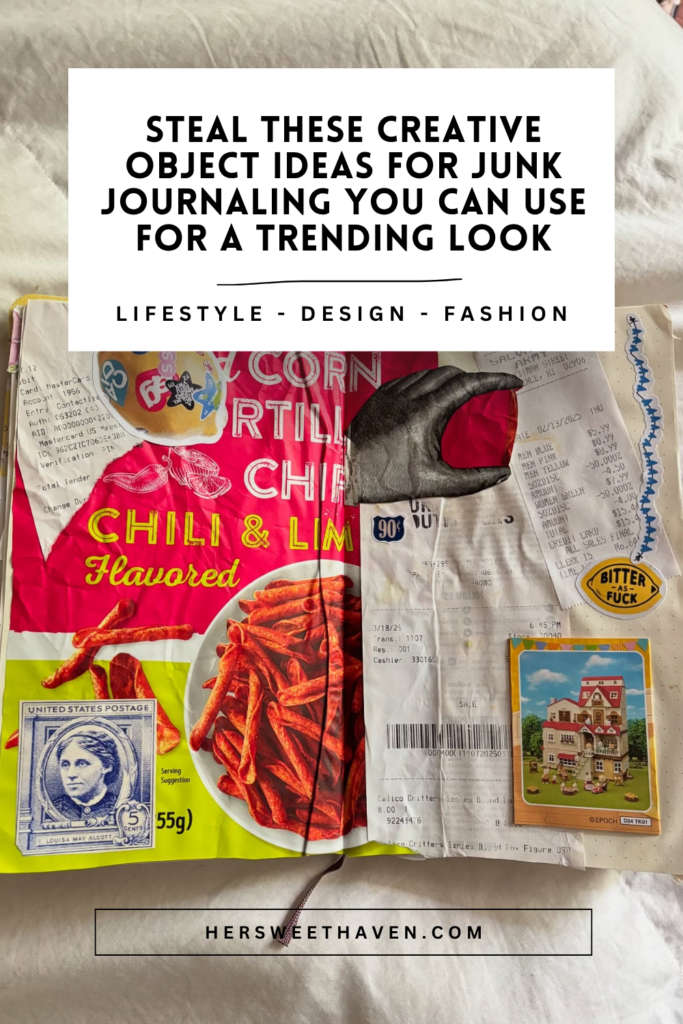
Photo books and memory boxes are about keeping. Junk journaling is about making. It’s where collage, memory-keeping, and art journaling collide on a single page, and it’s having a real moment right now.
What is it, and why is everyone doing it?
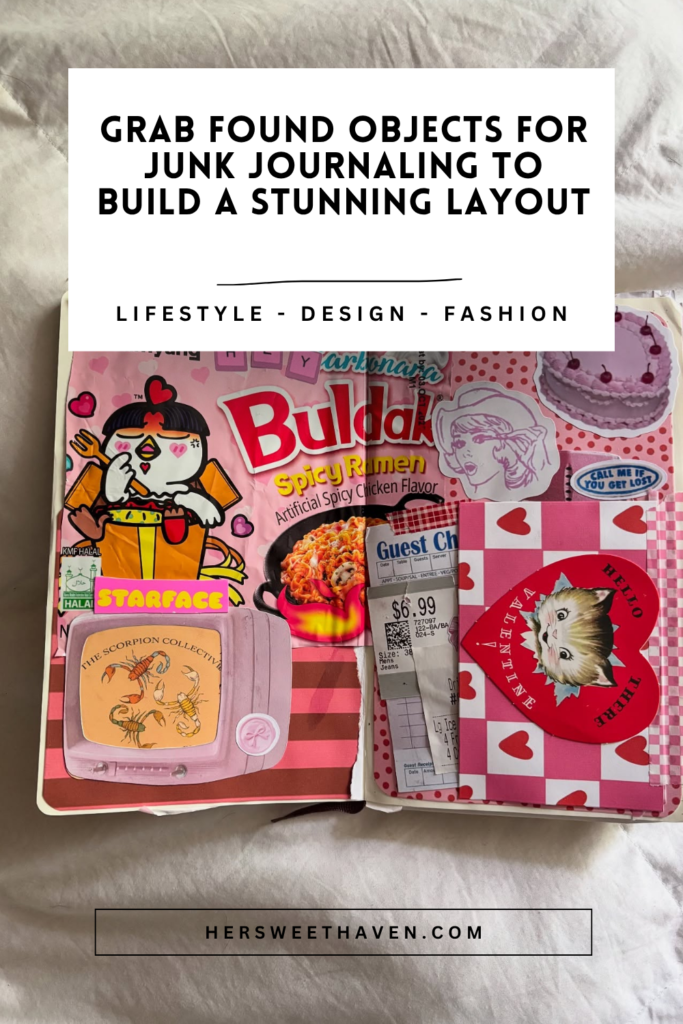
You take materials that would normally hit the trash (receipts, ticket stubs, tea box packaging, old magazine pages) and layer them into something that tells a story. Unlike scrapbooking, junk journals celebrate imperfection. Your pages don’t have to match. The mess is the point.
Real talk: part of why it blew up is screen fatigue. When your hands are gluing and arranging, your mind has to be present. It’s meditation for people who can’t sit still, and it directly competes with doomscrolling for your attention. If you’ve been meaning to build in more slow, offline time, this scratches the same itch.
The found objects that make it work
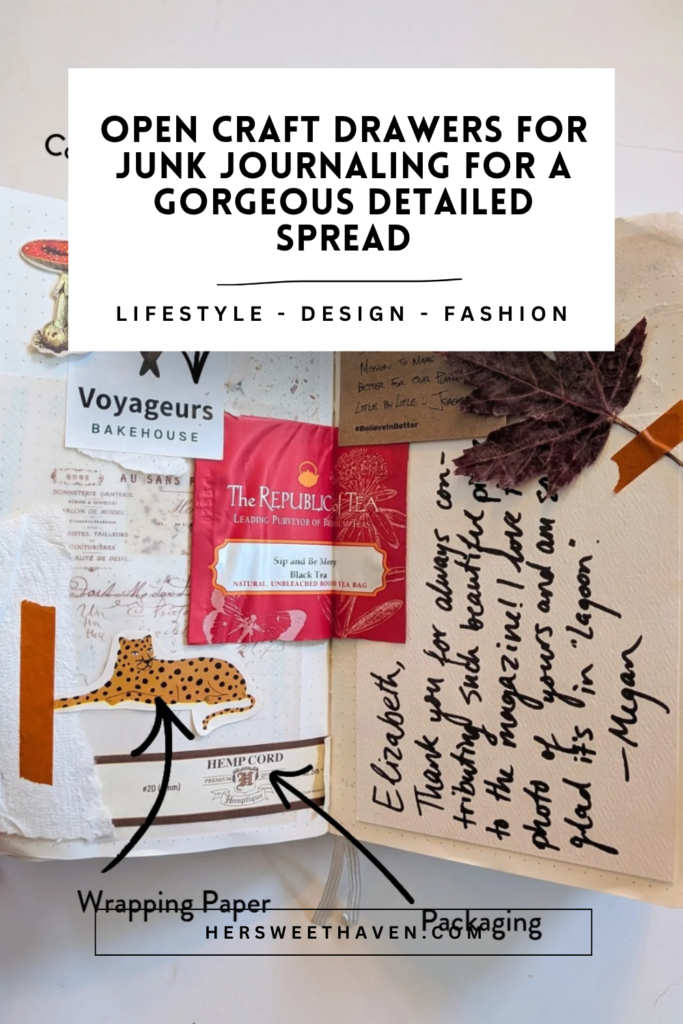
The “junk” is just everyday stuff. Paper items like receipts, postcards, and old book pages. Texture pieces like lace, ribbon, and fabric scraps. Special ephemera like postal stamps, dried leaves, and notes from people you love.
Your home is your first source. Check the junk drawer, the recycling, that box of old stuff in the closet. Keep it all in a jar or (fittingly) a shoebox, sorted loosely by type or color so it’s ready when you sit down.
How to start your first page
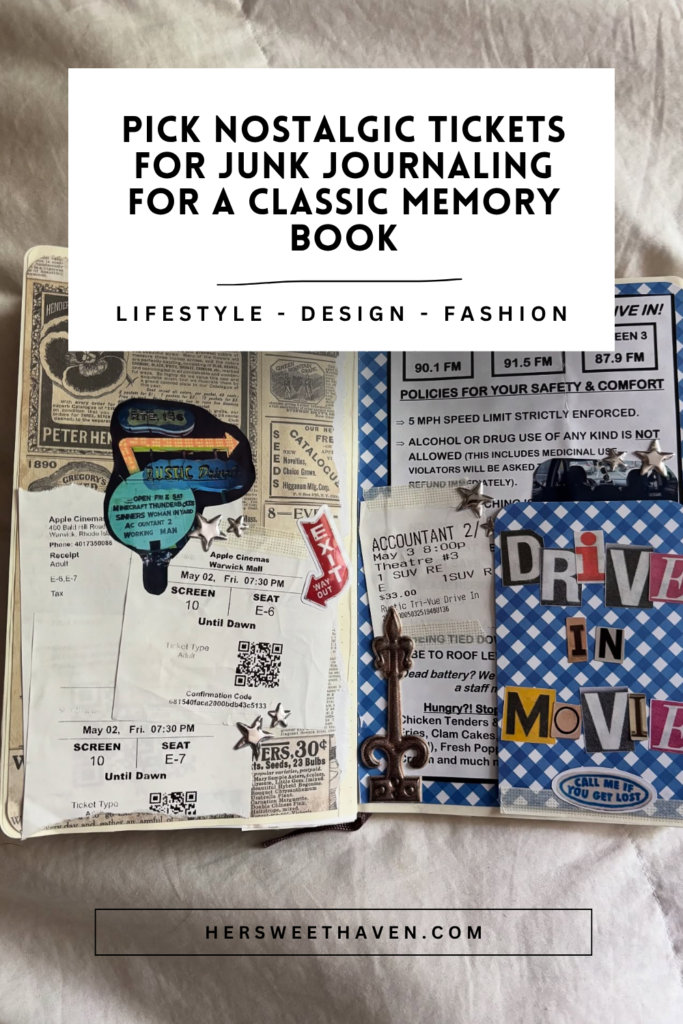
Layering is where it becomes an art form. Start with a base layer: patterned paper, a page from an old book, a bit of newspaper. Then add your found objects, and please don’t fill every inch. Negative space matters just as much as the stuff you glue down.
Play with texture by mixing smooth papers with rough ones, delicate lace beside a chunky button. Add a pocket or a flip-out tag for a little surprise. Then finish with a date, a quote, or a scribbled note.
If something looks “off,” it’s probably fine. The imperfection is the whole thing. Pages that feel raw and honest are the ones that resonate (nobody’s grading you).
So Which One Should You Start With?
Fair question. Here’s the quick version.
Start with a photo book if your memories are mostly trapped on your phone and you want a fast, low-effort win. Go for a memory box if you’re a saver, the kind of person with ticket stubs already floating around your bag. Reach for a junk journal if you want a calming hobby, not just a finished product, and you like working with your hands.
There’s no wrong answer, and honestly they overlap. A wedding photo book pairs beautifully with a memory box of the actual keepsakes. A junk journal can live right next to both.
How much does this cost to start?
Almost nothing. A junk journal can be built entirely from stuff you already own. A memory box can be a free shoebox. Even a photo book runs about the cost of a nice dinner, and a handmade one costs whatever your prints and tape run you. This is a hobby that rewards you way more than it charges you.
Where I’d Actually Start
If I’m being real, I’d start with the memory box, because it’s the one that surprised me most. That dusty shoebox brought back more than any camera roll ever has, and setting up a proper version took me one afternoon and zero dollars.
So here’s your smallest possible first step: go find one thing right now that you almost threw away but couldn’t. A ticket, a note, a receipt from a good day. Put it somewhere safe. That’s your memory box started, just like that.
You don’t have to tackle all three this weekend. Pick the one that made you nod while reading, and give it twenty minutes. Ten years from now, you’ll be so glad you did.
If the collage part is your favorite, a prayer board uses the same cut-and-paste skills and comes together in under an hour.

Leave a Reply