
Shopping for a formal dress without a plan is like grocery shopping on an empty stomach. You grab everything that catches your eye, nothing works together, and you leave frustrated (and probably over budget). Whether you’re headed to a wedding, a gala, a work event, or your best friend’s black-tie birthday, the right formal dress can make you feel like the most confident person in the room.
But “right” doesn’t mean “most expensive” or “most trendy.” It means the dress that fits your body, matches your event, respects your budget, and makes you stand out for all the right reasons. This guide breaks down every decision you need to make, from silhouette and fabric to trends and price point, so you walk in wearing something that actually works for you. No guesswork. No buyer’s remorse. Just a solid plan.
What Makes a Formal Dress Look Expensive (Even When It’s Not)
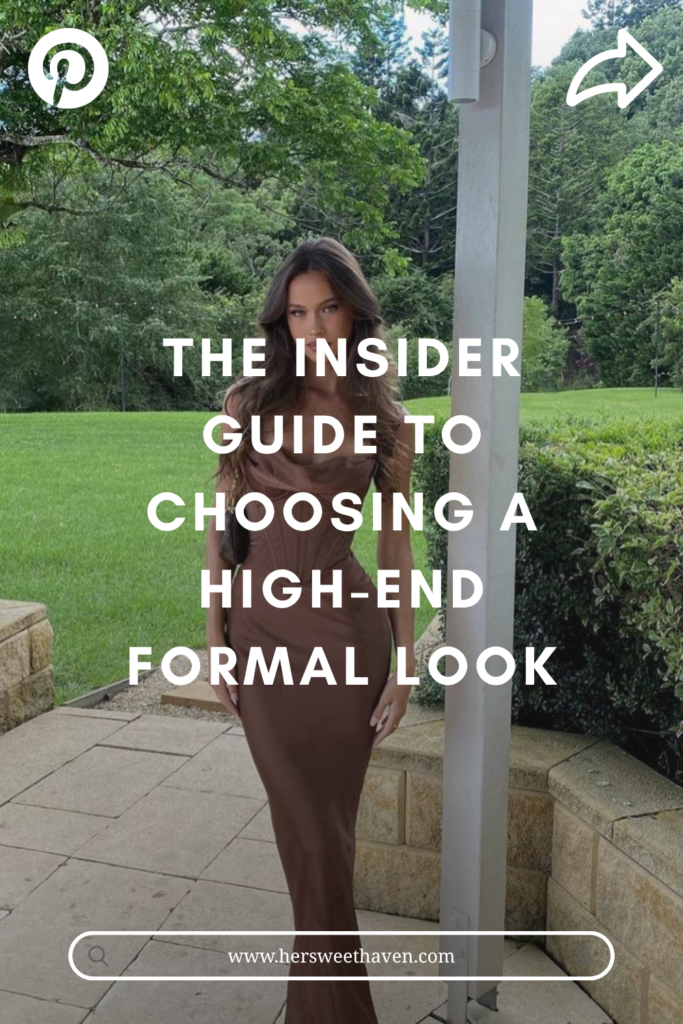
You’ve seen it before. Someone walks into a room wearing a dress that looks like it costs thousands, and later you find out it was under $150. The secret isn’t the price tag. It’s fit, fabric, and details working together.
The Power of Tailoring and Fabric Choice
A well-fitted dress in a good fabric will always outperform an expensive dress that doesn’t sit right on your body. According to styling experts, the difference between looking polished and looking “off” almost always comes down to construction quality and how the fabric drapes on your specific frame.
Look for structured seams, clean hems, and fabrics with a bit of weight to them. Satin, crepe, and wool blends tend to photograph well and hold their shape through a long event. Thin, flimsy fabrics wrinkle fast and show every line underneath.
Why the Right $100 Dress Beats the Wrong $500 One
A dress that fits your proportions, suits the event, and flatters your coloring will always look more put-together than a designer piece that doesn’t match your body. The goal isn’t to spend more. It’s to spend smarter. One well-chosen formal dress, styled with intention, creates the kind of impression that no amount of money can buy when the fit is off.
How to Pick a Formal Dress That Actually Fits Your Body
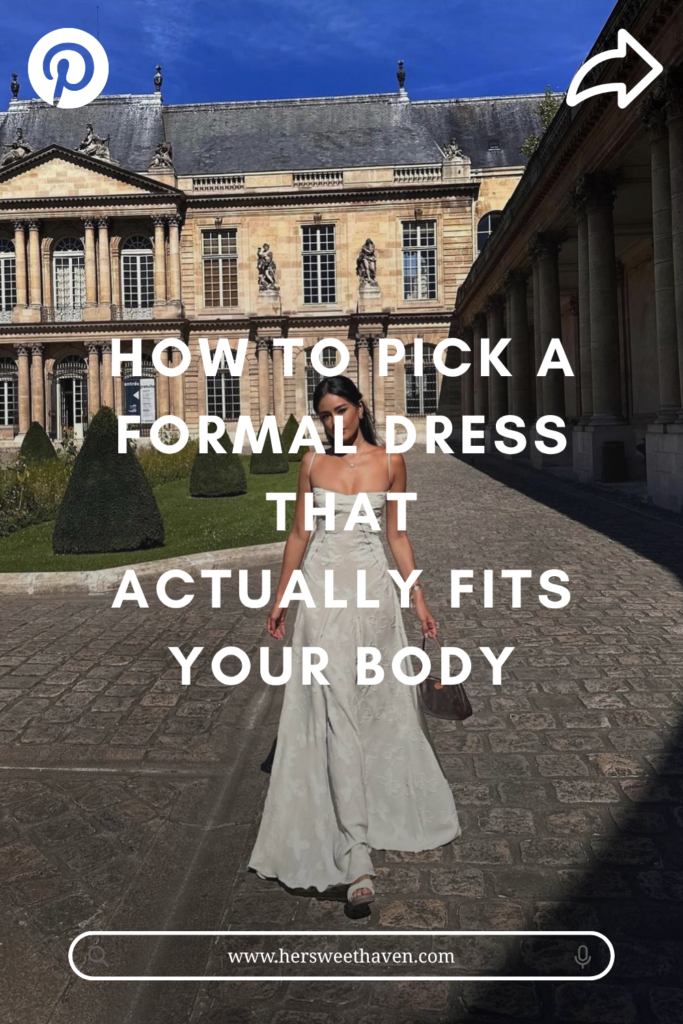
This is where most people get it wrong. They shop by trend or color first, when they should be shopping by shape.
Know Your Body Type (It Takes Two Minutes)
You don’t need a professional stylist. Grab a measuring tape and note your bust, waist, and hip measurements. Most body types fall into five categories: hourglass (bust and hips balanced with a defined waist), pear (hips wider than shoulders), apple (midsection is the widest area), rectangle (measurements are fairly even), and inverted triangle (shoulders wider than hips).
Once you know your shape, you can filter your options fast.
Which Silhouettes Work for Each Shape
For hourglass figures, look for anything that cinches at the natural waist. Wrap dresses, fit-and-flare, and mermaid styles all work well here. Pear shapes look great in A-line cuts that skim the hips and dresses with interesting necklines or sleeve details that draw the eye upward.
Apple shapes benefit from empire waistlines and V-necklines that create a vertical line through the body. Rectangle figures can add dimension with ruching, peplum details, or dresses that create the illusion of a waist. And inverted triangles look balanced in A-line skirts that add volume to the lower half.
Why Your Measurements Matter More Than Your Size
Here’s the key point: a size 8 from one brand can differ by over 3 inches from another brand’s size 8. Formal dress sizing varies wildly between manufacturers. Always compare your actual measurements to the brand’s specific size chart instead of going by what you “usually” wear. If a brand publishes finished garment measurements, use those. If they don’t, email and ask. It’s worth the extra five minutes.
Why Your Formal Look Fails: The Secret Is Fabric and Cut
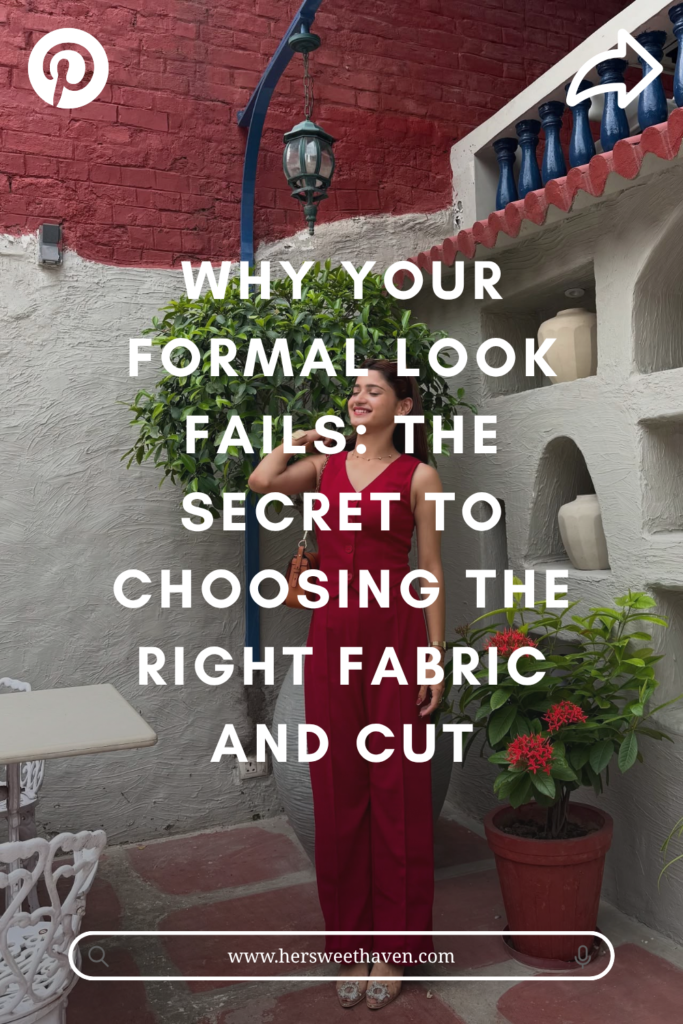
You picked a great silhouette. The color is perfect. But something still feels off. Nine times out of ten, the issue is fabric.
Satin vs. Chiffon vs. Velvet vs. Tulle
Each fabric behaves differently on the body, and the wrong match can undo all your other good decisions.
Satin delivers a smooth, luxurious drape and works well for structured silhouettes. It’s a go-to for fall and winter events. Chiffon is lightweight and floaty, perfect for spring and summer weddings where you want movement without bulk. Velvet adds rich texture and warmth, making it ideal for jewel-toned winter gowns. And tulle creates volume and drama, mostly seen in ball gown skirts.
In 2026, designers are also combining fabrics within a single dress (think: a satin bodice with a chiffon skirt), which gives you the best of both worlds.
How the Wrong Fabric Can Ruin a Great Silhouette
A mermaid dress in stiff satin will hug every curve beautifully. That same mermaid cut in thin polyester? It clings in the wrong places and loses its shape after an hour. Similarly, a flowing A-line in heavy velvet can look bulky instead of graceful. Always consider the weight and stretch of the fabric alongside the silhouette you’ve chosen. If you can, touch the fabric in person before committing. If you’re shopping online, read reviews that mention drape, transparency, and how it holds up after sitting.
How to Choose a Formal Dress on a Budget
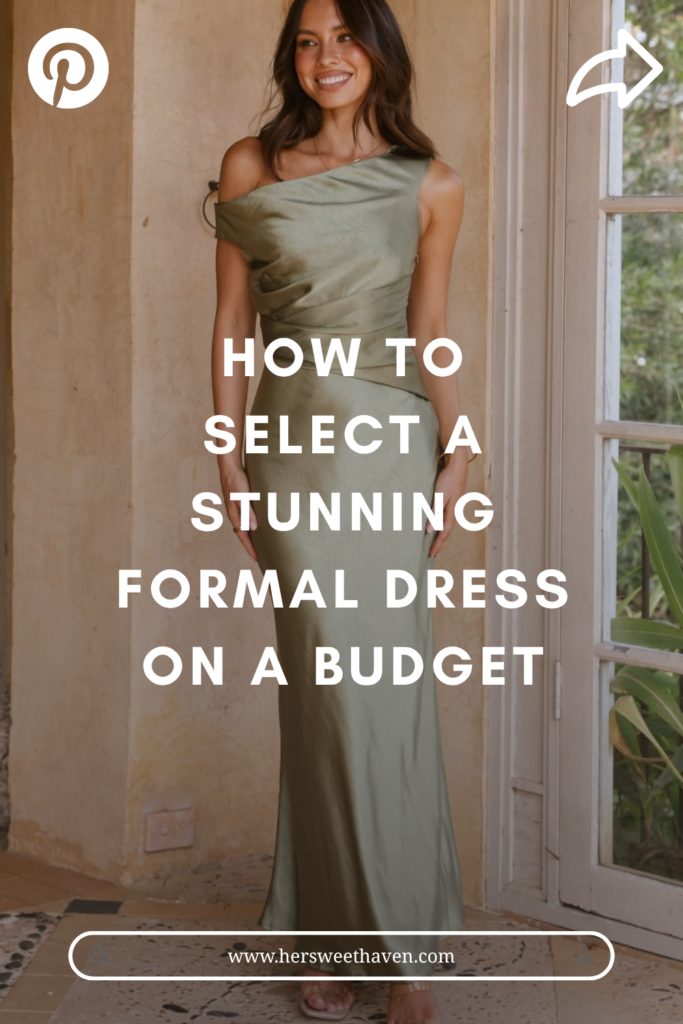
Good news: looking incredible at a formal event doesn’t require a massive budget. It requires a smart one.
Where the Real Savings Are
Quality formal dresses range from $100 to $500+, but you can find genuinely good options at every price point. Shopping online often gives you access to a much wider selection at lower prices compared to boutiques, since online retailers carry less overhead. Off-season shopping (buying a winter formal dress in spring, for example) can also save you 30 to 50 percent.
Renting is another smart option if you know you’ll only wear the dress once. Several rental platforms now carry designer pieces at a fraction of the retail price.
The Hidden Costs Most People Forget
Here’s where budgets go sideways. The dress itself is only part of the total cost. Factor in alterations ($50 to $150 is typical), shoes, a bag, undergarments that work with the neckline and back, and any jewelry you need. A good rule of thumb: budget an extra 30 percent on top of the dress price for everything else.
If that math gets tight, simplify. A well-fitted dress with minimal accessories will always look better than an over-accessorized outfit that blew your budget. Sometimes, pairing a simple formal dress with shoes and jewelry you already own is the smartest move.
How to Select a Timeless Formal Dress That Always Works
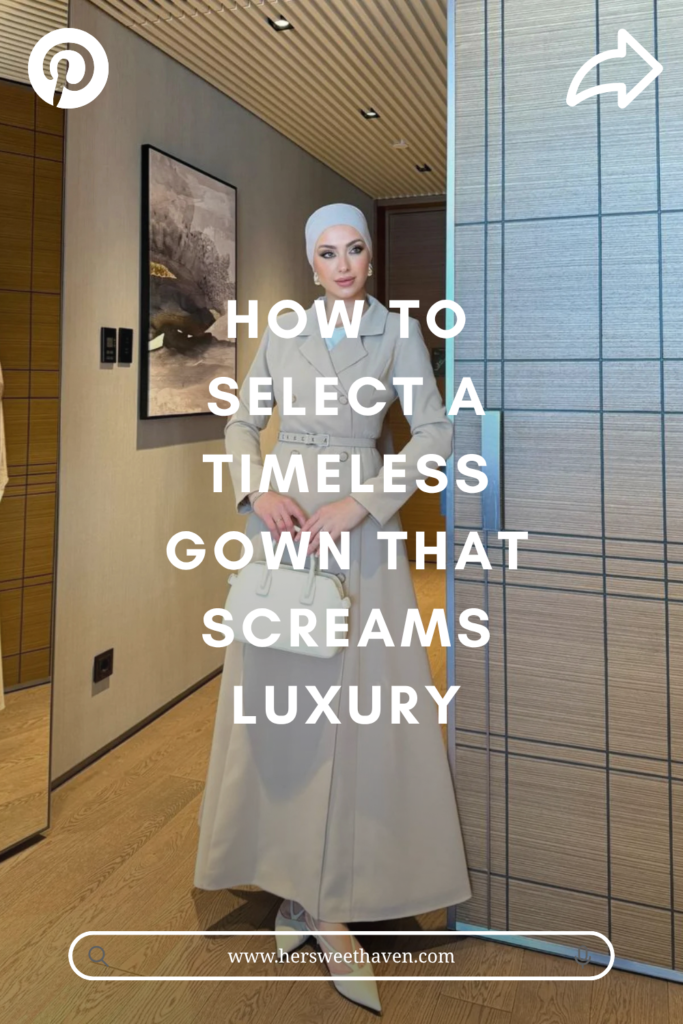
If you’re going to invest in one formal dress, make it one you can wear again.
Classic Silhouettes and Colors That Never Date
A-line, column, and wrap silhouettes have been flattering on every body type for decades. They’re not going anywhere. Pair one of those cuts with a classic color (black, navy, deep burgundy, champagne, or emerald) and you’ve got a dress that works for years.
The trick is keeping the details simple. Skip heavy embellishments or very trend-specific elements (like an extreme high-low hem or massive cutouts) if you want repeat wears. Clean lines, quality fabric, and a great fit are what make a dress feel timeless.
Getting More Than One Wear Out of a Single Formal Dress
This is where smart styling comes in. Swap your accessories, layer with different outerwear, or change your shoes, and the same dress reads completely differently. A silk dress with strappy heels for a wedding becomes a totally new look with ankle boots and a structured blazer for a dinner. If you need more ideas on building a versatile wardrobe, check out our guide on how to organize your closet so your best pieces are always easy to find and pair.
What Are the Most Flattering Formal Dress Silhouettes?
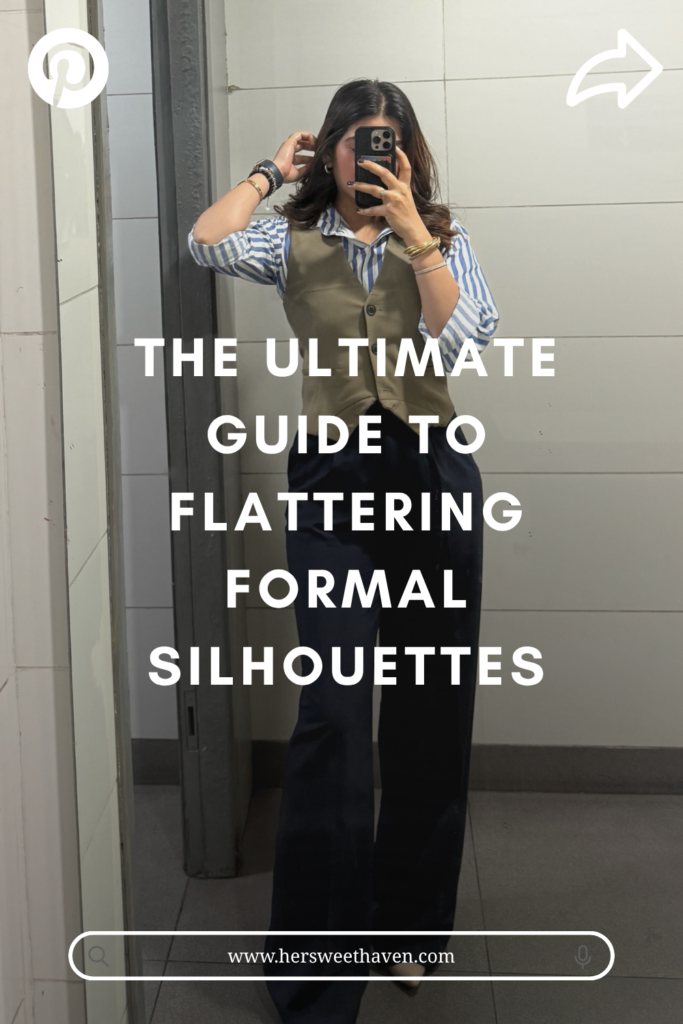
Not sure which shape to start with? Here’s a quick breakdown of the main silhouettes and where they work best.
A-Line, Mermaid, Column, Ball Gown, and Fit-and-Flare Compared
The A-line is the most universally flattering option. It fits at the waist and gently flares out, skimming hips and thighs. Great for almost every body type and event level.
The mermaid hugs your curves from chest to knee, then flares dramatically. It’s bold, it’s glamorous, and it works best on hourglass and lean frames. Fair warning: it’s not the easiest to dance in.
The column (or sheath) is sleek and straight, falling close to the body from shoulder to hem. It gives a modern, minimalist feel and works particularly well for taller frames.
The ball gown is full drama. Fitted bodice, voluminous skirt, and a presence that fills a room. Best for black-tie events and formal galas.
The fit-and-flare sits between the A-line and mermaid. It’s fitted through the torso and flows softly from the thigh. It’s forgiving, comfortable, and photographs well.
Matching Your Silhouette to Your Event
A ball gown at a casual garden wedding will feel out of place. A short cocktail dress at a black-tie gala will feel underdone. Match the volume and formality of your silhouette to the event. When in doubt, a floor-length A-line in a solid color is the safest bet for any formal setting.
What Formal Dress Trends Are Worth Following in 2026?
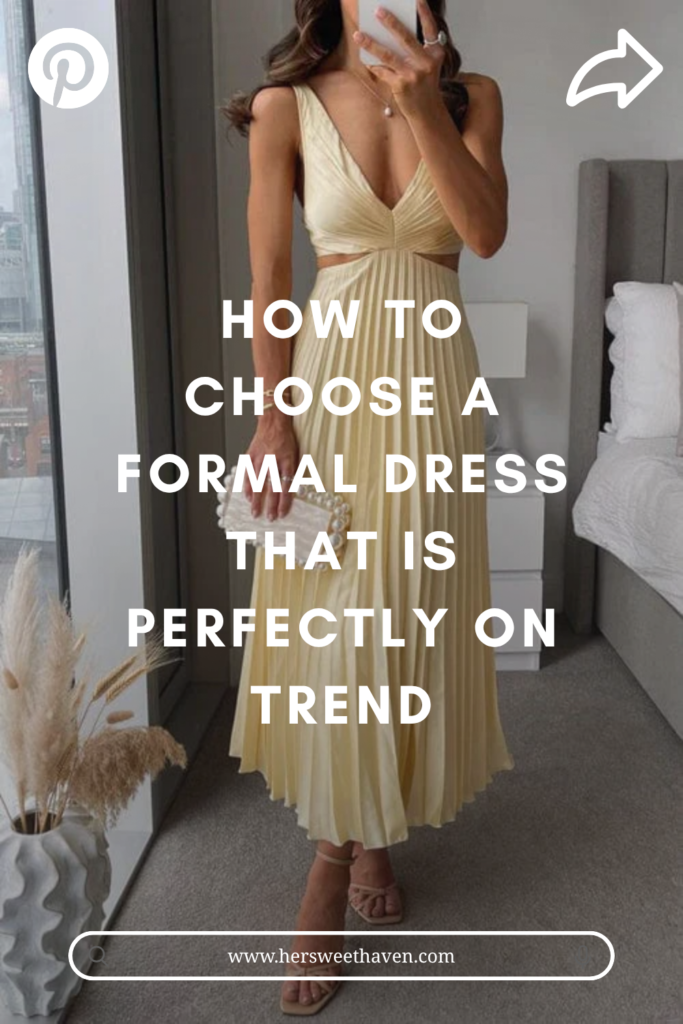
Trends are fun, but not all of them are worth chasing. Here’s what’s actually happening in 2026 and how to wear it without looking dated next year.
The Big Trends Right Now
Asymmetric necklines (especially one-shoulder) are everywhere this year. They add visual interest without extra accessories and give a modern edge to classic shapes. 3D floral appliques and sheer sleeves are also trending, adding texture and dimension to otherwise simple dresses.
Color-wise, deep jewel tones (emerald, sapphire, burgundy) are strong for fall and winter, while soft pastels and muted metallics (champagne, rose gold) are dominating spring and summer events. If you’re looking for more seasonal color inspiration, our early spring outfit ideas post covers the palettes that are working right now.
How to Wear a Trend Without Looking Dated
The rule is simple: pick one trending element and keep everything else classic. An asymmetric neckline on a timeless A-line dress? That works for years. A dress that combines sheer sleeves, 3D florals, an extreme high slit, AND a neon color? That screams 2026 and nothing else.
Trends should add personality to your look, not define it entirely.
How to Pick the Right Formal Dress for Any Event
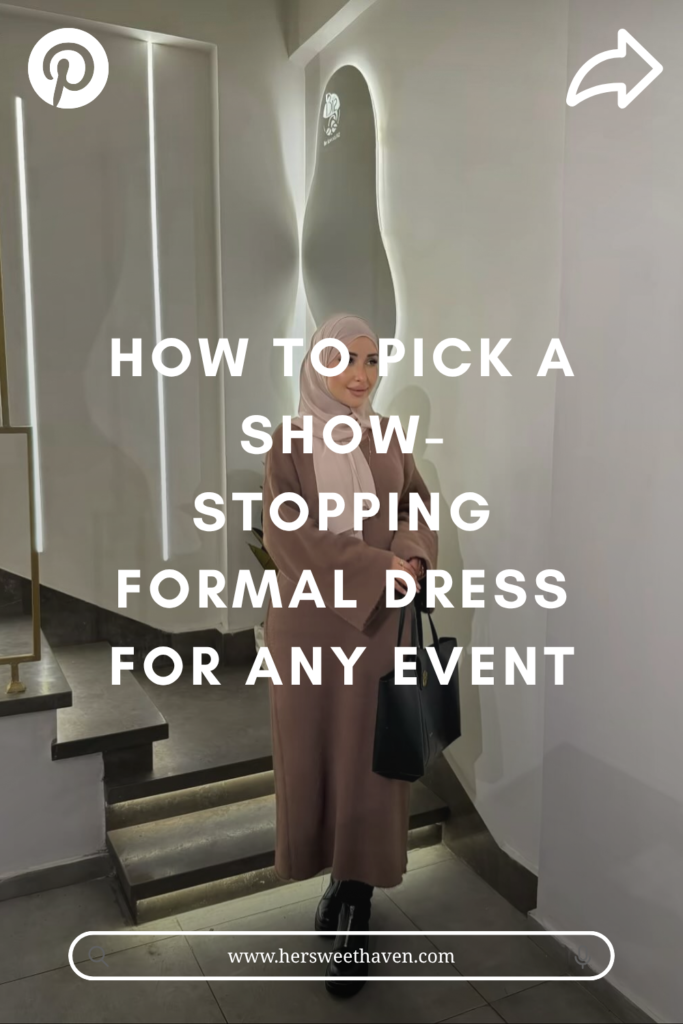
“Formal” means different things depending on where you’re going. Here’s how to read the room before you shop.
Black-Tie vs. Semi-Formal vs. Cocktail vs. Garden Wedding
Black-tie means floor-length gown, full stop. Think rich fabrics, darker palettes, and polished accessories. This is the most traditional formal dress code.
Semi-formal gives you more flexibility. A midi dress or a shorter cocktail-length dress in a good fabric works here. You can play with color and accessories more freely.
Cocktail attire is typically a knee-length or just-above-the-knee dress. Keep it polished but not overly dramatic. This is where a great little dress with statement shoes really shines.
Garden and outdoor weddings call for lighter fabrics and softer colors. Chiffon, light crepe, or cotton blends in floral prints or pastels are your best bet. Avoid heavy trains that catch on grass or gravel. If you need outfit ideas that bridge the gap between dressy and relaxed, our date night looks that turn heads post has some great crossover options.
For more modest dress codes (like a Sunday church event), look for higher necklines, cap sleeves, or a dress you can pair with a wrap or bolero.
A Quick “What to Wear” Cheat Sheet
Think of it like this: if the invite says “formal” or “black-tie,” go long and polished. If it says “semi-formal” or “cocktail,” go shorter and have fun with it. If it says “dressy casual” or “garden party,” go light and breathable. And if you’re ever unsure? A midi dress in a solid, rich color with simple accessories is almost always the right call.
Your Formal Dress, Your Rules
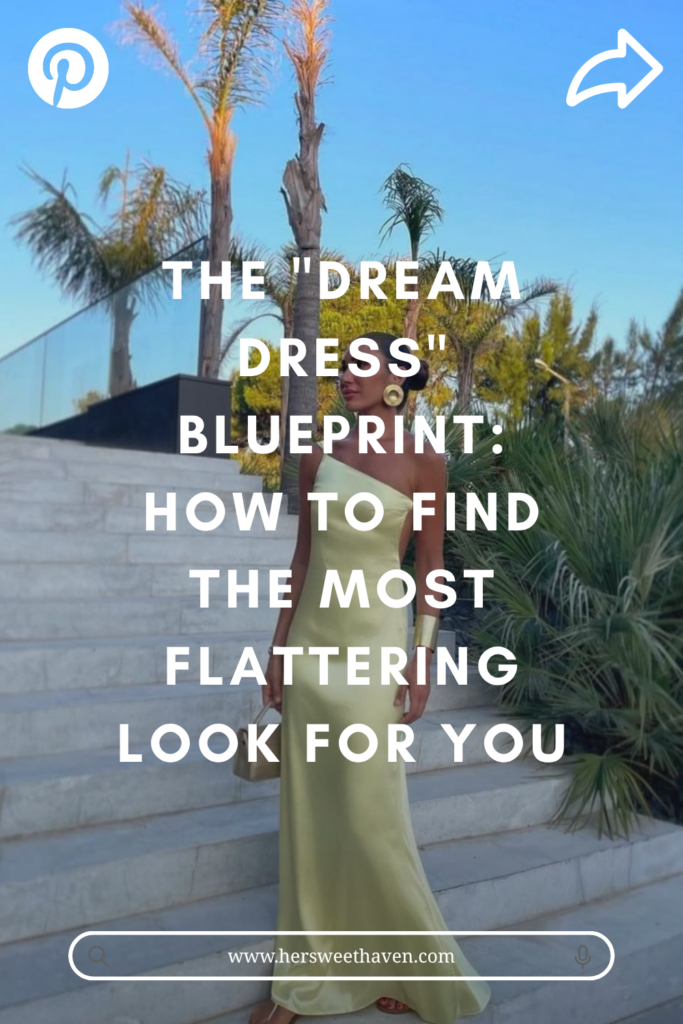
Picking the right formal dress comes down to four things: knowing your body, choosing the right fabric, respecting your budget, and matching the event. Get those four right, and everything else falls into place.
Don’t overthink trends. Don’t assume you need to spend a fortune. And definitely don’t buy a dress just because it looked good on someone else. The best formal dress is the one that makes you stand a little taller the second you put it on.
If this guide helped, save it for your next event. Share it with a friend who’s currently spiraling over what to wear. And drop a comment with your go-to formal dress tip. I’d love to hear what works for you.
Leave a Reply