
Some of the best home cinema setups out there were built in spare bedrooms, basement corners, and spaces no bigger than a walk-in closet. You don’t need a contractor or a tech degree. You need a plan, a realistic budget, and a clear idea of what makes a movie room actually feel like one.
Whether you’re working with a full room or just an awkward nook that’s been collecting storage boxes, this guide walks you through everything: room selection, seating, lighting, sound, decor, and the budget-friendly shortcuts that make a mini theater at home look like you spent way more than you did. Grab the popcorn. Let’s get into it.
Start With the Right Room (It Doesn’t Have to Be Big)
Before you buy a single piece of gear, pick the right space. This step alone can save you hundreds of dollars and a lot of frustration.
What Makes a Good Theater Room
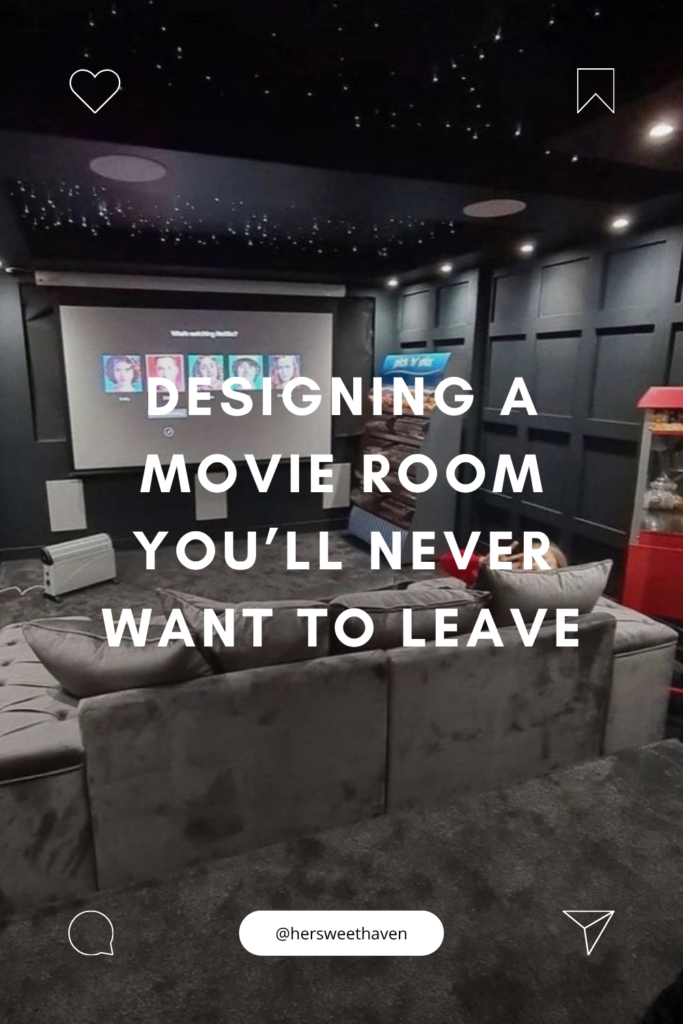
The ideal room is naturally dark, enclosed, and has a solid door. Fewer windows means less light to fight, and a closed-off space keeps sound from leaking into the rest of the house. Basements are a popular pick because concrete floors provide natural sound isolation, but a spare bedroom, a large closet, or even an alcove under the stairs can work too.
Some homeowners have converted rarely used corners of living rooms into dedicated viewing areas using curtains or room dividers. The point is: you don’t need a dedicated room. You need a dedicated plan.
Measure Before You Buy
Grab a tape measure and map out where the screen, seating, and speakers will go. Even a 10×10-foot room works if you plan the layout carefully. Leave enough distance between the screen and your seating for comfortable viewing (a good rule of thumb is 1.5 to 2.5 times the screen’s diagonal measurement). Sketch it out on paper first. It’s free, and it prevents expensive mistakes.
The Decor Checklist for a Mini Theater That Looks Legit

Decor is what separates „a room with a TV” from „a home theater.” And the good news is, most of it costs very little.
Dark Walls Set the Mood
Dark paint colors like charcoal, navy, and deep red absorb light instead of reflecting it, which reduces glare on your screen and creates that cozy, immersive atmosphere. Dark red is a classic theater choice for a reason: it tends to disappear in low light, so your eyes naturally focus on the screen. If full dark walls feel too heavy, try an accent wall behind the screen and keep the rest in a deep gray.
Personal Touches That Make It Yours
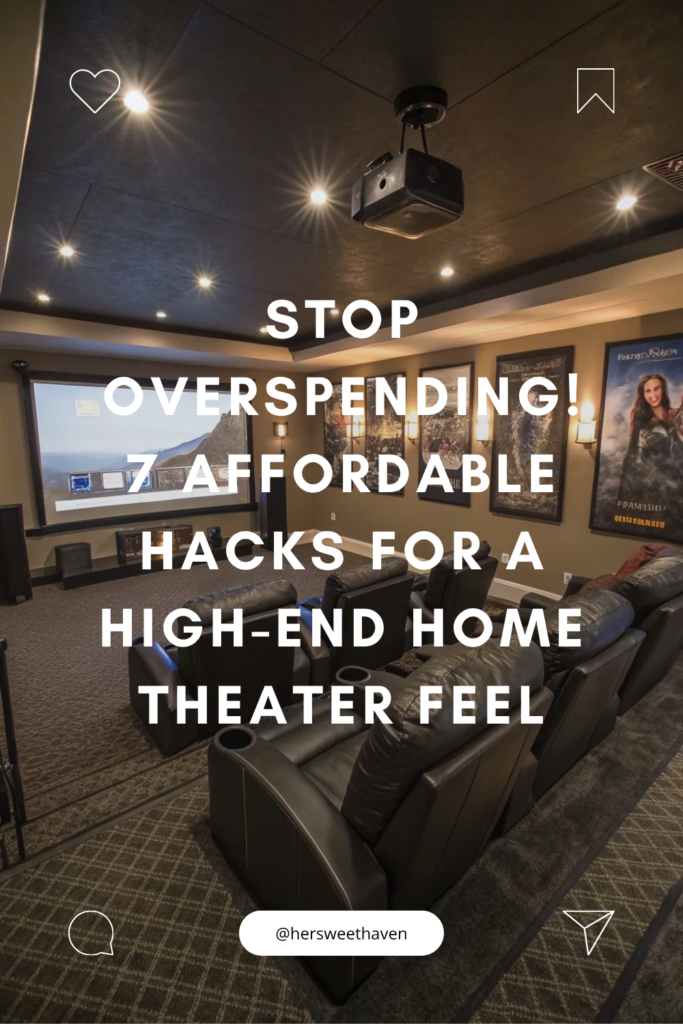
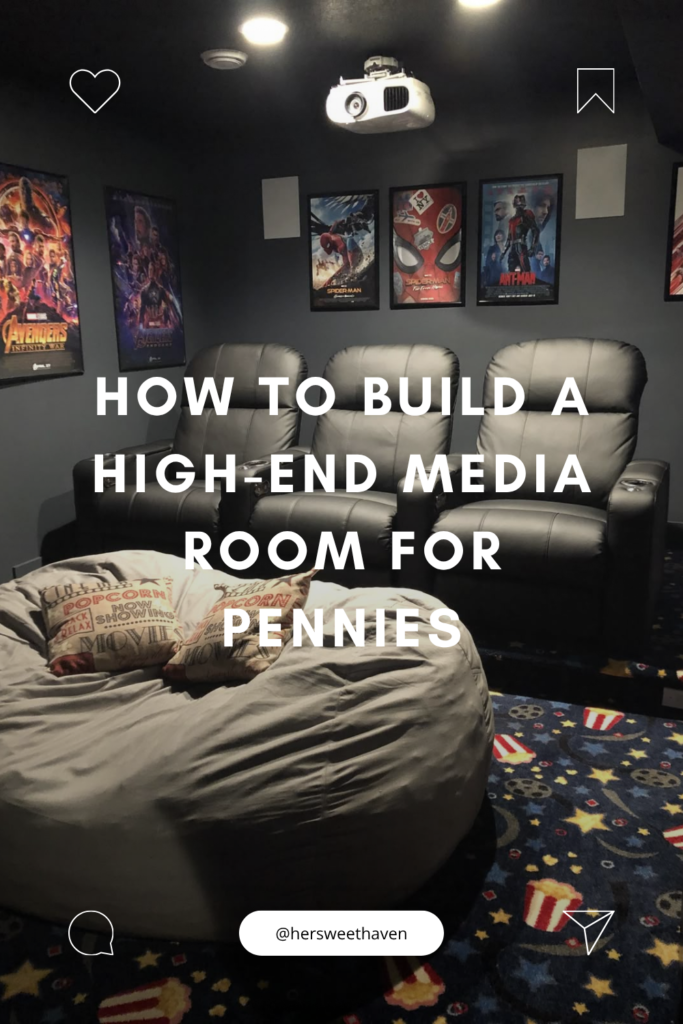
Frame your favorite movie posters. Add a „Now Showing” sign. Set up a small snack station with a mini fridge, a popcorn maker, and a few jars of candy. These finishing details are often the most loved part of any home theater setup, and they cost next to nothing compared to the tech.
If you love creating cozy, personalized spaces, you’ll find similar inspiration in our guide to building a cozy bedroom retreat.
What Design Elements Does Every Mini Theater at Home Need?

You can keep it simple or go all out, but every mini theater at home needs these core elements dialed in: a screen, comfortable seating, and smart lighting.
Screen or Projector: How to Decide
A TV is the easier option. It’s bright, sharp, and requires zero setup beyond plugging it in. But if you want that true cinema feel, a projector paired with a screen (even a DIY one) gives you a much larger image for the money. Modern short-throw projectors can display a huge picture even when placed close to the wall, which is perfect for smaller rooms.
For most mini theater setups, a projector in the $300 to $600 range paired with a simple fixed-frame or pull-down screen is the sweet spot between price and experience.
Seating That Fits Your Space
Theater-style recliners are the dream, but they eat up floor space fast. In a small room, a deep sectional sofa, a pair of oversized bean bags, or even floor cushions layered with throws can be just as comfortable. The key is lumbar support and enough room to stretch out. Modular seating that can be rearranged is a smart call for tight spaces where flexibility matters.
Lighting That Sets the Scene
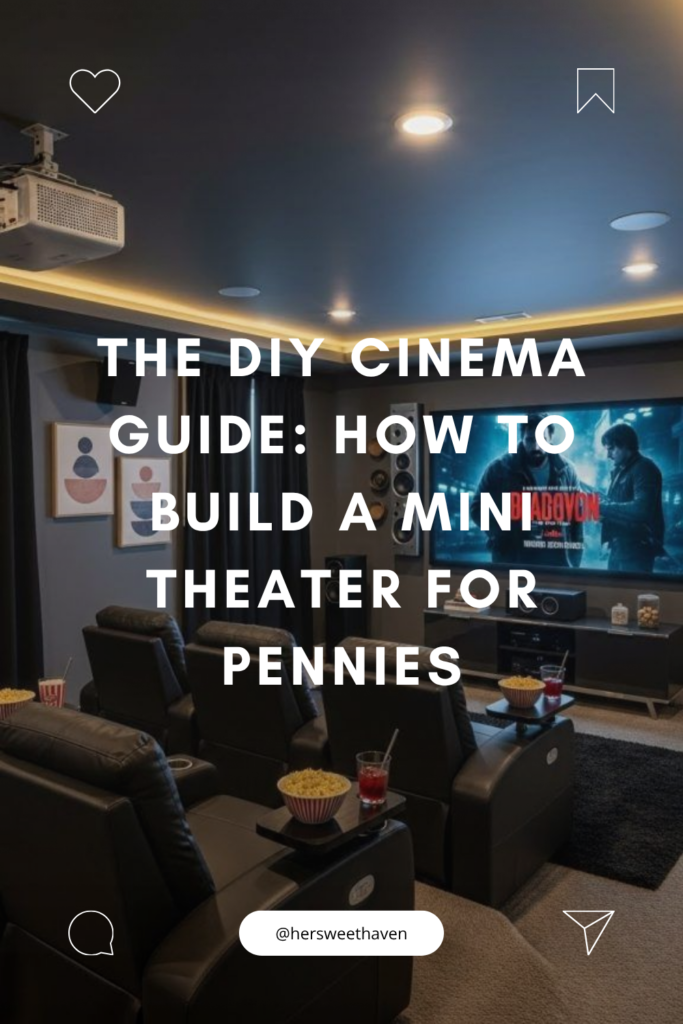
This is where cheap upgrades make a massive difference. LED strip lights along the ceiling edges or behind the screen create instant ambiance. Smart bulbs and dimmable sconces let you adjust the mood without getting up, and bias lighting (a soft glow behind the TV or screen) reduces eye strain during long viewing sessions.
How to Build a Mini Theater at Home on a DIY Budget
Here’s the thing: you don’t have to buy everything new, and you don’t have to buy everything at once. A DIY approach lets you build your theater over time without draining your wallet.
Build Your Own Projector Screen
A DIY projector screen is one of the easiest projects you can tackle. All you need is a wooden frame, white blackout cloth, a staple gun, and about an hour. Stretch the fabric tightly across the frame, staple it in place, and mount it to the wall. For extra contrast, add black felt or velvet trim around the edges. Total cost? Usually under $50.
If you want to skip the frame entirely, a smooth, flat wall painted with matte white paint works surprisingly well as a projection surface.
Secondhand Seating and Repurposed Furniture
Check local secondhand shops, estate sales, and online marketplaces for comfortable chairs or sofas. You’re not looking for matching theater seats. You’re looking for comfort. A deep, plush sofa from a thrift store often beats a cheap „theater recliner” from a big-box retailer. Add a cupholder pillow or a small side table and you’ve got the theater feel without the theater price.
Where to Save and Where to Spend
Save on decor, seating, and the screen. Spend a little more on your projector (or TV) and your sound setup. Those two things make the biggest difference in the actual viewing experience. Everything else is atmosphere, and atmosphere can be built on a budget. For more ideas on creating beautiful spaces without overspending, check out our patio decorating ideas on a budget.
Affordable Hacks That Make Your Home Theater Feel Expensive
You’d be surprised how many „luxury” theater details cost almost nothing to add.
Cable Management Changes Everything
Nothing ruins the look of a theater room faster than a tangle of cables running across the floor. Use cable conduits, raceways, or simple velcro ties to bundle and hide your wires. Run them along baseboards or behind furniture. This one step alone makes the room look twice as expensive.
Blackout Curtains Over Blinds
Heavy, dark curtains block light better than blinds, and they double as sound absorbers. Hang them wider than the window frame and let them pool slightly at the floor for a rich, theatrical look. Velvet or heavy cotton in black, navy, or burgundy gives you both function and style.
Layer Your Textures
Thick rugs on the floor absorb sound and add warmth. Throw blankets draped over seating make the space feel lived-in and inviting. Cushions in dark, moody tones pull the whole room together. These soft layers aren’t just decorative. They actually improve acoustics by reducing echo and sound reflection.
How Do You Create the Perfect Ceiling and Lighting?

The ceiling is one of the most overlooked parts of a home theater, but it can completely change the feel of the room.
Star Ceiling Panels and Fiber Optic Kits
Those starry night ceilings you see on Pinterest? They’re more accessible than you think. Fiber optic star ceiling kits are a popular DIY project that adds a dreamy, immersive touch to any theater. Most kits cost between $50 and $200 and can be installed in a weekend. Paint the ceiling black or very dark blue first for the best effect.
Choosing the Right Lighting Type
Recessed lights with dimmers give you full control over brightness levels. LED strip lights along the ceiling perimeter or behind shelving add a modern, ambient glow. Smart lighting systems from brands like Philips Hue let you change color and brightness from your phone and can even sync with what’s on screen for an interactive experience.
Avoid bright overhead lights. The goal is soft, directional lighting that guides your eye to the screen without flooding the room.
Does a Mini Theater at Home Need Soundproofing?
Short answer: yes. Even basic soundproofing makes a noticeable difference in how your theater sounds and how much (or little) it bothers the rest of the household.
Budget Soundproofing That Actually Works
You don’t need to rip out your walls. Acoustic foam panels are one of the cheapest options, and a basic pack runs under $20. Place them on the walls behind and beside your seating for the biggest impact on echo reduction. Thick rugs, heavy curtains, and even soft, padded furniture all contribute to better sound absorption.
Weatherstripping tape around doors and windows is another quick win. It seals gaps where sound escapes and blocks outside noise from creeping in. It takes minutes to install and costs a few dollars.
Where to Focus First
Start with the door (this is where most sound leaks). Then address the floor (add a thick rug if it’s hard surface). Windows come next (blackout curtains help here, too). Walls are last, and foam panels or even thick tapestries can do the job without a renovation.
The Minimalist Approach: Getting the Look Without the Clutter
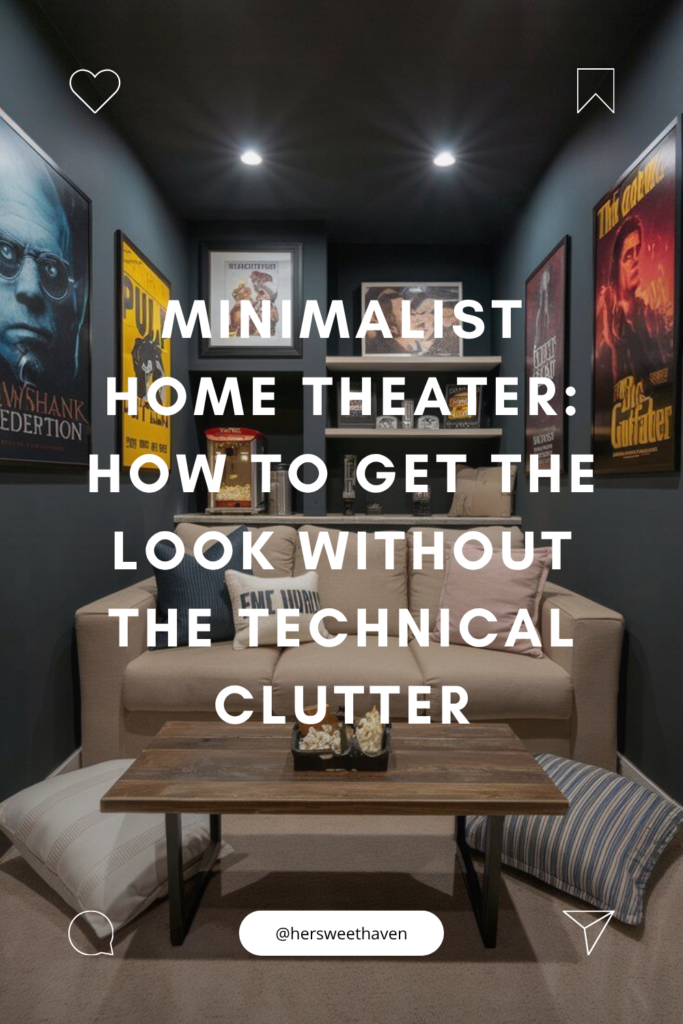
Not everyone wants a room packed with equipment and themed decor. If your style leans more clean and modern, a minimalist home theater can be just as impressive.
Go Wireless Where You Can
Wireless audio systems have improved dramatically and now deliver near-zero latency with strong sound quality. A good wireless soundbar or a set of wireless surround speakers eliminates the cable mess entirely. Pair that with a wall-mounted TV and you’ve got a setup that looks almost invisible when it’s off.
Wall-Mount Everything
Mount your TV, your speakers, and your shelves. Keeping everything off the floor creates the illusion of more space and gives the room a sleek, intentional feel. Floating shelves for remotes, controllers, and a few handpicked decor pieces keep things tidy without looking bare.
Use Multipurpose Furniture
Ottomans with hidden storage hold blankets and remotes. A low media console can double as a display surface. If you’re working in a tight space, every piece of furniture should earn its spot by doing more than one job. For more tips on keeping small spaces functional and clean, our closet organization guide is full of ideas that apply here too.
Your Cinema, Your Rules
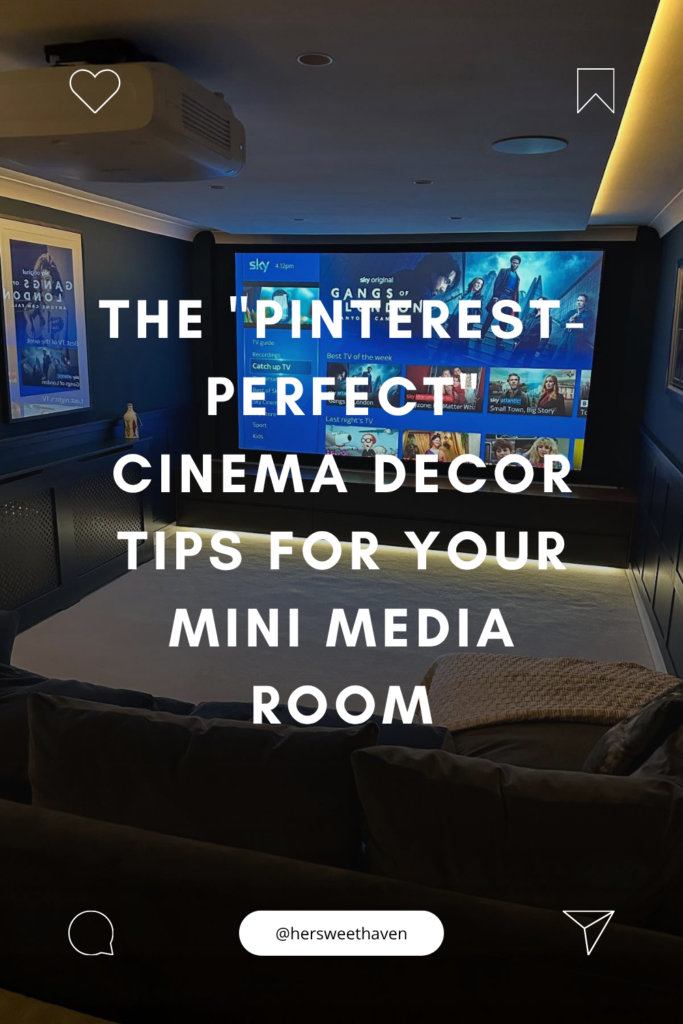
Building a mini theater at home doesn’t require a huge budget, a huge room, or a degree in audio engineering. It takes a plan, a little creativity, and the willingness to build it up one piece at a time.
Start with the room. Get the lighting right. Add comfortable seating. Layer in sound control and personal touches as you go. The best home theaters aren’t the ones with the most expensive gear. They’re the ones where you actually want to spend your Friday nights.
If this guide gave you some ideas, save it for later, share it with someone who’s been talking about building their own movie room, or drop a comment with your favorite home theater tip. I’d love to hear what you’re planning.