
Between the persistent local raccoons and the fact that my „coop” was essentially an old packing crate, I realized my feathered friends deserved so much better. I spent weeks researching, sketching, and eventually building a space that wasn’t just a cage, but a true extension of my home. If you’ve ever felt overwhelmed by the technical specs of predator proofing or frustrated that most coops look like weathered garden sheds, I’m here to tell you that you can absolutely have both safety and style.
In this guide, I’m going to share everything I learned during my journey to building the ultimate backyard sanctuary. We’ll look at how to blend „cozy productivity” with high-end design, ensuring your flock is happy while your backyard remains the envy of the neighborhood. You’ll learn about the structural must-haves for security, creative ways to use vertical space, and how to add those small, „romanticizing your life” touches like flower boxes and string lights that turn a chore into a joy.
Foundations of a Stylish and Secure Coop
When I first started looking at coop designs, I noticed a huge gap between the „fortress” style and the „cute” style. I didn’t want my yard to look like a high-security prison, but I also didn’t want to lose my favorite hens because I prioritized aesthetics over hardware. The secret is starting with a solid frame that uses high-quality lumber. I love the look of natural wood, as it blends into the garden landscape beautifully. Using a clear sealant instead of a heavy, dark stain can keep that „farm-fresh” look while protecting the wood from the elements.
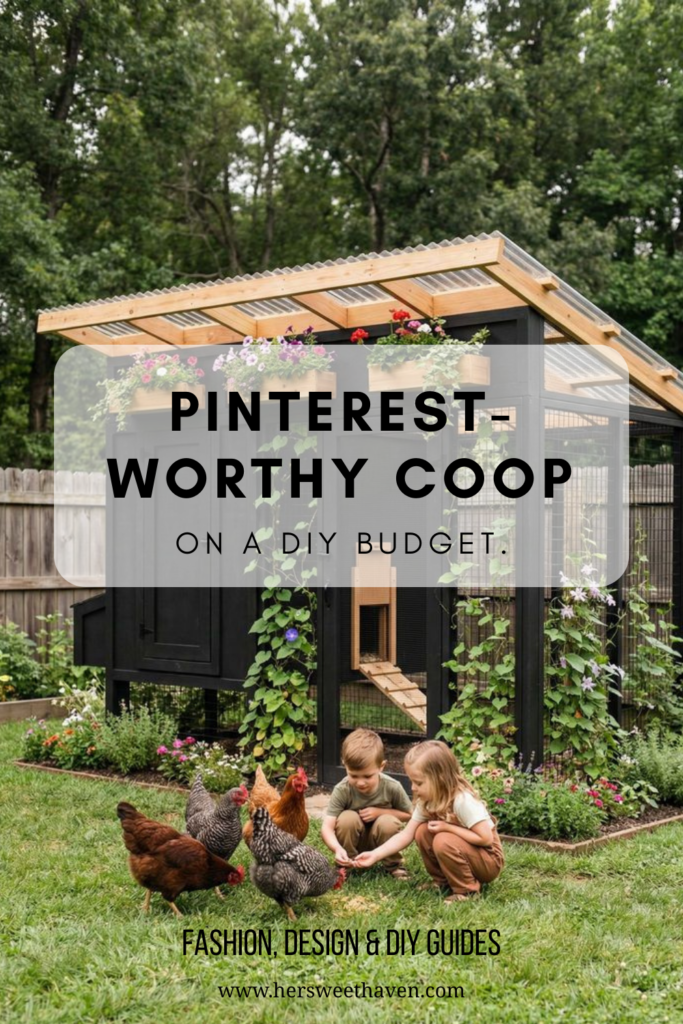
One of the best design choices I made was incorporating a „farmhouse” aesthetic with a modern twist. Think about using a crisp, dark paint for the main structure, like a deep charcoal or even a matte black, and then accenting it with natural wood trim. This creates a high-contrast look that feels very intentional and architectural. I’ve found that adding a corrugated roof, perhaps in a clear or translucent material, allows for plenty of natural light to filter through. This doesn’t just look great; it keeps the interior from feeling like a dark cave, which is much better for the health of your chickens.
Safety, of course, is the non-negotiable part of this journey. You should always opt for heavy-duty hardware cloth rather than standard chicken wire. Most people don’t realize that chicken wire is actually designed to keep chickens in, not to keep predators out. A determined fox or raccoon can tear through thin wire in seconds. By burying the hardware cloth at least a foot into the ground or creating a „skirt” around the perimeter, you prevent digging predators from getting a foothold. It’s these small, invisible steps that provide the most peace of mind when you’re heading to bed at night.
Maximizing the Run: Vertical Space and Enrichment
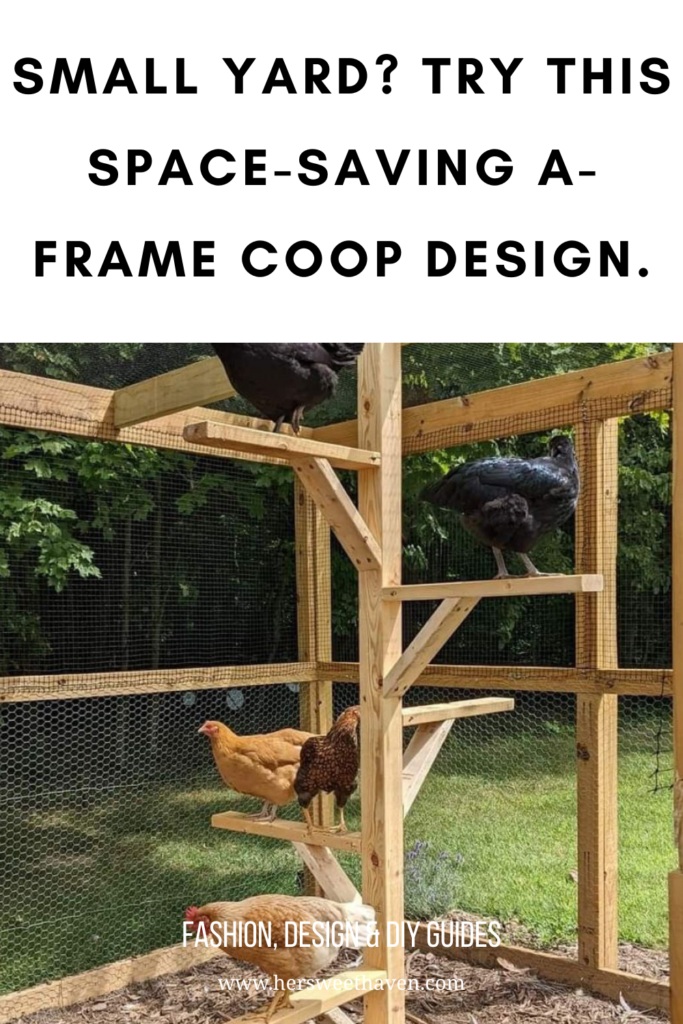
Chickens are naturally curious and surprisingly active creatures. If they’re cramped in a small, flat space, they can get bored and start pecking at each other, which is never a fun situation to manage. I found that the best way to keep them entertained while maximizing a smaller backyard footprint is to think vertically. Instead of just giving them floor space, I started building „chicken gyms” inside the run.
Think about installing various levels of perches at different heights. You can use sturdy branches for a rustic look or smooth 2x4s for a more modern feel. I noticed my girls absolutely love jumping from platform to platform. It gives them a sense of security to be high up, and it doubles their usable space without taking up more of my lawn. I even added a small „stairs” system leading up to their coop entrance, which looks adorable and is very practical for older hens who might struggle with a steep ramp.
Another tip I swear by is creating „interest zones” within the run. This could be a dedicated dust bath area filled with a mix of sand and wood ash, which helps them stay clean and parasite-free. You can frame this area with old logs to keep it looking natural and stylish. I also recommend adding some hanging treats, like a head of cabbage or a bunch of herbs, to keep them occupied during the day. It turns their environment into a playground, and watching them „play” is one of the most relaxing parts of my day.
The Little Details: Decorating for Your Own Joy
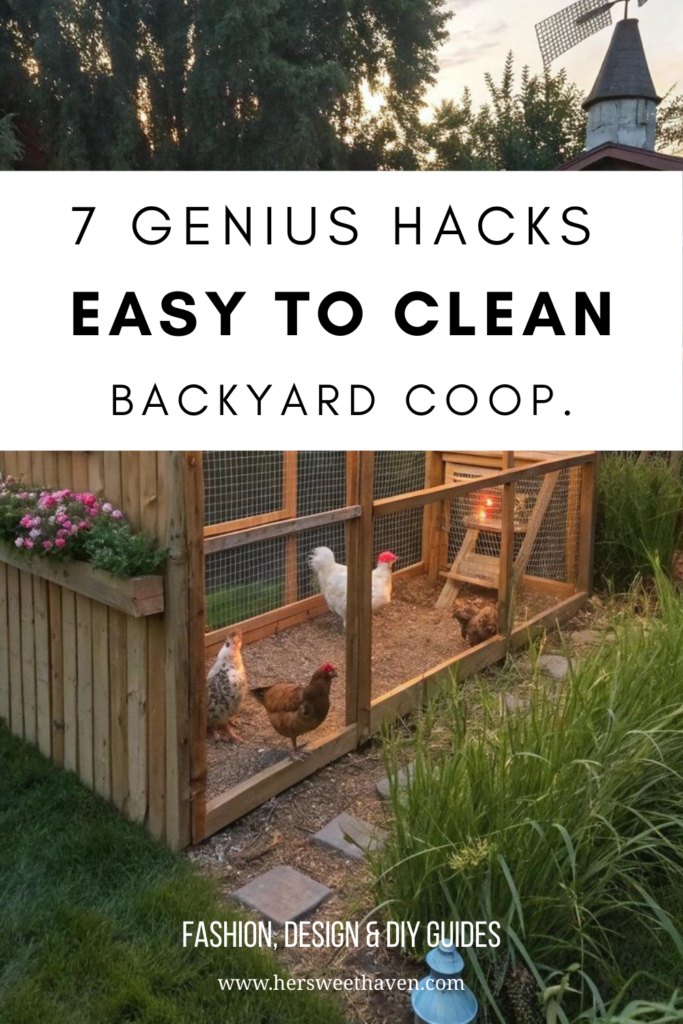
Let’s be honest, part of the fun of having a backyard coop is the „cuteness factor”. We often focus so much on the chickens’ needs that we forget we’re the ones looking at the coop every single day from our kitchen window. Adding personal touches can turn a functional structure into a piece of garden art. I started by adding wooden planter boxes to the exterior of my coop. I fill them with petunias or nasturtiums, which are actually safe for chickens if they happen to sneak a peck. It adds a pop of color and makes the coop look like a tiny, charming cottage.
Lighting is another area where you can really „romanticize” the experience. I draped some solar-powered Edison bulbs along the roofline of the run. They turn on automatically at dusk and cast a warm, golden glow over the yard. It makes the evening chore of „locking up” feel much less like a task and more like a cozy ritual. Inside the coop, a small, battery-operated lantern can provide just enough light for you to check on them without startling them with a bright flashlight.
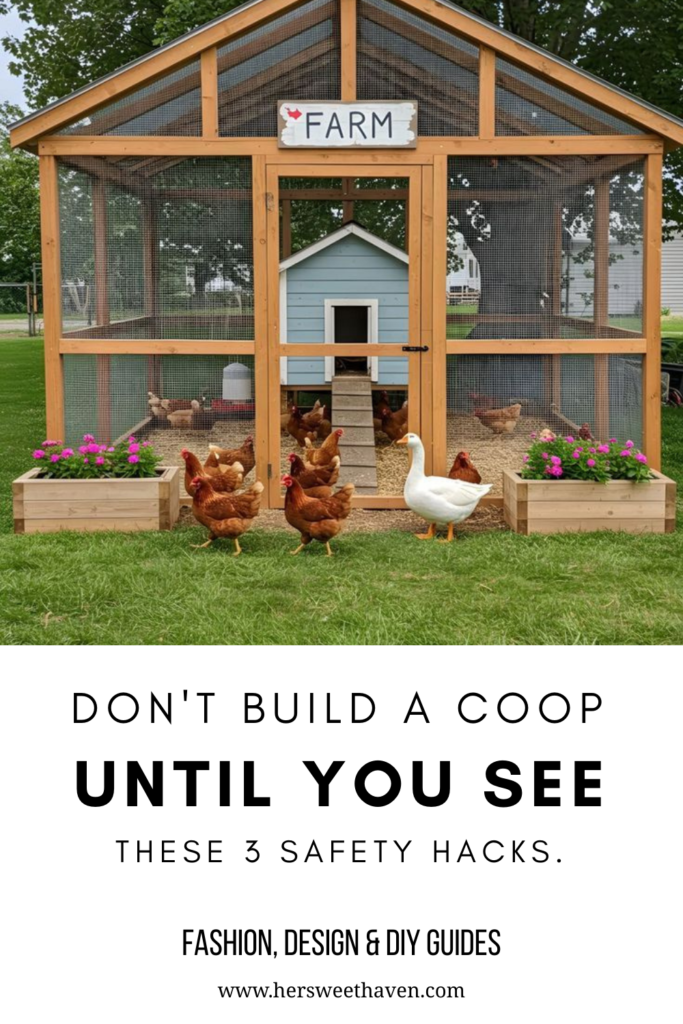
Don’t be afraid to add some signage, too. A simple „Farm” or „The Hen House” sign made from reclaimed wood adds so much character. I’ve even seen people add miniature weather vanes or decorative shutters to the windows. These things don’t cost much, but they make the space feel loved. When you put that much effort into the design, you’re not just building a coop; you’re creating a lifestyle that celebrates the joy of being a little bit more self-sufficient.
Integrating the Coop into Your Garden
Finally, think about how the coop sits within your overall garden design. I made the mistake of just „plunking” my first coop in the middle of a grass patch, and it looked very out of place. Now, I use landscaping to ground the structure. Planting tall grasses or lavender around the base of the run can soften the hard lines of the wood and wire. Plus, lavender smells amazing and can actually help deter some pests.
I also highly recommend using stepping stones or a gravel path leading to the coop door. Trust me, during the rainy season, you will be so grateful you aren’t trudging through mud every morning to get those fresh eggs. Flat stones or pavers look beautiful and keep your boots clean. You can even grow climbing vines, like jasmine or clematis, up the sides of the run. Just make sure you choose non-toxic varieties so your chickens stay safe if they decide to sample the foliage.
Practical Advice for Your Coop Journey
If you’re feeling a bit overwhelmed, take a deep breath; I’ve been there too. My biggest piece of advice is to build your coop a little bit larger than you think you need. The „chicken math” phenomenon is very real, and you’ll likely want to add a few more hens to your flock once you see how much fun they are. A cramped coop leads to stress and health issues, so giving them extra room is the kindest thing you can do.
Another pro tip is to prioritize ease of cleaning. I designed my coop with a „dropping board” under the roosting bars. I can just scrape it clean in about thirty seconds every morning, which keeps the smell down and the coop healthy. Also, make sure your nesting boxes are accessible from the outside of the coop. There is nothing more frustrating than having to crawl inside a small space just to grab two eggs.
Lastly, don’t forget about ventilation. While you want the coop to be draft-free in the winter, you need constant airflow to prevent moisture buildup, which can lead to respiratory issues for the birds. I installed small vents near the roofline, protected by hardware cloth, to keep the air moving. It’s about finding that balance between a cozy home and a healthy environment.
Summary
Designing a chicken coop is a wonderful way to blend functionality with your personal style. By focusing on high-quality materials, predator proofing with hardware cloth, and utilizing vertical space for enrichment, you create a safe and happy home for your flock. Adding those „friend-level” details like planter boxes, string lights, and thoughtful landscaping ensures the coop becomes a beautiful part of your backyard oasis rather than just a chore. Remember, it’s the small, daily efforts and the little „commandments” of care that lead to the most rewarding results.