Subtle hair color puts a fun shade on a small part of your hair instead of the whole head: a hidden layer underneath, a few strands at the front, the last few inches of the ends. You get the blue, pink or green you’ve been eyeing, and you keep the option of hiding it on a Monday morning or cutting it off when you’re bored. Pick by how much commitment you’re ready for: every one of these is a subtle hair color you can grow out, cut off or wash away.
The low-commitment methods, from easiest to hide to most visible
Each step down this list trades a little hiding power for a little more subtle color on show. None of them needs your whole head colored.
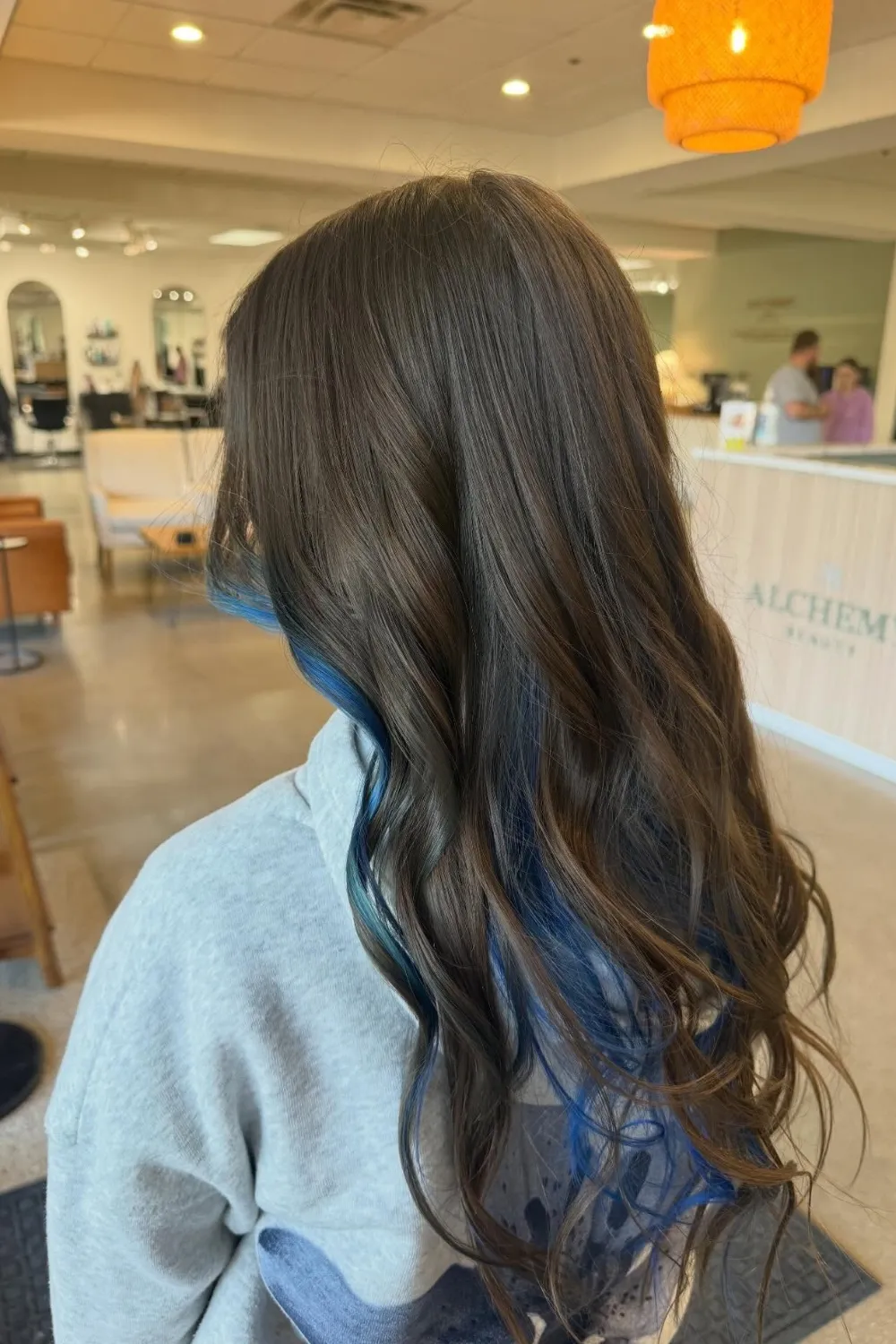
1. Peekaboo or underlayer color
The color goes on a section of hair at the nape and behind the ears, under the top layer. Wear your hair down and straight, and almost nobody sees it. Tuck it behind your ears, pull it into a half-up style or a high ponytail, and the color shows up. That on-and-off quality is why the underlayer is the easiest subtle hair color to live with at work, and the easiest to cover later: if you change your mind, only one hidden section needs a darker shade over it.
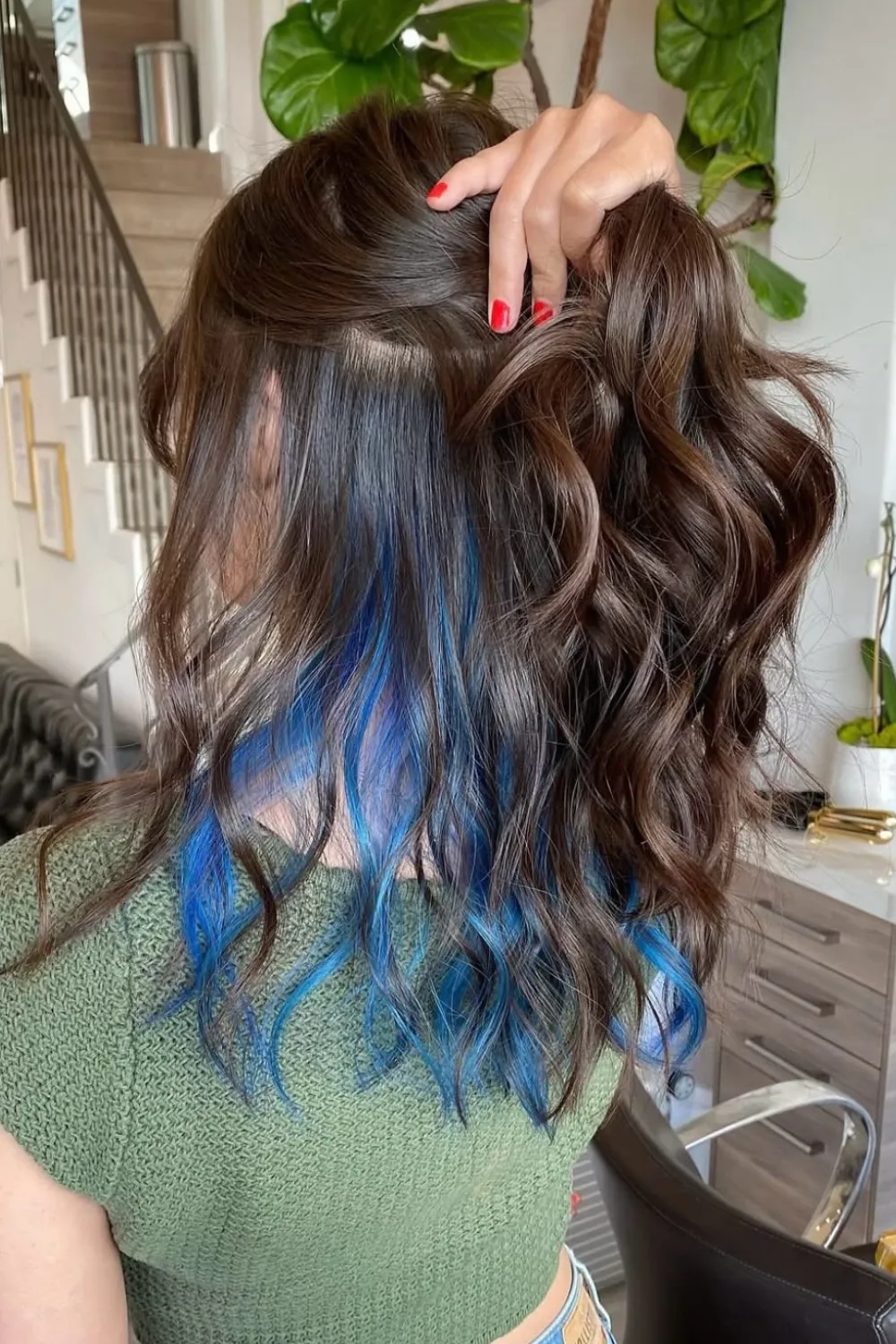
Placement decides how much you see. A thin strip under the top layer stays almost invisible; a wider panel that reaches up toward the crown flashes through every time you move. Layers help too. With an easy layered haircut, the shorter pieces let small slices of the underlayer peek through even when your hair is down.
2. A hidden contrast underlayer
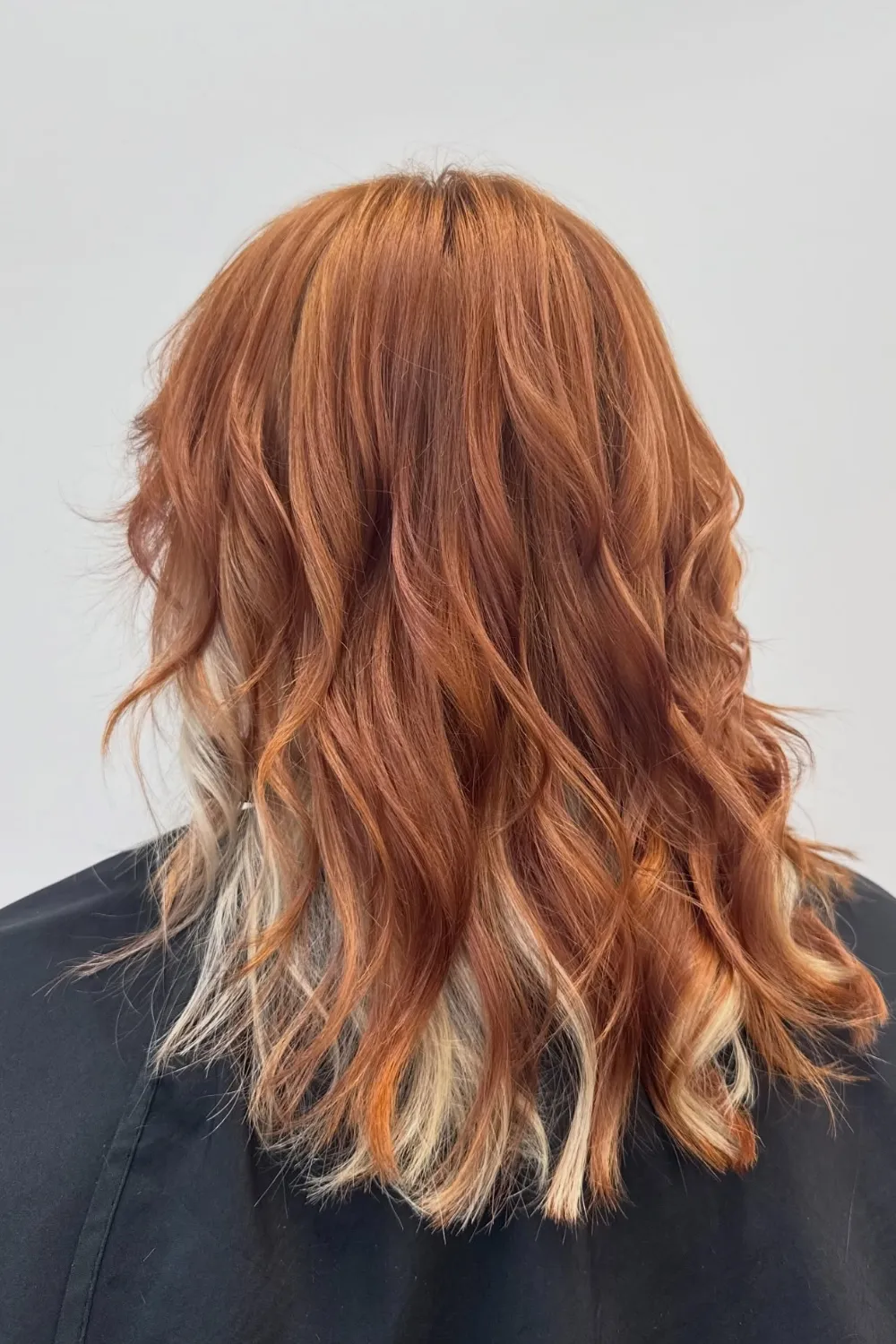
Not every underlayer has to be a fantasy shade, and this is the quietest subtle hair color in the whole list. A natural color that simply contrasts with the top layer, like blonde under copper or dark brown under light blonde, gives the same peekaboo effect with zero chance of looking out of place at a family dinner. If bright colors feel like too big a step, this is the version I’d try first, since it teaches you how much you like seeing a second color in your hair.
3. Ghost roots
Ghost roots are a soft tint on the root area, usually a pastel or a muted shade, that fades into your own color with no hard line. Because the tint sits at the scalp and blends down, regrowth doesn’t create the stripe you get with all-over color. It works best on light hair, where a pale lavender or rose tone reads clearly, and it’s easy to brush off as a trick of the light if someone at the office asks. Of all the subtle hair ideas here, ghost roots grow out the most gracefully, since they leave no edge to outgrow.
4. Money piece and streaks
A money piece is a brighter section at the front of the hair, right where it frames the face. Streaks take the same idea and scatter a few thin colored pieces through the top layer. Both are more visible than an underlayer because they sit where people look, so this is where subtle colored hair starts to become a statement. Green streaks through blonde or subtle pink highlights around the face show up in every photo, and they pair well with curtain bangs, since the bangs frame exactly the strands you colored.
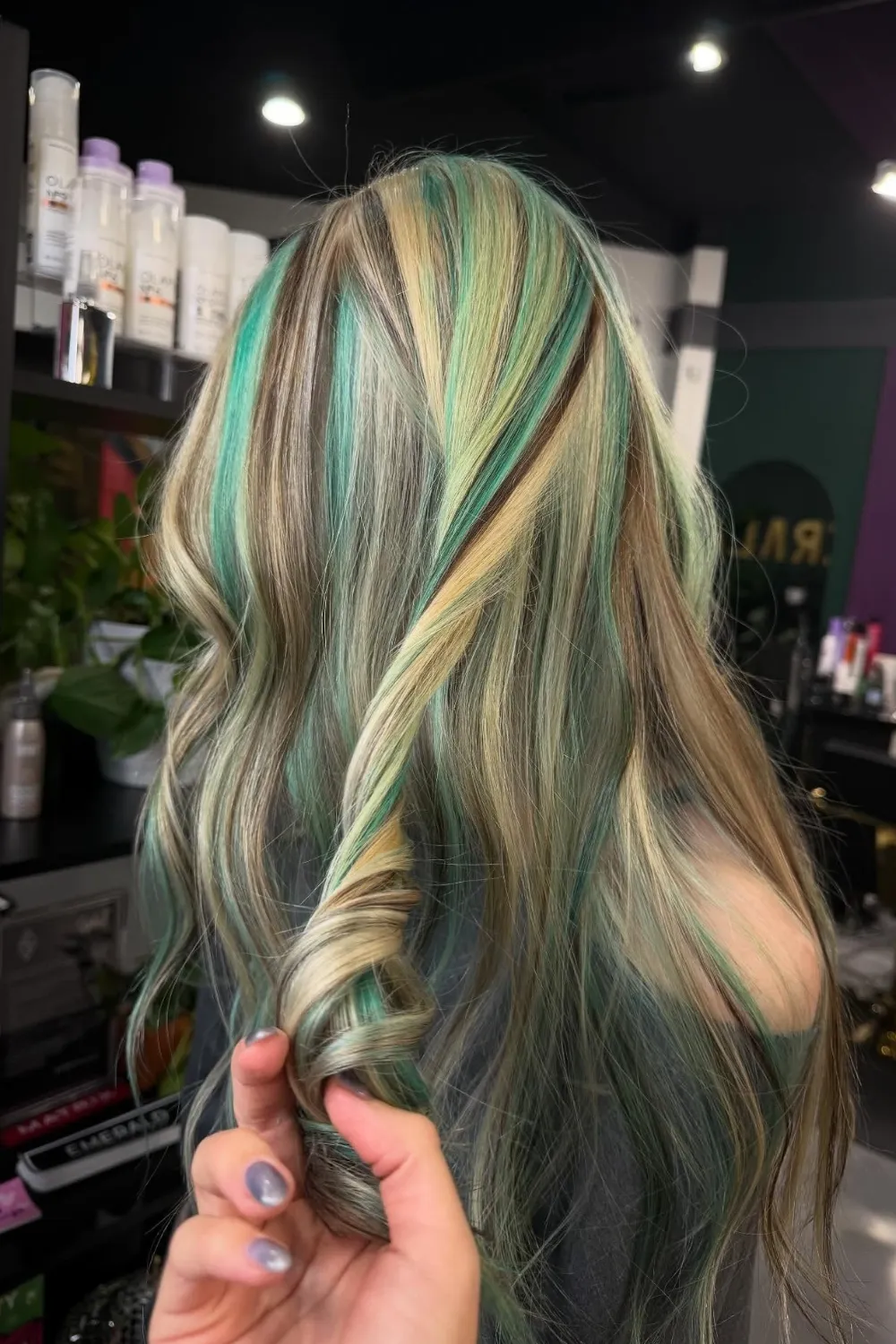
The tradeoff is upkeep. Front pieces get touched, washed and heat-styled more than anything else on your head, so they fade first.
5. Dipped tips
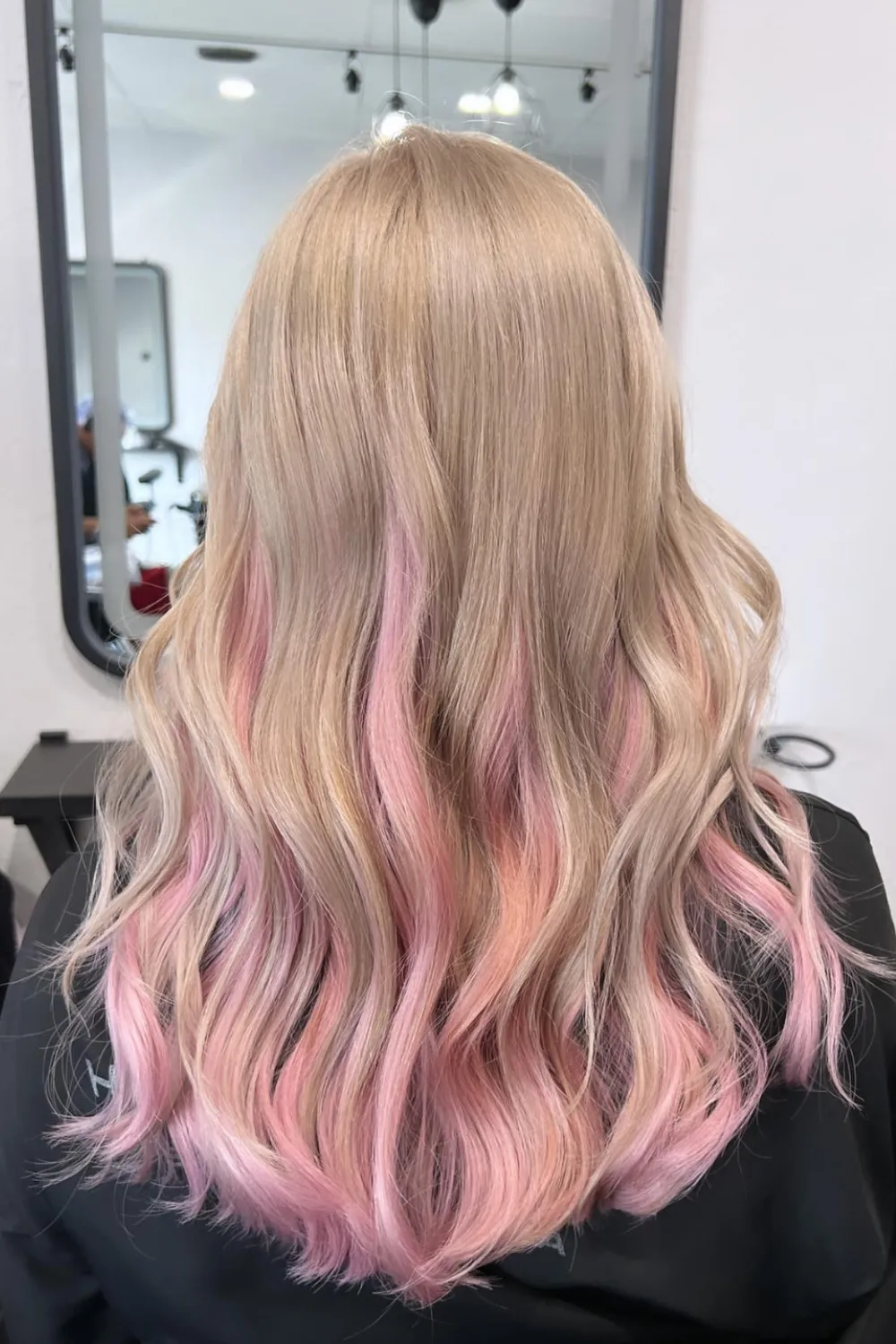
Dipped tips color only the ends, usually the last two to four inches. On blonde hair, subtle pink hair at the ends looks soft and a little playful, and the exit plan couldn’t be simpler: a haircut. That also makes tips the best subtle hair test run if you’ve never had a fun color before. Ask for the color to start below the shoulders if you want to keep it out of sight in a low bun. The downside is that tips are always visible, so they don’t hide for work the way an underlayer does.
6. Color melt and gloss
A color melt blends two or three tones together, usually deeper at the root and lighter toward the ends, with no visible line between them. A gloss is a sheer layer of color over the whole head that adds a tint and some shine. Both cover all your hair, so they’re the most visible options here, but they’re also the gentlest in tone: a dusty rose over brown or a pale pink wash over light hair looks more like a filter than a dye job.
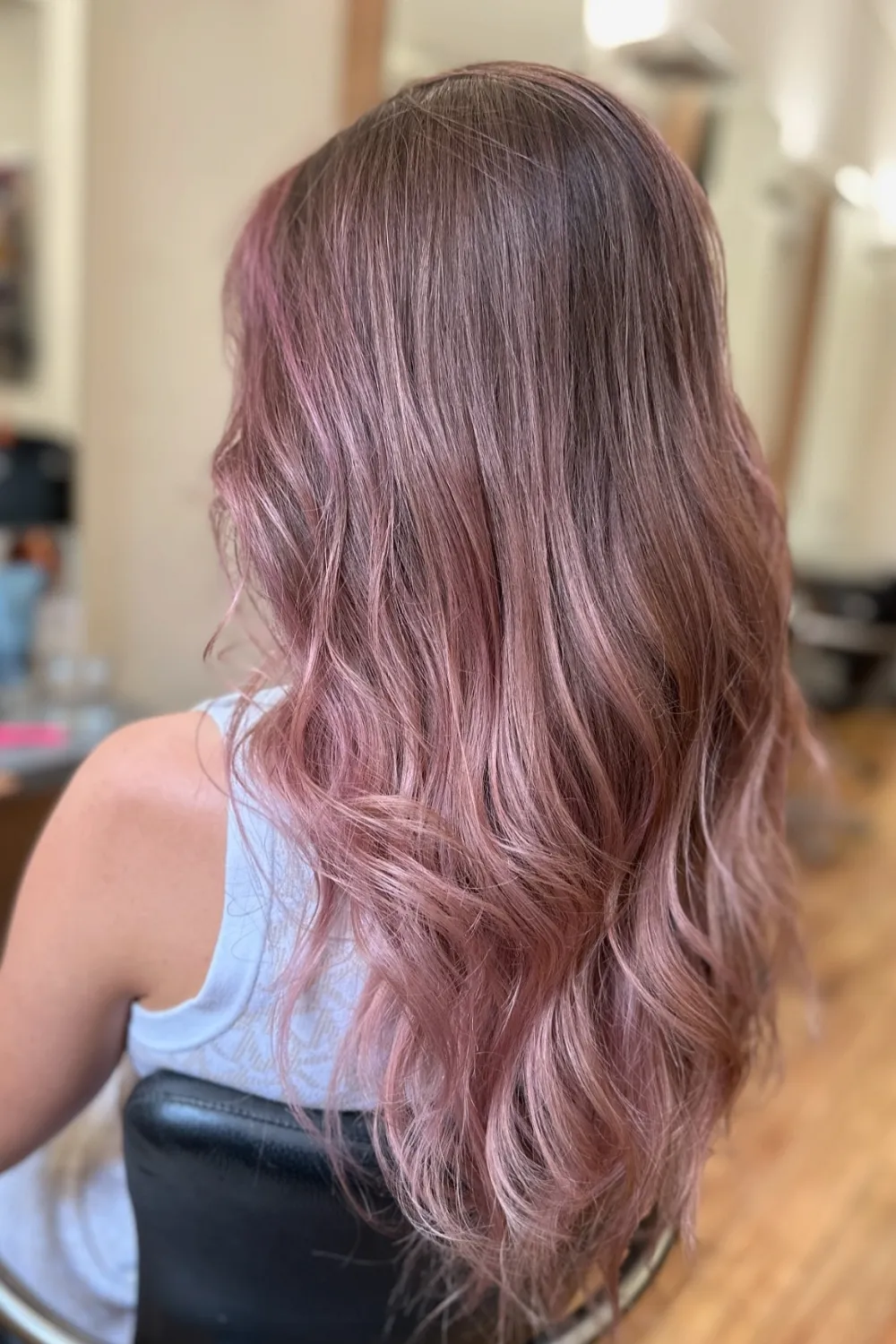
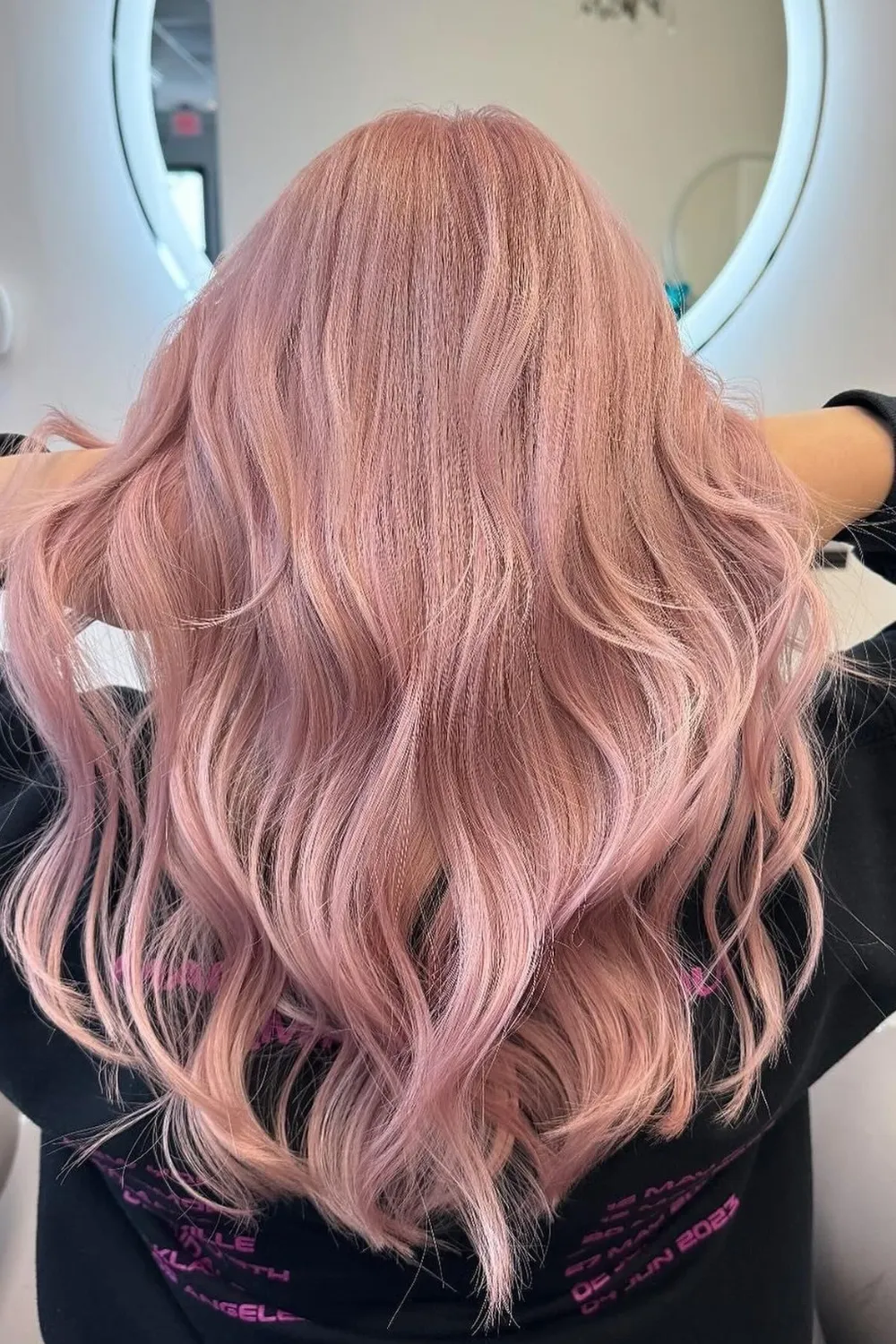
A gloss also fades the fastest, which is either a plus or a minus. If you want a subtle color that leaves on its own in a few weeks, it’s the one to book.
Which subtle hair color suits your base shade?
Your natural color decides which shades show up and which disappear.
On brunettes, deep shades win. Subtle blue hair, from cobalt to a dark teal, stands out against brown, though on very dark hair even a deep blue usually needs some lightening first to show as more than a tint in the sun. Subtle red hair works the same way: raspberry, magenta and cherry tones read clearly on dark hair and blend into it as they fade. Pastels are a different story on dark hair, because a pale shade needs a light base to show at all. If you’d rather go red all over, these burgundy hair shades for fall run from cherry cola to black cherry.
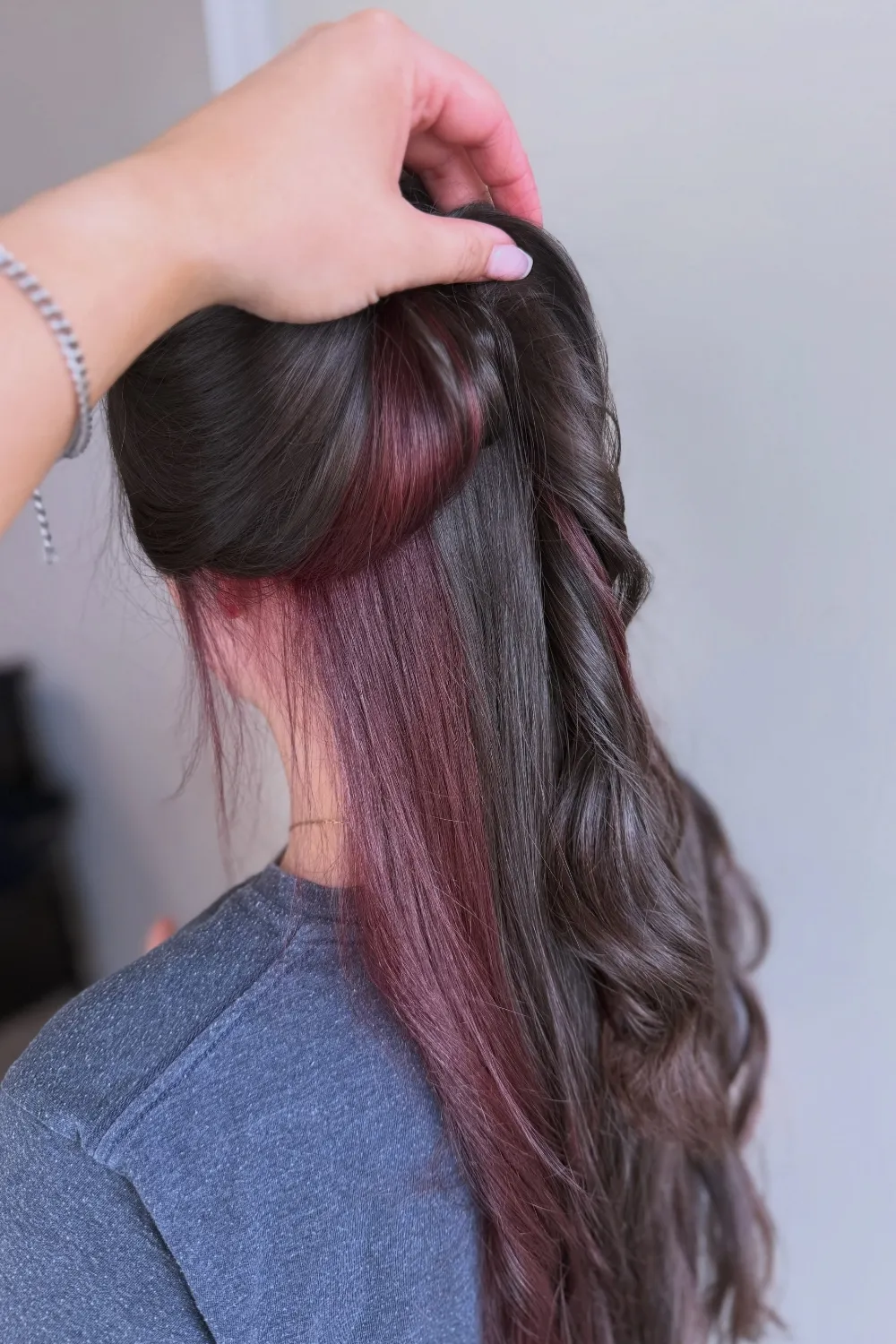
On blondes, almost every pastel works. Pink, mint, lavender and subtle purple hair show up true to the tube on light hair, and green looks especially good as an underlayer between blonde pieces. If you’re very light blonde, keep in mind that the color will grab fast and look brighter than the swatch, so a quick first application is usually enough.
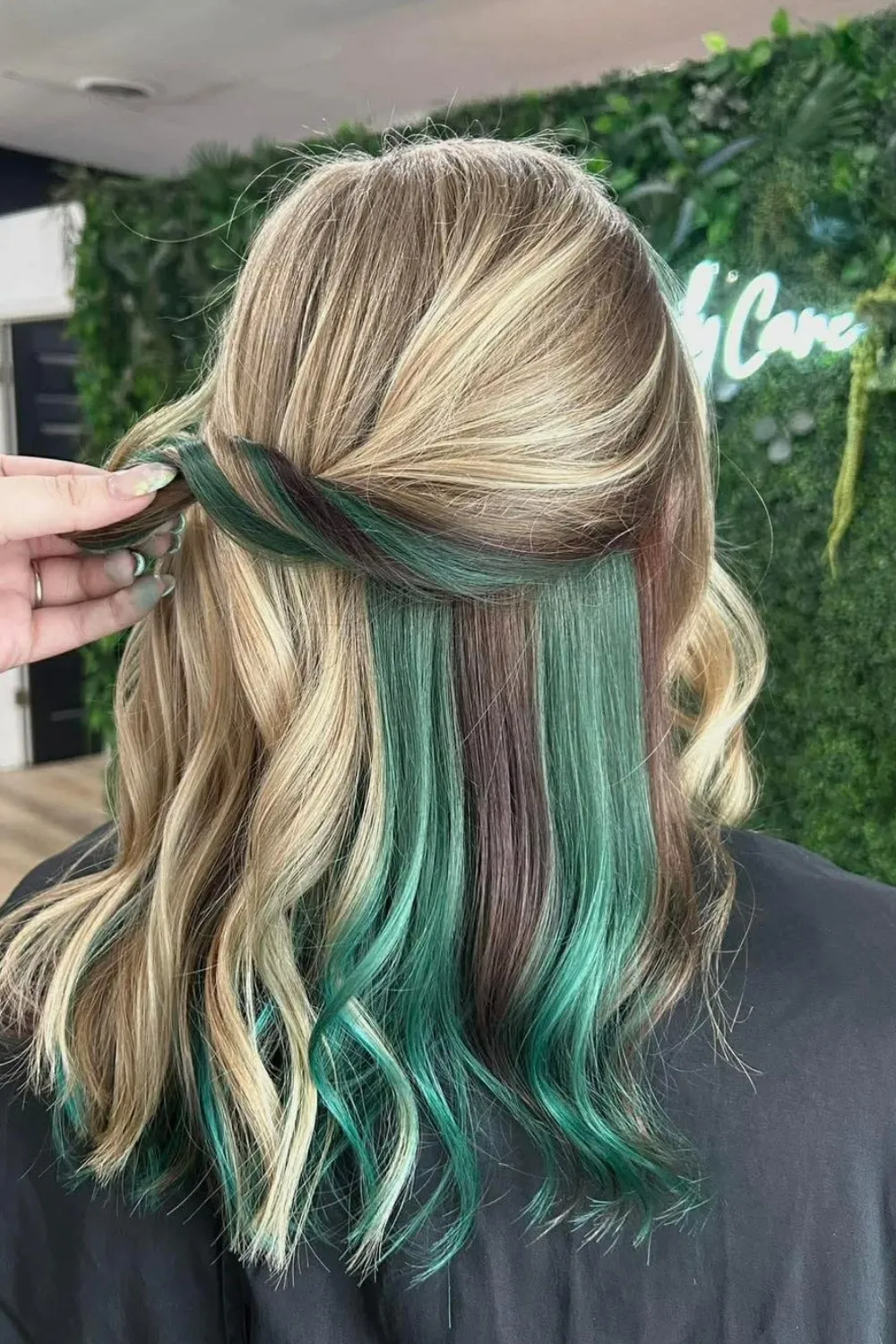
In my opinion, the best subtle hair color is one step away from what you’d normally choose, not three. If you’ve only ever worn brown, a deep blue underlayer is a bigger change than it sounds once you see it in the mirror every day.
Not every subtle hair color has to be a pastel. On brown hair, a caramel, chestnut or soft auburn gloss a shade or two away from your natural color changes the tone without anyone being able to say what’s different. On short hair, keep the color to the underlayer or the fringe, since a bob or a pixie shows every panel.
Semi-permanent, permanent, and why lightening is a salon job
Semi-permanent subtle hair dye sits on the surface of the hair. It deposits color but can’t lift your natural shade, which is why it washes out over time and why it’s the usual choice for fun colors. Permanent color goes deeper and lasts until it grows out or gets cut off, which makes sense for a natural tone, less so for a shade you might want gone by spring.
Here comes the part that decides most of your plan: semi-permanent color can’t make dark hair lighter. A pastel pink or a mint over brown hair needs the section lightened first, and only then does the color show. Lightening is where I’d book a salon appointment instead of reaching for a box. Getting an even result on a hidden section you can’t see, at the right level for the shade you want, is hard to do on your own head, and a colorist can also tell you whether your hair is ready for it.
If your hair is already light, or you’re happy with a deep shade on dark hair, semi-permanent color at home is a reasonable first step. Do a strand test on a hidden piece before you commit the whole section.
Whichever route you take, bring two or three photos of the subtle hair color you want and say what you like in each one: the placement in one picture, the shade in another. Inspiration pictures work better as a starting point than as an exact order, because the same pink looks different on every base color and under every salon light.
How long subtle hair dye lasts, and how to help it fade nicely
Semi-permanent color usually lasts somewhere around 10 to 20 washes. Pastels fade faster than bold shades, and the more often you wash, the faster it goes.
You can slow it down. Wash less often, use a color-safe, sulfate-free shampoo, and rinse with lukewarm or cool water instead of hot. Use a heat protectant before curling or straightening, and keep in mind that sun, chlorine and salt water all speed up fading.
It also helps to know how each shade fades. Blue tends to drift toward teal or green, pink goes peachy, and green can go yellowish on blonde. None of that is a disaster, but if you want it to fade to a shade you like, ask your colorist what the color will look like at week four, and not just on day one.
Still on the fence? Go with the underlayer. It stays hidden until you tie your hair up, so you can wear blue to a Monday meeting and show it off on Saturday.
Leave a Reply