
A body care routine that sticks is one you can do half asleep. Five minutes in the shower every day, twenty minutes once a week, and a few small changes when the weather turns cold: that’s enough for skin that feels soft and looks glowy, without a shelf of twelve products or an hour you don’t have.

The daily five-minute body care routine
The daily part of a body care routine happens in and right after the shower, so it costs you almost no extra time.
Every body care routine starts with the water. Keep the shower short and the water warm, not hot. Dermatologists suggest five to ten minutes in warm water, since long, hot showers strip away the oils that keep skin soft. It’s the least exciting tip here and the one that makes the most difference.
Use a gentle body wash, and use less than you think. A coin-sized amount on a sponge or washcloth covers most of the body. You don’t need a thick lather everywhere; the areas that actually need cleansing are the underarms, the groin and the feet. Fragrance-free washes are the gentlest choice if your skin feels tight after showering.
A sponge or a soft washcloth does two jobs: it spreads the wash further, so the bottle lasts longer, and it gives your skin a very light polish every day. Rinse it well and let it dry between uses, and swap it out regularly.

Then the step that matters most: moisturizer on damp skin. Pat yourself dry with a towel instead of rubbing, leave the skin slightly damp, and put body lotion or cream on within a few minutes. Damp skin holds on to the moisture underneath the cream, which is why the same product feels so much better after a shower than on dry skin in the evening. Start with the driest spots (shins, elbows, knees) and work outward.
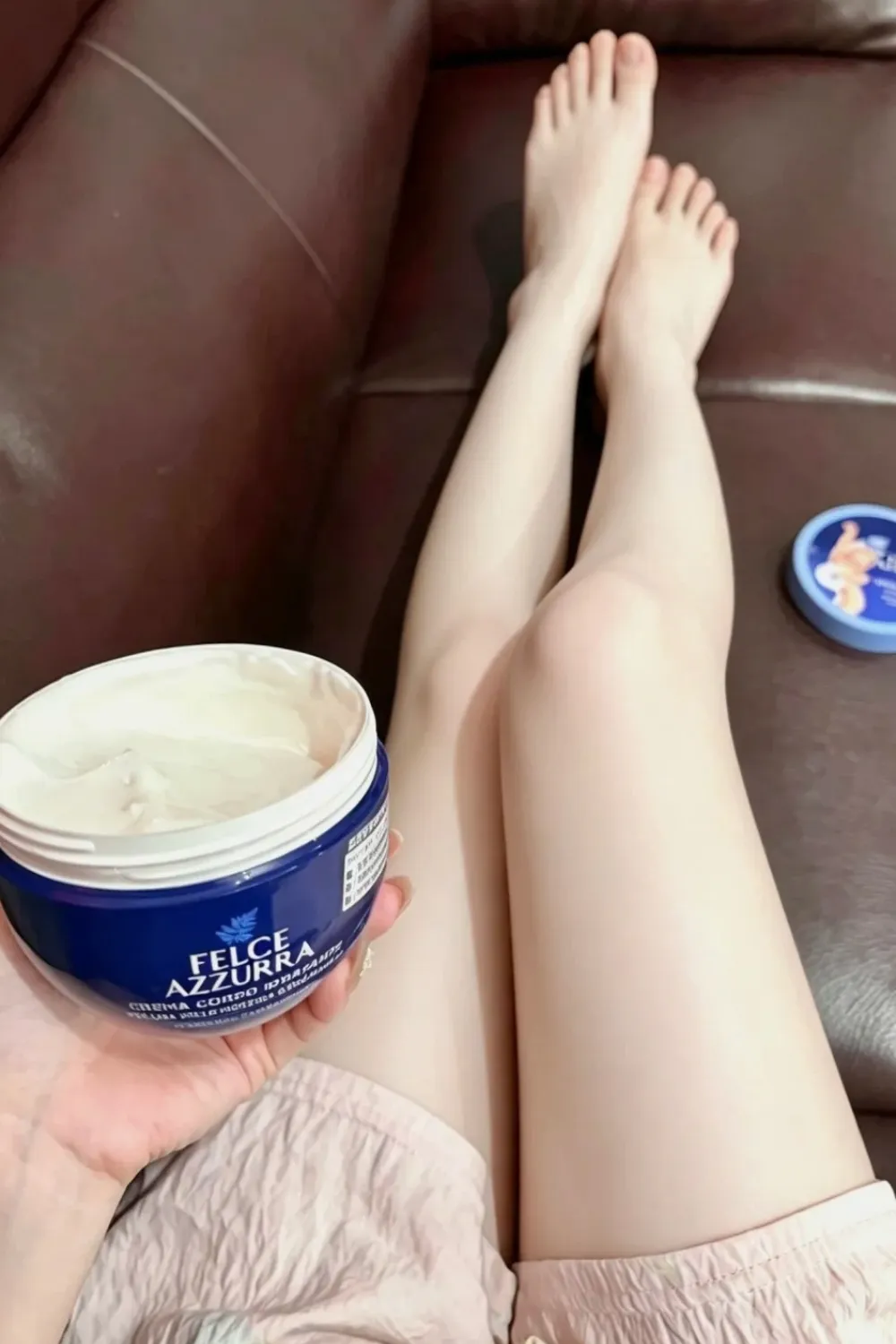
Good body hygiene also lives outside the shower. Wash towels every few uses, hang them to dry fully between showers, replace sponges and washcloths regularly, and change pajamas and sheets often. Clean fabric against clean skin makes every body care step work better, and it costs nothing extra.
That’s the whole daily routine: short warm shower, a little gentle wash, cream on damp skin. If you only manage one thing on a busy morning, make it the cream.
The order does most of the work: cleanse, exfoliate on the days you do it, then lotion or oil on slightly damp skin, and sunscreen last on anything the sun will see. That simple order is most of what a body care routine for glowing skin comes down to.
The weekly twenty minutes of body care
Once a week, give your body care routine more time. This is where the glowy body skin comes from, because exfoliating clears away the dull, dry surface layer that daily care can’t reach.
Pick one exfoliation method, not three. Use one of these:
- A body scrub. Massage it over damp skin in the shower with light pressure, then rinse. Sugar scrubs are usually gentler than salt ones.
- A dry brush. Brush dry skin before showering, using light strokes. Go gently; the skin should look slightly pink at most, never red.
- A gentle exfoliating toner on rough spots only, like elbows, knees or the backs of the arms. Apply with a cotton pad after showering, once a week to start.
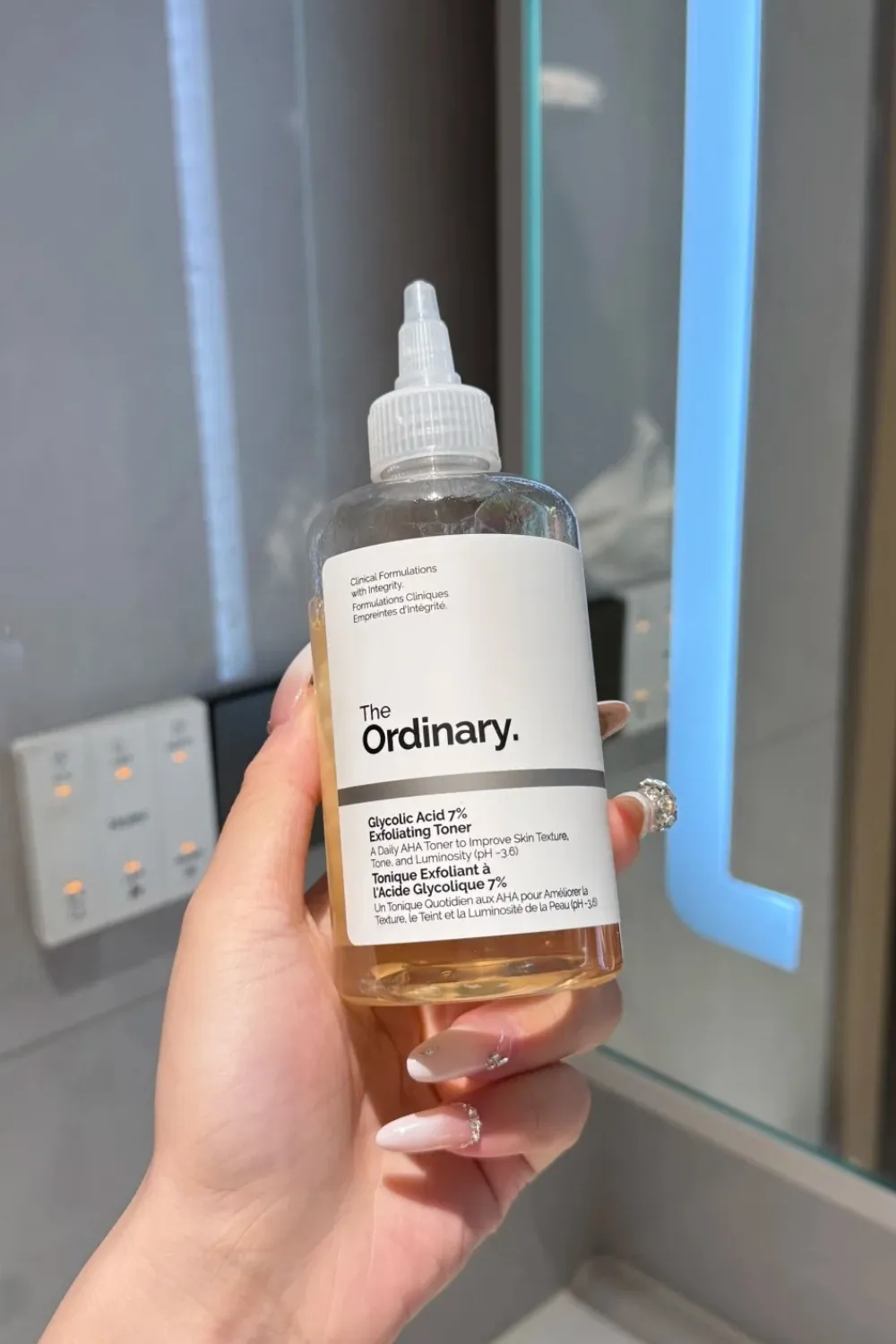
A note on acid toners: products with glycolic acid or other AHAs can make skin more sensitive to the sun, so the label usually tells you to use sunscreen on treated areas. Try any new product on a small patch first, and don’t use it on irritated or broken skin. If something stings or turns red, stop.
The second half of the weekly routine is a longer bath or shower night. Run a bath, put on something to listen to, and do the slower steps: scrub, a hair mask, a richer cream afterward, maybe a few minutes with a foot file. If you have a tub, a bath tray keeps your book, your drink and your products in reach. My guide to the best bathtub trays and caddies has a few that fit most tubs.

Budget swaps that work just as well
An affordable skin care routine for the body is easy to build, because body products are where the price gap between drugstore and luxury matters least.
Body wash is the first place to save in a body care routine. A gentle, fragrance-free drugstore wash does the same job as an expensive one; you’re mostly paying for the scent and the bottle when you go higher.
Body cream is next. Look at the ingredient list, not the brand: creams with glycerin, shea butter or petrolatum near the top hold moisture well, and many of the most effective ones come in plain tubs at drugstore prices. A big tub of thick cream usually lasts longer and costs less per use than a pretty pump bottle of lotion.
Tools are cheap too. A natural sponge, a washcloth and a wooden dry brush cost very little and last for months, so the tool side of your body care can stay on a budget even if you treat yourself to one nicer cream.
Where it can be worth spending: a scent you love in a lotion or body oil, if it’s what makes you actually want to use it. In my opinion, that’s a fair reason to splurge on one product, as long as the rest of the routine stays simple.
Keep everything in one basket
The easiest way to make a body care routine automatic is to remove every extra step. Put everything in one place, so you’re not opening three drawers with wet hands.
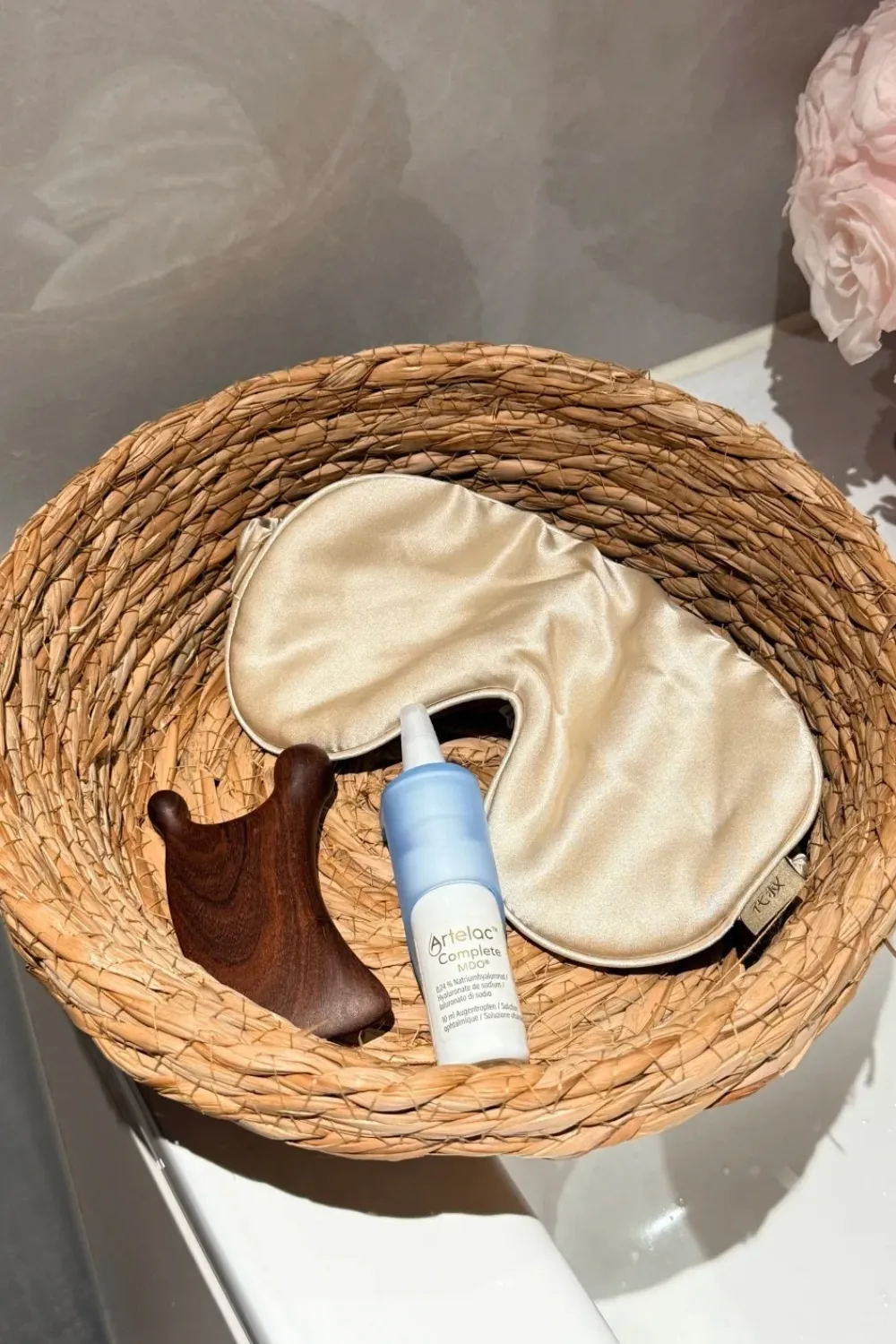
A woven basket or a small caddy by the tub or on a bathroom shelf works well. Keep the daily items in front (body wash, sponge, cream) and the weekly ones behind them (scrub, dry brush, toner, a sleep mask or a face tool if you use one). When you see it all together, you’re more likely to use it, and you’ll notice when something’s running out.
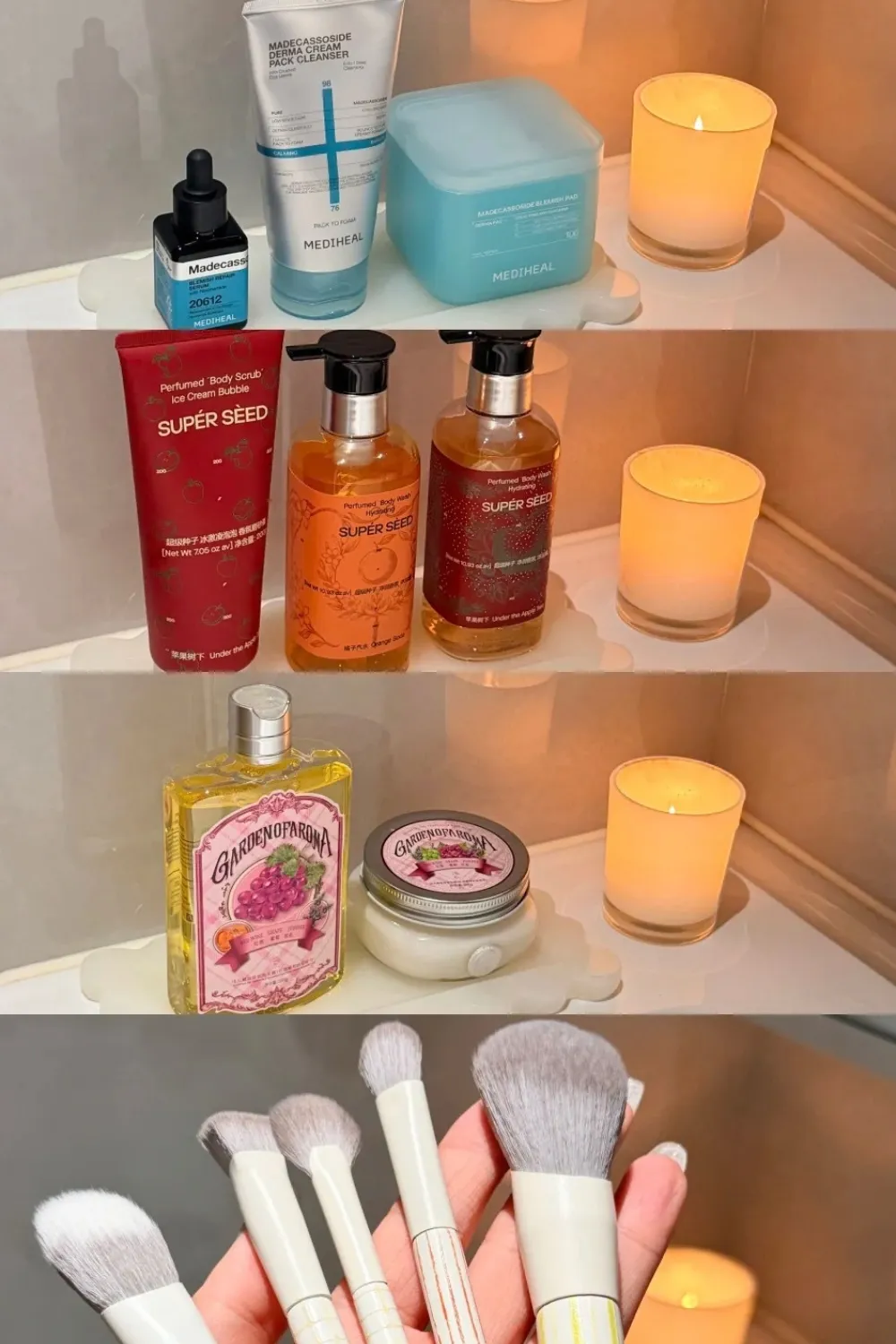
A tiered shelf works the same way: bath products on one level, body care on the next, brushes and tools at the bottom. One shelf per type of product keeps the routine readable at a glance.
Fall and winter changes to your body care
When the air gets colder and the heating comes on, skin dries out faster. A few changes keep the routine working through the cold months.
Switch from lotion to cream. Creams and ointments hold more moisture than thin lotions, so a thicker product makes sense from fall to spring. Keep the water lukewarm, even when a hot shower is tempting. Moisturize twice a day if your skin feels tight, once after the shower and once before bed. A humidifier in the bedroom adds moisture to dry indoor air; just clean it regularly, as the manual says.
If dryness, itching, redness or rough patches don’t improve with a simple routine, that’s the moment to see a dermatologist instead of adding more products.
Making it feel like self care
A body care routine is easier to keep when it feels like a small treat and not a task. That’s the whole idea behind the self care aesthetic you see on Pinterest: a tidy shelf, a lit candle, a scent you like. None of it changes what the products do, but it changes how you feel about doing the routine.

Pick one scent you love and use it in one product, so the routine has a smell you look forward to. Light a candle for the weekly bath night (and keep it away from towels and curtains). Clear the counter of anything that doesn’t belong to the routine. If you have a quiet corner at home for stretching or yoga, a few minutes there after the bath fits right in; my ideas for a peaceful yoga room work just as well in a corner of the bedroom.
The checklist
The whole body care routine on one list:
- Every day: short warm shower, a little gentle body wash, sponge or washcloth, cream on damp skin.
- Once a week: one exfoliation method, a longer bath or shower, a richer cream afterward.
- Fall and winter: cream instead of lotion, lukewarm water, a humidifier if the air is dry.
- Always: keep everything in one basket, and see a dermatologist for anything that doesn’t improve.
Soft skin rarely comes from the fancy jar on the shelf. It comes from the five minutes after the shower, repeated so often that you stop noticing you’re doing them.





Leave a Reply