

That faded, peeling patio set collecting dust in your backyard? It doesn’t need to go to the curb. It needs a weekend, a few dollars worth of paint, and the right technique. That’s it. A single coat of the right paint, applied the right way, can take a beat-up bench or a sad-looking chair and make it the centerpiece of your outdoor space.
Here’s the thing: painting diy outdoor furniture is one of the most affordable ways to completely change how your patio or garden looks. You don’t need to spend hundreds on new pieces. You just need a little creativity, some basic prep work, and the confidence to go bold with your color choices. This post gives you all of that. You’ll walk away with real painting ideas for every style, the know-how to prep like a pro, and the tricks to avoid the mistakes that make paint chip and peel before summer is over. If you already love working on your patio decorating ideas on a budget, this project is the perfect next step.
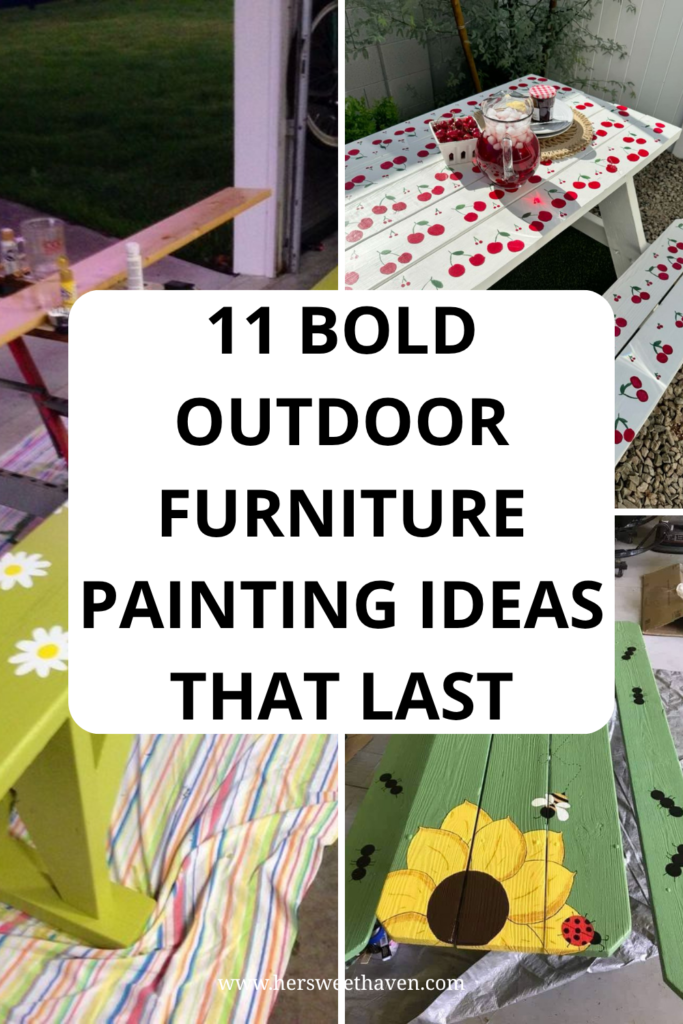
Bold Outdoor Furniture Painting Ideas That Actually Last
The best part about painting your own furniture? You’re not limited to the three boring colors the store sells patio sets in. You can go wild. You can go whimsical. You can make something that actually reflects your personality.
Let’s look at some painting ideas that are trending right now and are totally doable on a budget.
Cherry Print Picnic Tables and Fruit-Themed Designs
A white picnic table with hand-painted red cherries is one of those projects that looks like it belongs in a magazine but takes surprisingly little skill. Paint your table a solid white base, let it dry, then use a small brush to add simple cherry shapes with red and green paint. The result is a playful, summer-ready dining spot your friends will absolutely ask about.
Fruit themes work on benches, side tables, and even planters. Think lemons on a yellow base, strawberries on pink, or watermelon slices on green. These are beginner-friendly designs that only require a base coat and a few accent colors.
Rainbow and Multi-Pattern Adirondack Chairs
If you want a statement piece, paint each slat of an Adirondack chair a different color. It sounds bold (because it is), but the effect is incredible. You can go full rainbow or pick a palette of four to five coordinating colors.
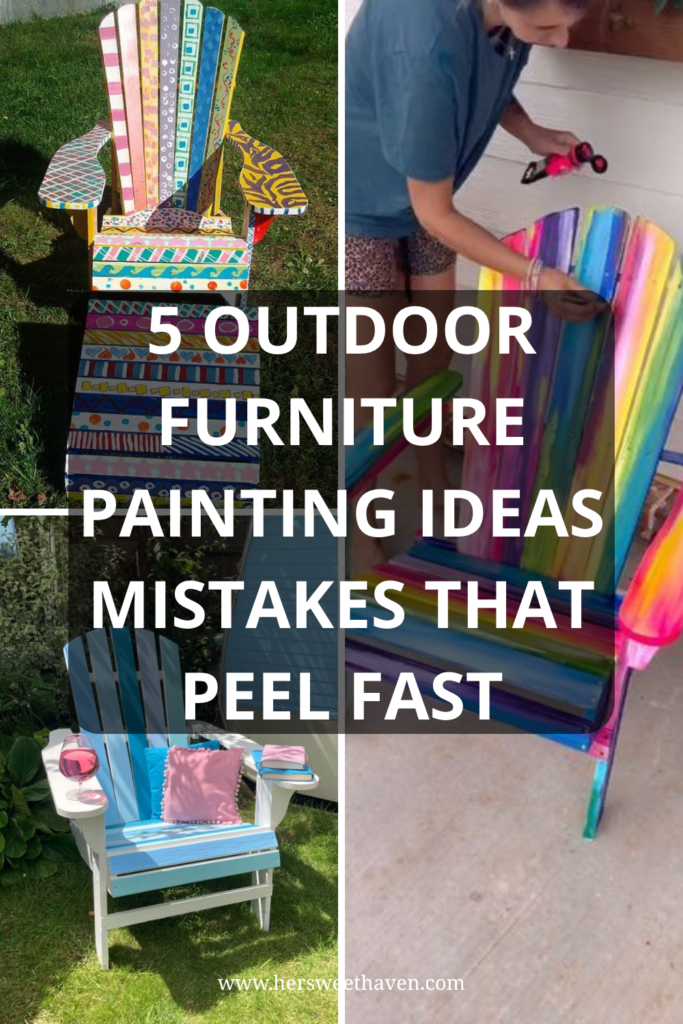
Another approach is mixing patterns. Think stripes on the arms, polka dots on the seat, and a geometric design on the backrest. This works especially well if you’re painting chairs for kids or for a creative corner of your garden. A patterned Adirondack chair paired with some painted flower pot ideas makes an outdoor space feel like an art installation.
Hand-Painted Florals on Tables and Stools
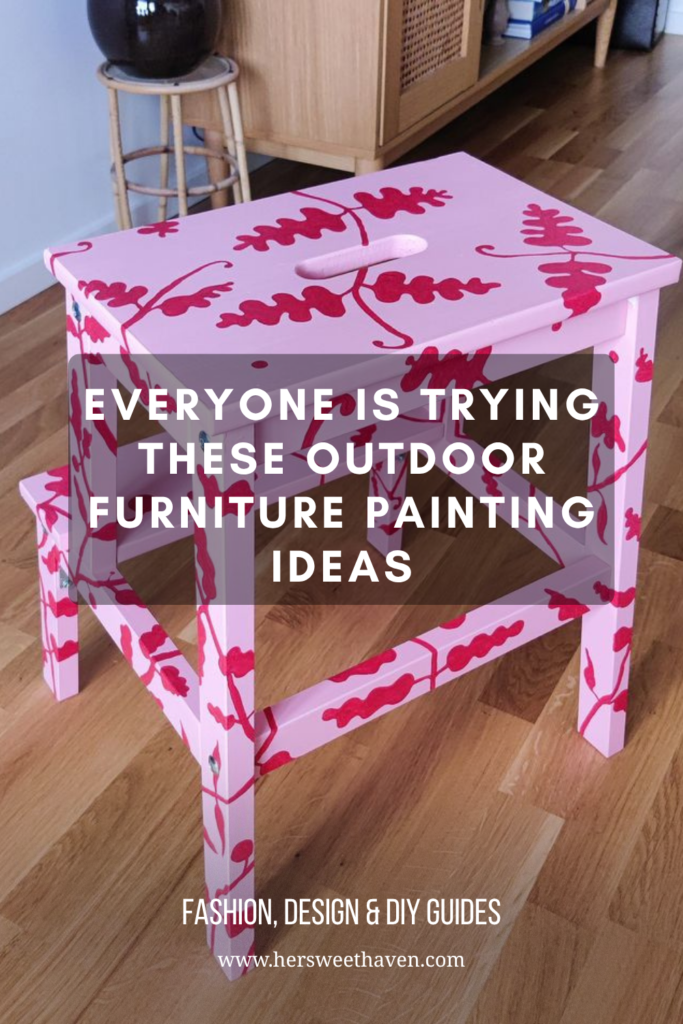
Floral designs are a favorite for a reason. A round metal bistro table painted in bright yellow with daisy accents looks like something from a French cafe. A pink step stool with hand-painted red leaf patterns turns a basic piece into a conversation starter.
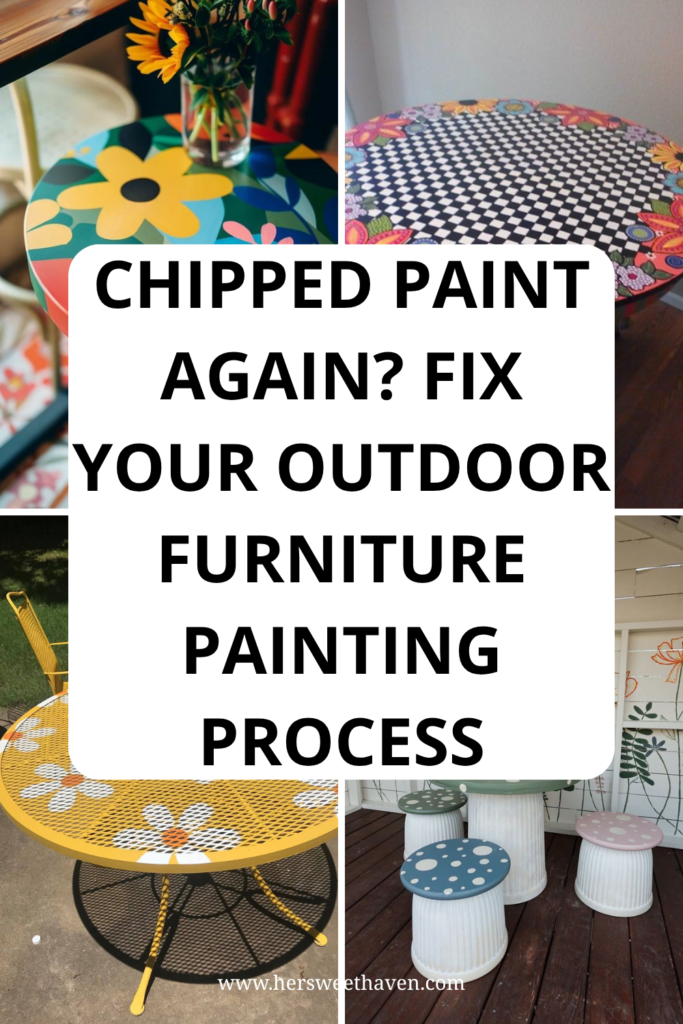
You don’t need to be an artist to pull this off. Use a pencil to lightly sketch your flowers before painting, or grab a simple stencil from the dollar store. Acrylic craft paints work great for the details once your base coat of exterior paint has dried.
Mushroom Stools and Whimsical Garden Seats
This is one of the most fun projects on the list. Take a plain wooden stool, paint the seat red with white polka dots, and paint the legs white with green “grass” strokes at the bottom. It looks exactly like a little mushroom sitting in your garden.
These whimsical pieces are perfect for kids’ outdoor areas, fairy garden corners, or just adding a bit of playful personality to a porch. They also make great gifts. A hand-painted mushroom stool costs you about $5 in paint and an afternoon. Try finding that at a furniture store.
Colorful Pallet Furniture and Upcycled Pieces
Wooden pallets are free (or nearly free) and incredibly versatile. Paint them in bold, contrasting colors like cobalt blue and hot pink, then assemble them into a sofa or coffee table. Add some outdoor cushions and you have a full seating area that cost you practically nothing.
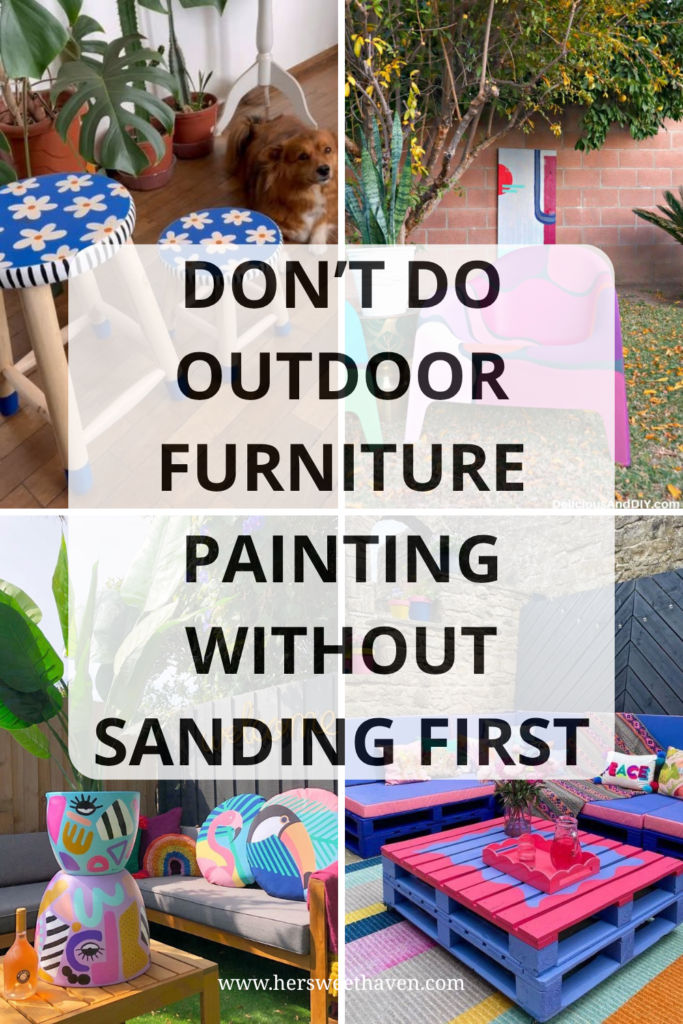
Upcycled plastic chairs also deserve a shout-out here. That sad white plastic chair from the garage? Give it a coat of spray paint formulated for plastic and suddenly it has a whole new life. Pair it with colorful throw pillows and it actually looks intentional. This kind of project fits right in with spring porch decor trends if you’re refreshing your whole outdoor area.
Mixed Pattern Step Stools and Checkered Designs
A checkered black-and-white pattern is timeless, and it looks amazing on a step stool shelf or a small bench. Combine it with a solid purple or yellow top featuring painted flowers, and you’ve got a piece that feels custom and high-end.
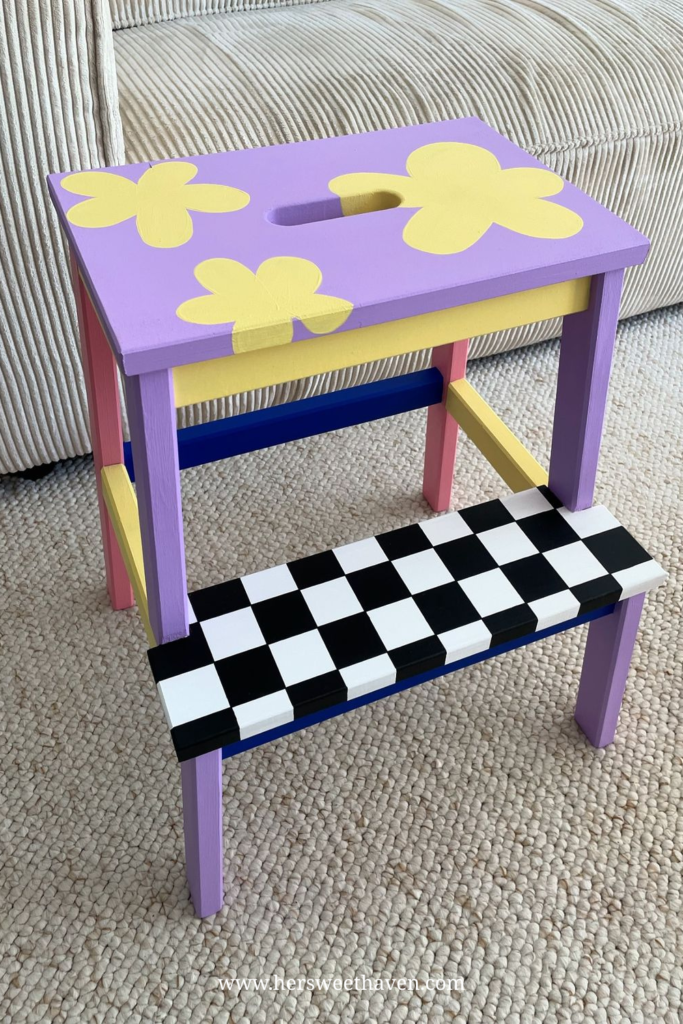
The trick with mixed patterns is keeping a shared color palette. Pick three to four colors and use them across all the patterns so everything feels connected, even if the designs are different.
What Kind of Paint Works Best for DIY Outdoor Furniture?
Choosing the right paint matters more than choosing the right color. The wrong product will peel, fade, or chalk within weeks. Here’s what actually works for outdoor furniture painting projects.
Exterior Latex vs. Spray Paint vs. Chalk Paint
Exterior latex paint is the gold standard for wood furniture. It’s durable, resists cracking, and many formulas include UV protection that keeps colors from fading in direct sunlight. Apply it with a brush or small roller for the most long-lasting finish.
Spray paint is the go-to for metal and wicker furniture. It covers evenly, gets into tight spots a brush would miss, and dries fast enough to do multiple coats in a single afternoon. Look for rust-inhibiting formulas with built-in primer for the best results on metal. For plastic furniture, make sure you grab a spray paint specifically designed to bond to plastic surfaces.
Chalk paint looks beautiful, but it’s not ideal for pieces that will sit in the rain without cover. If you use it, you absolutely need to seal it with a weather-resistant topcoat. Without that protection, chalk paint will peel and flake quickly outdoors.
One Can, Big Change: Budget Picks Under $15
Here’s the truth: you don’t need to spend a fortune. A single can of Rust-Oleum Painter’s Touch 2X (around $6 to $8) can cover an entire chair. A quart of exterior latex paint ($12 to $15) is enough for a small table and two chairs. One DIY blogger transformed an entire metal patio set for under $25.
The key is buying paint made for outdoor use. That’s the non-negotiable. Indoor paint, no matter how pretty the color, will fail outside. Period.
How Do You Prep Outdoor Furniture for Painting?
Prep is where most DIY projects succeed or fail. You can use the best paint in the world, but if your surface isn’t ready, it won’t stick. Good preparation is roughly 80% of getting a successful paint job.
Why Sanding Matters More Than You Think
Don’t skip this step. Sanding roughens the surface so paint has something to grip. Without it, your beautiful new color will start peeling within weeks, especially on previously painted or glossy surfaces.
For wood furniture, use 120-grit sandpaper to smooth the surface and remove any flaking old paint. For metal, a sanding sponge or steel wool works great. Even 10 to 15 minutes of sanding can add years to your finish. You’re not trying to strip the piece down to bare wood (unless it’s in really rough shape). You’re just creating a slightly rough texture for the new paint to hold onto.
If your furniture has a glossy topcoat, a waxy finish, or a polyurethane seal, paint simply won’t stick without sanding or priming first. This is the number one reason people end up with peeling paint and have to redo the whole project.
Cleaning, Priming, and Getting the Surface Ready
After sanding, clean the entire piece with soapy water and a scrub brush. Get rid of all dust, pollen, and grime. Any dirt left on the surface will prevent proper adhesion and give you a spotty, uneven finish.
Once it’s dry, apply a coat of primer. For wood, use an exterior latex primer. For metal, go with a rust-inhibiting primer. For plastic, use a spray primer formulated for slick surfaces. Yes, priming adds an extra step. But skipping primer is one of the main reasons paint chips off easily later. It takes 20 minutes and saves you from redoing the entire project next month.
5 Outdoor Furniture Painting Mistakes That Make Paint Peel Fast
You’ve seen those projects that look amazing for about two weeks and then start cracking and flaking. Here’s what went wrong.
Skipping Primer on Slick Surfaces
If your furniture has a shiny or glossy finish and you paint right over it without primer, the new paint has nothing to bond to. It will sit on top of the old finish like a shell and peel off in sheets the first time it gets wet or hot.
Painting in Bad Weather or on a Dirty Surface
Painting on a humid day, in extreme heat, or when rain is coming is a recipe for failure. Moisture trapped under paint causes bubbling and peeling. And painting over a dusty or greasy surface means the paint never fully bonds to the material.
The ideal conditions are mild temperatures (50 to 85 degrees), low humidity, and no rain in the forecast for at least 24 to 48 hours.
Applying Thick Coats Instead of Thin Layers
It’s tempting to slap on one heavy coat and call it done. But thick coats take longer to dry, are more likely to drip, and peel from their own weight. Two to three thin coats, with proper drying time between each, will always outperform one thick coat.
Using Interior Paint Outside
Interior paint is not formulated to handle rain, UV rays, or temperature swings. It will fade, chalk, and peel quickly outdoors. Always use paint labeled for exterior use, or at minimum, a paint with built-in UV protection and weather resistance.
Forgetting a Protective Topcoat
Even with exterior paint, a clear protective topcoat adds an extra layer of defense. This is especially important for high-traffic surfaces like table tops and chair arms. A water-based polyurethane or a product like spar urethane will protect your paint job from moisture damage and everyday wear.
Chipped Paint Again? How to Fix Your Outdoor Furniture Painting Process
If your outdoor furniture already has chipping or peeling paint, don’t panic. You don’t necessarily need to strip the whole piece and start from scratch.
Scraping, Sanding, and Starting Fresh
Start by using a paint scraper or wire brush to remove all the loose, flaking paint. Get it down to bare wood or metal wherever possible for the best adhesion. Then sand the entire surface smooth, paying extra attention to the edges where old paint meets bare material.
Clean the piece thoroughly, prime it, and then apply your new paint in thin, even coats. The extra time you spend on prep during this stage directly determines how long the new finish will hold up.
Touch-Up Tips That Save You From a Full Repaint
For small chips and scratches, you don’t need to redo the entire piece. Lightly sand the damaged area, apply a thin layer of primer just to that spot, let it dry, and then paint over it with matching exterior paint. Catching chips early, especially on metal, prevents rust from spreading and keeps the damage from getting worse.
Keep a small jar of your paint color stored in a cool spot so you always have it ready for quick fixes. Touch-ups take five minutes and can extend the life of your paint job by a full season or more.
I Painted My Patio Set and It Looks Brand New
Sometimes you just need to see the full process from start to finish to believe how big of a difference paint makes.
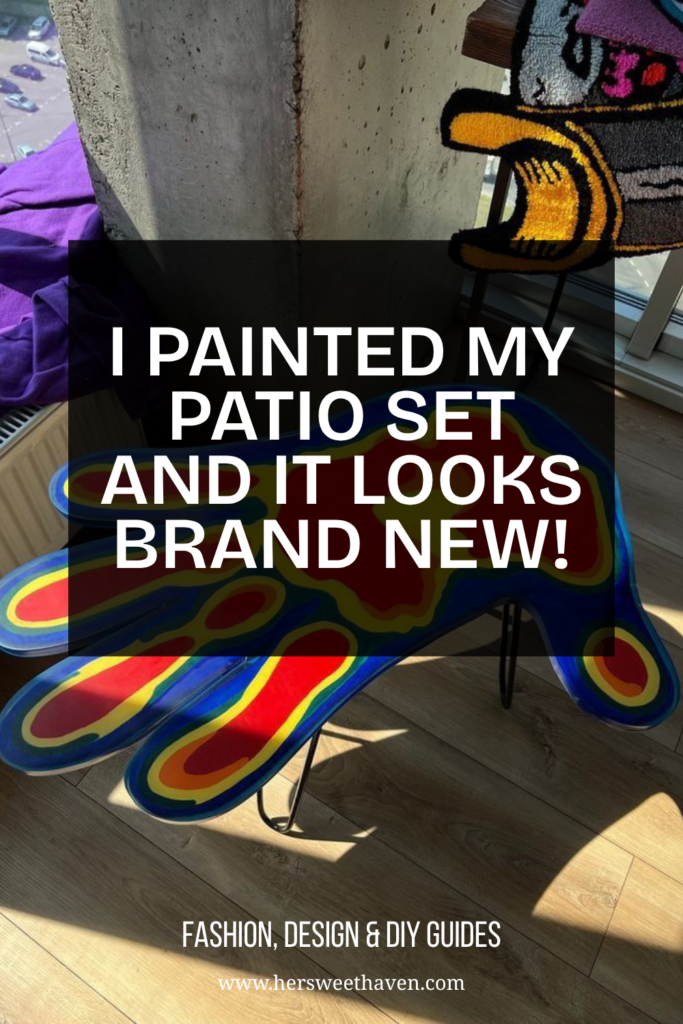
Here’s what a typical patio set makeover looks like. You start with a tired, faded set of chairs and a table. Maybe the color has gone chalky. Maybe there’s some surface rust or chipping. It looks like something you’d be embarrassed to have guests sit on.
Day one: you clean everything down with soapy water and a brush. You sand off the rough spots and any loose paint. You wipe it all down and let it dry overnight.
Day two: you apply a coat of primer in the morning. By afternoon, it’s dry enough for your first coat of color. You go with something bold. Maybe a deep teal. Maybe a bright coral. You apply two thin coats with a couple of hours between them.
Day three: you add a clear topcoat for extra protection. By the time it cures, you’ve got a patio set that looks like you just bought it. Total cost? Usually under $30. Total time? A few hours spread across a weekend.
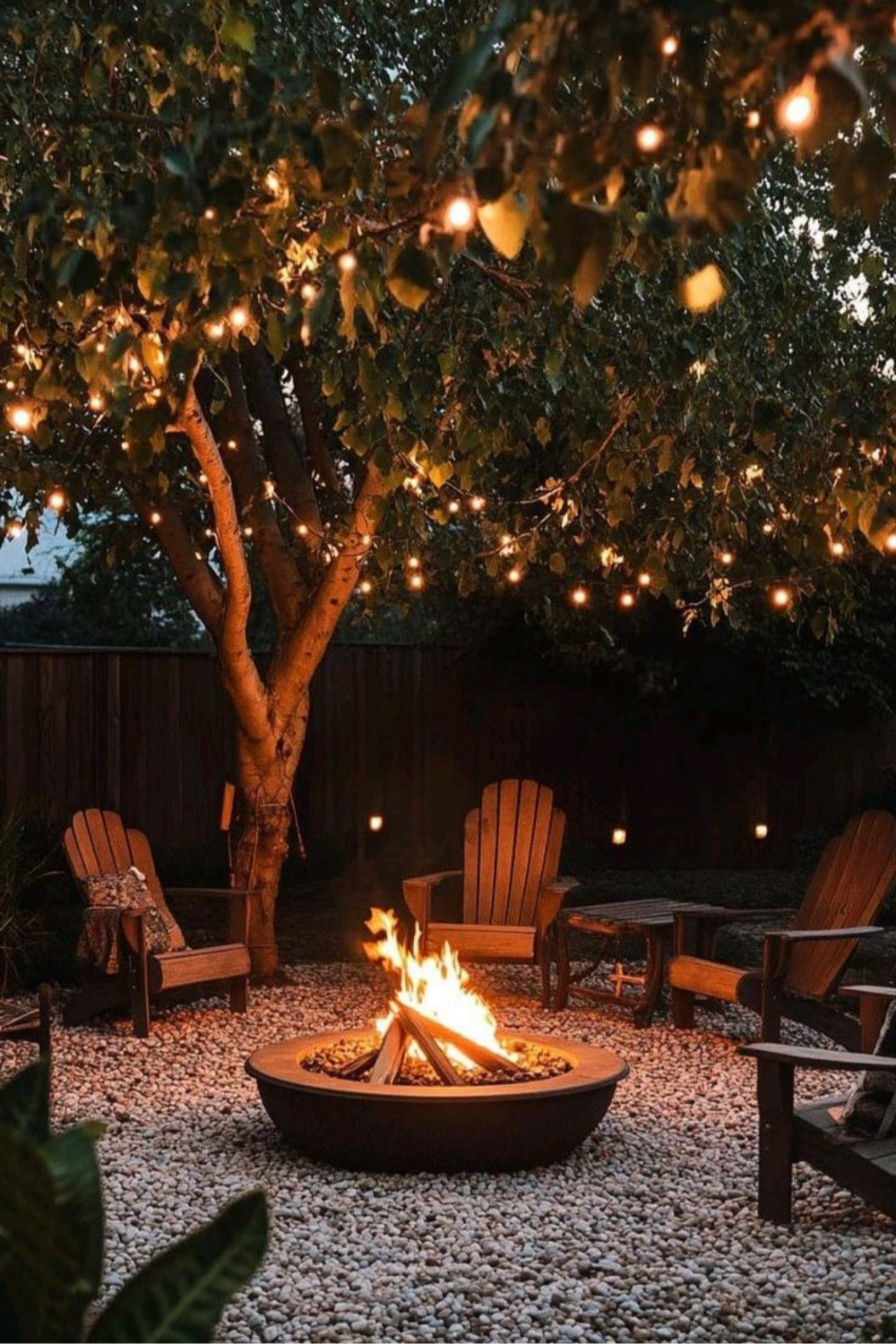
That’s the kind of project that makes you wonder why you ever considered buying new furniture in the first place. It pairs perfectly with other budget outdoor projects like building a DIY fire pit for under $100 or setting up some container garden ideas for your patio.
Your Patio Is One Weekend Away From Looking Brand New
Outdoor furniture painting is one of the best bang-for-your-buck DIY projects you can do. A few cans of paint, a free afternoon, and a little prep work is all it takes to go from drab to done.
Pick one piece this weekend. Start small if you want. A step stool, a side table, a single chair. Sand it, prime it, paint it, seal it. Once you see the results, you’ll want to paint everything in sight.
And honestly? That’s the fun part. So grab your paintbrush, pick a bold color, and give that tired patio furniture the glow-up it deserves. Your backyard will thank you.
Which piece are you painting first? Drop a comment or save this post for your next weekend project.



Leave a Reply