

School’s out. Day one: pure freedom, everyone’s thrilled. Day two: “I’m booored,” on repeat, while the screen-time hours quietly pile up. Sound familiar? Every parent hits this wall, and the good news is you don’t need a big budget or a craft room out of a magazine to fix it.
The activities below are the ones that actually work: cheap, quick to set up, and fun enough to hold a kid’s attention for more than five minutes. They get little hands busy and away from screens, whether you’ve got toddlers, school-age kids, or teens who pretend they’re too cool for crafts. I’ve grouped them by type so you can grab whatever matches the day, plus budget tips, a by-age guide, and a simple way to plan a whole week without losing your mind.
Why the First Week Sets the Tone
That first week can feel like stepping off a cliff. The routine’s gone, the structure disappears, and suddenly you’re the entertainment director for tiny humans with unlimited energy. Parenting experts point to themed days and weekly activity rotations as one of the most effective ways to keep kids happy and engaged all summer.
The trick is starting early, before week three when everyone’s cranky. Have a short list of go-to ideas ready before school even ends, like a little summer survival kit. And the activities worth repeating all share three things: they use stuff you already own or can grab for a few dollars, they flex across ages, and they give kids enough independence that you’re not hovering the whole time. Everything below checks those boxes.
Get Outside and Burn Energy
When the walls start closing in, send them out. These are the loud, active, run-around ideas that reset everyone’s mood.
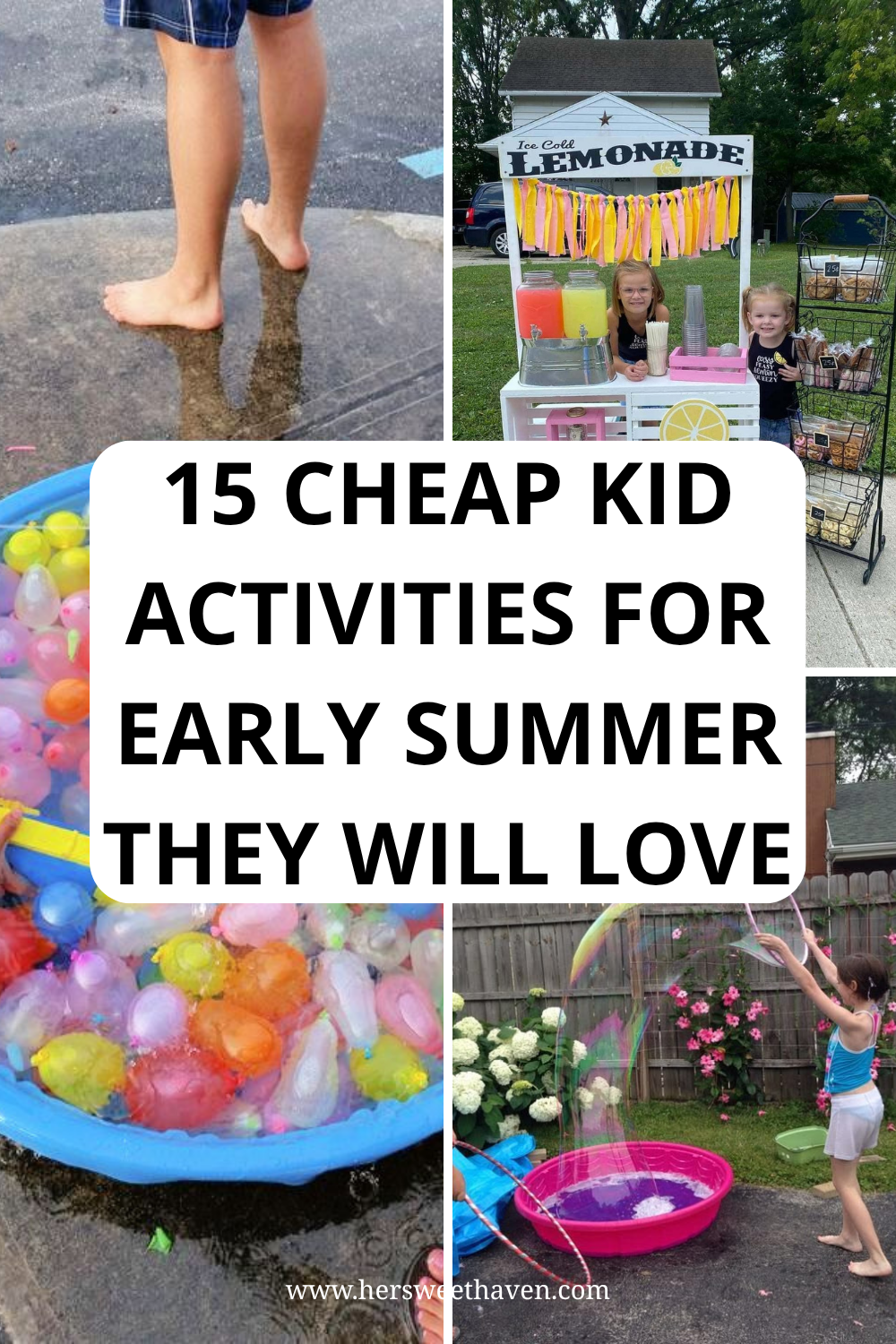
Water balloon madness gets every kid off the couch in seconds. Fill a kiddie pool with colorful balloons and let the chaos begin: a toss game, water-balloon “baseball,” or a full splash fight. For less mess, reusable magnetic water balloons fill and seal underwater and last all summer, no tiny rubber bits in the grass.
A giant bubble station is weirdly mesmerizing for the price. A homemade solution of dish soap, water, and a little glycerin makes big, long-lasting bubbles. Tie a loop of cotton string between two sticks for the wand, dip, lift slowly, and watch them lose their minds.
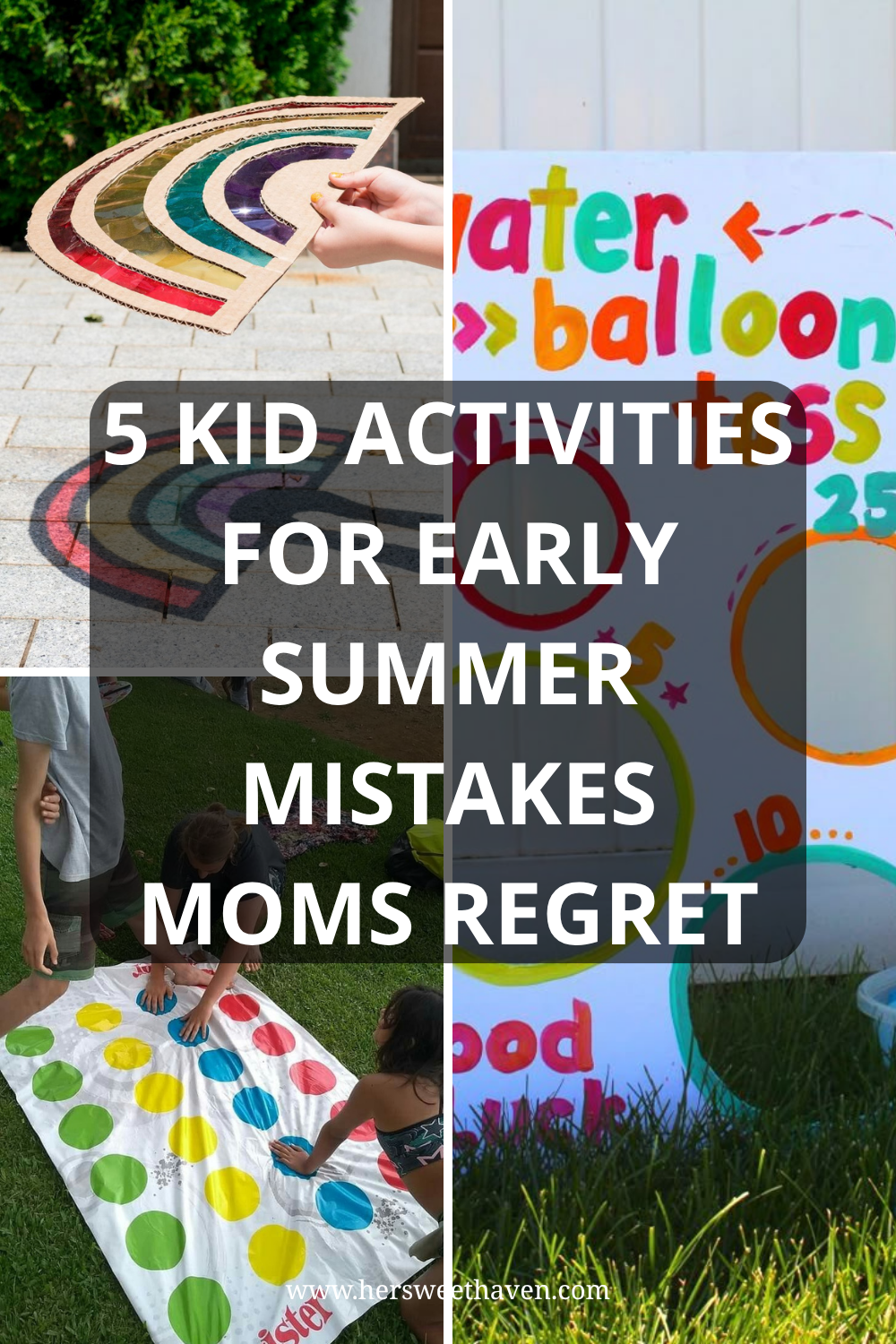
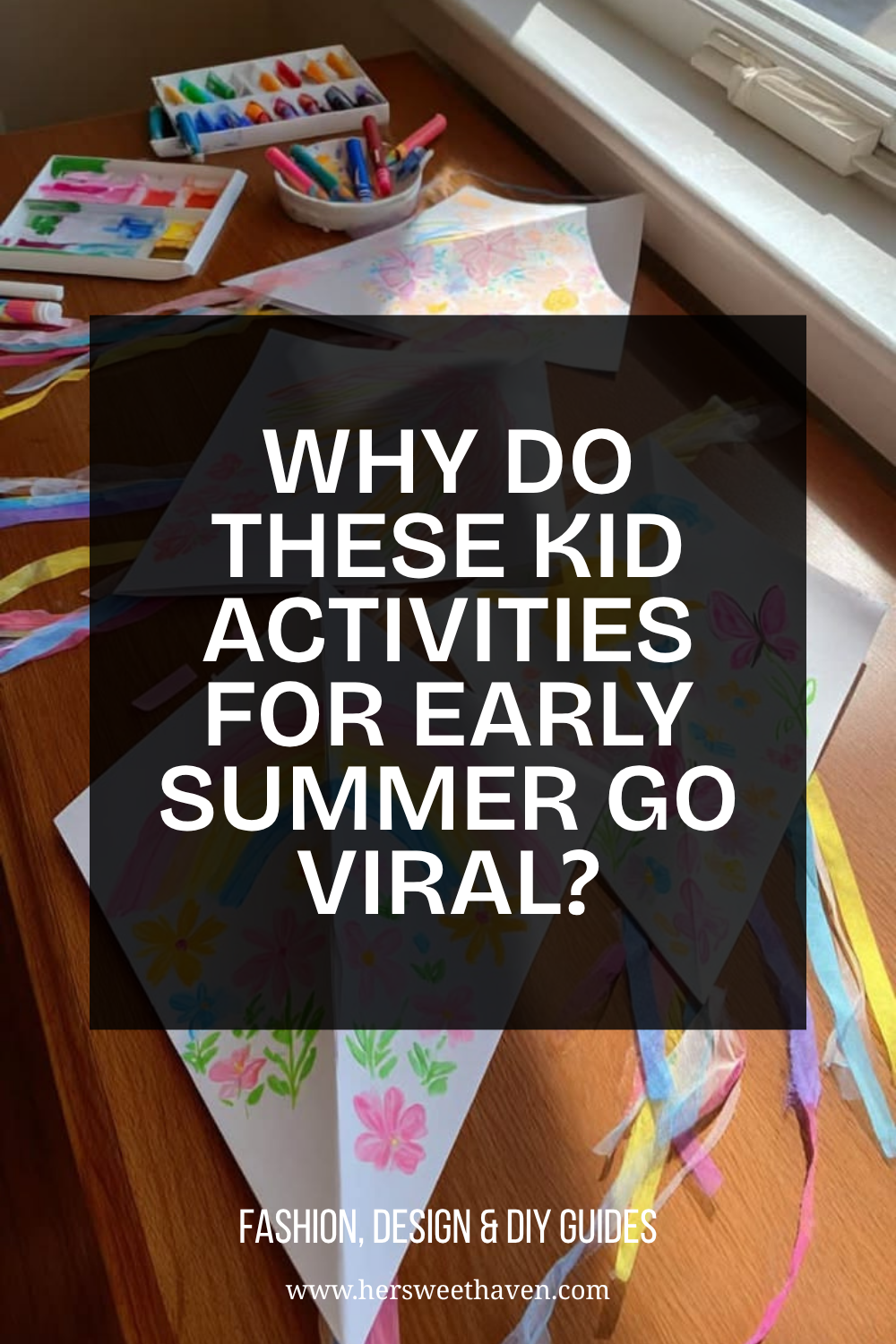
A backyard game day turns the yard into a mini carnival: a Twister mat on the grass (add washable paint to the dots for extra mess), a DIY water-balloon toss board with painted targets, and a pool-noodle ring toss. DIY kites are the old-school one that still delivers, paper or a plastic bag, a couple of sticks, string, and ribbon tails. When a kid runs across the yard with a kite they built themselves, you’ll get why it keeps going viral.
The water-balloon toss board is worth calling out on its own: paint point values and cut target holes into a big piece of cardboard, and every hit means a satisfying splash. It’s the kind of setup that works for a birthday party, a playdate, or a random Tuesday when everyone just needs to move.
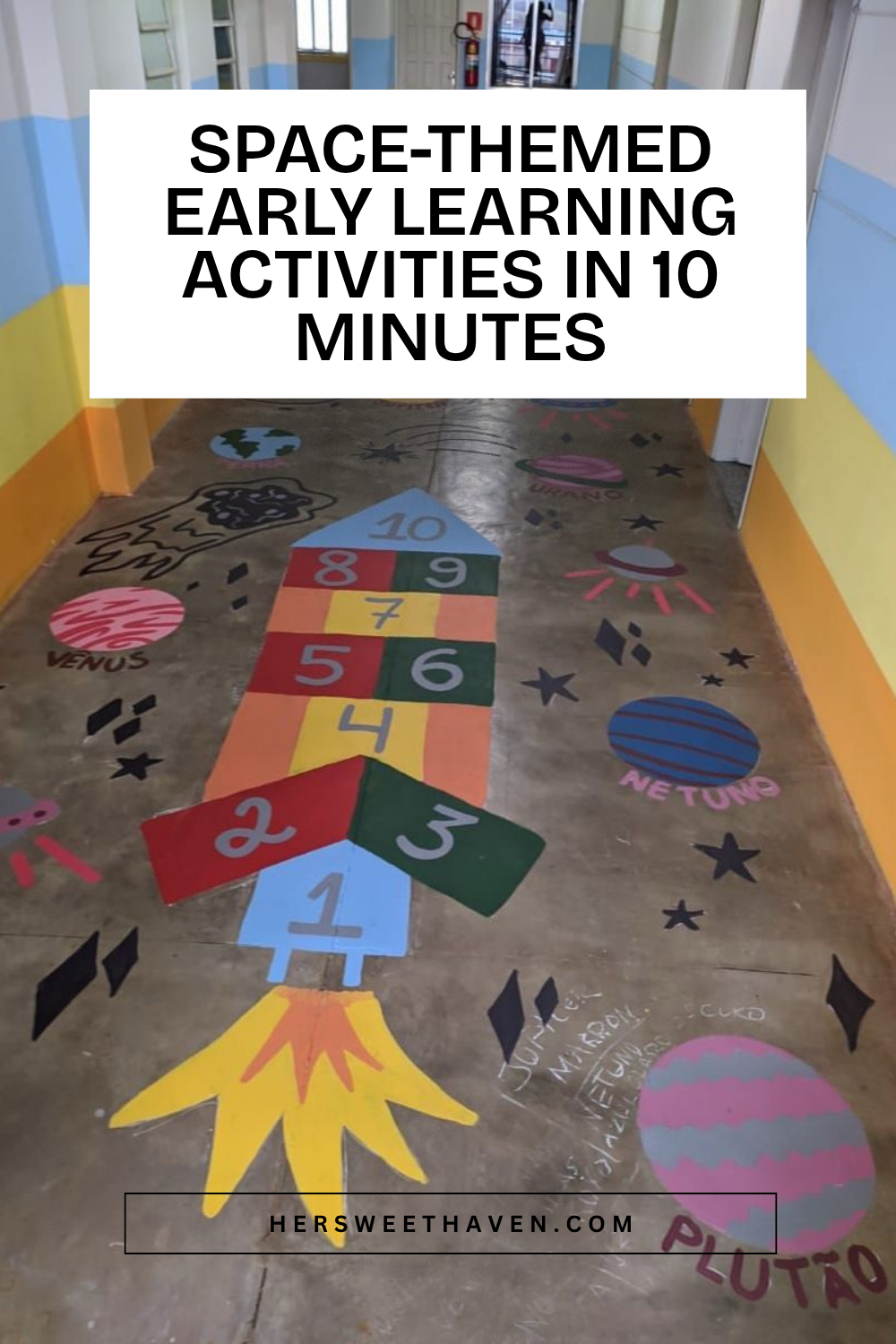
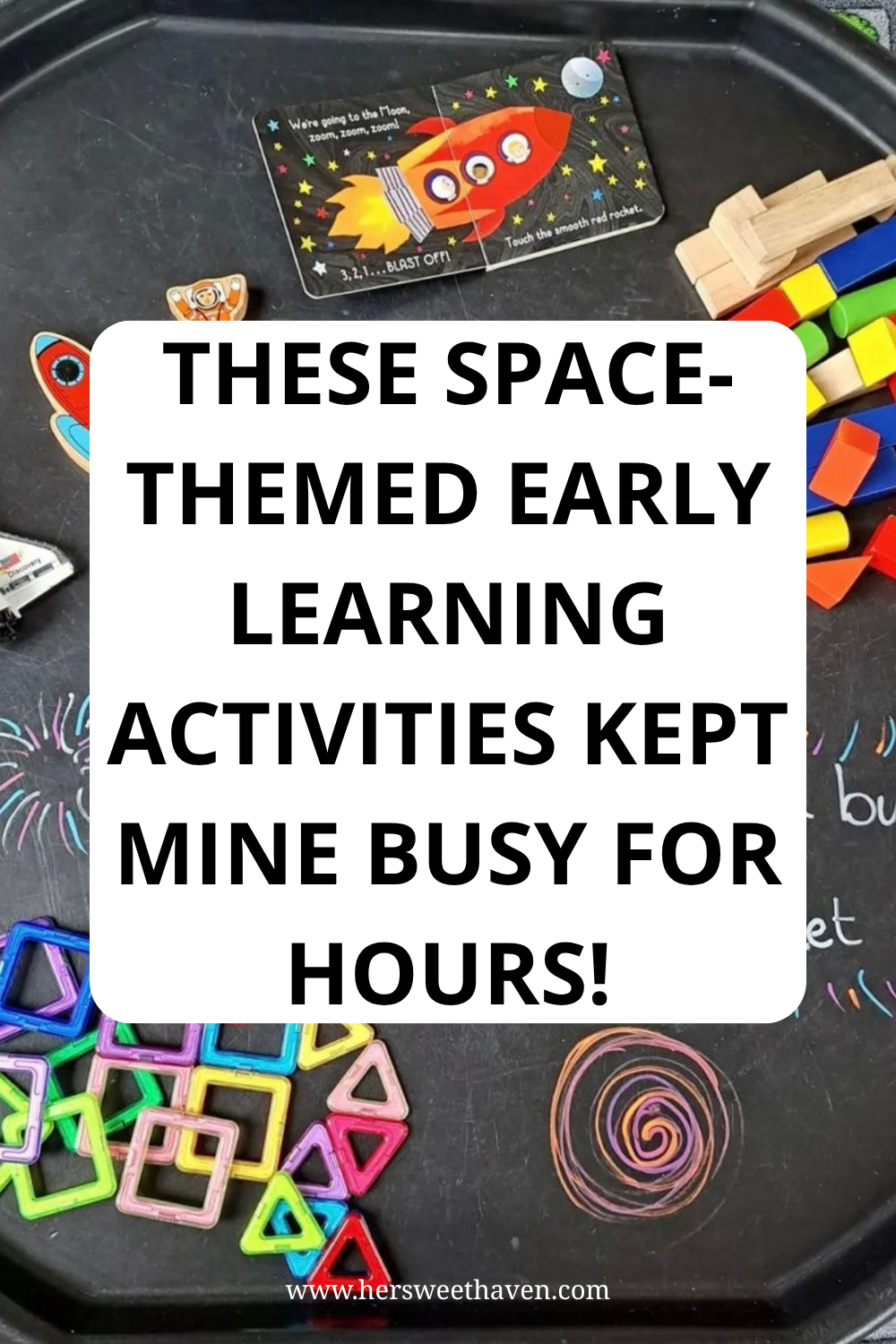
And a few space-themed movers do double duty as learning games. Blast-off hopscotch: chalk a rocket-shaped grid, number the squares, and have kids count backwards from 10 as they hop, then shout “BLAST OFF!” at the end (sneaky backward-counting practice). Moon-rock toss and planet jump: toss foil-wrapped “rocks” into labeled buckets for points, or hop a chalk path of planets calling out each name. Round it out with an alien tin-can knockout (green-wrapped cans stacked in a pyramid, knock them down with a sock ball) and a planet ring toss using painted paper plates on dowels. Both take about five minutes to set up and get re-played roughly 47 times in a row, which is exactly what you want on a long afternoon.
Turn the Driveway Into an Art Gallery
Sidewalk chalk is the cheapest creative activity there is, a box runs $1 to $5, and it washes away with the next rain so the driveway is a blank canvas again. Best part: no drawing skill required. Simple shapes and good color do the work, and the pavement texture hides a lot.
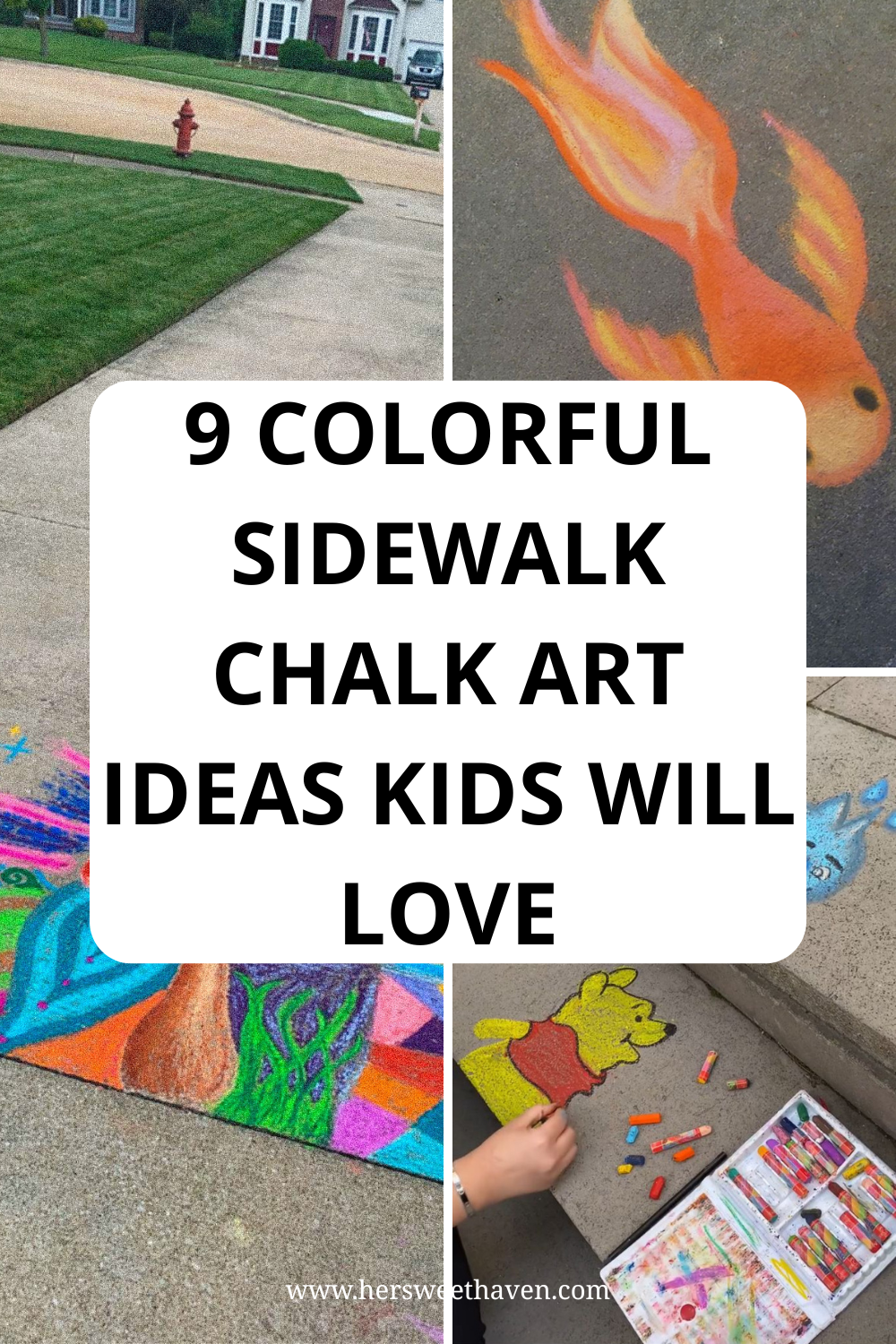
One tip that makes chalk look pro: layering. Lay down a base color, then go over it with a lighter or darker shade and blend with a finger or a chunk of foam. Educators at This Tiny Blue House note that chalk art builds color recognition, pattern skills, and planning, all while it feels like pure play.
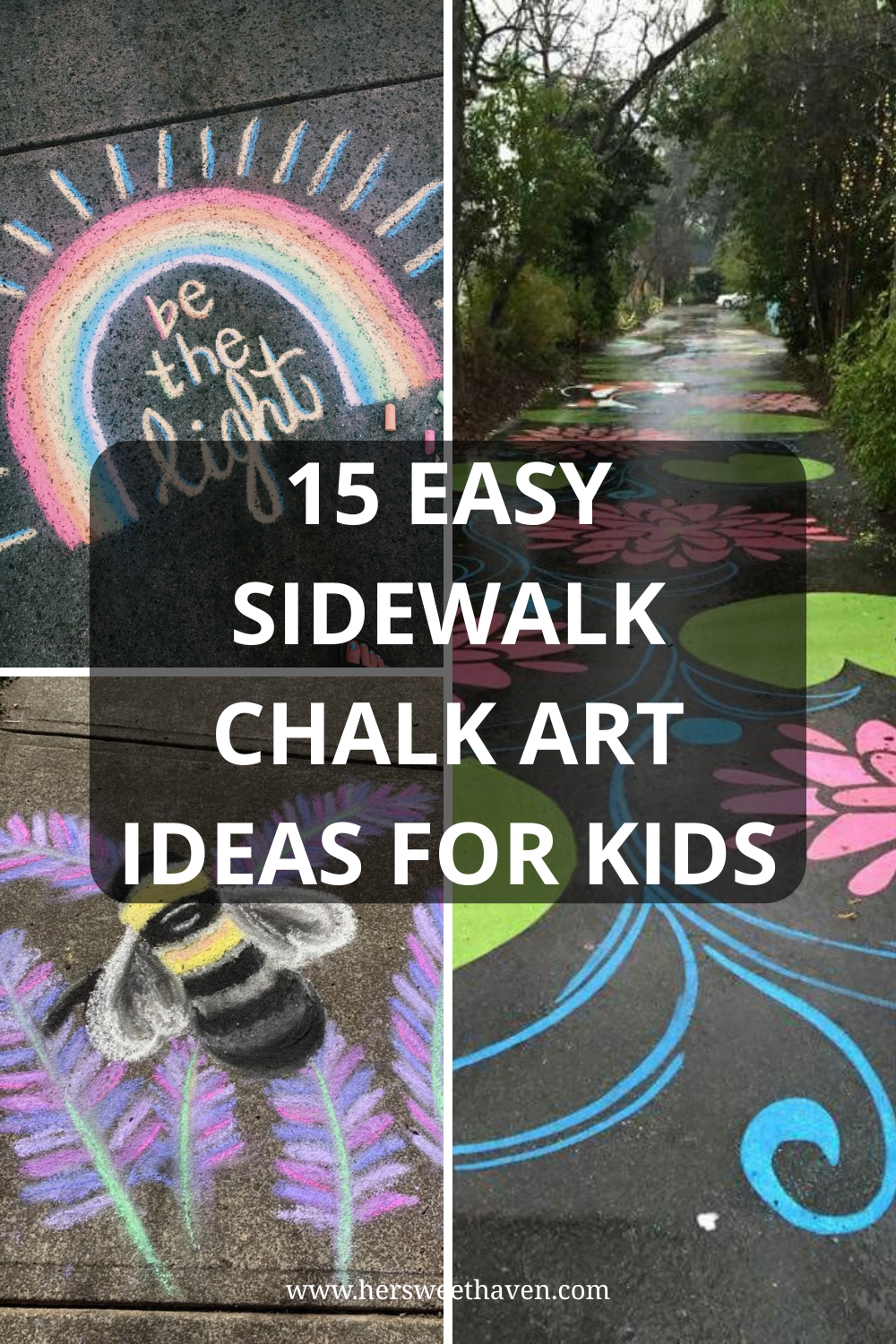
A few ideas by skill level. For the littlest artists: a smiley sun with simple flowers, colorful paw prints trailing across the sidewalk, or a basic fairy or butterfly, all built from circles and leaf shapes so they look adorable every time. Easy crowd-pleasers: rainbows and cheerful messages (“Be the Light” with bees and flowers) that even new writers can trace, and rainbow swirls and spirals where kids fill the whole driveway with spirals in every color, pressing firmly for bold lines. For a bit more focus: an underwater scene with a big goldfish, seaweed, and bubbles (great for practicing color blending on the fish), mandala patterns and tropical flowers for older kids, and a daisy garden with bees that covers a big area and looks impressive from the street.
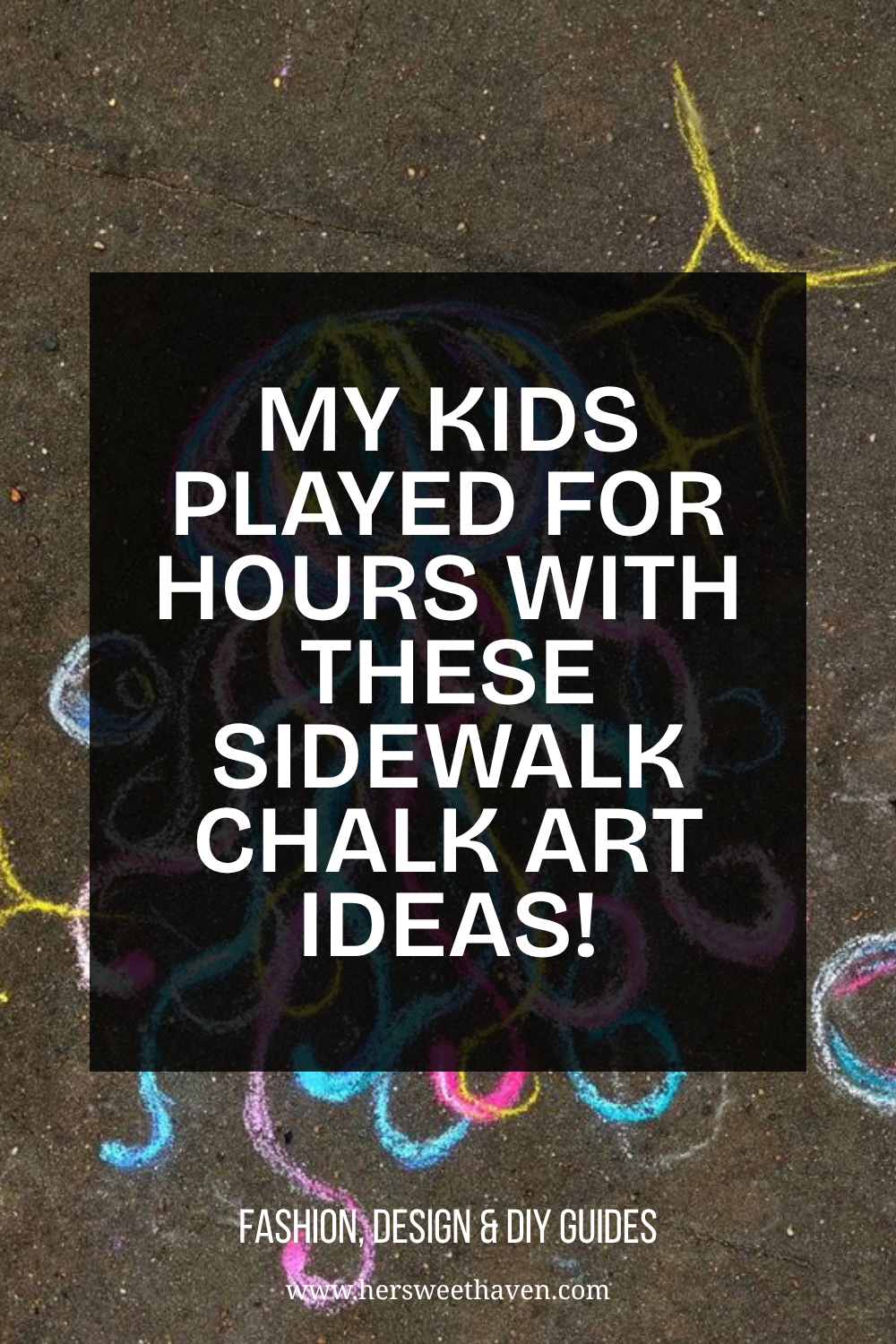
Want the art to really pop? Use a darker stretch of pavement, where neon and pastel chalk glow. Jellyfish with curling tentacles or full abstract swirls look amazing on it, and there’s no “wrong” way to do it.
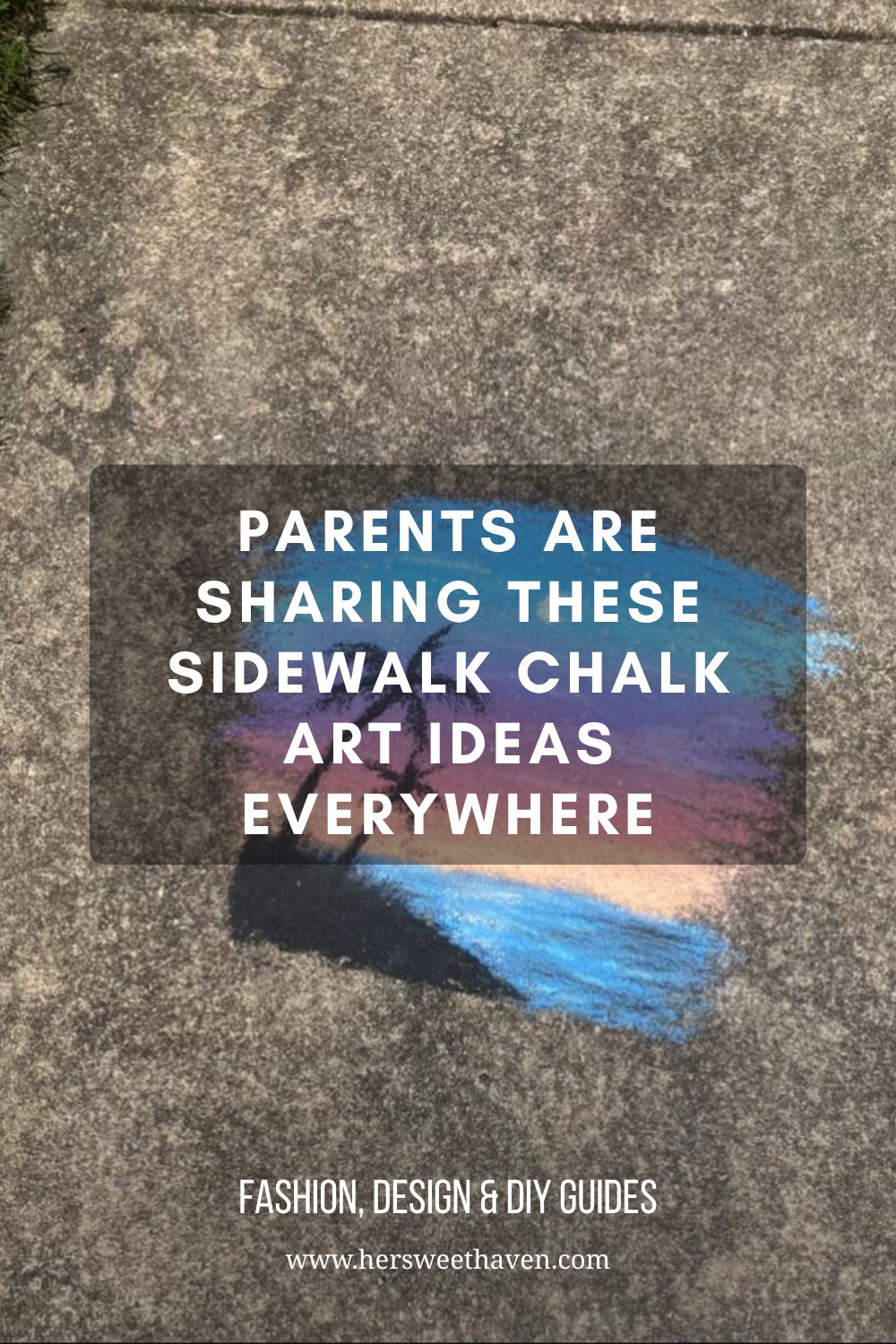
For the tweens and teens, level up to a sunset silhouette (blend a warm gradient sky, add a simple black tree or skyline on top) or realistic fruit, where building color on top of color turns a flat drawing three-dimensional. Want to keep a favorite? A few coats of cheap aerosol hairspray act as a fixative, or just photograph it from above before the rain comes.
Beyond chalk, keep the art going with a rock-painting party (smooth stones, paint markers, then hide them around the neighborhood for others to find), painted wooden paddles or spoons from the dollar store that come out looking like real decor, and washable body art, which older kids love because it feels cooler than “baby crafts.” The garden hose handles cleanup.
Little-Scientist Space Play
Kids are naturally obsessed with space, and it’s the rare theme that works any time of year. Rainy Tuesday? Space day. These pair that obsession with hands-on play, so real learning happens without anyone realizing they’re doing school. The whole supply list is basically black paper, foil, balloons, paint, and a cardboard box.
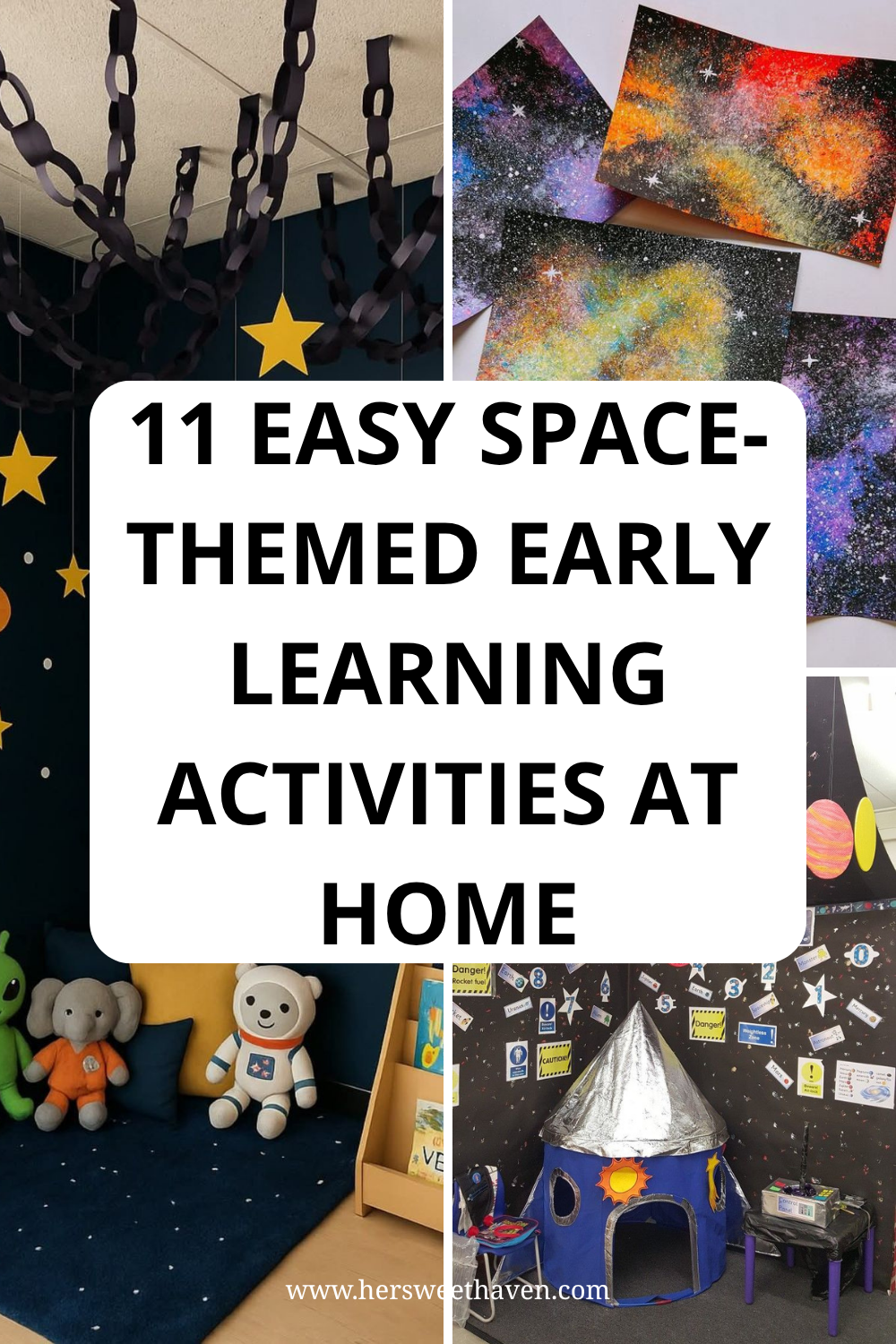
Start with the art: galaxy watercolor (sponge blues, purples, and pinks onto black paper, then flick white “stars” with a toothbrush) and planet balloon painting (dip different-sized balloons in paint and press them onto black paper for a whole solar system). A rocket craft with torn tissue-paper flames is great fine-motor work, since tearing takes more hand strength than cutting.
Then bring on the pretend play, which is where the deep learning lives. A cardboard spaceship (a big box wrapped in foil with a cut-out window) gets the most mileage of anything here. Research from Play to Learn Preschool found kids often name playing in a spaceship as their favorite preschool memory of the whole year, and you can recreate that with a box and some tape.
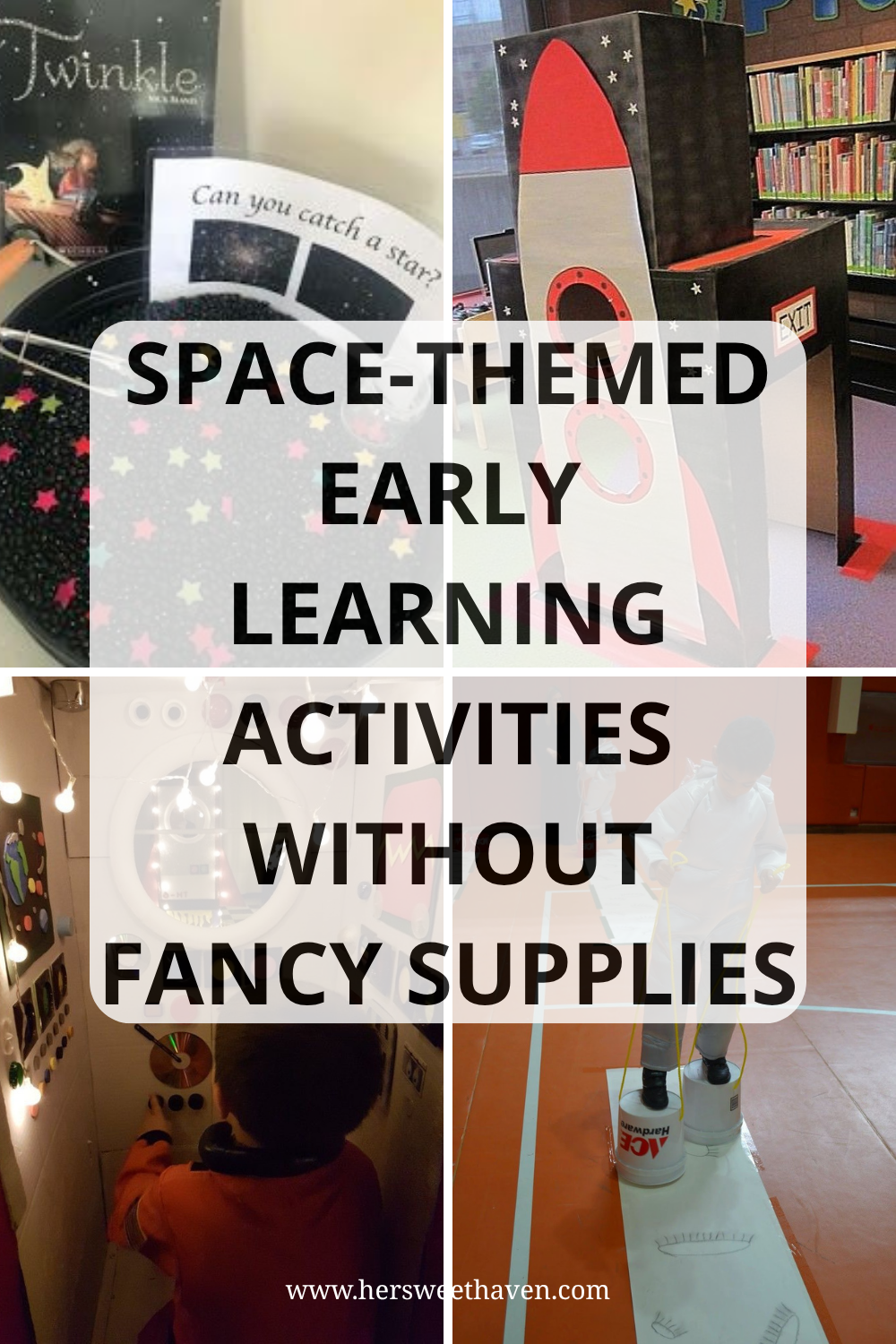
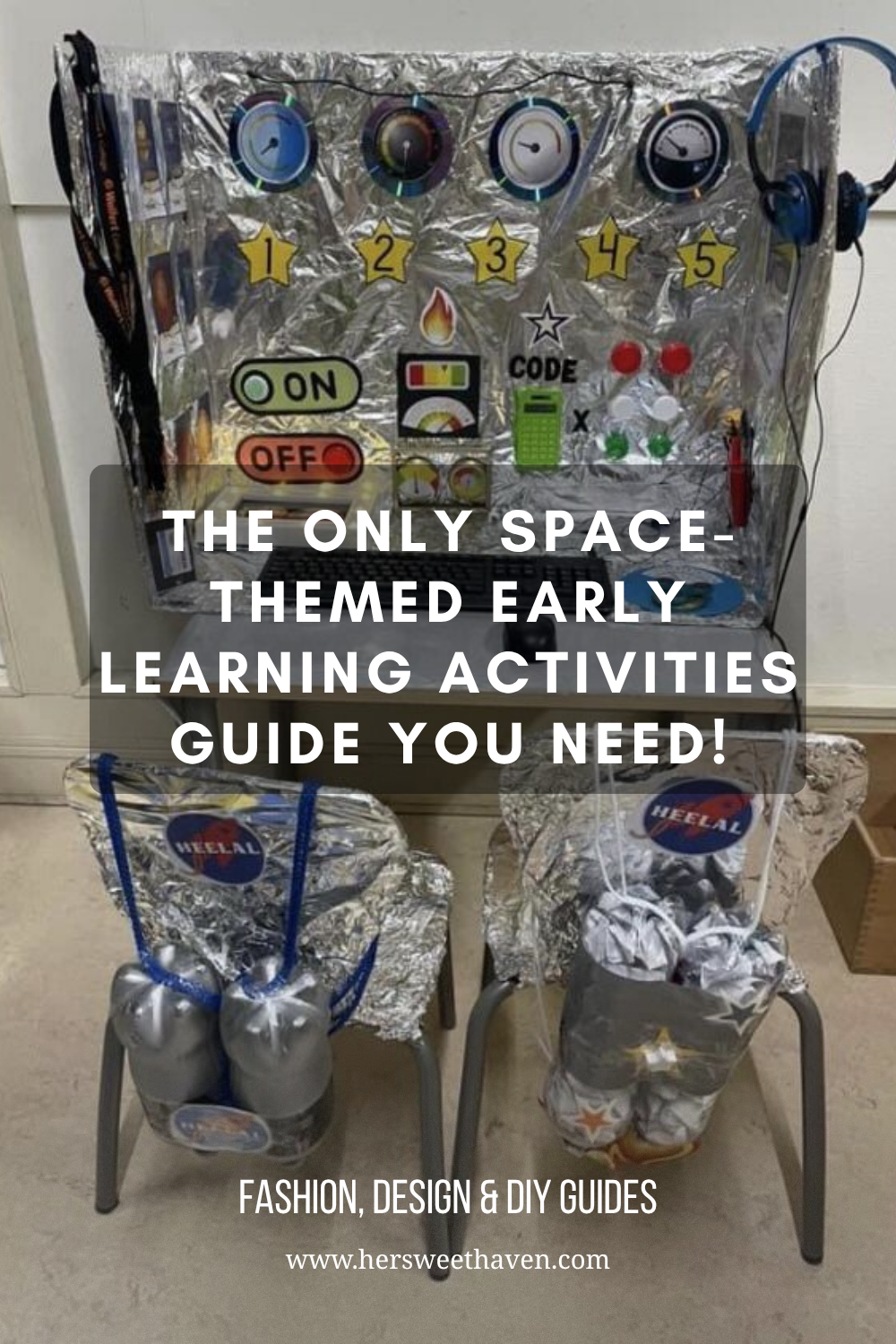
Pair it with a DIY mission control panel: cover cardboard in foil, glue on bottle-cap “dials,” draw buttons, tape on an old keyboard and headphones. Kids will “run missions” at this thing for an absurdly long time.
For quieter stretches, a moon-rock sensory bin (kinetic sand, foil-wrapped “rocks,” space figurines, scoops) is calming and builds vocabulary, and a constellation station (star stickers, toothpicks, and playdough on a dark tray) sneaks in shape and pattern skills. As Little Bins for Little Hands puts it, preschoolers learn best through sensory exploration, storytelling, and hands-on play, and space play checks every box. One gentle reminder: if your kid paints the rocket green and glues the flames on top, let them. Process beats a perfect paper rocket every time.
Calm, Nature, and Classic Fun
Not every afternoon needs to be loud. These slower ideas are the ones that buy you a bit of quiet.
IMAGE (434.png) — alt: Nature crafts with pressed flowers and paper-bag crowns
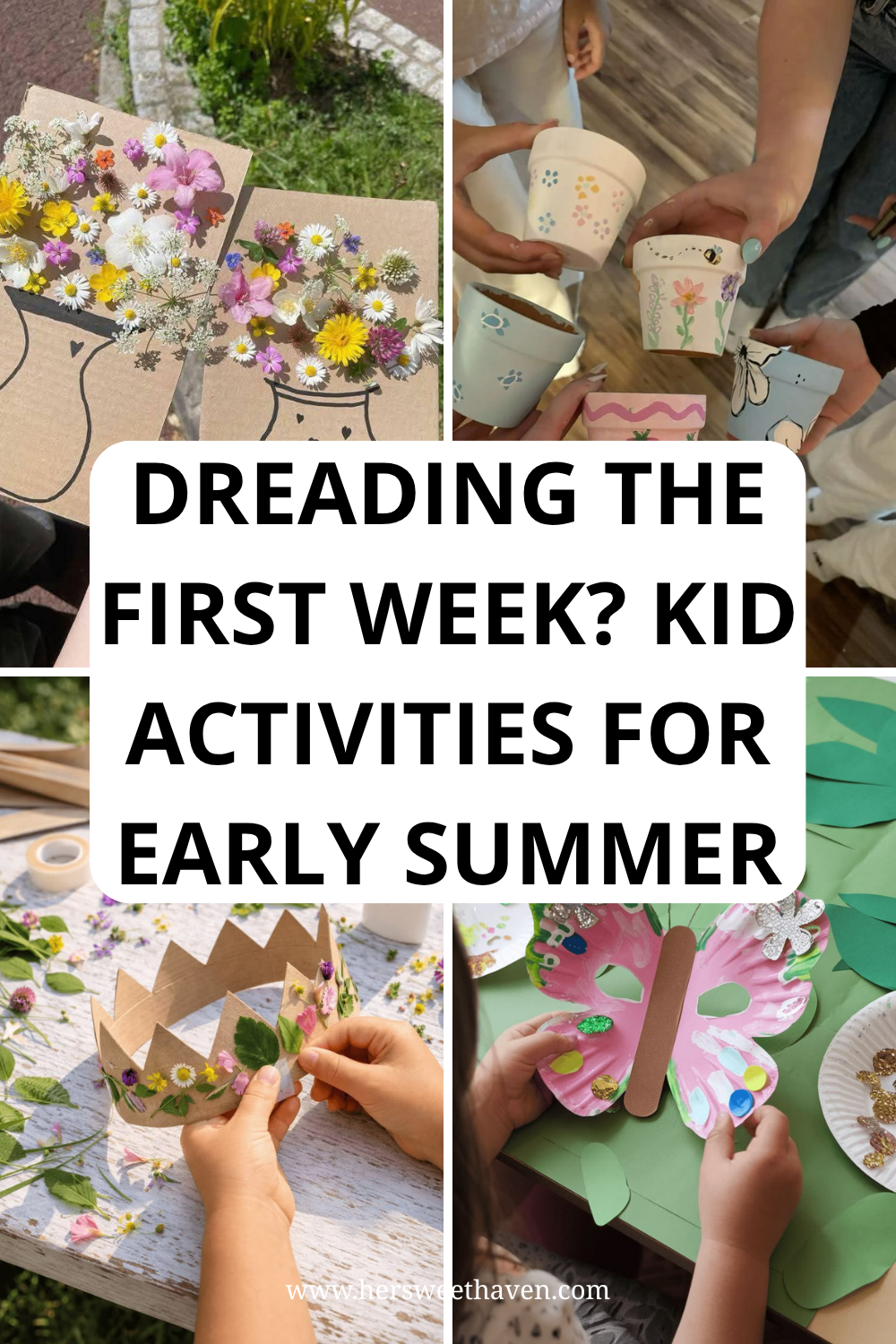
Nature crafts start with a walk to collect flowers, leaves, and petals, then turn into pressed-flower art, paper-bag crowns, and butterfly crafts. These nature-based projects are free, calming, and produce something kids are genuinely proud of. A lemonade stand is the classic that quietly teaches real skills: making the lemonade, setting prices, decorating the stand, talking to customers, basically a tiny business course wrapped in summer fun.
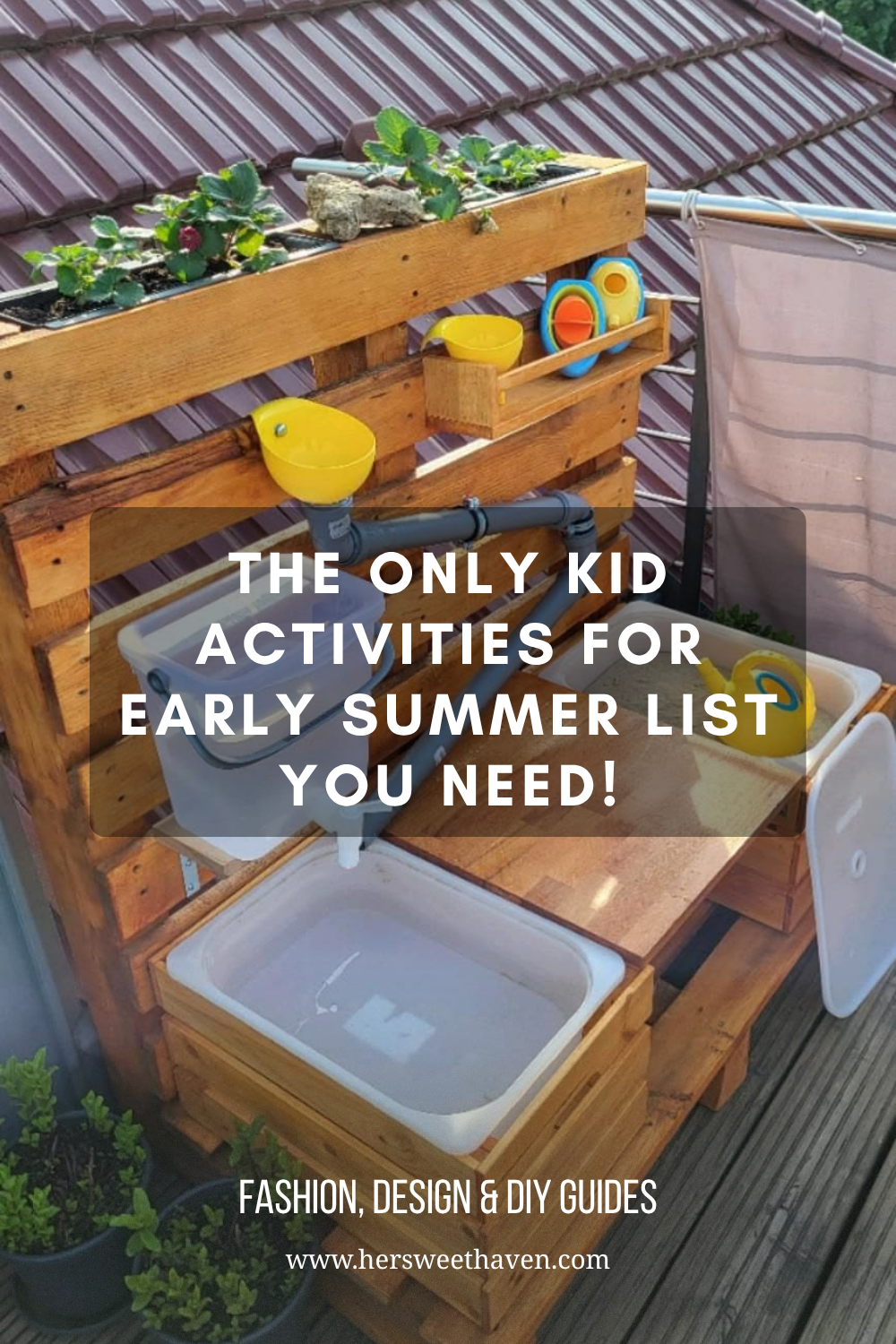
And the sleeper hit for little kids: a mud kitchen. Old crates, a bin of water, some pots and scoops, and they’ll spend hours making mud pies and leaf “soup.” It’s wonderful for sensory play, imagination, and the kind of independent play that lets you sit down for a minute.
What All This Play Is Actually Teaching
If you’re wondering whether all this cutting, tossing, and pretending counts as “educational,” it absolutely does. There’s a lot happening under the surface.
Every time a kid tears tissue paper, squeezes a glue bottle, or wraps foil around a rock, they’re strengthening the small hand muscles they’ll later use for writing. Counting planets, sorting rocks by size, and keeping score in a toss game slip in early math that feels like play, not practice. Space and nature themes introduce words kids don’t hear every day, and Pocket of Preschool recommends adding vocabulary cards to a play station so those new words get seen and used. Simple experiments like dropping rocks into flour to make “craters” teach cause and effect, which is the scientific method in a fun wrapper. And taking turns at ring toss or negotiating who gets to be the pilot builds the social and emotional skills that matter just as much as the academic ones.
The point isn’t to quiz anyone. It’s that open-ended, hands-on, screen-free play does real developmental work on its own, as long as you let kids lead and don’t stress about a perfect result.
Keep It Cheap and Low-Prep
You don’t need to spend a fortune. Most of these use paint, paper, water, rocks, cardboard, and kitchen supplies you already own. For the rest, the dollar store is your best friend.
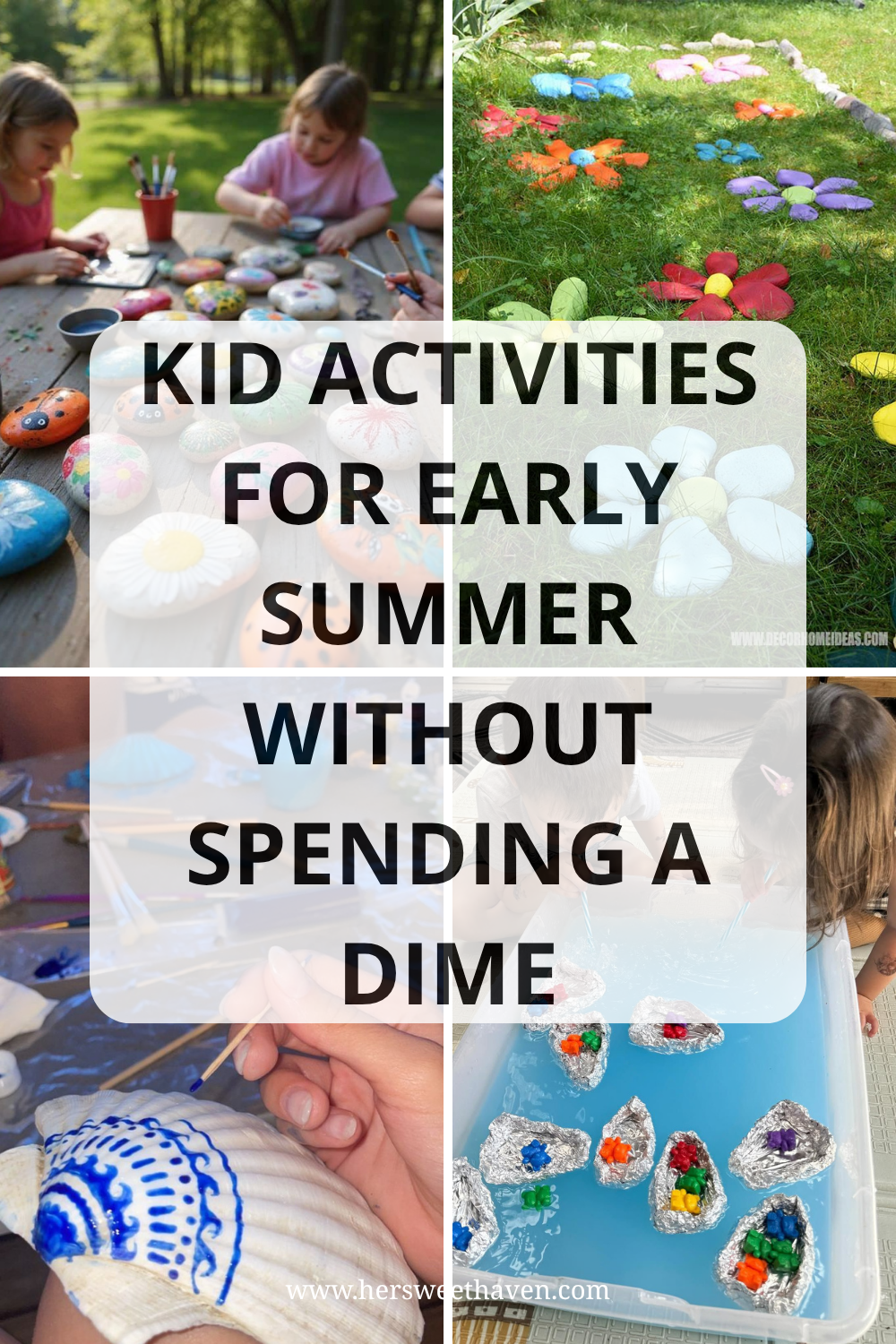
The smart move is one dollar-store run at the start of summer: grab paint markers, wooden crafts, plastic tablecloths for messy days, and a pack of water balloons. That single trip fuels weeks. It also helps to keep a ready-to-go “activity box,” a shoebox with black paper, foil, star stickers, a few paints, toothpicks, playdough, and cotton balls, so you’ve got an instant plan when boredom strikes. Per MomBrite, most popular activities use supplies families already own. And nature is free: rocks, flowers, sticks, and mud cost nothing, so shift the mindset from “buying supplies” to “using what’s around you.”
The Best Picks by Age
Toddlers and preschoolers (2–5) do best with sensory, open-ended play: mud kitchens, popping water balloons with their feet, finger-painting rocks, and nature walks with a collecting bag. Keep sessions to 15 to 30 minutes and expect mess. That’s the fun.
Kids at home (6–10) are the sweet spot for most of this list. They can run lemonade stands, build kites, do detailed rock painting, and handle a backyard game day with minimal supervision. Give them a “project” and let them show it off.
Teens (11+) need it to feel cool, not childish. Body art, painted paddles, and giant bubbles all pass the test. Or hand them real ownership: run the lemonade stand as a business tracking profit, or challenge them to design the best kite.
Plan a Week Without Losing Your Mind
A whole week sounds overwhelming, but a loose rotation makes it easy. Give each week a theme, Water Week, Art Week, Nature Week, Game Week, then pick two or three activities from this list for each. Balance no-prep days with prep days: a mud-kitchen free-play Monday (zero setup), rock painting Wednesday (a little setup), water balloons Friday (some prep, big payoff). Write it on a whiteboard the kids can see, because when they know what’s coming, the “I’m bored” complaints drop fast. And if something flops, skip it and move on. Flexibility is the whole point of summer.
You’ve Got This
Here’s the thing: you don’t need a packed calendar, an unlimited craft budget, or a picture-perfect setup. You just need a few solid ideas, some basic supplies, and a willingness to let things get a little messy. You already know more than you did ten minutes ago, and that’s really all it takes.
So pick one activity and try it this week. Just one. A batch of giant bubbles or an afternoon of rock painting can turn into a core summer memory faster than you’d think. Save this post, and the next time you hear “I’m bored,” you’ll have an answer ready.

Leave a Reply